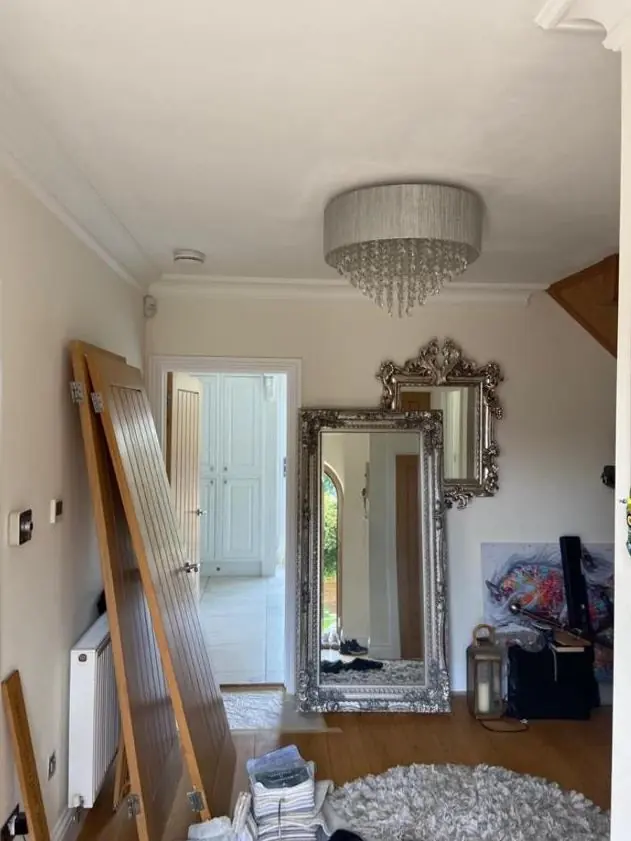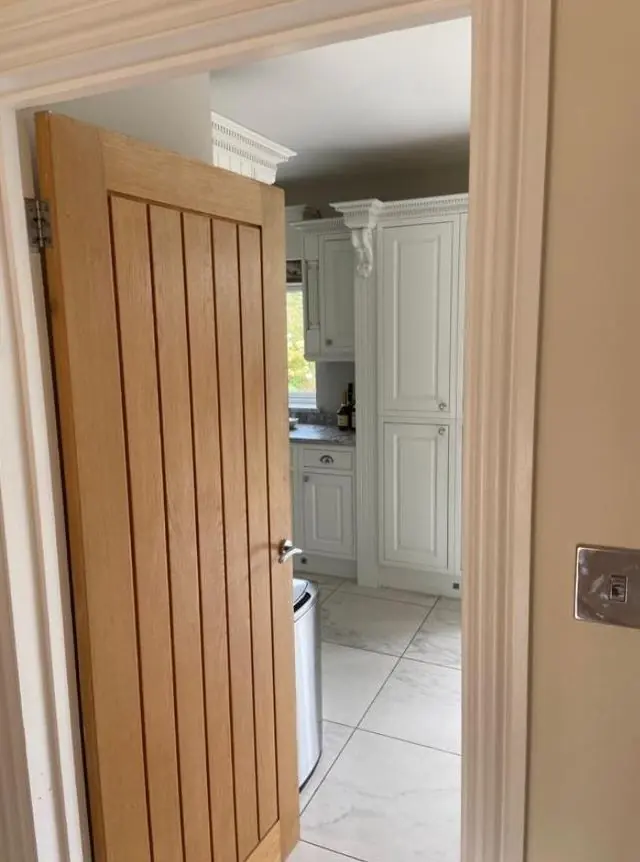
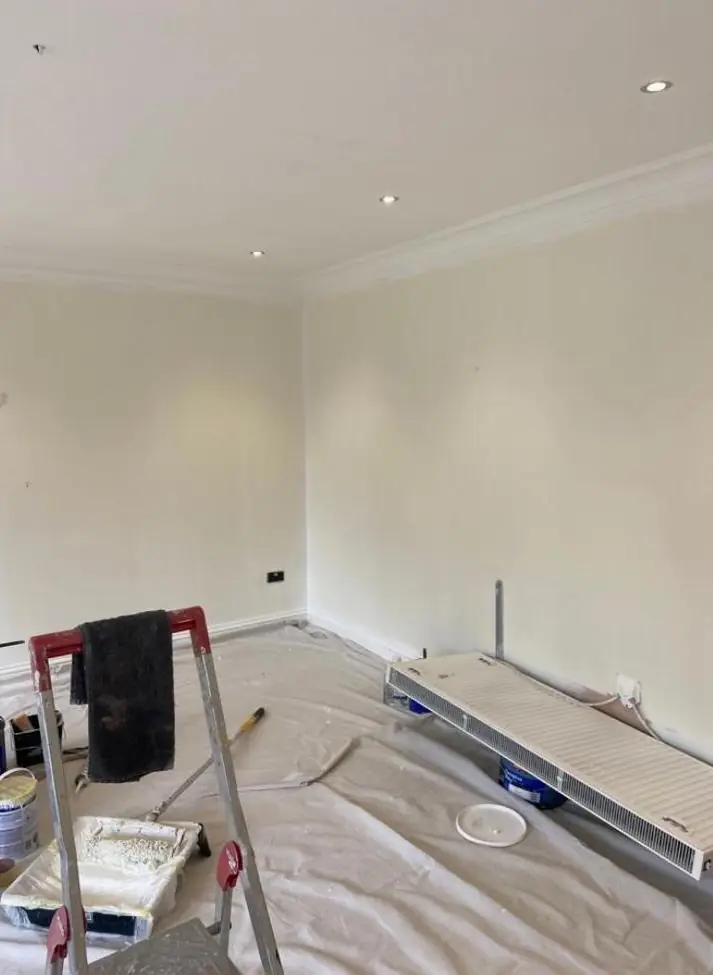
Dean paints interiors across Little Billing, about 3.2 miles north-east of Northampton town centre in NN3. Inside the listed cottages that means breathable paint on old lime plaster; in the later houses around Valley Road it is a normal repaint of walls, ceilings and woodwork.
Two kinds of house behind one village name
Until the 1970s Little Billing lay outside Northampton, a handful of stone buildings around All Saints church. The town’s eastern expansion then drew it inside the boundary, and today later suburban housing far outnumbers the old cottages.
That leaves two very different jobs inside the same postcode. On Church Lane and Orchard Hill you have stone cottages from the 17th and 18th centuries, a rebuilt manor house and a former rectory, all listed. On the closes and cul-de-sacs around them, such as Codlin Close, Russet Drive, Pippin Lane, Damson Dell and Home Farm Close, you have later suburban houses with plastered walls that take ordinary emulsion. Before we price anything we establish which kind of wall we are standing in front of, because the paint, the prep and the time involved are not the same.
Lime plaster and thick rubble walls on Church Lane and Orchard Hill
The listed cottages, including Church Lane Cottage, Pyket Cottage, Knight’s Cottage and the Corn Ricks group, are built of coursed rubble stone. Walls like that hold moisture and need to let it out again. If the inner face is old lime plaster, a modern vinyl emulsion acts like a skin: damp gets trapped behind it, and the paint blisters and the plaster softens. On these walls we use breathable products, such as a clay or mineral paint, or a breathable emulsion made for older buildings, and we keep the preparation gentle:
- Loose distemper or flaking old coats are brushed or washed back rather than sanded hard.
- Cracks in lime plaster are filled with a compatible lime-based filler, not a hard gypsum one.
- Uneven walls are left with their character. We don’t try to skim them flat with paint.
Rooms under thatch tend to have low ceilings and small casement windows set deep in the stone, so cutting in round reveals and beams takes longer than the floor area suggests. Because these are listed buildings, ask West Northamptonshire Council before removing or replacing original finishes. Repainting like-for-like is a different matter from changing what is there.
Panelled rooms in the Old Rectory
The Old Rectory on Church Lane is Grade II, early 18th century and enlarged about 1820. Its listing mentions a fine staircase and a panelled hall. Panelling like this usually carries many layers of old paint, so the preparation is slow. Edges and mouldings need to stay crisp, and any old coatings should be treated with care, as early paints can contain lead. The building is now used as a day nursery, so any work inside would mean low-odour, low-VOC paints and timing the job around its opening hours.
Repainting the houses on the closes
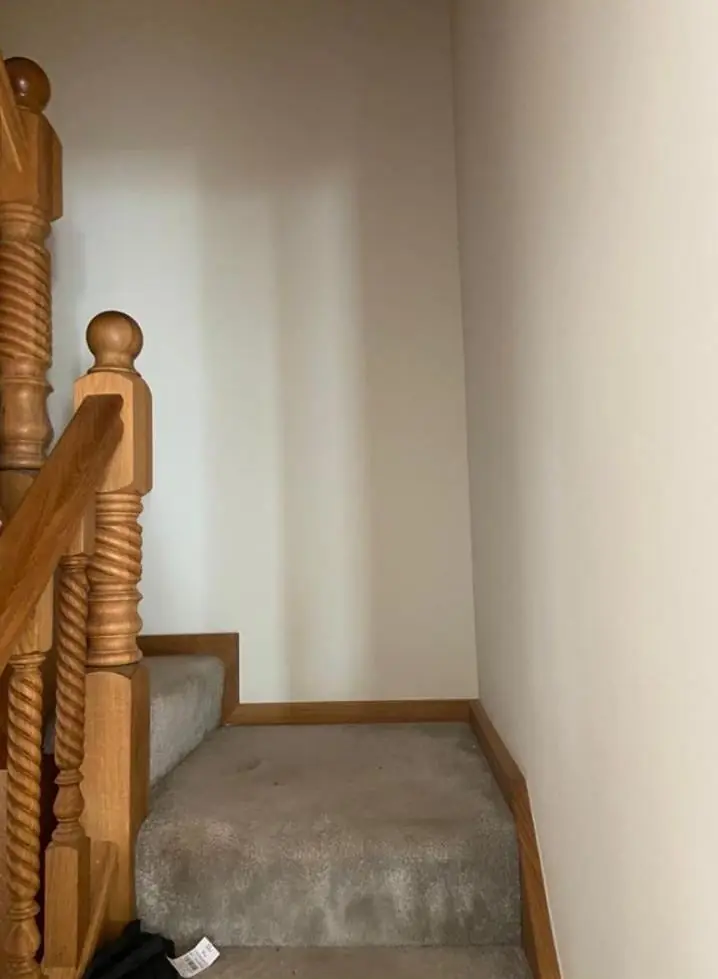
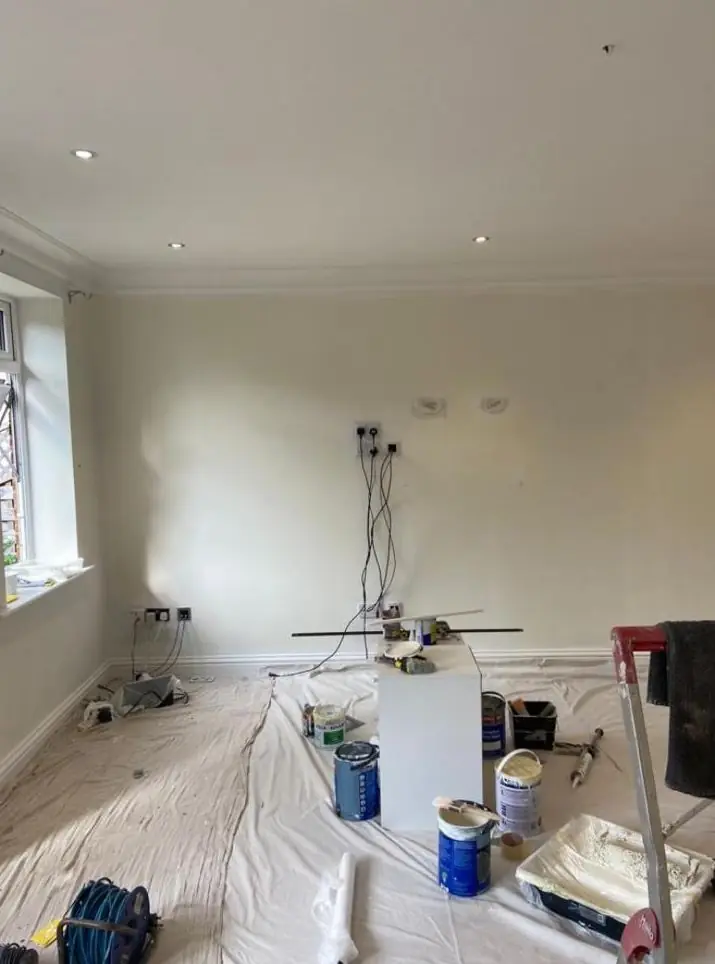
For the later housing off Valley Road, interior painting is the familiar kind: ceilings, walls, doors, skirtings and stairwells. The backs of the Valley Road and Codlin Close houses face the wooded brook corridor and Little Billing Pocket Park. Rear rooms there can be shaded for much of the day, which is worth knowing before you pick a cool pale shade that may look grey in practice. Our main interior painting service page covers the standard process in detail, from filling to the final coat, so we won’t repeat it here.
If you have a new extension, fresh plaster needs a mist coat before anything else. Our guide to painting new plaster explains why.
Parking and getting materials in
On the cul-de-sacs we normally park on the road and carry dust sheets, steps and paint to the door. On the old lanes we talk through parking with you before the start date so we don’t block a neighbour. For other trades in the village, see our Little Billing area page.
Last updated by Dean, DH Painter & Decorator.