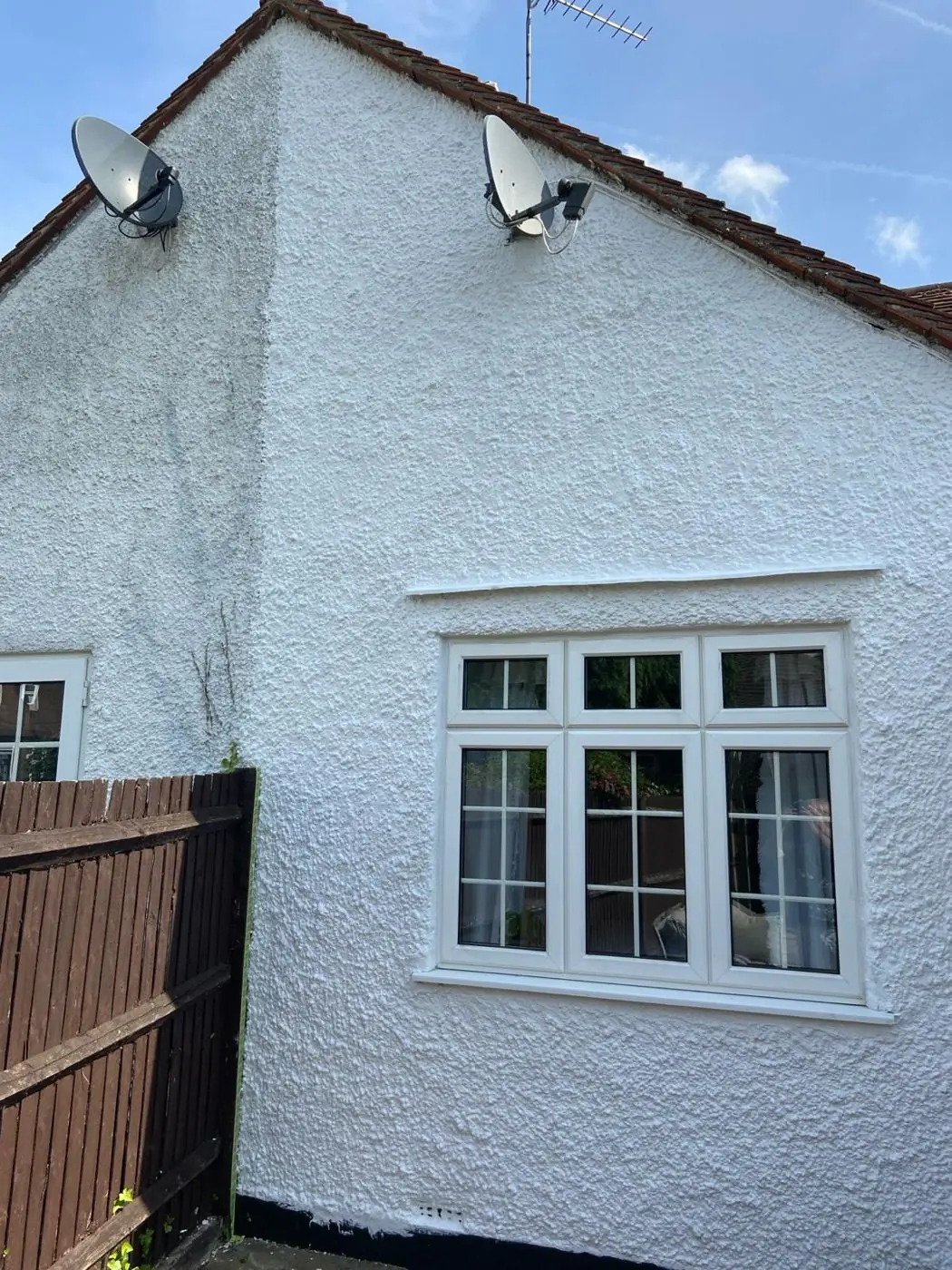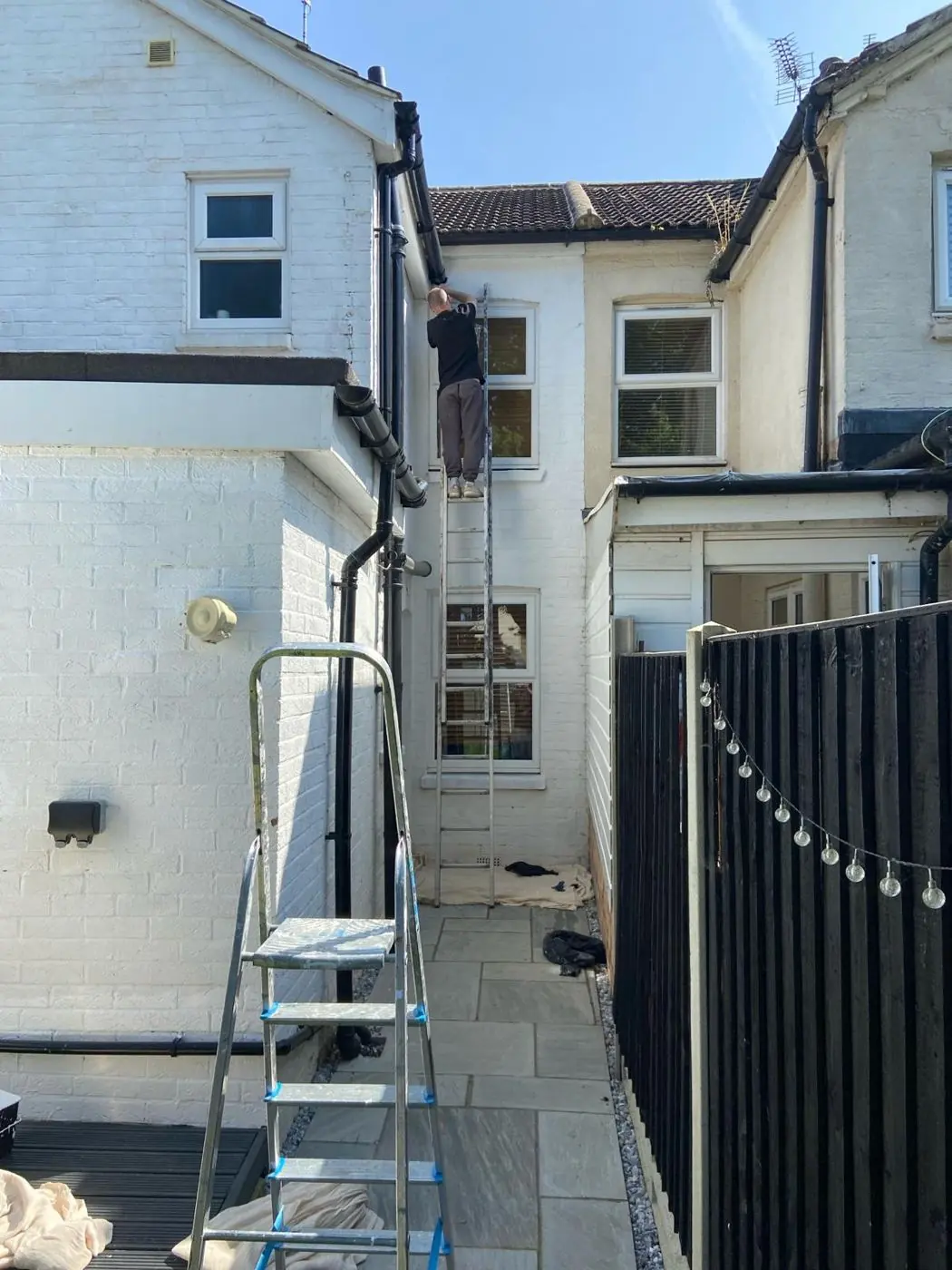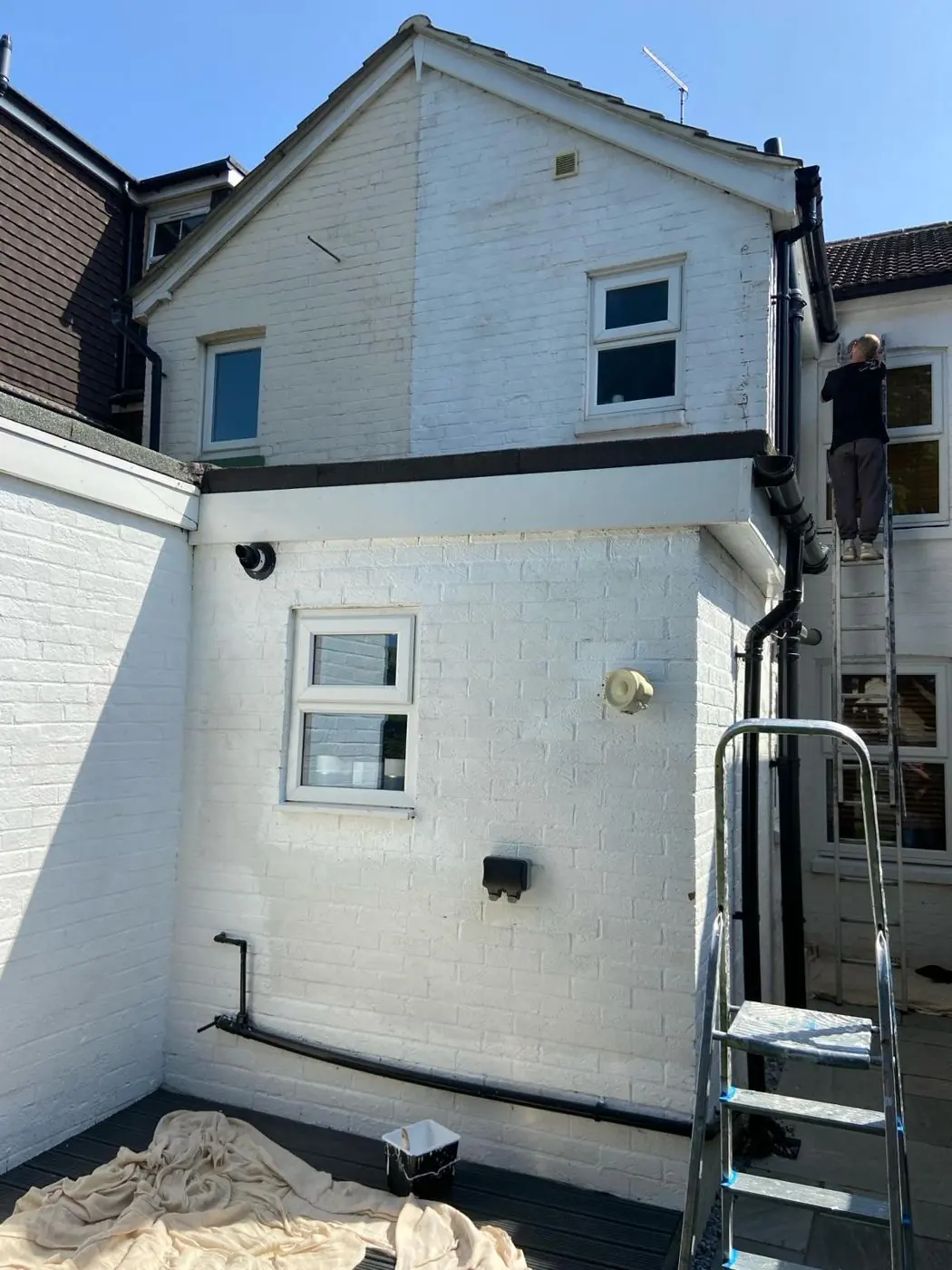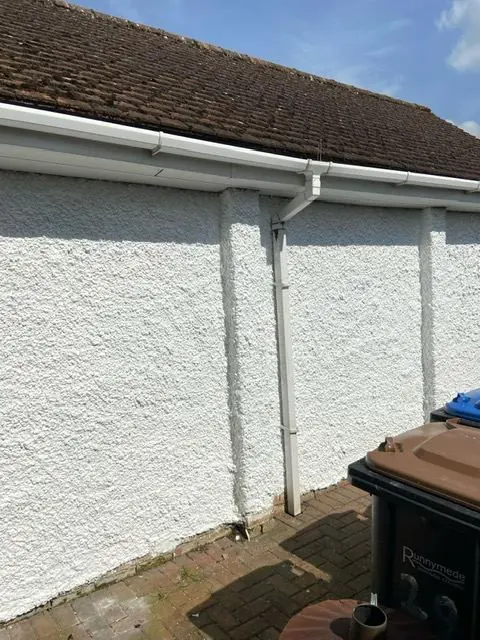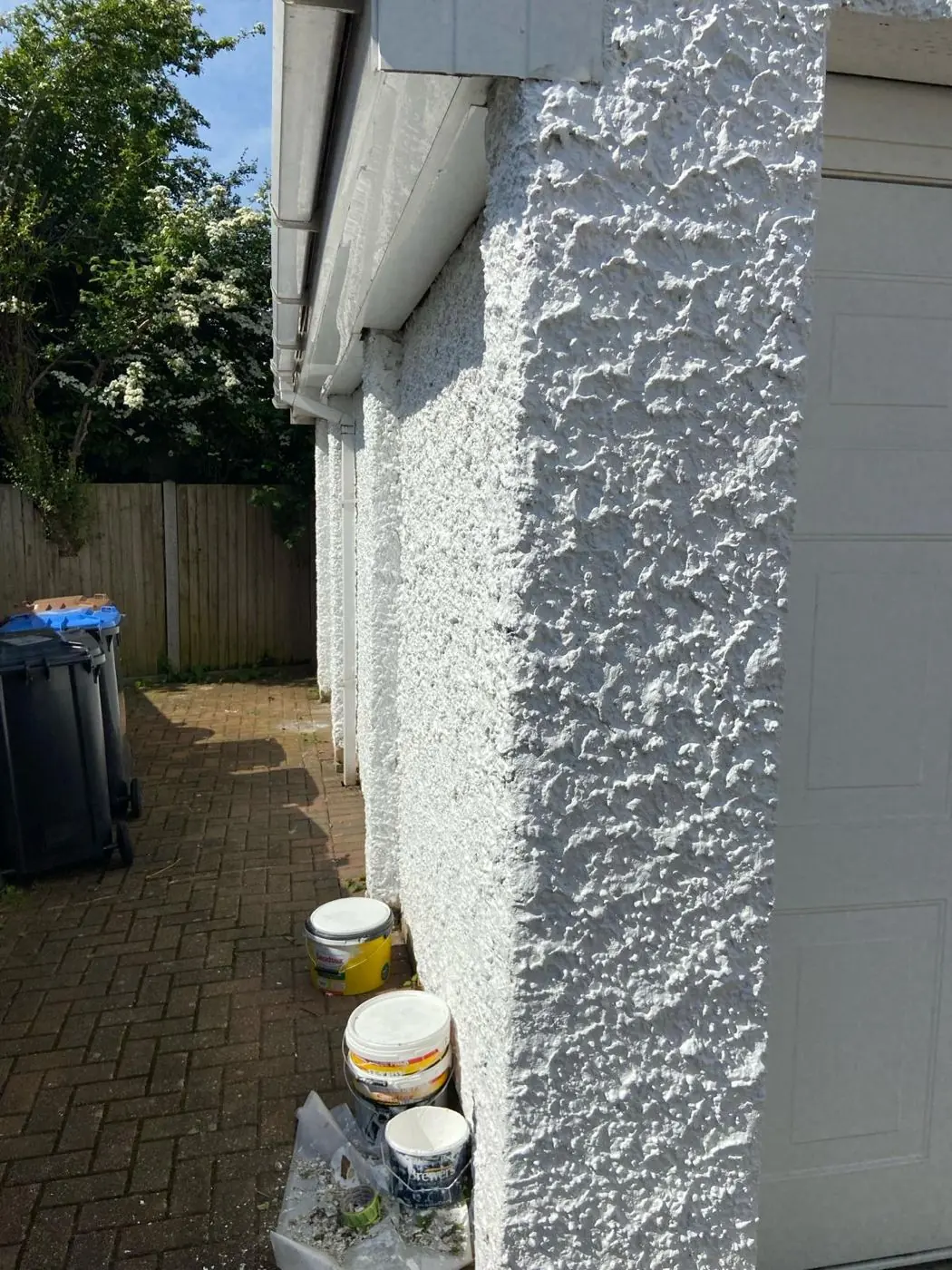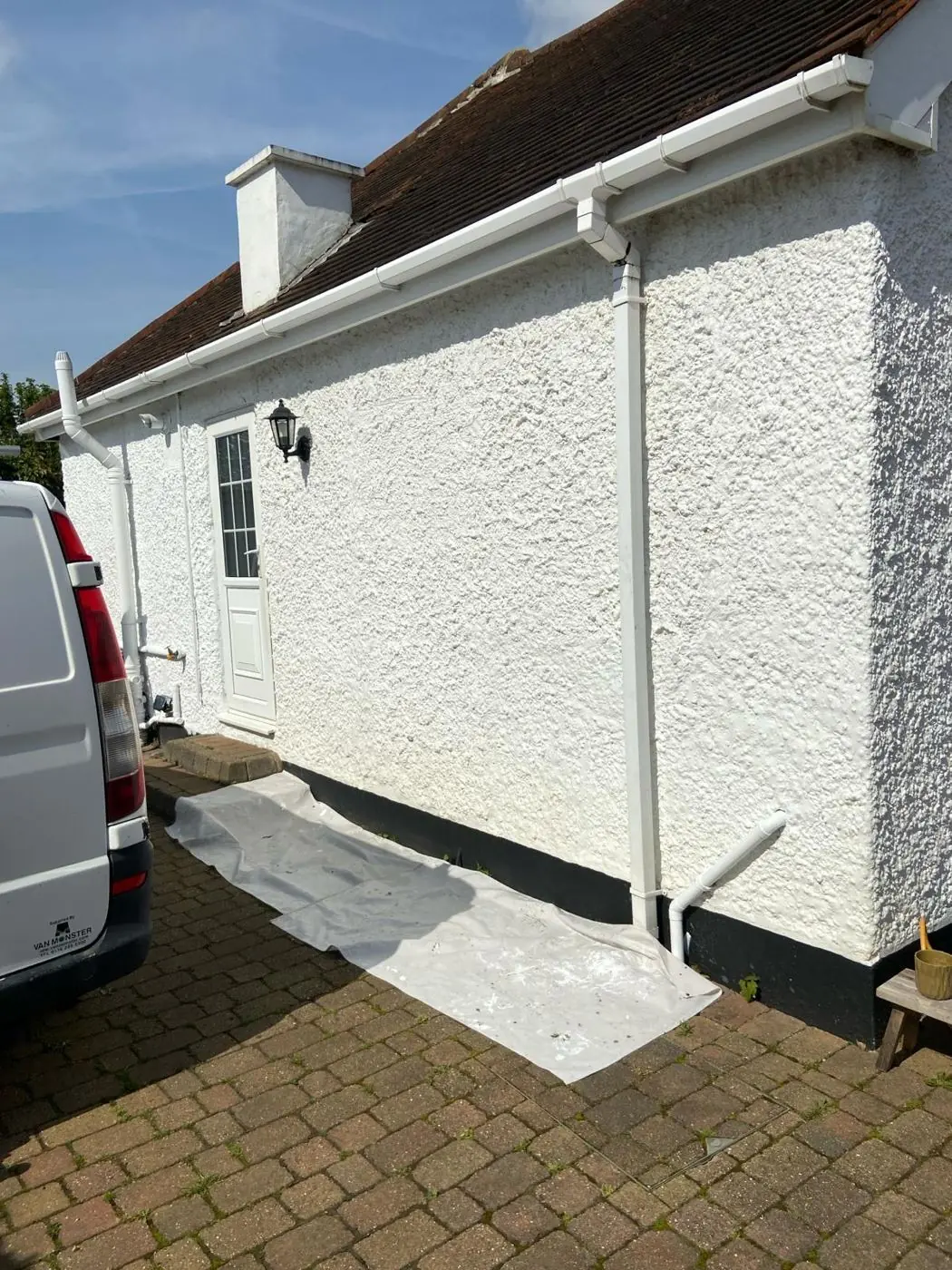
DH Painter & Decorator covers Little Billing from our Northampton base, about 3.2 miles north-east of the town centre in NN3. Dean works on the listed stone cottages, rectory and manor house of the old village and on the later houses on the closes that grew up around it.
A tiny old village on Northampton’s eastern slope
Little Billing is one of the two ancient villages in Billing civil parish. It appears in the Domesday Survey of 1086, and by the 13th century records already distinguished Parva Byllinge from its larger neighbour, Billinge Magna, today’s Great Billing. For most of its history it was tiny. The Victoria County History describes one or two farmhouses, a few cottages, the church and the rectory, and puts the 1931 population at 83.
That changed in the 1970s, when the Northampton Development Corporation’s eastern expansion built the Bellinge and Ecton Brook estates, joined Little and Great Billing together and brought them inside the town boundary. Today the small historic core around Church Lane and Orchard Hill is ringed by later housing on closes and cul-de-sacs. It sits on the south-facing slope above the River Nene, with Weston Favell to the west and Standens Barn, Bellinge and Great Billing to the east and north.
It is easy to confuse with Great Billing. The two villages have different buildings and different rules, and that affects how we paint them.
The listed core: stone, thatch and old joinery
Ten buildings in Little Billing are listed. They are the Grade II* church of All Saints and nine Grade II houses and outbuildings:
- Thatched cottages of the 17th and 18th centuries: Church Lane Cottage at 27 Church Lane, Pyket Cottage with its thatched timber porch, Knight’s Cottage at 16 Orchard Hill with red brick buttresses, the one-storey Ox Stalls, the Corn Ricks group with ironstone quoins, and Hastings Cottage.
- The Priory, the medieval manor house of the Longueville family, largely rebuilt in 1880 by Lord Overstone in coursed rubble with a Welsh slate roof behind a parapet. It keeps a 16th-century stone mullioned lattice casement.
- The Old Rectory, early 18th century and enlarged around 1820, with a colour-washed stone front, sashes in two-storey bays, a six-panel door with fanlight and a bracketed cornice. It is now a day nursery.
- 2 Orchard Hill, once Home Farmhouse, in squared rubble with ashlar dressings and a hipped slate roof with wide eaves.
Almost all of these walls are solid coursed rubble, built from the local Northampton Sand stone: pale Pendle limestone and darker ironstone. Solid stone needs to breathe. Where a wall is painted, we use limewash or mineral silicate, never acrylic masonry paint or plastic sealers, and most of the bare stone should stay bare. Hastings Cottage, with colour-washed cement render, and the Old Rectory’s colour-washed east front both need the existing coat identified before any recoat is chosen. Our render and masonry painting page explains the different coatings.
The joinery is the other half of the job. Casements under wooden lintels, ledged doors and thatched door hoods sit under deep thatch overhangs, and they suit microporous or linseed-type paint systems on the existing profiles. The leaded casements at Church Lane Cottage and The Priory’s lattice window are masked and cut in by hand, never sprayed.
Consent, and why Little Billing differs from its neighbours
Little Billing has no conservation area. It does not appear on West Northamptonshire Council’s list of conservation area appraisals, while Great Billing and Weston Favell next door each have one, and no Article 4 direction covers the village. The protection for the old core comes from listing. All ten listed buildings need listed building consent for changes to their character, which can include a new colour or a different material. We would always suggest a word with the council’s conservation officer before exterior work on any of them is quoted.
The later houses around the core sit outside those controls, so owners there can repaint as they please.
Working safely around thatch
Most of the listed cottages are thatched, and that changes how we work outside. Flame and hot air are ruled out entirely under thatch, so old paint is taken off by hand or with wet methods instead. Ladders and access towers are placed so they never bear on the thatch eaves. Corn Ricks has windows cut into the thatch itself, which needs careful planning for access.
The houses on the closes
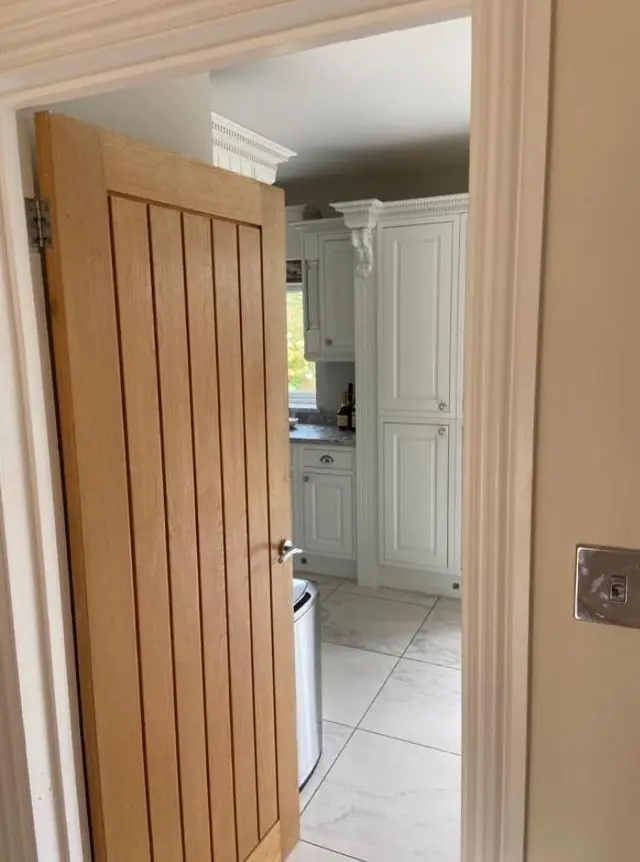
Most people in Little Billing live in the later suburban housing around the old core, on Valley Road and Valley Crescent, Fishponds Road, and closes with orchard names: Codlin Close, Russet Drive, Pippin Lane, Pearmain Court, Damson Dell, Blossom Way, Pear Tree Close and Home Farm Close. Here decorating is a normal repaint cycle. Inside, that means walls, ceilings, stairs and woodwork, covered on our interior painting page. Outside, it means timber or uPVC fascias and soffits, render and joinery, covered on our exterior painting page.
New plaster is a split decision in this village. A gypsum skim in an extension off one of the orchard closes takes a mist coat, while a lime repair inside a Church Lane or Orchard Hill cottage needs breathable paint and its full curing time first.
The brook, the trees and the slope
Billing Brook, also called the Washbrook, runs along the east side of Valley Road through Little Billing Pocket Park, about 2.16 acres of woodland and open ground that widens into Watker’s Lake. The back gardens on Valley Road and Codlin Close face that corridor. Rear walls and fences there stay shaded and damp, so algae and green growth are common, and we allow for a fungicidal wash before painting and longer drying times between coats. Garden fences along the brook usually need cleaning and a protective stain; see our fence and gate staining page.
Lower down, the ground falls towards the Nene, where small streams historically overflowed in wet seasons, and Billing Aquadrome downstream was evacuated in floods three times in 2024. Outbuildings and garden timber on lower ground need moisture checks before painting and damp-tolerant coatings.
Getting to the work
We reach Little Billing via Wellingborough Road, which crosses the parish west to east, or from the A45 Nene Valley Way to the south. On the closes we park on the road and carry materials in, and narrow side passages often limit where an access tower will go at the back, so that is planned on the first visit. The old lanes need a quick conversation about parking. Commercial work in the village itself is small: the convenience store on Valley Road, the nursery in the Old Rectory and two small chapels on Orchard Hill. For a sense of costs, see our painter and decorator cost guide, then call Dean on 07539 779 036 for a free quote.
Last updated by Dean, DH Painter & Decorator.