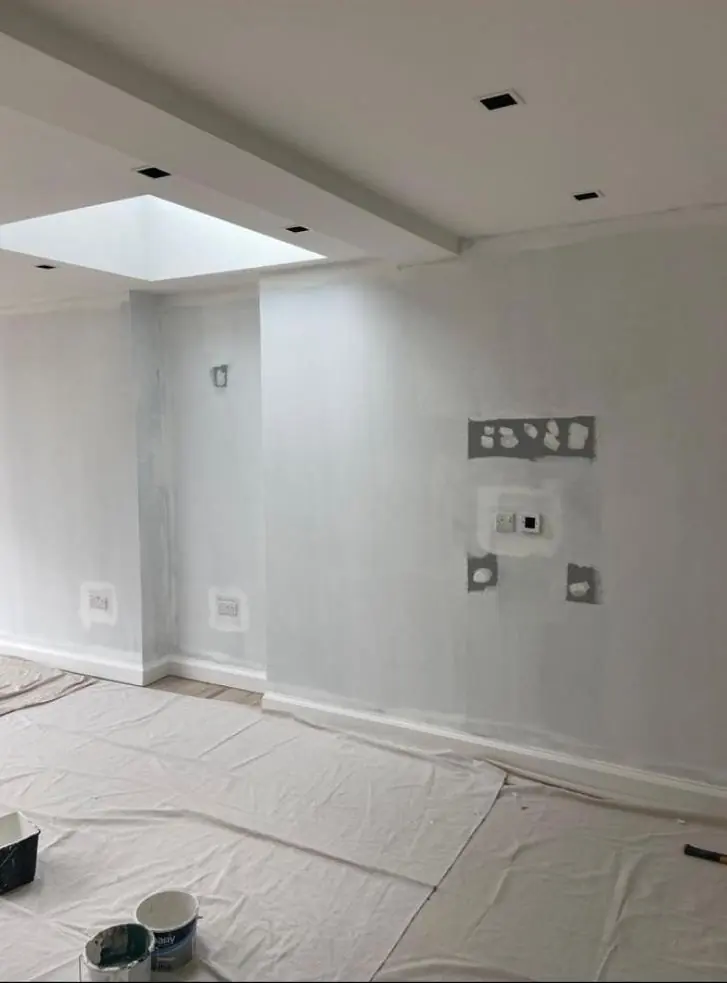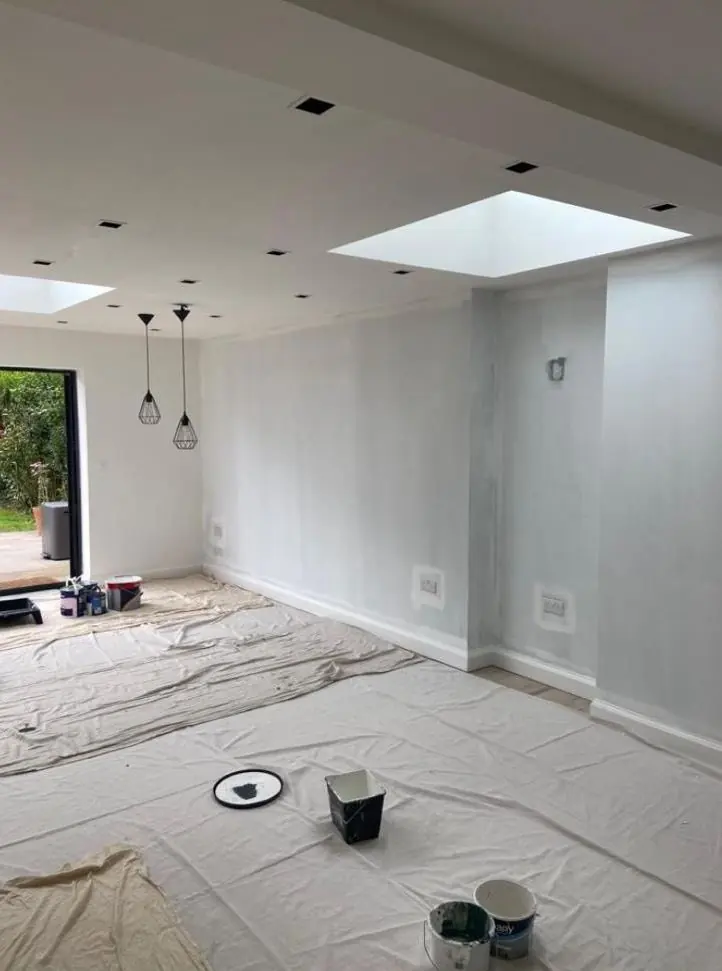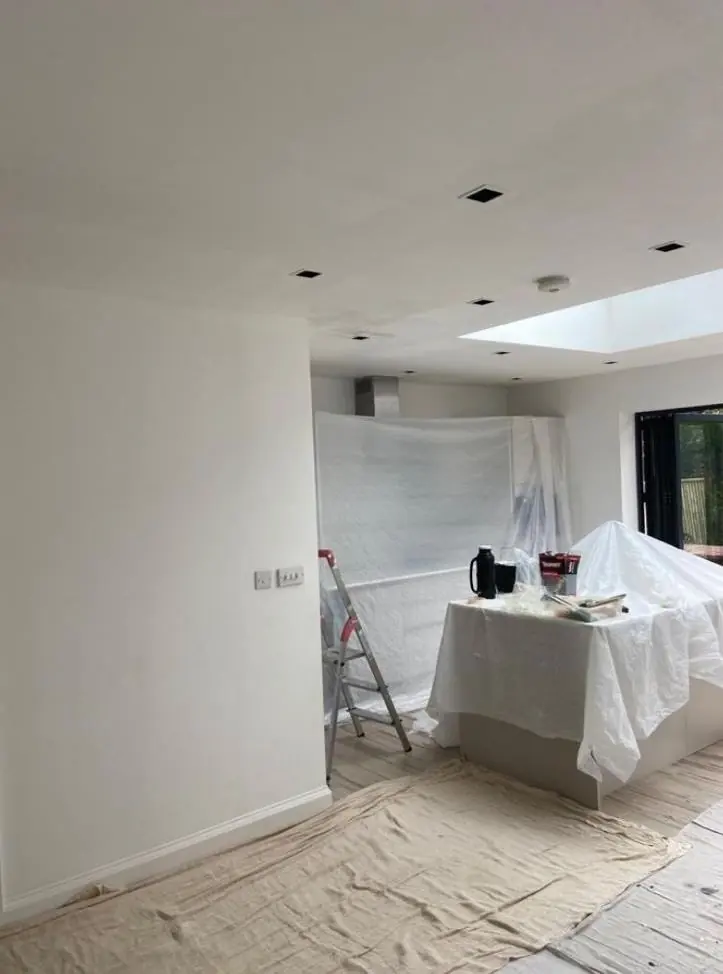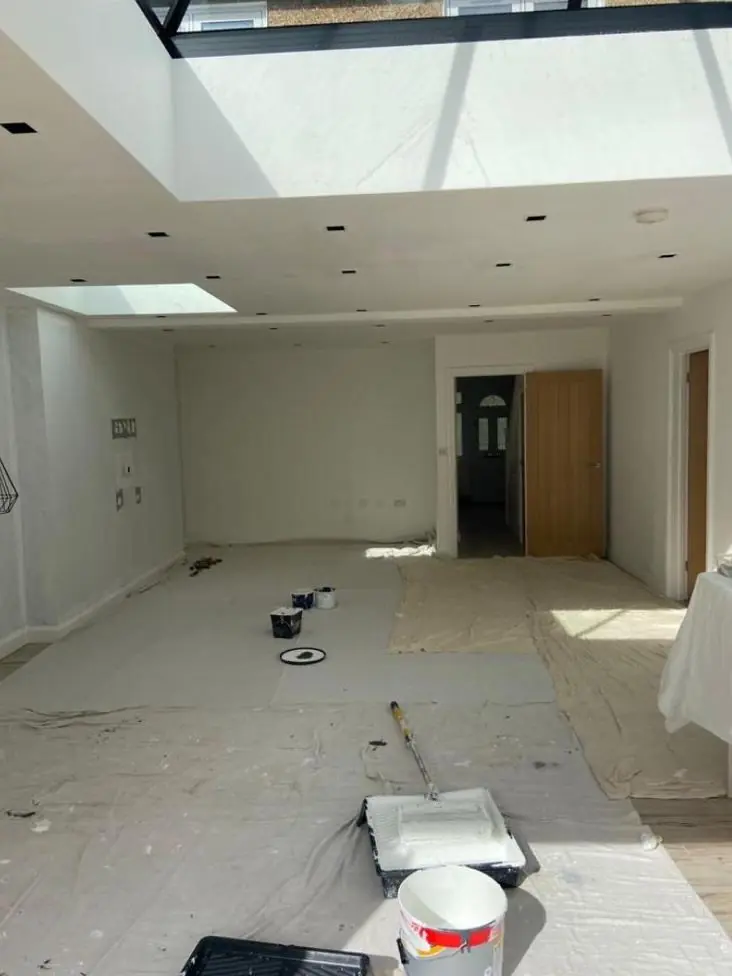
Dean takes on commercial painting in Little Houghton, about 3.1 miles east of Northampton town centre. The village's premises are few: a shop and post office, a pub, a small laundering shop, the school and nursery, and working farm buildings, all in or beside the conservation area.
The few business premises in the village
Commercial premises in Little Houghton are few and close together. The 2015 conservation area appraisal records a village shop and post office, a pub and a small laundering shop around the crossroads where Bedford Road meets Station Road and Lodge Road. Alongside them are the village school, the 1844-46 former girls’ school beside the churchyard that now serves as a nursery, the church, and farm buildings still in agricultural use, such as those at Church Farm. All of them sit in or next to the conservation area. We cover the village from our Northampton base, about 3.1 miles east of the town centre, for interior and exterior repainting of these kinds of premises.
Painting in the conservation area core
A business at the crossroads is painted in full view of St Mary’s on its raised mound, the village stocks and the listed telephone box. The appraisal flags painting as a change that can harm the area’s character, advertisement controls are tighter inside the conservation area, and any premises in a listed building may need consent for a change of colour or finish. In practice that means:
- No paint on bare ironstone and limestone frontages; previously painted masonry gets a breathable mineral coating.
- Timber windows, doors and boards repainted like for like or in muted heritage colours, agreed with West Northamptonshire Council where a change is planned.
- Signage colours checked against advertisement consent before the job starts, not after.
Shop fronts and fascia boards in particular are covered on our shopfront painting page.
Keeping a pub, shop or nursery open
A village shop and post office serves people through the day, a pub has its own trading hours, and a nursery or school cannot have wet paint and fumes near children. We plan around each: low-odour water-based paints indoors, work split into zones so one area is always open, and school or nursery jobs timed for holidays where possible. Outside, the A428 runs through the crossroads and parking is on the street and verges, so ladders and any access tower are set out to keep the pavement passable, with loading times agreed in advance. How we run commercial jobs more generally is on our commercial painting page.
Inside older premises
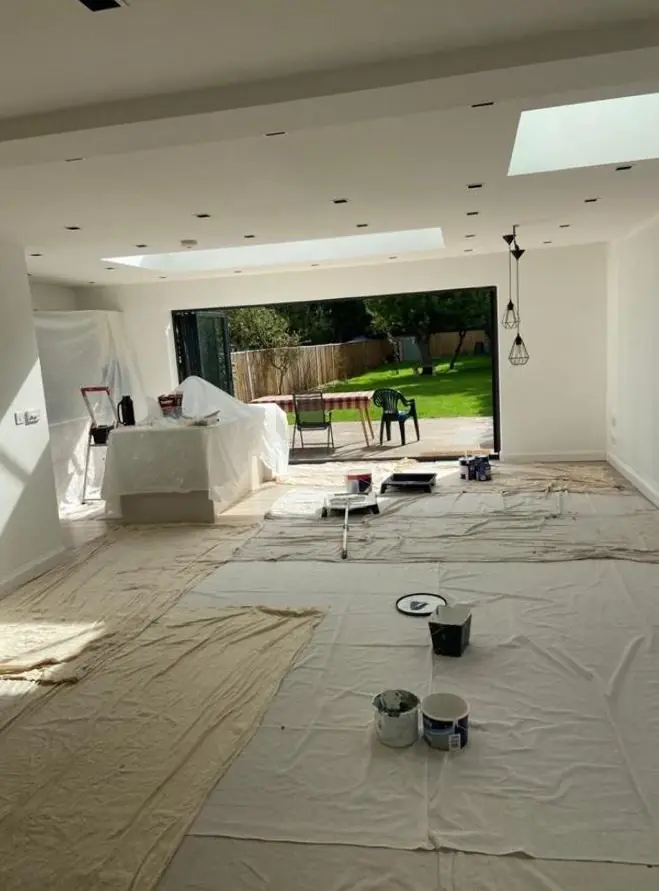
Interiors in the village’s historic buildings follow the same rule as its cottages: solid ironstone and limestone walls built with lime mortar need to breathe. In a pub bar or shop room with old stone walls, a wipeable vinyl finish can trap damp and start flaking within a season or two, so we use mineral or claypaints on those walls and keep the hard-wearing eggshell for woodwork, bar fronts and door frames, where knocks and cleaning matter more. Any later extension or modern partition can take a standard trade emulsion.
Farm buildings and outbuildings
Working and historic farm buildings in the parish, some of them listed, including the farm buildings at Home Farm and the outbuildings attached to Church Farmhouse, bring their own work: timber doors to barns and stores, old ironwork, and stone walls that may or may not have been painted before. Grade II status means repainting should match what is already there unless consent allows a change. On sites that face west over the Nene valley, timber doors take the weather hard and need a flexible exterior system and more frequent checks. For work in the village beyond commercial premises, see our Little Houghton area page.
Last updated by Dean, DH Painter & Decorator.