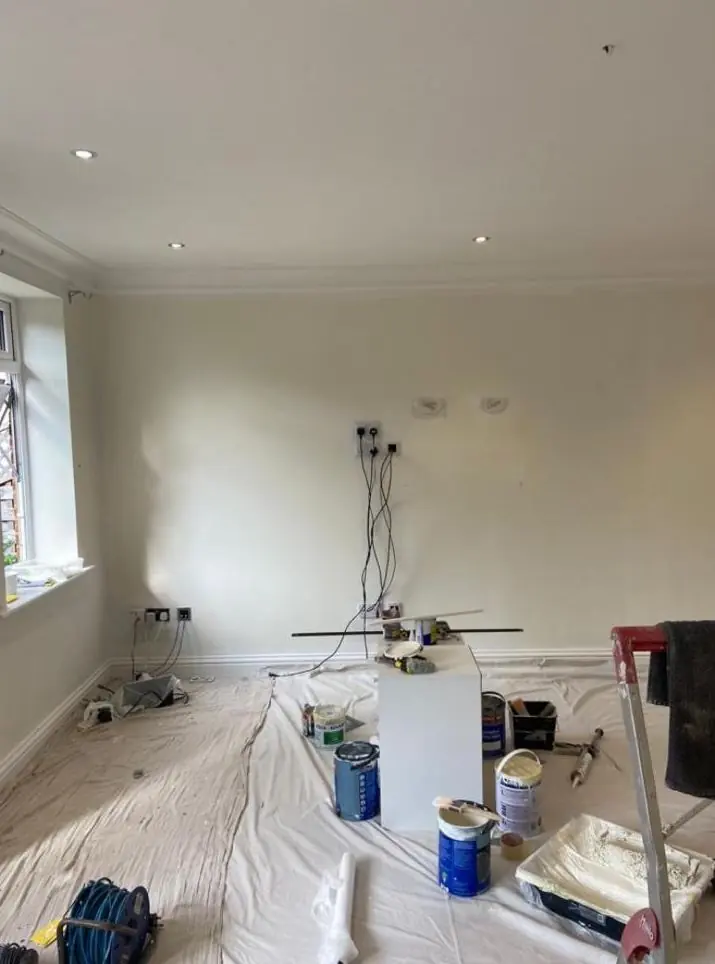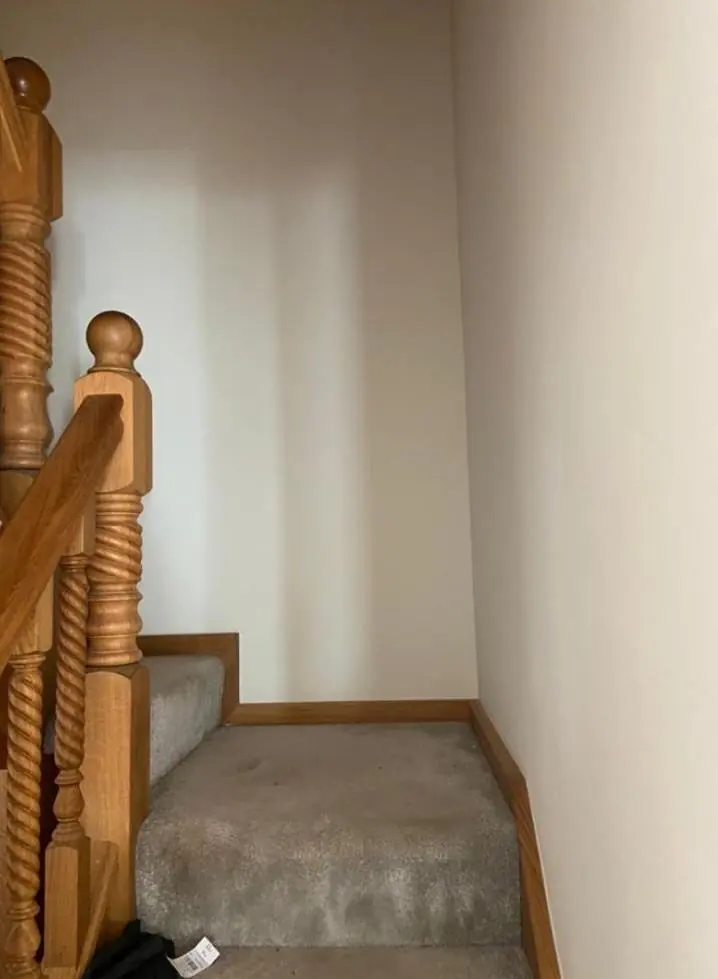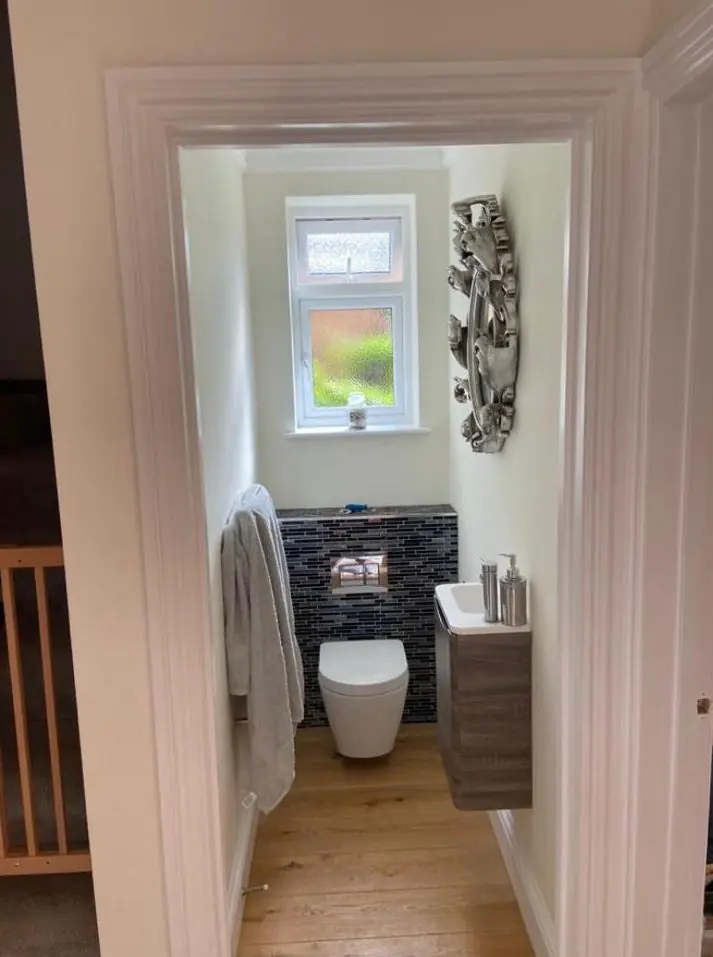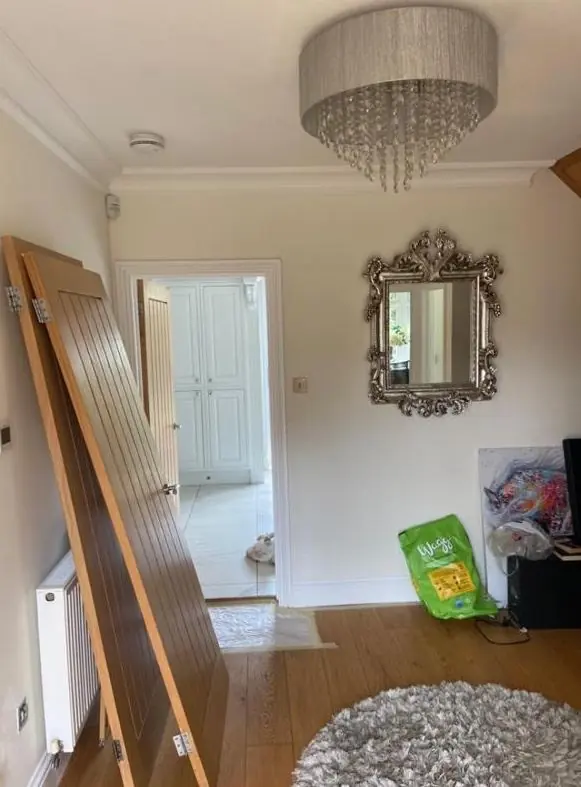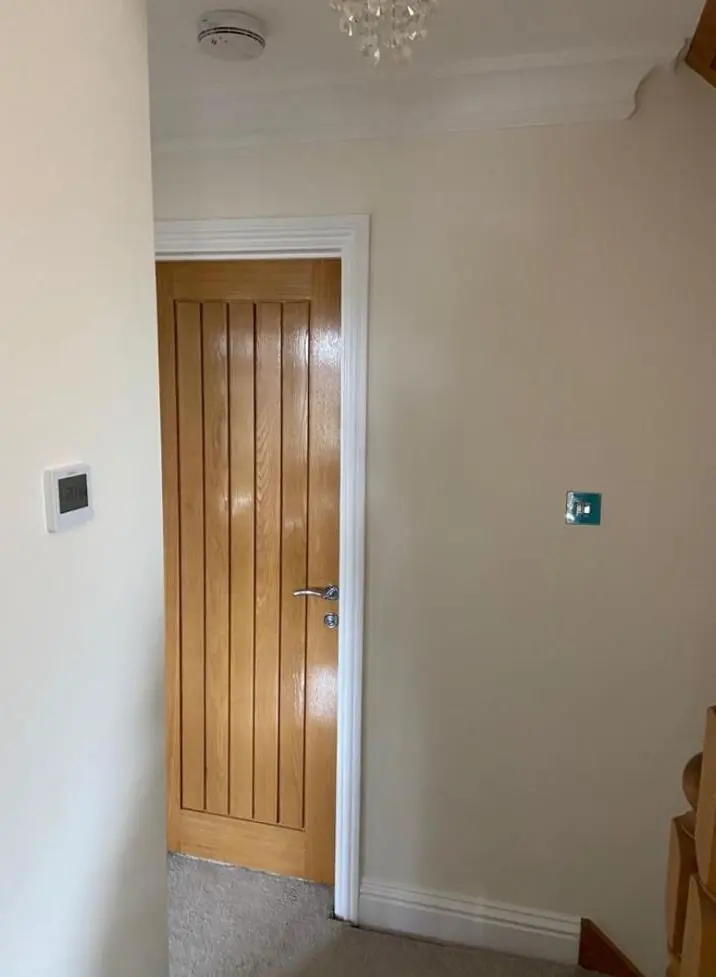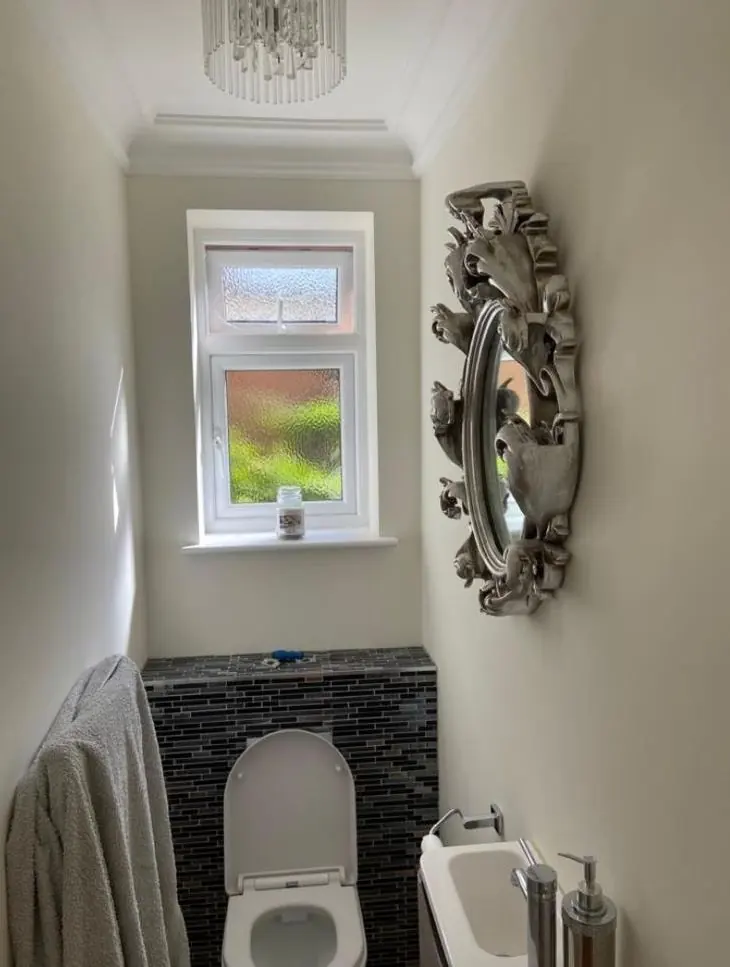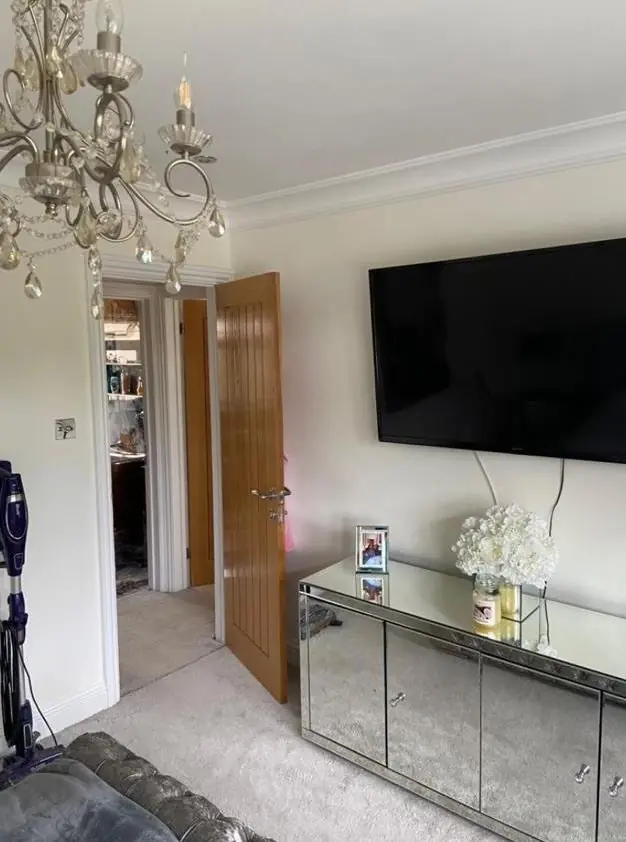
DH Painter & Decorator paints walls, ceilings and woodwork inside homes across Pattishall parish, about 6.5 miles south-west of Northampton off the A5. Dean handles straightforward repaints in the 20th-century houses and slower, breathable work in the listed limestone and ironstone houses with old beams.
Up the hill or down it: two very different jobs
Pattishall splits neatly by height. The 20th-century housing sits on the higher ground, and the older village lies down the hill below it. The same request, “can you paint the lounge and the landing?”, means quite different work depending on which part of the slope the house is on.
In the post-war houses the ceilings are flat and the rooms are regular. That is ordinary repaint territory: fill the cracks, sand back, cut in and roll two coats of a washable emulsion. Down the hill, and out in Eastcote and Astcote, many houses are coursed limestone rubble with ironstone dressings, some dating from the 1600s. Kirkholme on Church Street carries the date 1648. Walls in houses like these are often uneven, rooms can run into attics, and the paint has to let the walls breathe.
Beams, bressumers and the paint that suits old stone
Inside, the listed houses have the timber the listings single out: spine beams, chamfered beams and bressumers over fireplaces. Old timber like that should not be sealed under a glossy modern coating, and the plaster around it should not be wrapped in vinyl emulsion. Solid rubble walls carry moisture, and a plastic paint film traps it, so you get flaking and staining a year or two later.
For these rooms Dean uses breathable mineral or clay-based emulsions, or limewash where that is what’s already on the walls. Any existing distemper needs to be identified before anything else goes on, because modern paint will not hold over it. Masking tape on old beams is used sparingly, since it can lift surface fibres and old finishes. Where a house is one of the parish’s 22 listed entries, check with West Northamptonshire Council before any change that alters the historic fabric, such as stripping a beam or replacing old plaster.
What a repaint looks like in the newer houses
The houses on the higher ground get a different conversation. Rooms there have usually been painted many times, so the work is about bringing tired surfaces back rather than protecting historic ones:
- kitchen and bathroom walls that need a moisture-resistant finish after years of steam
- hallways and landings scuffed by school bags and boots, given a harder-wearing emulsion
- ceilings with hairline cracks along the board joints, filled and lined where needed
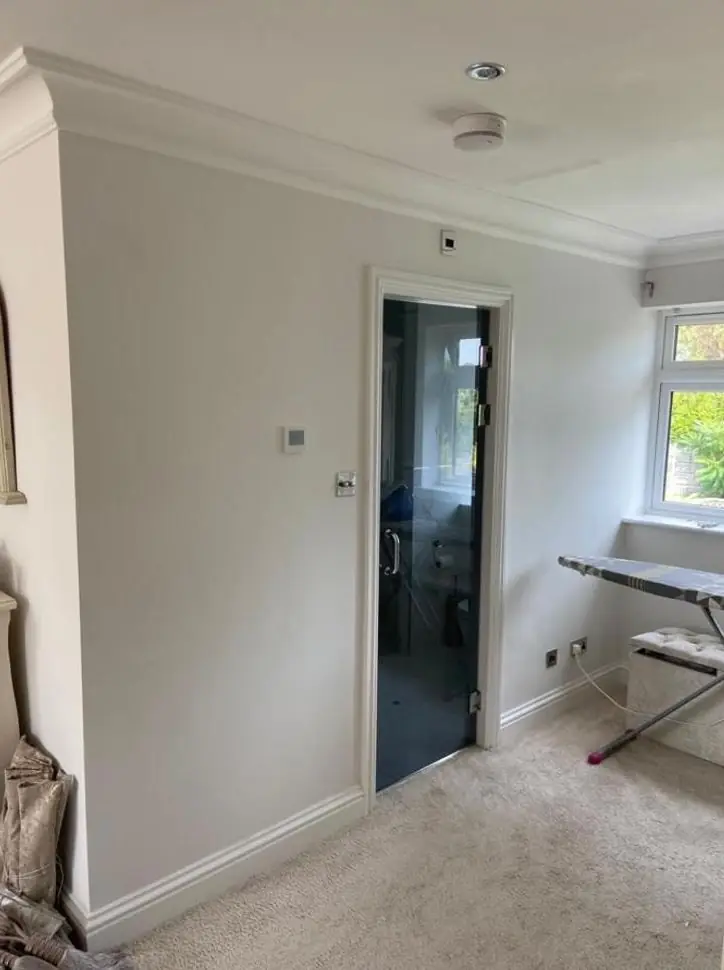
- doors, skirtings and window boards moved from yellowed oil gloss to a water-based satin
- extensions and loft rooms where new plaster needs a mist coat first
These jobs move quickly because the surfaces are predictable. We plan them room by room so a family can keep using the house while we work. How the finish is built up is covered on our main interior painting page.
Getting dust sheets into a listed cottage
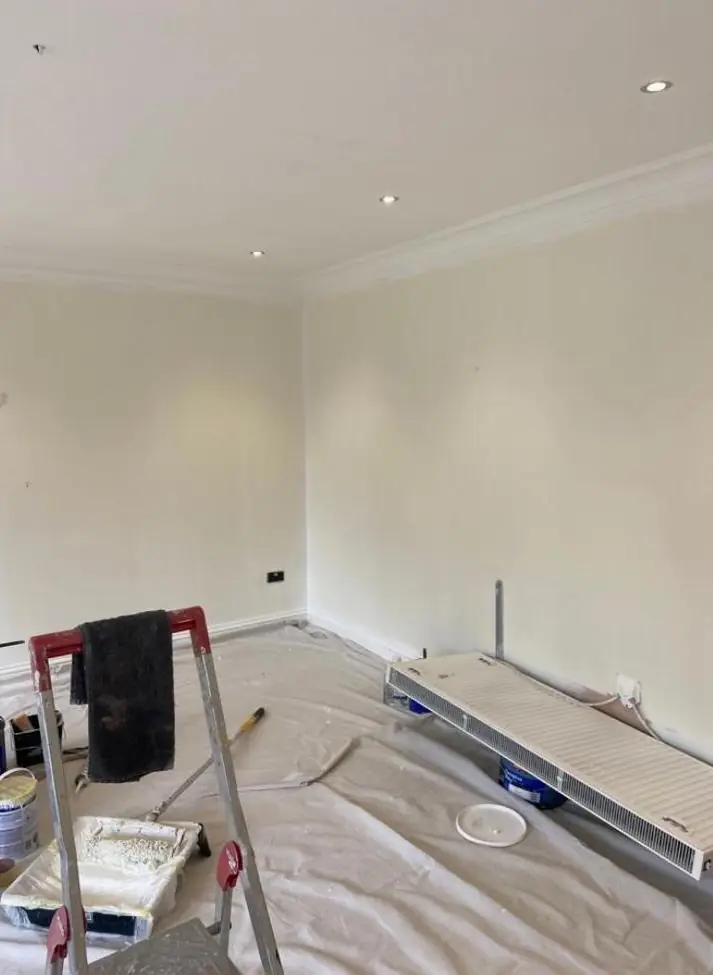
Interior work still depends on the street outside. The listed cottages that front Church Street, Gayton Road and the High Street in Astcote often leave little space for a van, so we work out where the van can sit without blocking a lane before the first day, and we bring in dust sheets and ladders by hand where there is no space outside.
We cover the whole parish from our Northampton base, roughly 6.5 miles away, on the Towcester side of the county town. For more on the parish’s housing and other services, see our Pattishall area page. For what affects the cost of a room or a whole house, the painter and decorator cost guide explains what moves the number.
Last updated by Dean, DH Painter & Decorator.