DH Painter & Decorator covers Pattishall parish from our Northampton base, about 6.5 miles south-west of the town centre beside the A5. Dean, with over 30 years in the trade, decorates both the listed stone houses of Pattishall, Eastcote and Astcote and the post-war homes on the higher ground, inside and out.
A parish of six settlements
Pattishall is more than one village. The civil parish sits beside Watling Street, the Roman road now numbered the A5, and Banbury Lane, an ancient drove way, about 4 miles north of Towcester. It takes in Pattishall itself, Eastcote, Astcote and Dalscote, part of Fosters Booth on the A5, and the hamlet of Cornhill. The population was 1,471 at the 2011 census.
For decorating, the split that matters most is age. Pattishall village has 20th-century housing on the higher ground and an older part down the hill. Eastcote and Astcote add their own listed stone houses, farmhouses and the parish pub. The parish has 22 listed entries, from the Grade II* church to farmhouses, a pub, chest tombs in the churchyard and the coach house, stable block and barn that survive from the former Eastcote House. That house was a First World War prisoner-of-war camp, holding about 4,500 German men by 1919, before it was demolished around the middle of the 20th century.
When you ask for a quote, tell us which settlement you are in. It changes the parking, the access and often the kind of house we will be working on.
Limestone, ironstone and the 1600s
The oldest houses in the parish are two-storey stone houses and former farmhouses, some with attics. Walls are coursed squared limestone or limestone rubble with ironstone dressings and quoins, under plain-tile or slate roofs with stone-coped gables and brick or stone chimney stacks. Windows are timber casements under wood lintels, a few of them leaded, or stone mullions. Several carry 17th-century dates: Kirkholme on Church Street is dated 1648, and Cromwell House on Astcote High Street is mid to late 17th century.
These houses set the rules for most of the painting we would do on them:
- The stone stays bare. Limestone rubble and squared ironstone should not be coated with plastic masonry paint, which traps moisture in the wall. Where a finish is wanted, it should be limewash or a breathable mineral paint.
- Ironstone is masked, not painted. The brown ironstone quoins and dressings give these houses their two-tone look. When the casements beside them are painted, the stone is protected.
- Joinery is prepared by hand. Timber casements, especially leaded ones, need careful scraping and sanding and a microporous or linseed-type paint, brushed rather than sprayed.
- Inside, the walls breathe too. Listing descriptions record spine beams, chamfered beams and bressumers. Old timber and old plaster need breathable finishes, not vinyl emulsion.
Our exterior painting service covers the joinery side of this, and interior painting covers the walls, ceilings and beams.
Farmhouses, inns and the house at Fosters Booth
The 18th and 19th centuries added stone farmhouses and inns, mostly coursed limestone rubble with ironstone quoins and slate roofs, some of which replaced thatch. Typical joinery is three-light timber casements and part-glazed panelled doors. On Gayton Road in Eastcote, the Manor at No. 11 is a former farmhouse of this type, and the Eastcote Arms, formerly the Rose and Crown, is a mid-18th-century limestone pub.
Fosters Booth has the parish’s most unusual building: a 17th-century house of squared ironstone, remodelled in the early 19th century, with a hipped slate roof, canted bays, rendered sides and pargetting of a huntsman, hounds and a hare on one side elevation. It is listed as Peggottys Restaurant. The rendered walls need breathable masonry finishes, the pargetting needs gentle hand cleaning and thin coats so the relief is not lost, and because it fronts the A5, traffic grime means washing down and shorter maintenance cycles than a cottage set back from the road. Rendered and masonry work is covered on our render and masonry painting page.
The post-war houses on the higher ground
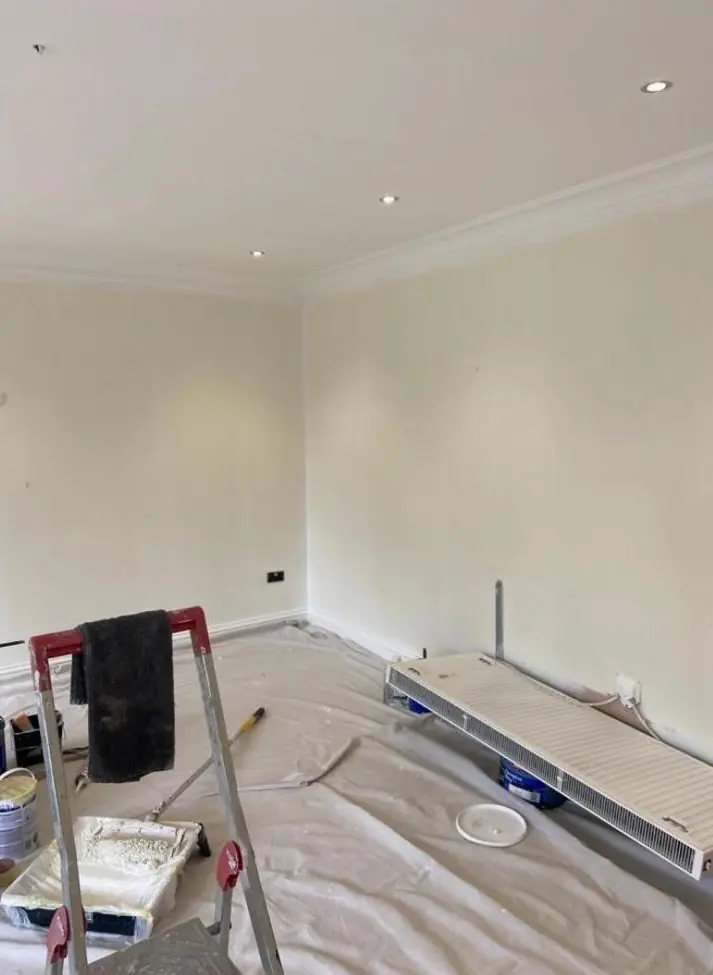
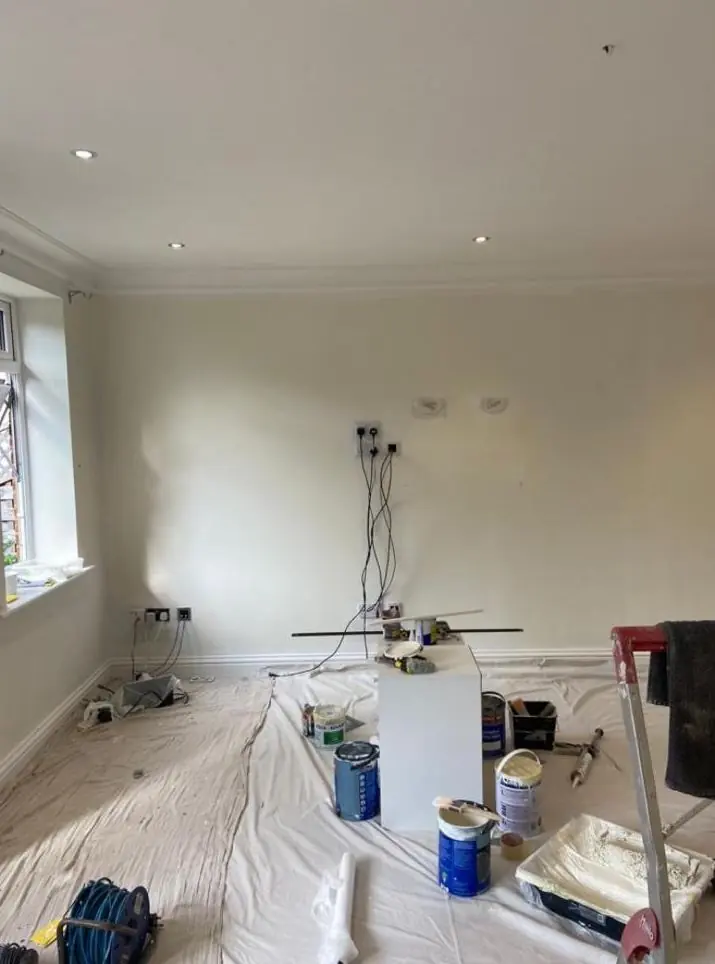
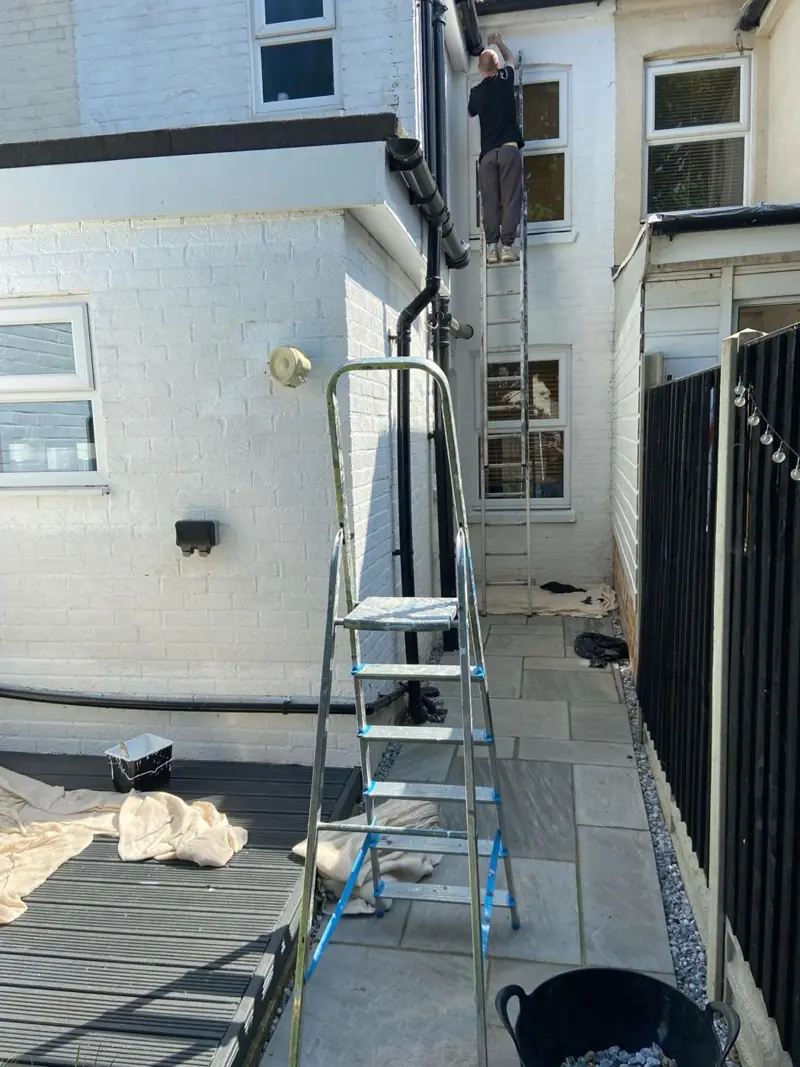
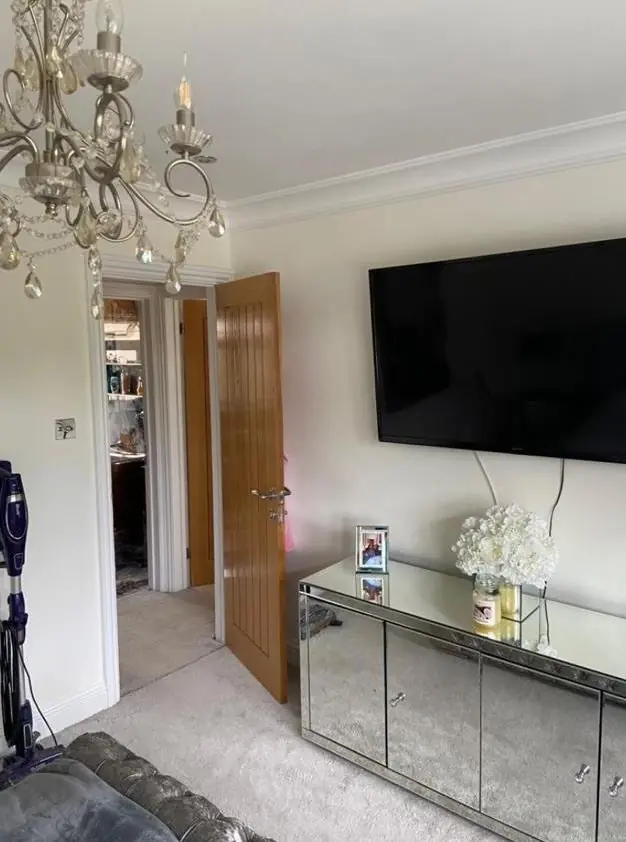
Above the old village, the 20th-century houses make up most of the everyday decorating in Pattishall: interior repaints, kitchens and bathrooms, hallways and landings, fascias and soffits, and garden fences. These are regular rooms with plastered walls, so the work is quicker and more predictable than in the stone houses. Extensions and loft rooms built onto them need a mist coat on new plaster before any colour goes on.
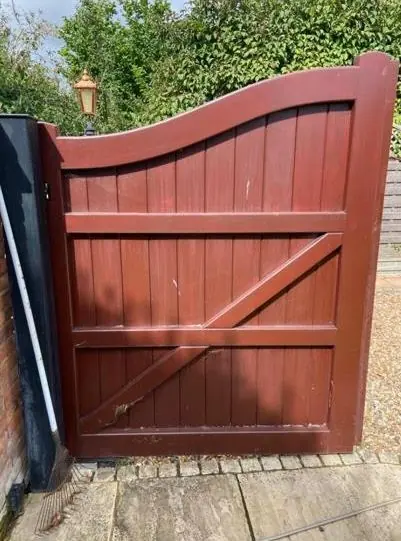
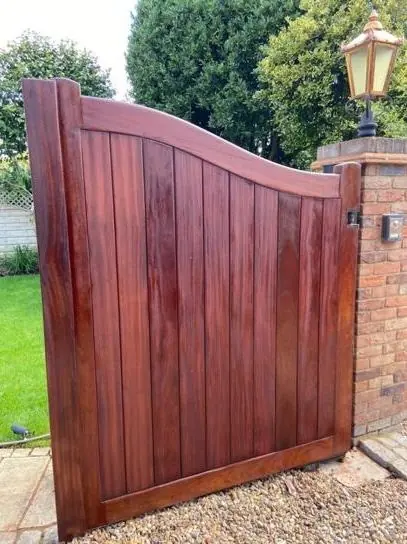
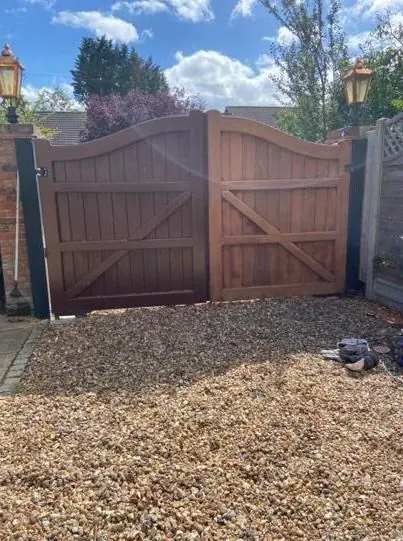
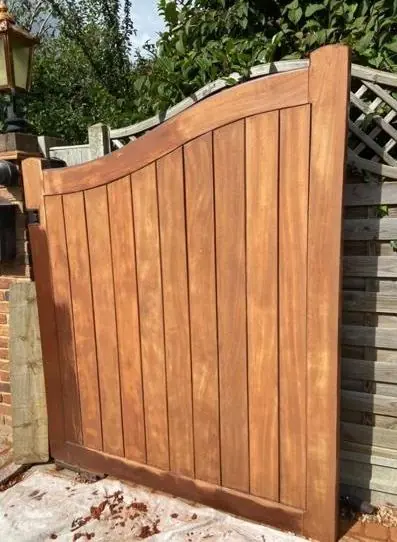
The setting matters for the outside. Pattishall is hilly and open, and exposed elevations wear out exterior woodwork and fascias faster than in a sheltered town street. Timber barge boards and eaves under slate and tile roofs, on the old houses and the newer ones, are worth checking every few years. Our fascia and soffit painting page explains what that involves. Village and farm-edge gardens also tend to have timber fences and field-style gates that need regular staining.
Listed consent, and the freedom you have without it
West Northamptonshire Council’s conservation area appraisals list (checked October 2026) has no entry for any of the parish’s settlements. For an unlisted house, that means normal permitted development: you can choose your exterior colours freely.
The 22 listed entries are a different matter. On those, changing an external colour or finish, or altering historic fabric inside, may need listed building consent. Repainting like for like is generally treated as maintenance. If in doubt, check with the council before we start. Dean can help with colour choices that suit limestone and ironstone through our colour and finish advice.
Commercial work in a parish without shops
We have found no record of shops or business parks in the parish. Commercial decorating here means hospitality and leisure premises: the listed Eastcote Arms on Gayton Road, the listed former restaurant building on the A5 at Fosters Booth, and Cornhill Squash Club at Cornhill Manor. Work on premises like these is planned around opening hours and, for listed buildings, around consent. See our commercial painting page.
Getting to you
Older listed cottages front village streets such as Church Street, Gayton Road and Astcote High Street, often with little room outside for a van and ladders. Roadside elevations at Fosters Booth need care around A5 traffic. We plan access and parking separately for each settlement before work begins. We cover the whole parish from Northampton, about 6.5 miles south-west, and we are fully insured. For an idea of what affects the price of a job, see the painter and decorator cost guide, or call Dean on 07539 779 036 for a free quote.
Last updated by Dean, DH Painter & Decorator.