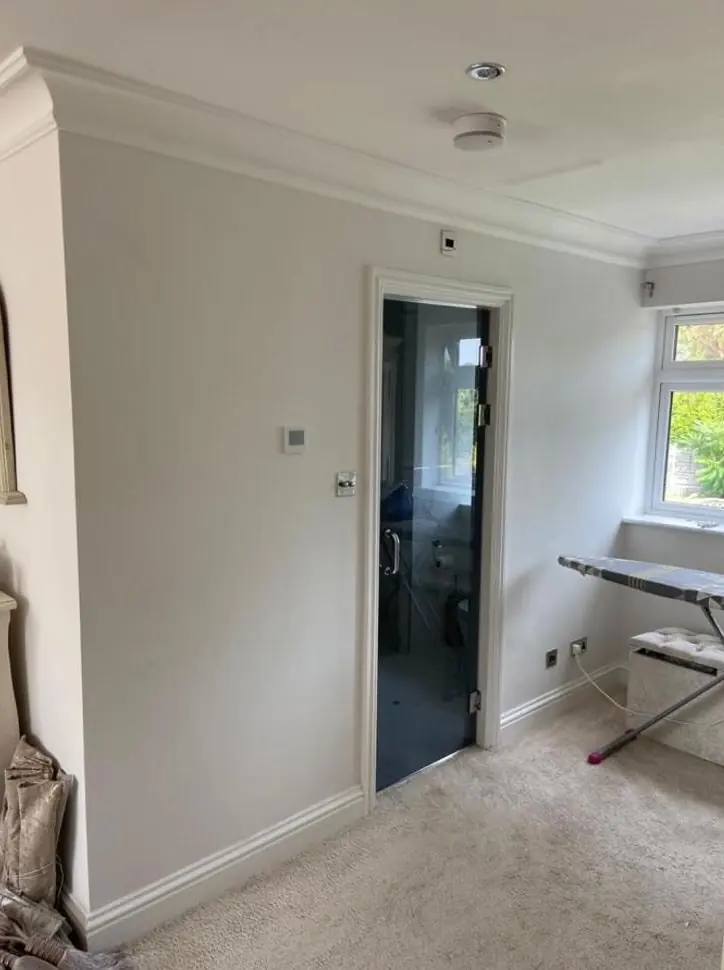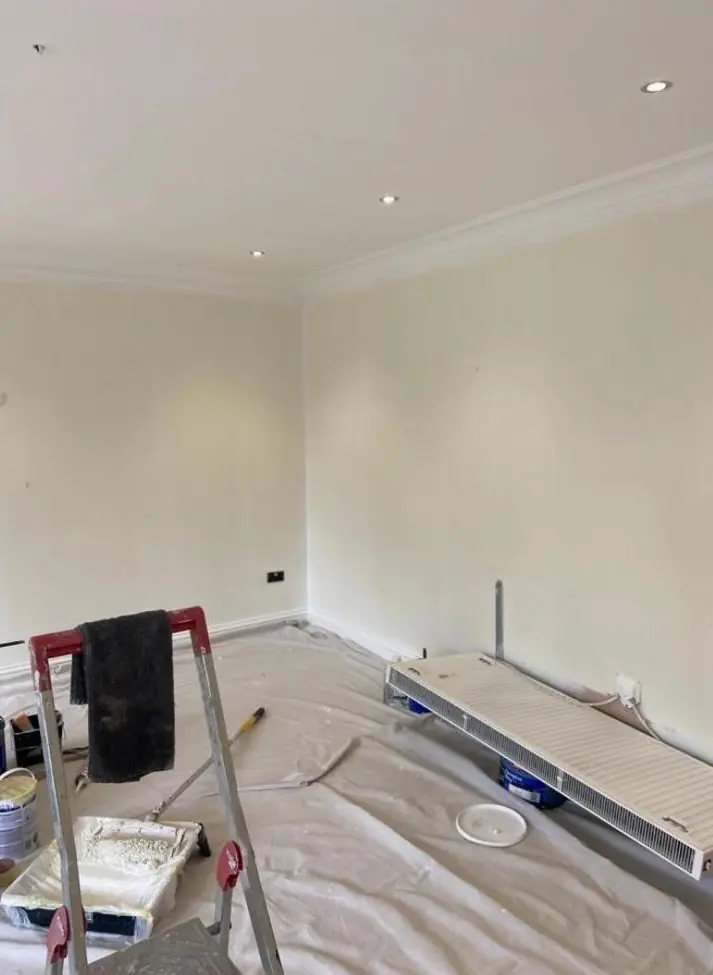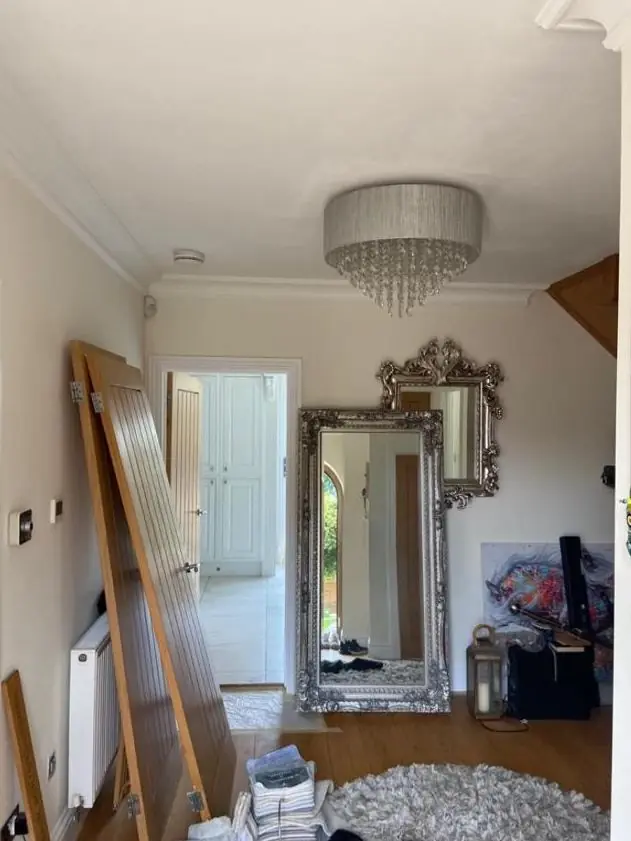
Dean paints interiors in Rothersthorpe, a village in the NN7 postcode about 3.4 miles south-west of Northampton town centre. Old ironstone houses on Church Street and North Street usually need breathable paints over lime plaster, while the 20th-century homes on Banbury Lane and Kislingbury Road take standard emulsion and trim paints.
Two very different sets of rooms in one small village
Rothersthorpe is reached by Banbury Lane and the minor roads from Kislingbury and Milton Malsor, and its houses split cleanly in two. Along Church Street and North Street stand 17th- and 18th-century ironstone farmhouses and cottages, with some 19th-century red brick among them. Around that core, on Banbury Lane, Kislingbury Road and the estate roads off North Street, are 20th-century houses and later builds such as the St John’s Farm redevelopment. Painting the inside of one of each is close to two separate jobs, so the first question on any quote is which you have.
| House type | Typical walls | What it means for the paint |
|---|---|---|
| Ironstone farmhouse or cottage | Solid stone, often lime plaster inside | Breathable finishes that let moisture out |
| 19th-century red brick cottage | Solid brick, plaster of mixed ages | Test each wall before choosing a system |
| 20th-century infill or estate house | Gypsum plaster and plasterboard | Standard emulsion and trim paints |
Lime plaster over solid ironstone
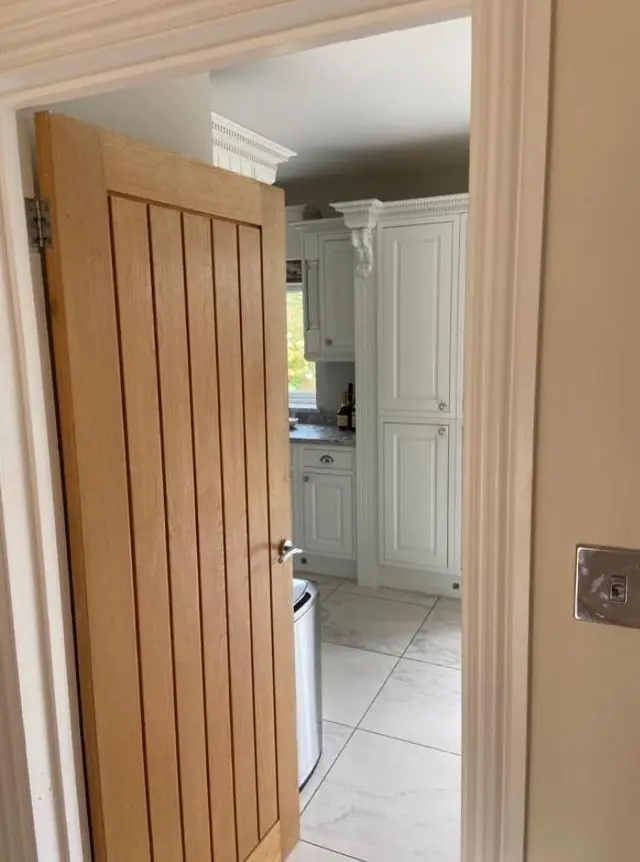
The older houses are built of coursed squared ironstone, the stone that caps the clay beneath the village. Walls like that have no cavity. Damp moves into them and back out, and lime plaster on the room side lets it escape. A modern vinyl emulsion forms a skin over the plaster, and on lime that often ends in blistering, flaking or a damp patch that returns to the same corner every winter. In these rooms we use breathable finishes: mineral or clay-based paints, or a soft distemper where the wall already carries one. Before choosing, Dean checks what is on the wall now, because decades of redecoration usually leave a mix of old distemper and newer plastic paint, and coating over the wrong layer is what makes paint peel off in sheets.
The appraisal of the conservation area describes narrow building depths, so cottage rooms are small and the solid walls give deep window reveals. Where stone mullion windows with leaded lights survive, they admit less light than a modern casement, and that affects how colours read on the far wall. Uneven walls are part of these houses. We fill cracks and make good any loose patches, but we do not try to force an old lime wall flat.
Listed rooms on Church Street and North Street
About ten buildings in the parish are listed, including Manor House at 1 North Street, Poplars House, Church Farmhouse at 33 Church Street and Studleigh Cottage at 20 Church Street. Listed building consent covers interiors as well as outside walls, so removing old plaster, stripping original joinery or changing the character of a historic room can need permission from West Northamptonshire Council. Like-for-like redecoration in a breathable finish is usually treated as maintenance, but if you are unsure, check with the council before work is booked. Original doors, moulded surrounds and old boarded joinery are cleaned and keyed by hand rather than sanded back to bare timber.
The newer homes outside the old core
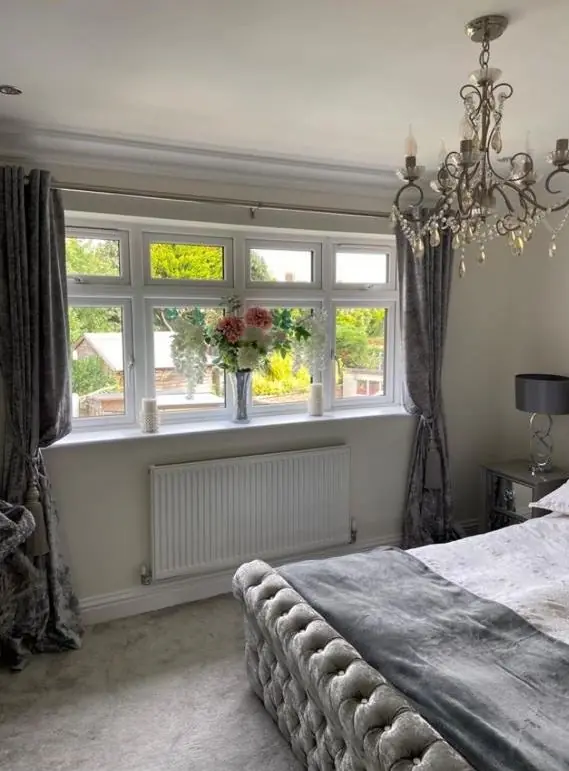
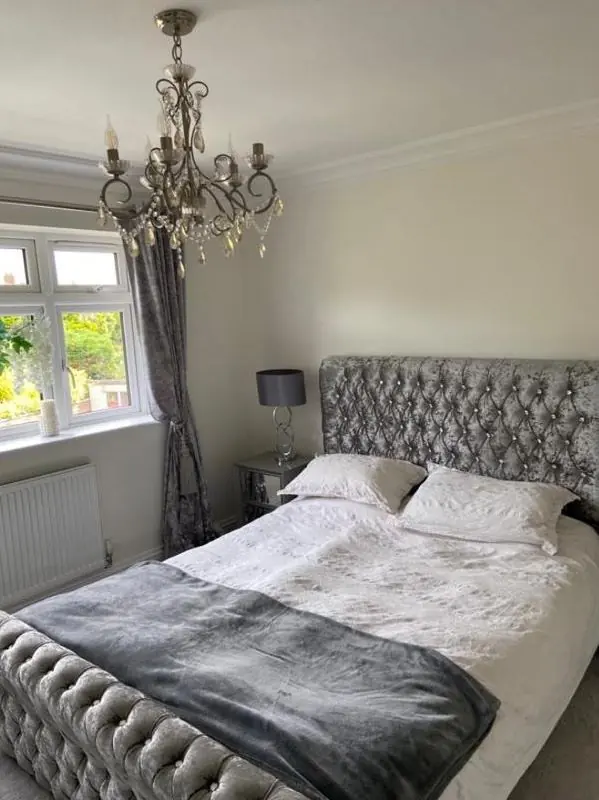
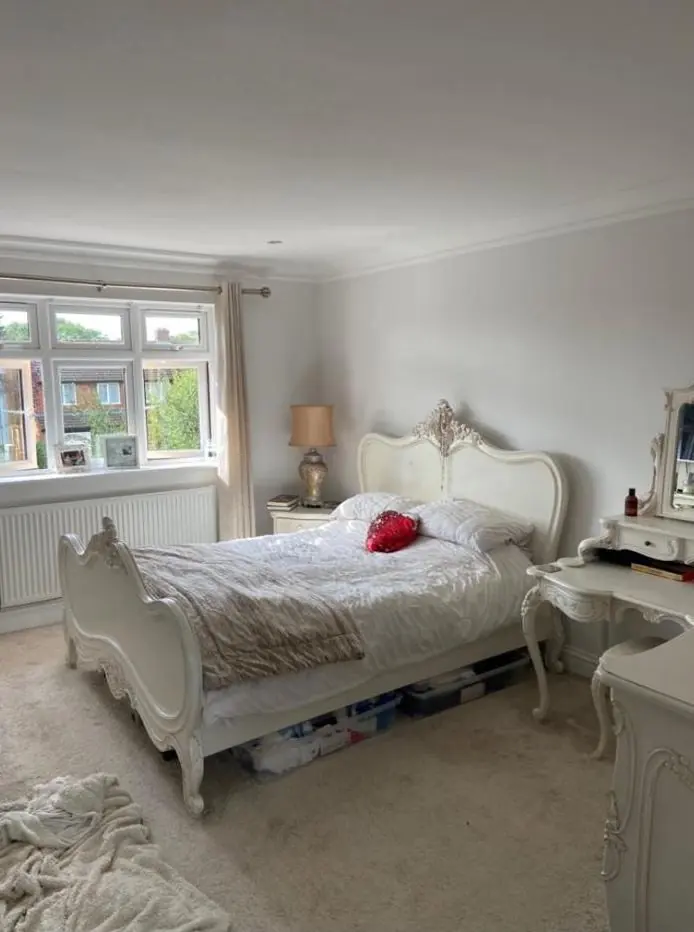
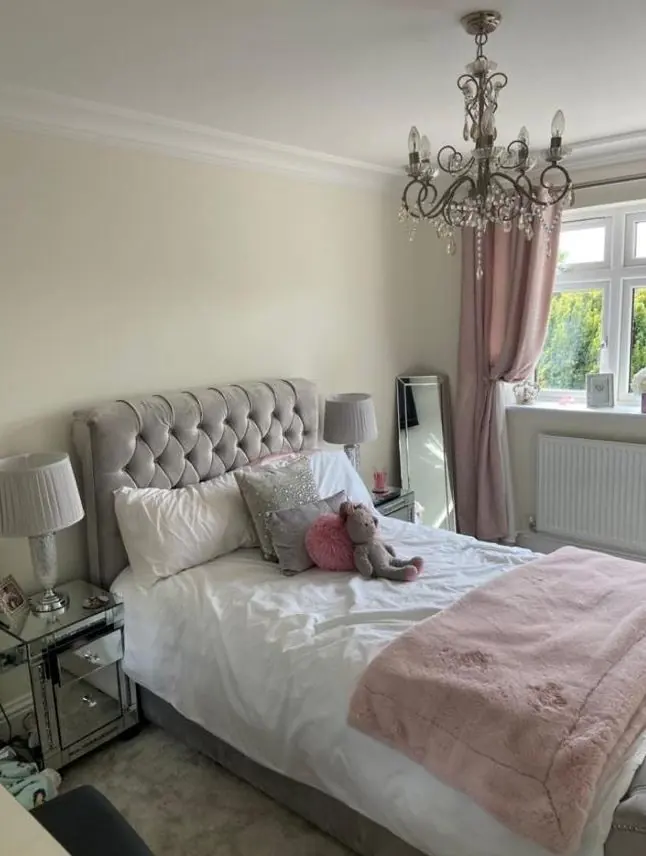
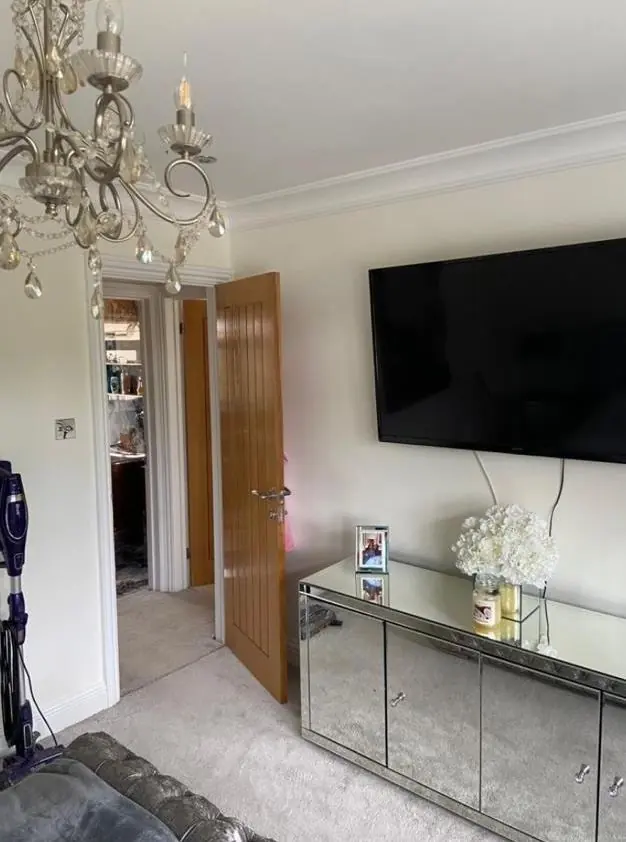
Houses set back from the road on Banbury Lane, Kislingbury Road and the estates off North Street are plain gypsum plaster and plasterboard, with softwood or MDF trim. Interior work there follows our usual process, set out on the main interior painting page, including mist coats on new plaster in an extension. One local point is light: rooms on the rural eastern edge of the village look out over hedges and fields, and that green reflected light can pull pale greys towards green, so we test samples on the wall first.
Getting tools in where the street meets the front door
Church Street and North Street meander, and many older buildings stand right on the road edge, with narrow plots near the church. For interior work that mostly decides where the van can stop and how sheets, steps and tins come in through a front door that opens straight onto the street. We agree that with you before the start date. Other services we offer in the village are listed on our Rothersthorpe area page.
Last updated by Dean, DH Painter & Decorator.