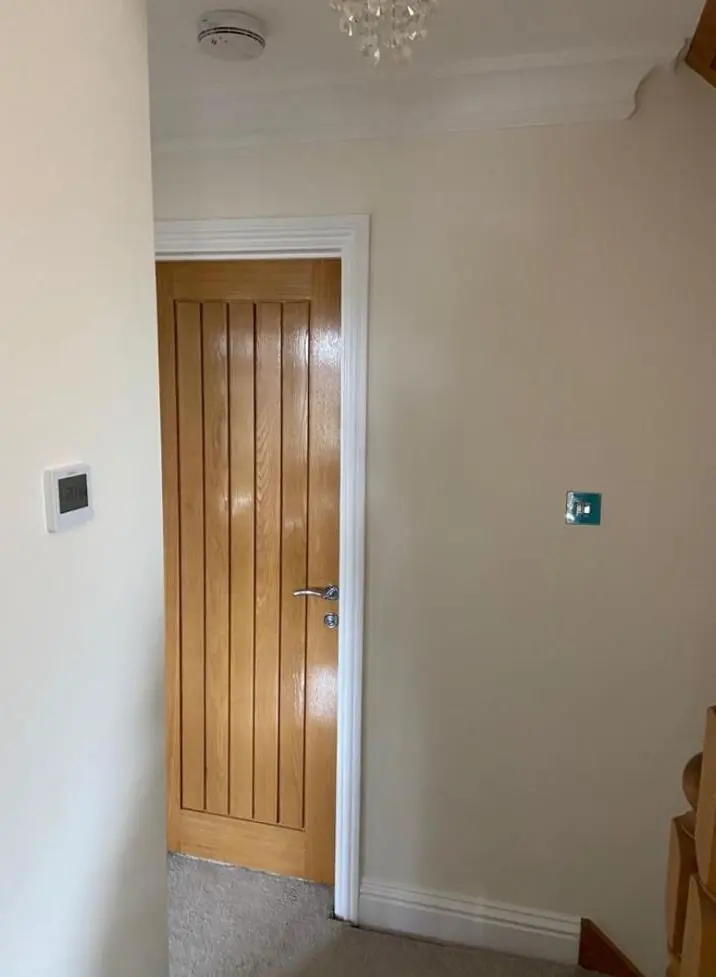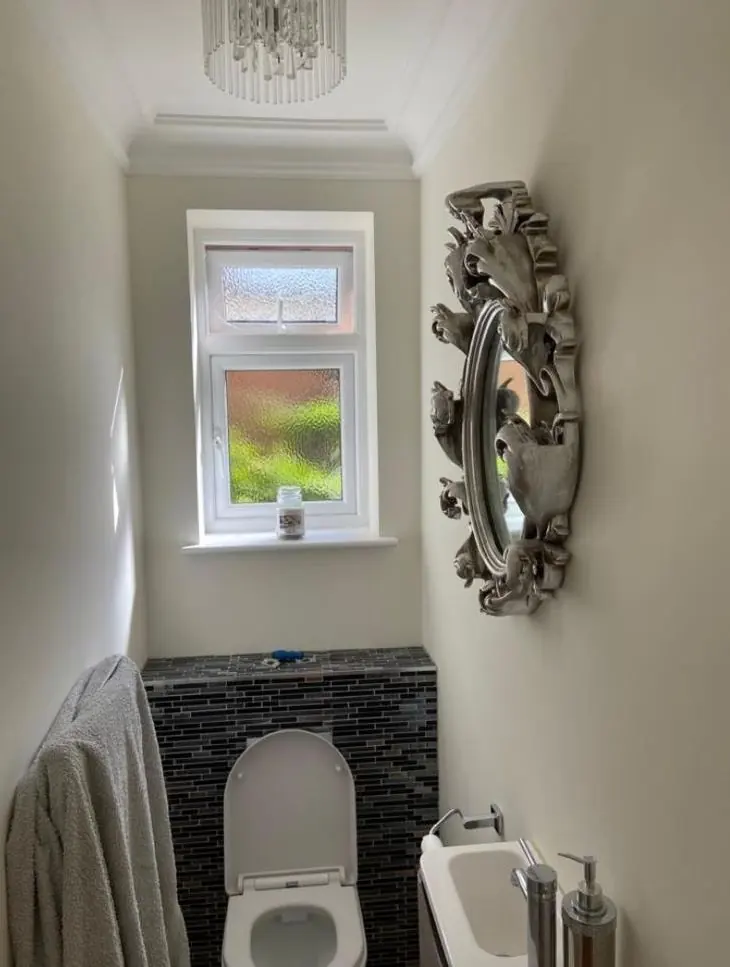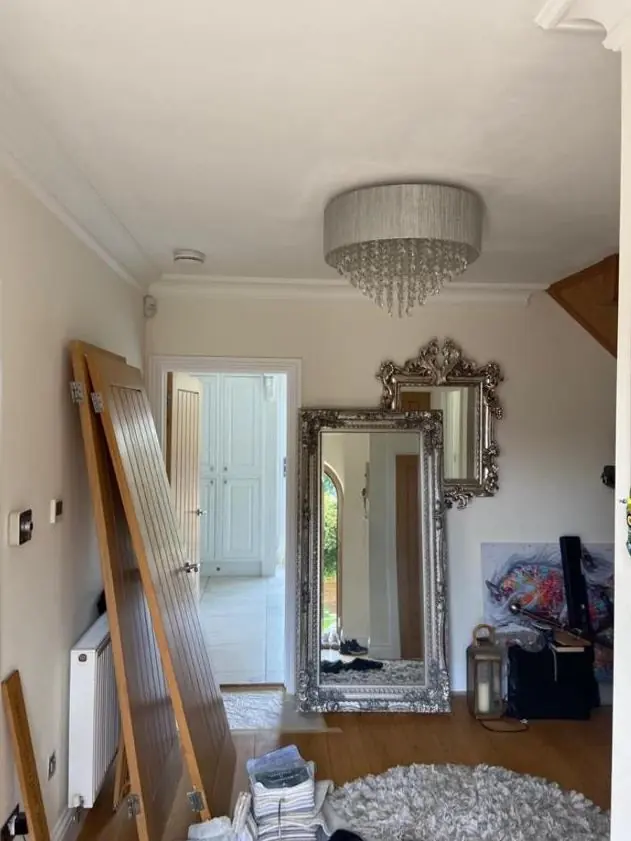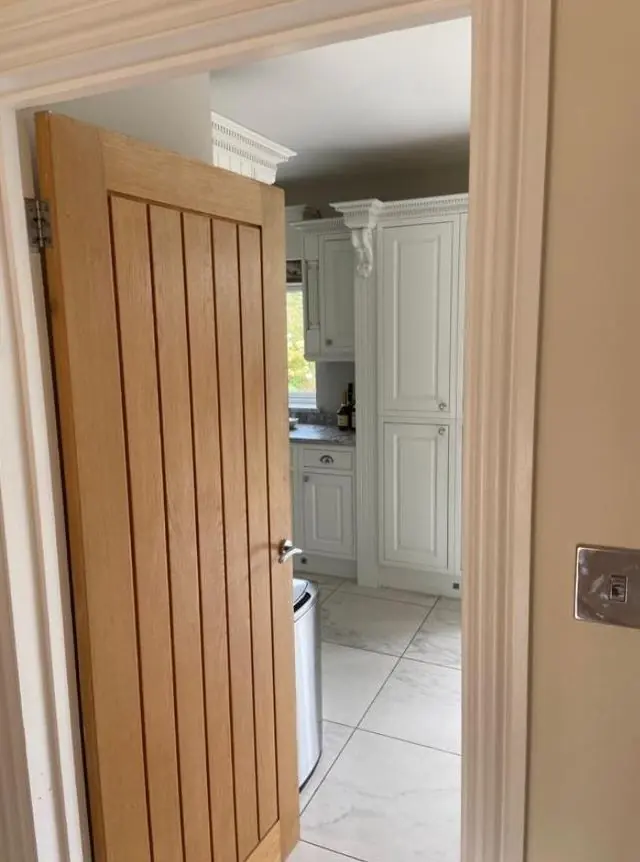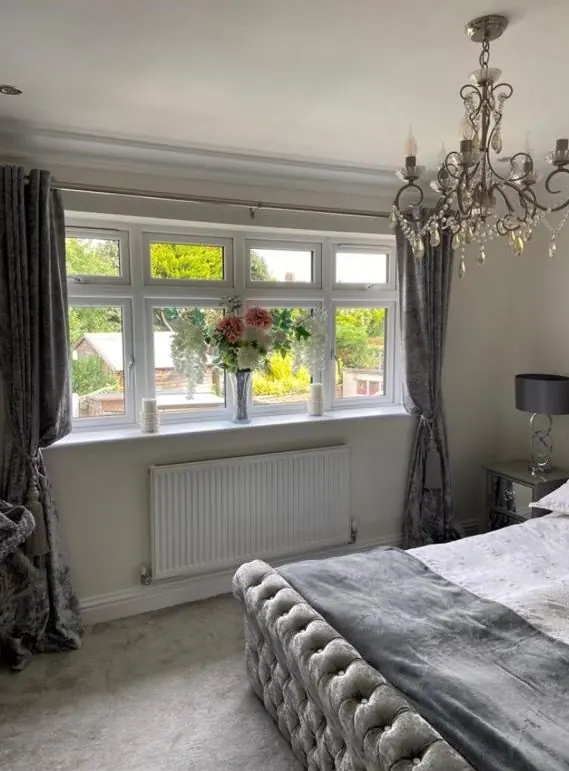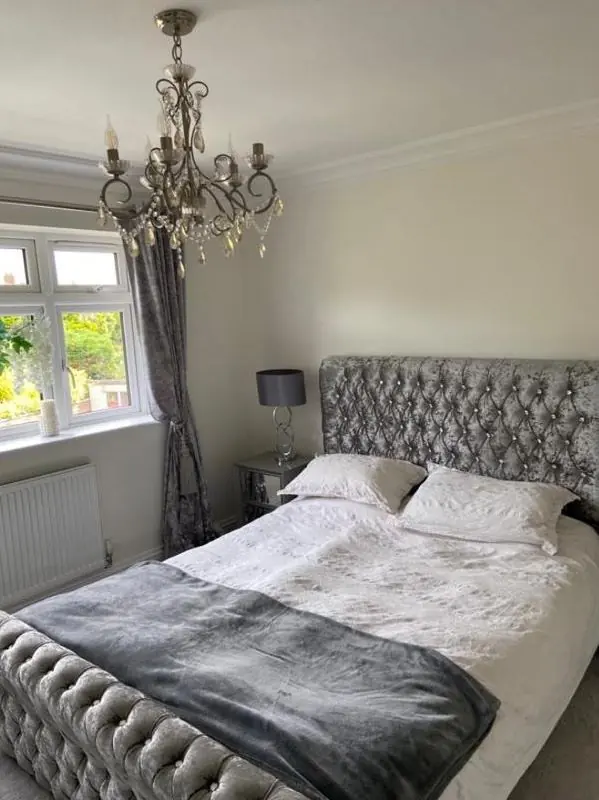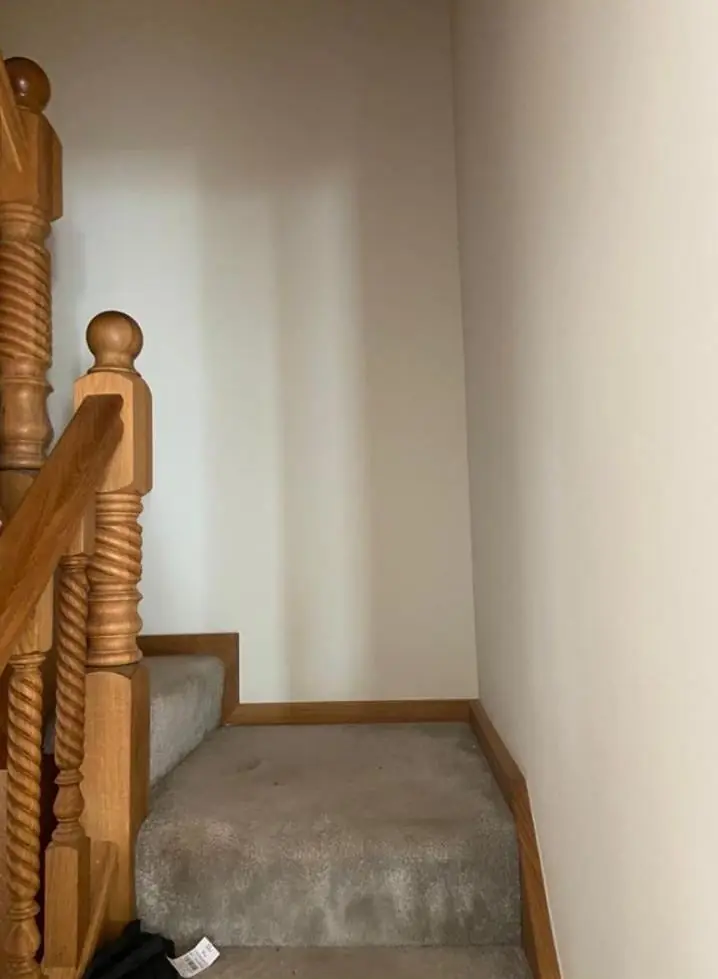
DH Painter & Decorator paints interiors across Paulerspury, the NN12 village about 9.8 miles south of Northampton town centre. Dean, who has over 30 years in the trade, matches the paint system to the wall: breathable finishes on solid stone and lime plaster, standard systems where modern plasterboard has gone in.
Two kinds of room under one parish name
Painting the inside of a house in Paulerspury usually means one of two very different jobs. The first is the 18th-century cottage or farmhouse: coursed limestone rubble walls, small 2- and 3-light timber casements set under timber lintels, and ceilings low enough that a stepladder is often all you need. Listed examples sit along Lumber Lane, Lower Street, High Street and Careys Road at Pury End, and out at Heathencote. The second is the taller, better-lit room of the early 19th century, found in houses like The Former Rectory with its 12-pane sashes and The Hunt House of around 1840, where the walls are higher and the joinery is more formal.
Each needs its own plan. A low cottage room takes most of its time in preparation and cutting in around beams, deep window reveals and uneven corners. A tall Georgian-style room takes access equipment, longer drying times between coats and a lot more attention to sash boxes and shutters.
Why the walls decide the paint
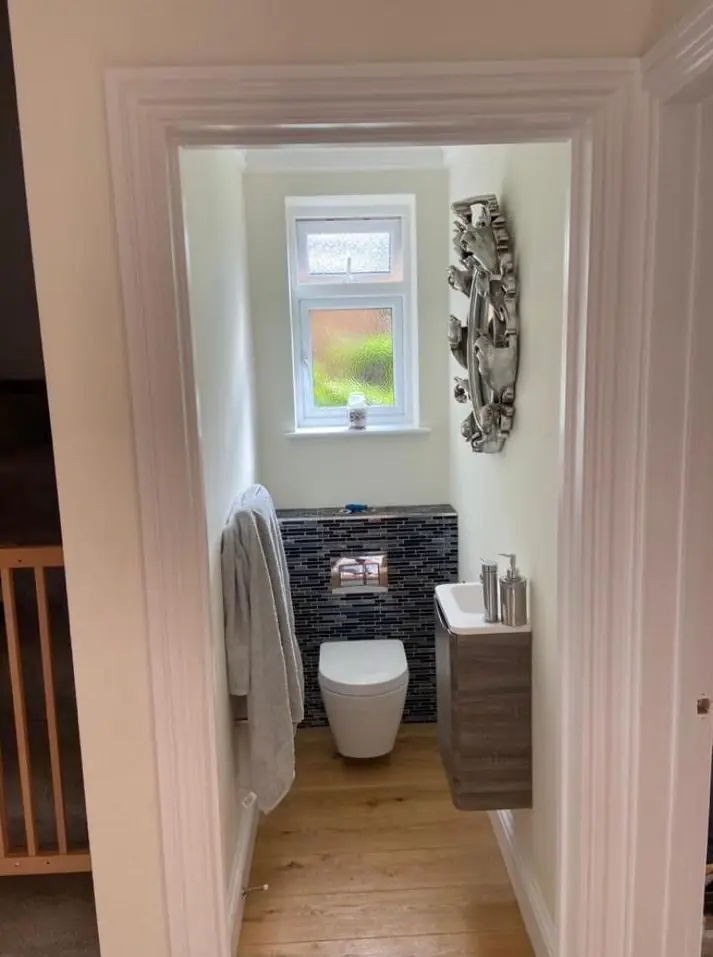
The village sits on limestone and Boulder Clay, and its older houses were built from solid stone with no cavity and no damp-proof course as we would know it now. Moisture moves through those walls and leaves at the inside face. Cover lime plaster with a plastic-rich vinyl emulsion and that moisture gets trapped, so you see blistering, flaking and salt bloom low down on ground-floor walls, often within a winter or two.
So before quoting, Dean checks what the walls are actually made of. On a cottage room that might mean:
- tapping and testing the plaster to find lime, gypsum patches and later skim coats sitting side by side
- looking for tide marks and powdery salts at skirting level, which call for breathable emulsion and salt-tolerant preparation rather than a quick coat of stain block
- checking for old distemper, which modern paint will not hold to until it has been washed off
- noting where a 20th-century extension or rendered brick raised wall meets the original stone, because the newer section may take a conventional emulsion while the old part needs a mineral or clay-based paint
The general method for walls, ceilings and woodwork is set out on our interior painting service page. What changes here is how much of each room falls into the breathable category.
Converted farmhouses: scale, beams and old plaster
Several farmhouses in the parish, among them Kirby, Manor, Old Home, Elm and Heathencote Farmhouses, are now homes. Rooms in these conversions tend to be large, with exposed beams, chimney breasts and plaster that has been patched over generations. Painting around beams is slow work. Every edge is cut in by hand, and the timber itself is often left bare or given a separate finish. Flat, chalky paints usually suit the plaster in these rooms far better than a mid-sheen, which picks up every ripple.
Listed interiors and what to ask first
Paulerspury has 23 listed entries, mostly Grade II houses and cottages. Listed status covers the inside of a building as well as the outside. Repainting in a like-for-like finish is normally routine, but stripping historic finishes, removing panelling or changing the character of a room may need listed building consent from West Northamptonshire Council. If your house is on the list, it is worth checking with the council before you settle on a plan, and we will work to whatever conditions apply.
Getting to you
The parish is spread across separate ends, from Pury End and Plumpton End to Tew’s End and the hamlets of Pury Hill and Heathencote, linked by narrow lanes and old hollow-ways. Interior jobs mean several days of the van coming and going, so on the site visit we agree where it can park without blocking a lane. More about the village and its buildings is on our Paulerspury area page, and the decorating cost guide explains what drives the price of a room.
Last updated by Dean, DH Painter & Decorator.