Painter & decorator covering Northampton and surrounding areas

Decorative Finishes in Paulerspury

Traditional decorative work for Paulerspury's period houses: limewash, soft flat paints, picked-out mouldings and graining on old joinery.

  • Over 30 years experience
  • Free quotes & advice
  • Fully insured & trained
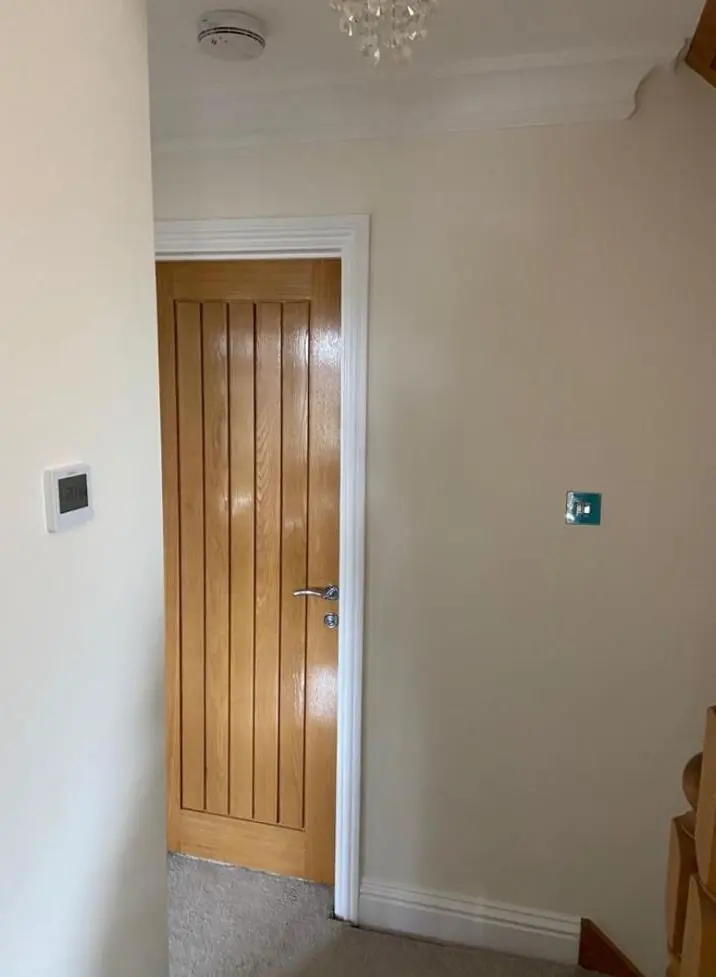
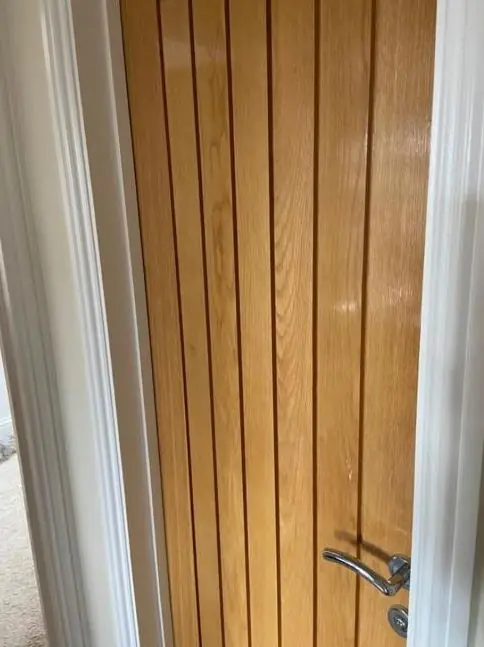
Close-up of an oak door with a lacquered finish beside white gloss architrave

DH Painter & Decorator provides decorative finishes in Paulerspury, about 9.8 miles south of Northampton town centre in NN12. In a parish of limestone cottages, converted farmhouses and early 19th-century houses, that mostly means traditional finishes such as limewash and flat chalky paints, plus careful detail work on period joinery.

What decorative work looks like in a village of limestone and thatch

In a newer town house, decorative finishes often means a feature wall or a modern paint effect. In Paulerspury the buildings ask for something older. The parish has 23 listed entries, including 18th-century stone cottages, thatched houses such as The Thatches on Park Lane, a run of farmhouses now used as homes, and early 19th-century houses such as The Hunt House and The Former Rectory. These are buildings where the right decorative finish is usually one with a long history of its own.

Limewash and soft flat paints
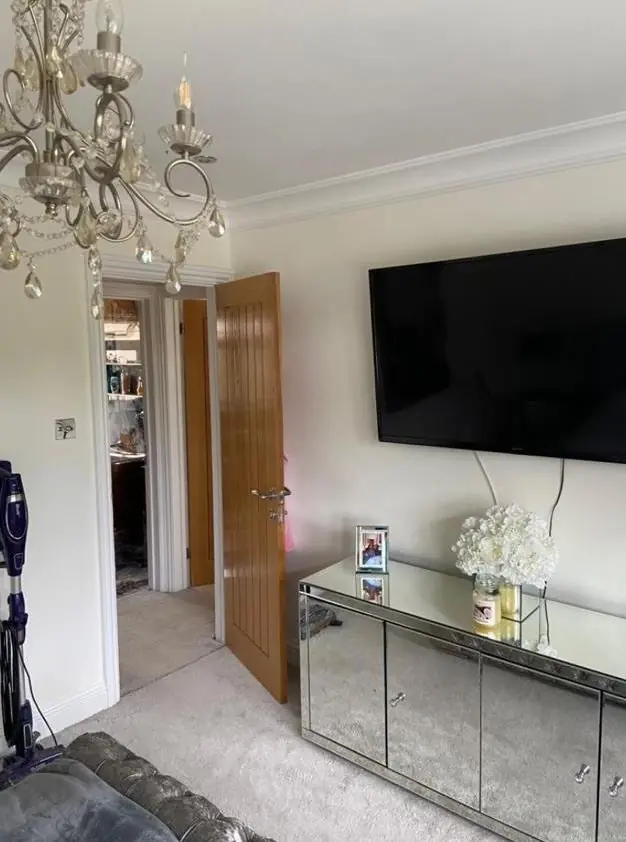
Living room around a wall-mounted TV, cream walls and white coving finished

Limewash is lime putty thinned with water, sometimes tinted with earth pigments, and built up in several very thin coats. On lime plaster and old stone it does two jobs. It lets the wall breathe, which matters on solid limestone walls over Boulder Clay where damp rises at the base, and it gives a soft, uneven, slightly translucent colour that changes with the light. It is a fitting finish for cottage rooms, cellars, outbuildings and the beamed rooms of converted farmhouses such as Kirby, Manor or Old Home Farmhouse.

Limewash has its demands. It needs a clean, absorbent surface, it will not go over modern acrylic paint, and it must be applied in damp conditions and kept from drying too fast. Where a wall has already had modern paint, a distemper-style flat paint or a mineral paint can give a similar chalky look without stripping back to bare plaster.

Detail on period joinery

The larger houses carry the most joinery worth picking out. 12-pane and 16-pane sashes, panelled doors, shutters and architraves suit an eggshell or traditional oil-based finish, sometimes with mouldings in a second shade. Work of this kind includes:

  • picking out panel mouldings on doors and shutters in a slightly deeper or lighter tone
  • lining-in skirting tops or dado rails where a room has them
  • woodgraining, the old technique of painting softwood to imitate oak or another hardwood, often found under later paint on doors in houses of this age
  • keeping glazing bars crisp and paint off the glass and out of sash runners

Graining is slow, hand-built work in a base coat and glaze, combed or brushed to form grain and then varnished. It is worth discussing on doors that would once have been grained, or where you want new joinery to match old.

Listed buildings and decorative changes
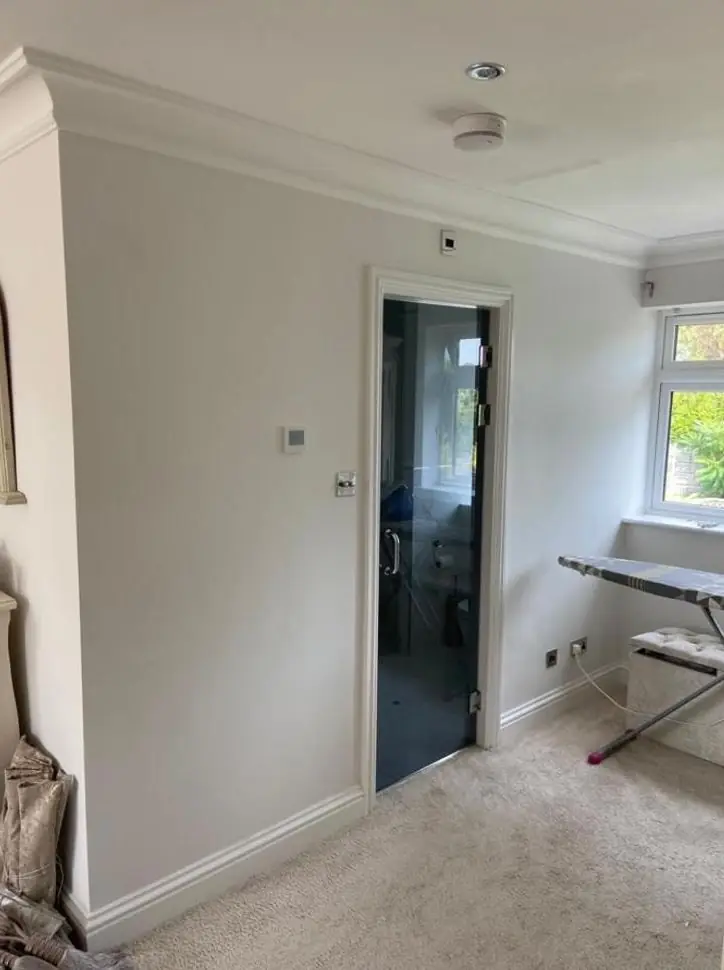
Room corner finished in pale grey-beige with white coving, skirting and door frame

On a listed building, consent may be needed for changes that alter its character, inside or out. Replacing limewash with a modern masonry paint, or stripping a historic finish to bare wood, are the sort of changes that can fall into that. Returning to a traditional finish that suits the building is usually easier to support, but it is still worth asking West Northamptonshire Council before any work begins. We are happy to work to any conditions they set.

Fire safety is another point particular to thatched cottages here. We never use heat guns or burners to strip paint on or near a thatched house. Old coatings are removed by hand or with chemical strippers instead.

Next steps

Because the village is spread across Pury End, Plumpton End, Tew’s End and Heathencote, Dean comes out to see the rooms first, tests existing coatings to see what they will accept, and gives a written quote. The main decorative finishes page covers feature walls and paint effects more widely, and our Paulerspury page sets out the building types across the parish.

Last updated by Dean, DH Painter & Decorator.
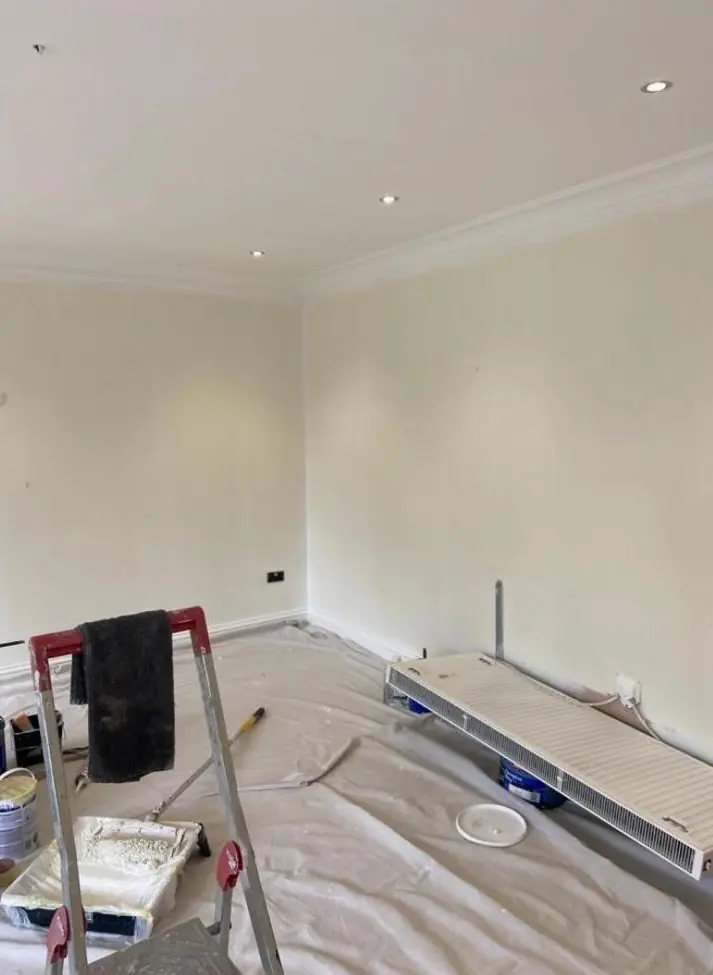
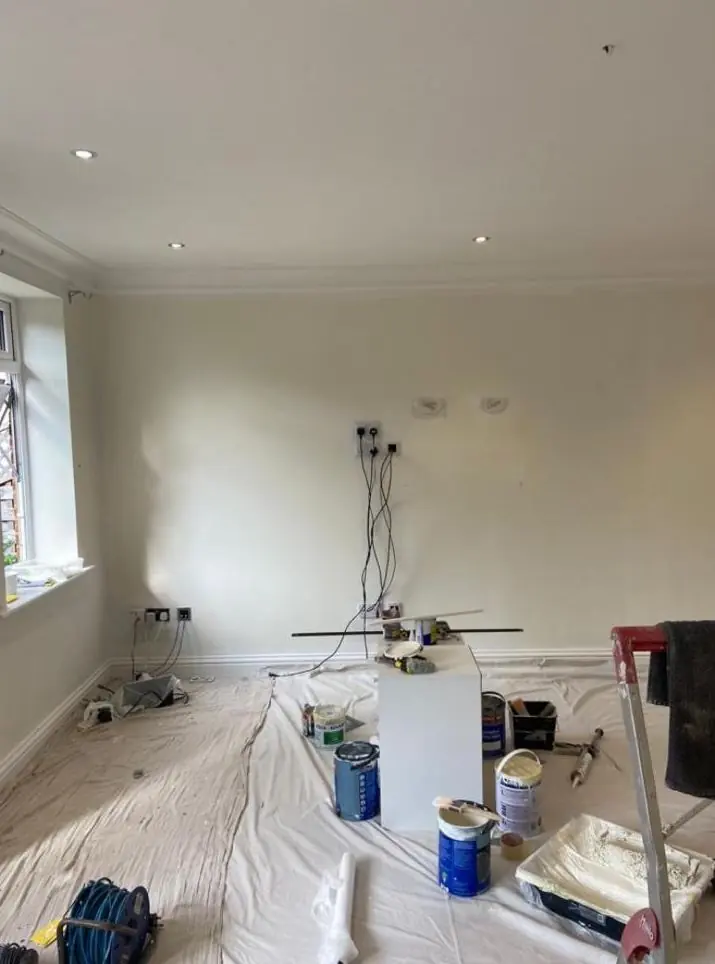
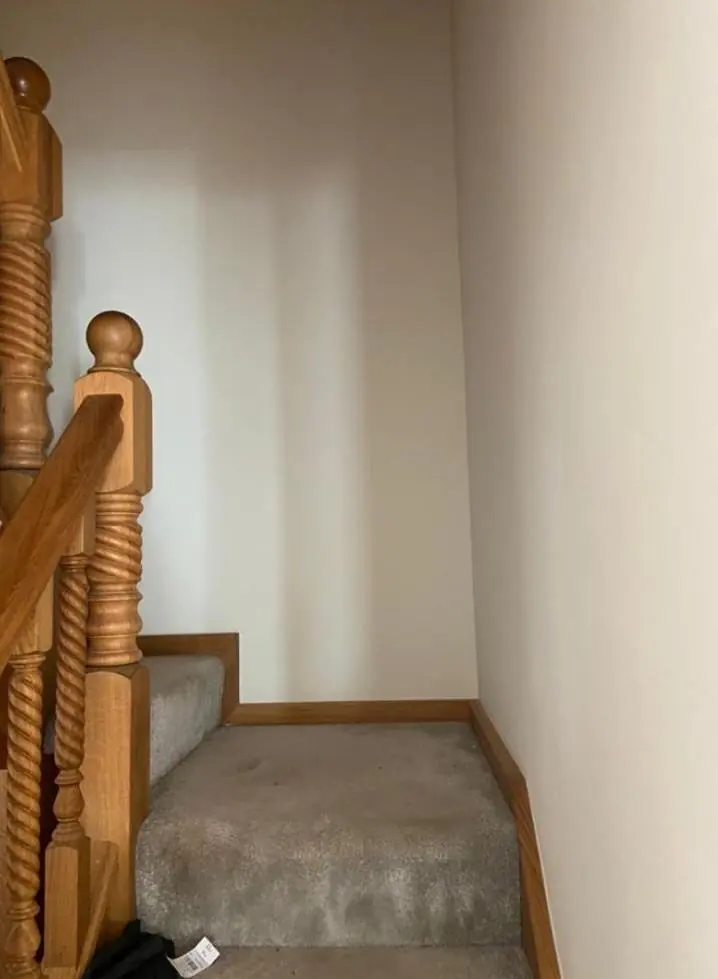
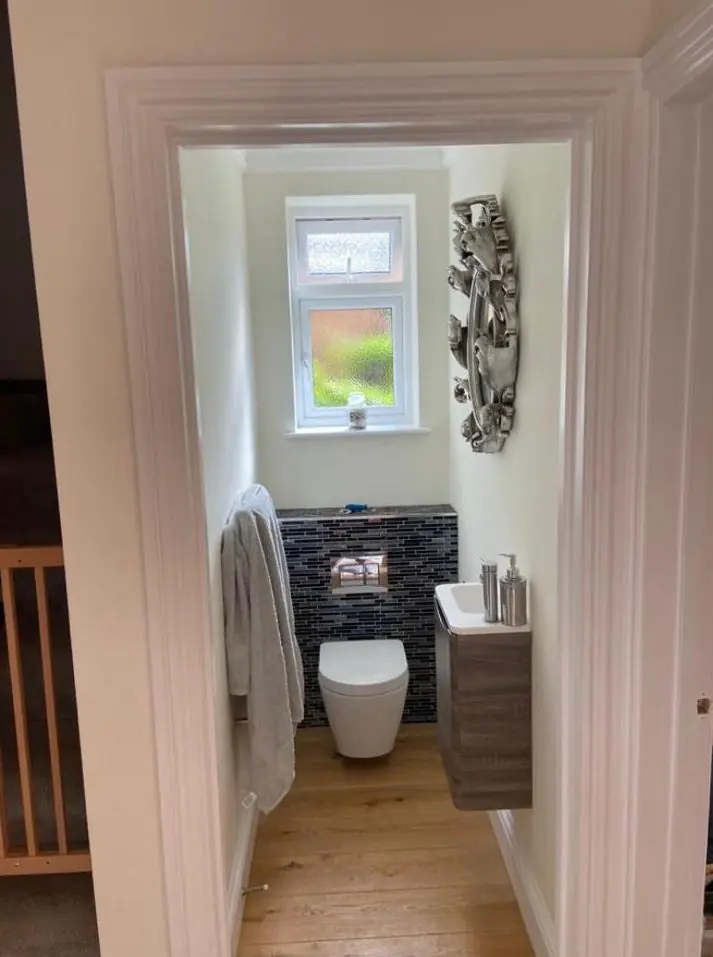
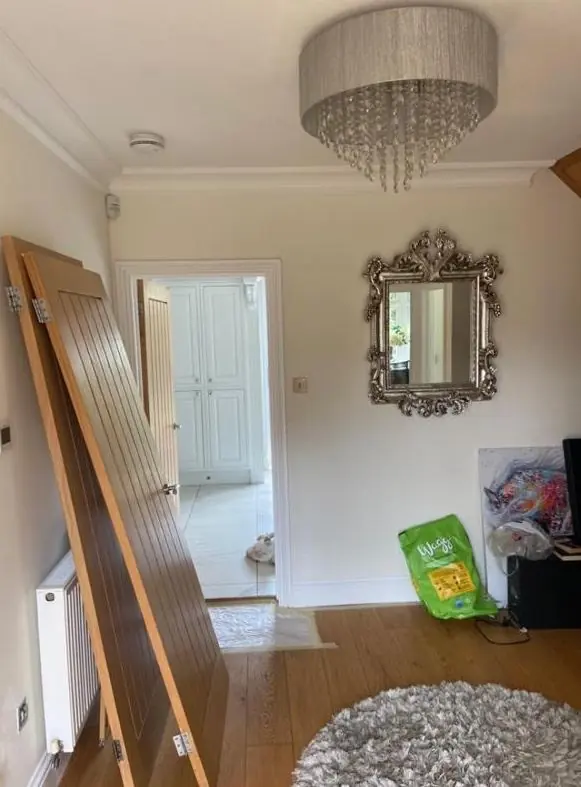
Corner of a lounge with walls painted soft white, dust sheets and radiator off the wall Living room walls painted off-white with dust sheets, roller tray and paint tins mid-job Staircase with oak barley-twist spindles and newel post, walls painted soft cream Cloakroom WC seen through a white-painted architrave, cream walls and gloss woodwork finished Hallway with crystal chandelier and cream walls, new oak doors waiting to be hung Landing wall painted warm cream around an oak door with white gloss architrave

Decorative finishes in Paulerspury: your questions answered

Can't see your question? Call us on 07539 779 036 and we'll happily talk it through.

Can you limewash a room in my Paulerspury stone cottage?

Usually, yes, if the walls are lime plaster or bare stone that has not been covered in modern paint. Limewash suits solid limestone walls because it lets moisture out. It goes on in several thin coats and needs slow drying. If the walls already carry acrylic or vinyl emulsion, limewash will not bond, and a mineral or distemper-style flat paint is the better route.

Do you do woodgraining on old doors in Paulerspury's period houses?

Yes. Graining is a hand technique that paints softwood to look like oak or another hardwood, and it was common on doors in houses of the early 19th century, like those in the village. We build it up in a base coat and a glaze, form the grain by hand, then varnish. It is slow work, so we price it per door after seeing it.

Is it safe to strip paint near a thatched roof?

Not with heat. On thatched cottages in Paulerspury, such as those with low eaves and eyebrow dormers, we never use heat guns or burners anywhere near the building. Old paint is taken off by hand scraping, sanding with dust control or chemical strippers. It takes longer, but it removes the fire risk entirely.

Will I need listed building consent for a decorative finish?

It depends on the change. Redecorating in the same traditional finish is normally fine. Swapping limewash for modern masonry paint, stripping historic paint layers, or altering features on a listed building may need consent from West Northamptonshire Council. A cottage such as The Thatches or a house like The Former Rectory is Grade II, so the council is the place to ask before work starts.

What customers say about Dean

Most of our work comes from recommendations and returning customers. These are real reviews from customers after the job was finished, in their own words.

More customer reviews

After completing my gates I was then assured Dean was more than competent to repaint the inside of my property from top to bottom. It’s a large 4 bedroom house and was done to a very high standard. Once again I would highly recommend him.

Customer review Gates, then a full four-bedroom interior

I contacted Dean to get the outside of the house painted; the house is all roughcast render. He has done a fantastic job; the house is looking brand new. The same he did for our garage, painted our bedrooms x2, did extra jobs for us like skirtings and door frames, and painted even our gates. I could not recommend him enough; he is attentive, smiling, always on time, and nothing too much; I am so happy with what Dean has done; he went above and beyond. I have recommended him to all my friends and family.

Read full review
Customer review Roughcast render, garage, bedrooms and gates

Dean did a great job for a good price i'd be very happy to recommend him always on time polite and friendly.

Customer review Painting and decorating

Start your project

Get a free painting and decorating quote

Tell us a little about the job and we'll arrange a visit to look at it properly. Quotes and advice are always free, with no obligation.

What happens next

  1. We get back to you to arrange a convenient time to visit.
  2. Free visit. We look at the job and talk through colours, finishes and any repairs.
  3. Written quote. A clear price covering preparation, materials and the finish we agreed.

Request a free quote

Please enter your name.

Please check your email address.

Please enter a valid phone number.

Prefer to talk? Call 07539 779 036.

Call 07539 779 036Call nowFree quote