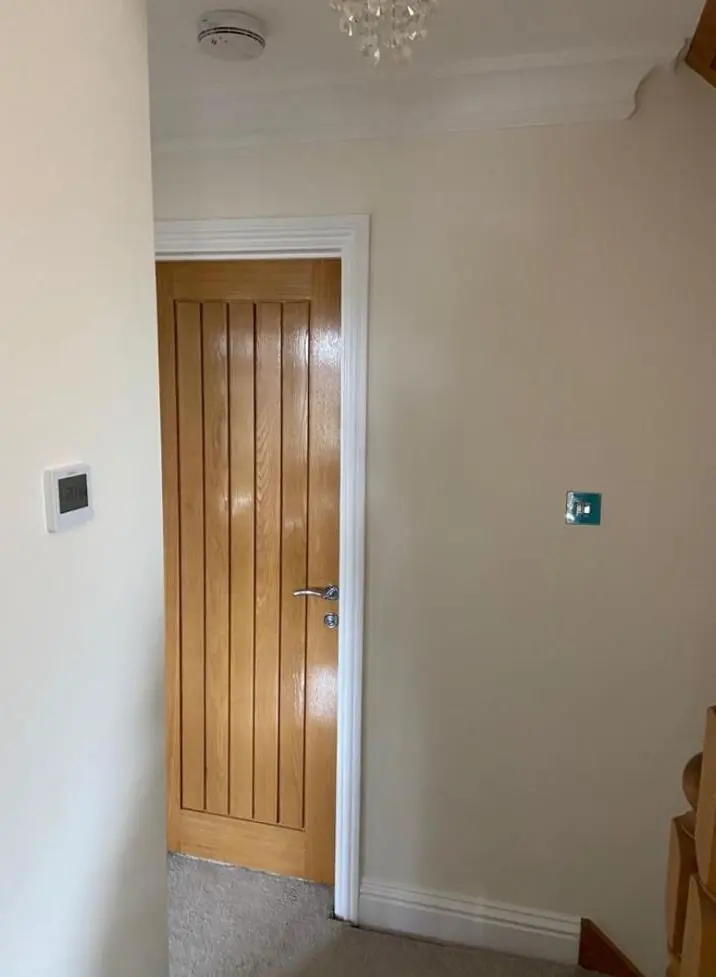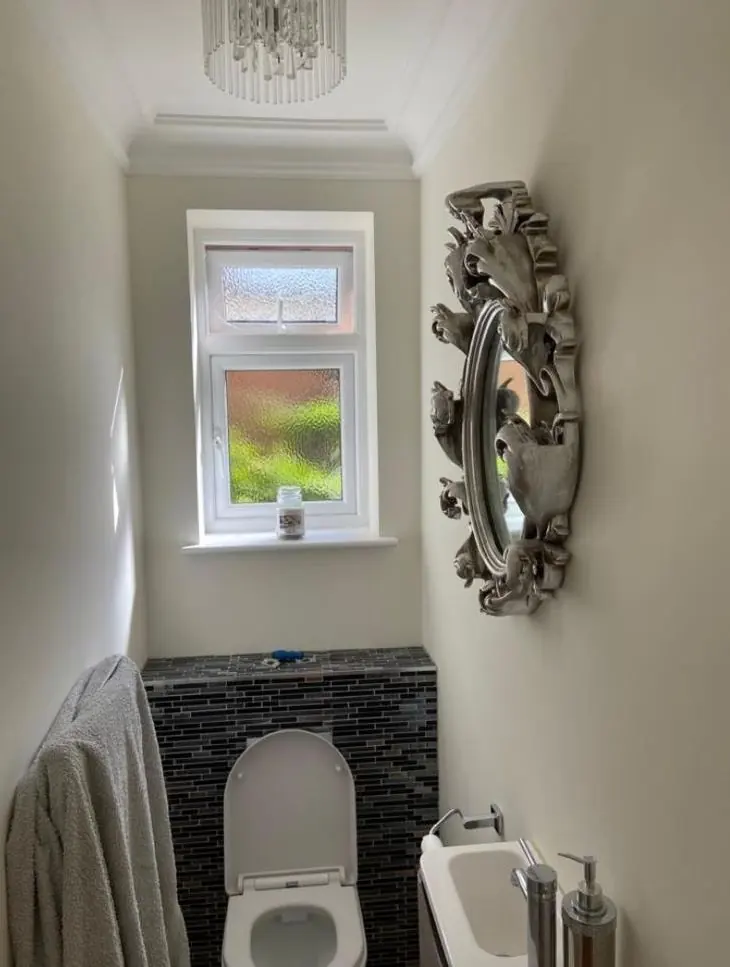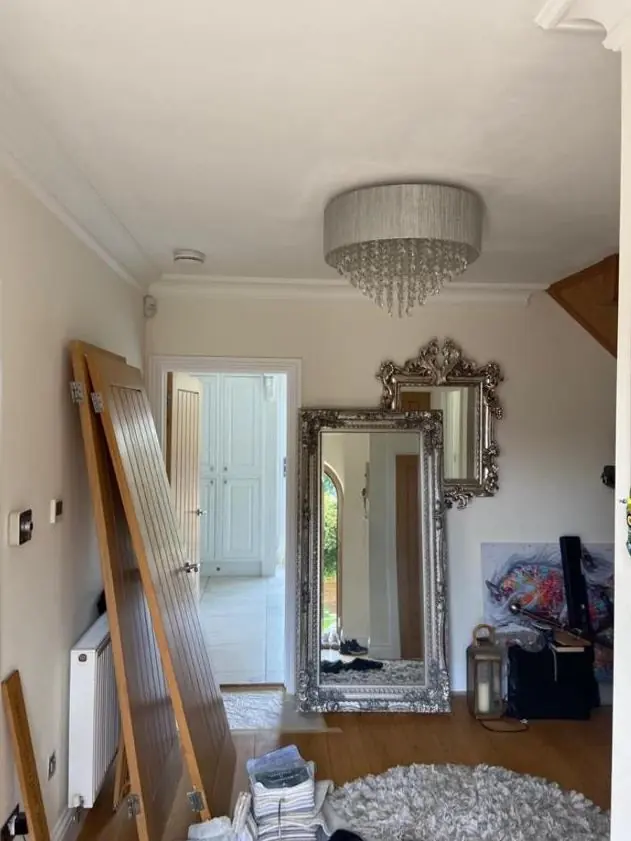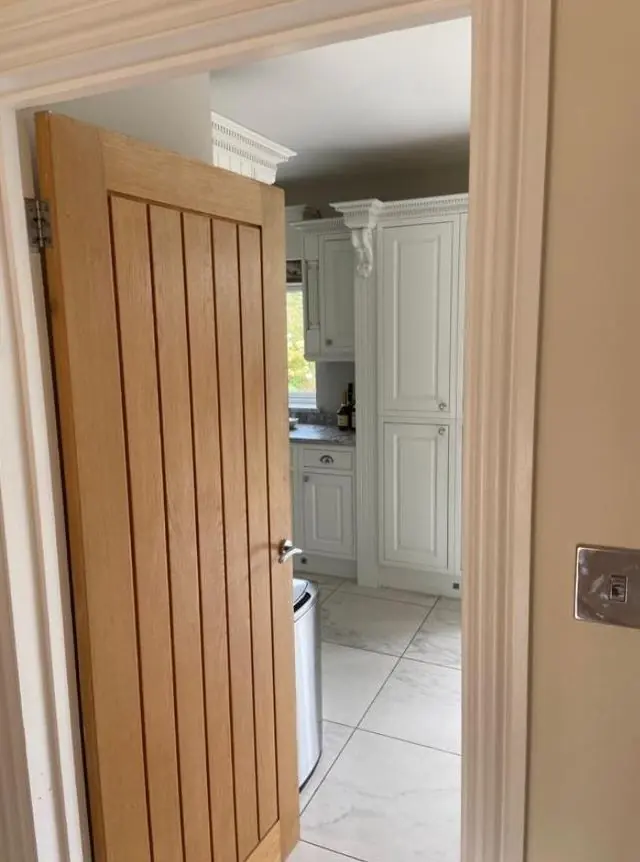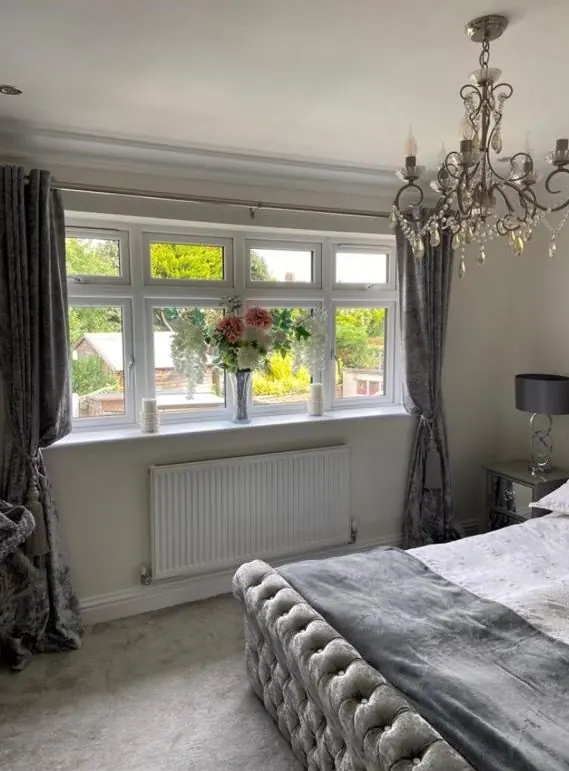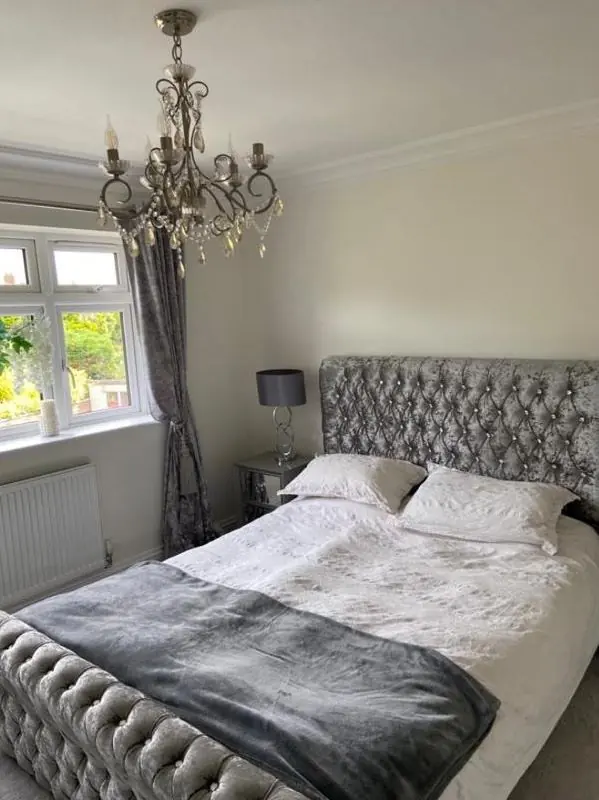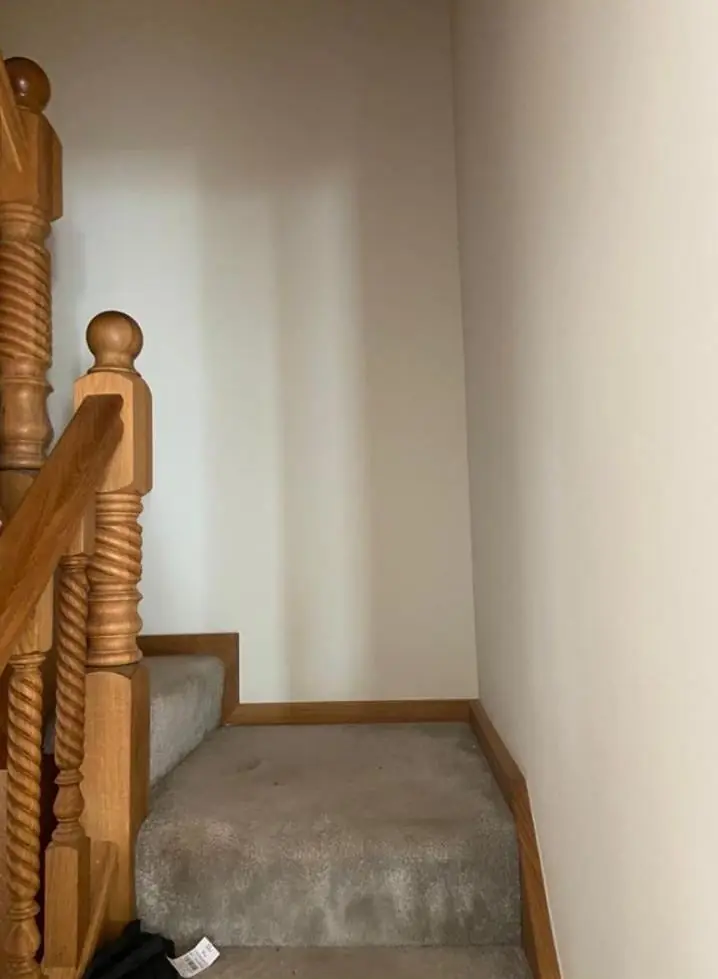
Dean paints interiors across Phippsville, the district off the Kettering Road about 1.3 miles north-east of Northampton town centre. Most rooms here sit in either a high-ceilinged 1880s villa, often now split into flats, or a smaller terrace or interwar semi, and the two ask for quite different preparation and access.
High ceilings and deep cornices in the original Phipps villas
Phippsville began as the Phipps brewing family’s 1880s development for comfortable households east of the Racecourse, and the large brick houses from that first phase still set the tone around The Drive and St Matthew’s Church. They were built for well-to-do households, and inside that shows in tall rooms, generous bay windows and cornices deep enough to need their own plan.
Painting a room like that is a different job from a modern box room. Ceiling height means a stable platform or tower rather than a stepladder, and there is far more cutting-in where wall meets cornice. Old lime-based plaster that has been patched over the decades often shows hairline cracks and blown areas once the furniture comes away, so we sound the walls, cut out and fill what is loose, and seal repairs before any colour goes on. On the cornices themselves we clean out clogged layers carefully rather than adding another coat that blurs the detail further.
Painting a flat when several households share the front door
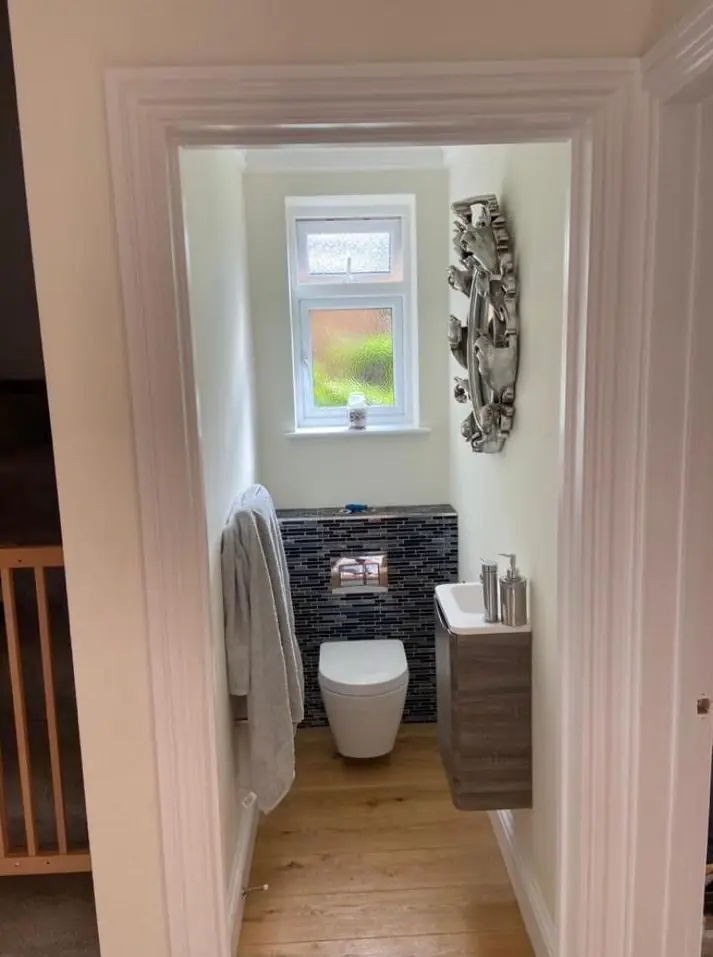
Most of those villas were converted into individual flats long ago. If you own or rent one of them, the decorating usually stays inside your flat’s own front door, but getting there means sharing a hallway and stairs with neighbours. We plan around that: dust sheets and protection on the communal route, tools and tins kept out of shared space overnight, and noisy preparation at sensible hours.
Converted layouts throw up their own quirks too. Partition walls added during conversion are often plasterboard sitting beside original plaster, and the two take paint differently, so a room can need a sealer on one wall and not the next. Where a room has been cut down from a larger one, the cornice may stop abruptly against a newer wall; we finish those junctions neatly instead of leaving a ragged line.
Victorian terraces and the semis towards Abington Park
Away from the big houses, Phippsville fills out with late Victorian terraces and, nearer Abington Park, Edwardian and early interwar semis built between about 1905 and 1925. These rooms are smaller and the job is quicker, but they bring their own demands:
- Attic rooms in the two-storey-plus-attic Edwardian semis have sloping ceilings and dormer reveals that take patient cutting-in.
- Bay-fronted front rooms need extra time on the window reveals and the boards beneath the sashes.
- Terraced houses changing hands: the parish notes younger households moving in as terraces come up for sale, and a fresh start throughout before unpacking is a common request.
Parking on these tightly built streets is limited, so we bring only what the day needs and keep the pavement clear.
Period and listed interiors around The Drive
One house on The Drive, number 5, is Grade II listed specifically for its dining room, designed in 1919 by Charles Rennie Mackintosh. That is unusual, but it is a reminder that some villa interiors here hold original fittings worth more than a quick roller coat. If your home is listed, any decorating that touches historic fabric should be discussed with the council’s conservation officer first, and we will hold off until you have that advice. In unlisted period rooms we still use paints suited to old plaster and avoid stripping original features unless they are failing.
For the wider picture of how we prepare and paint any room, see our main interior painting service in Northampton. For more on the area’s housing, visit our Phippsville area page, and for budgeting, read the painter and decorator cost guide.
Last updated by Dean, DH Painter & Decorator.