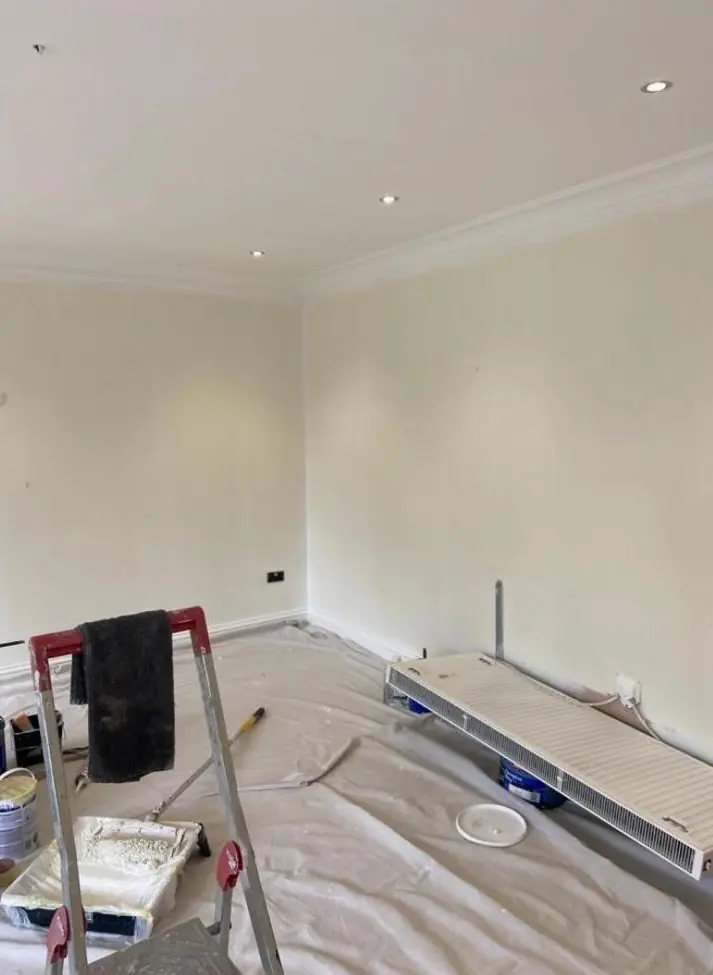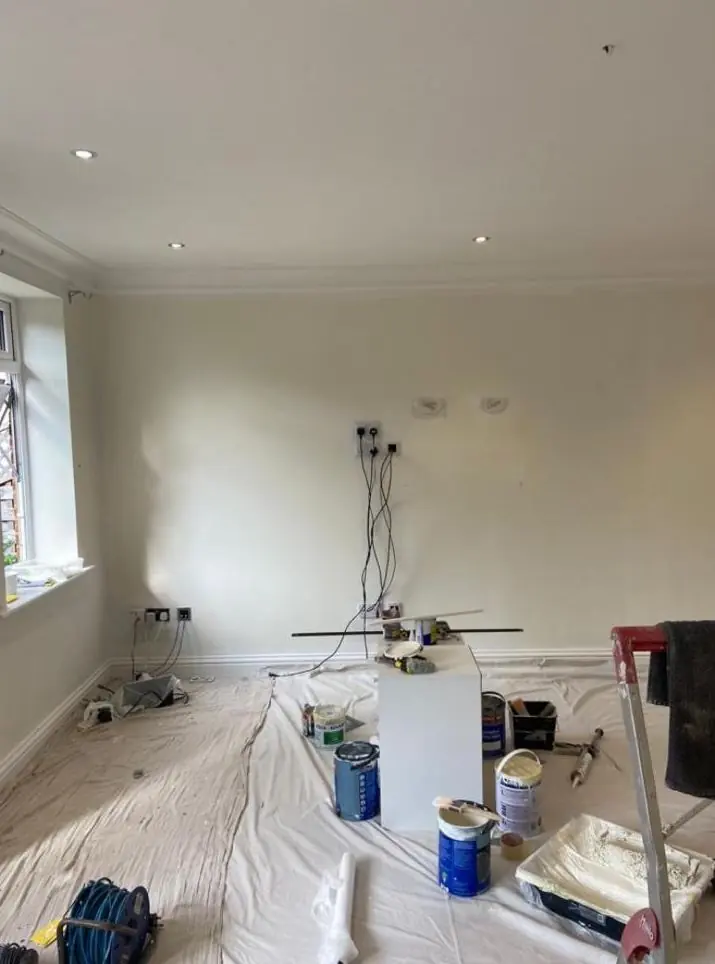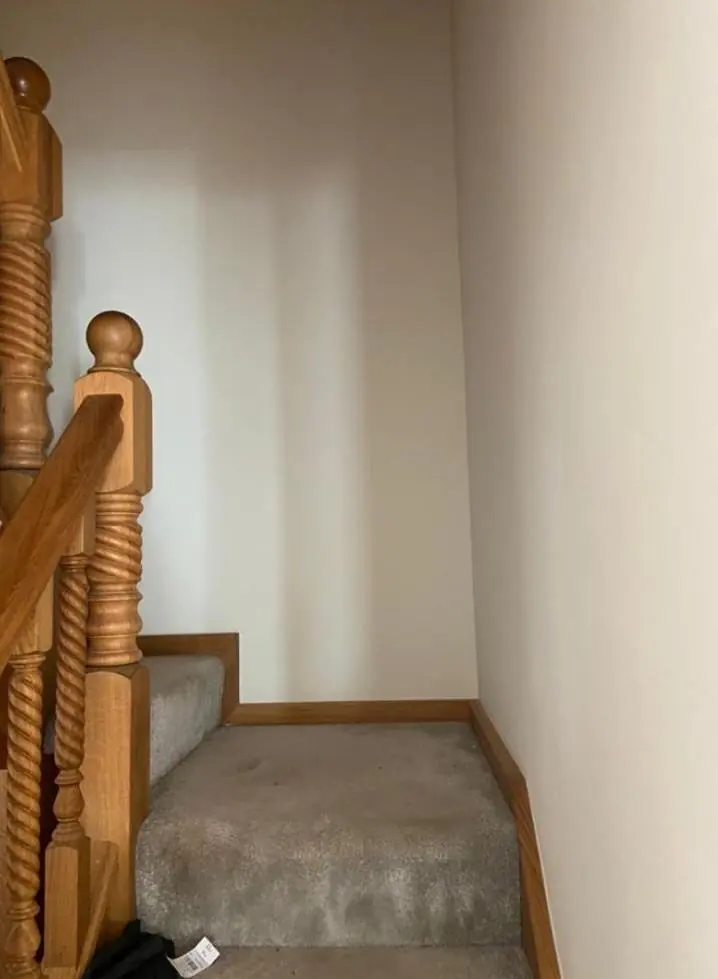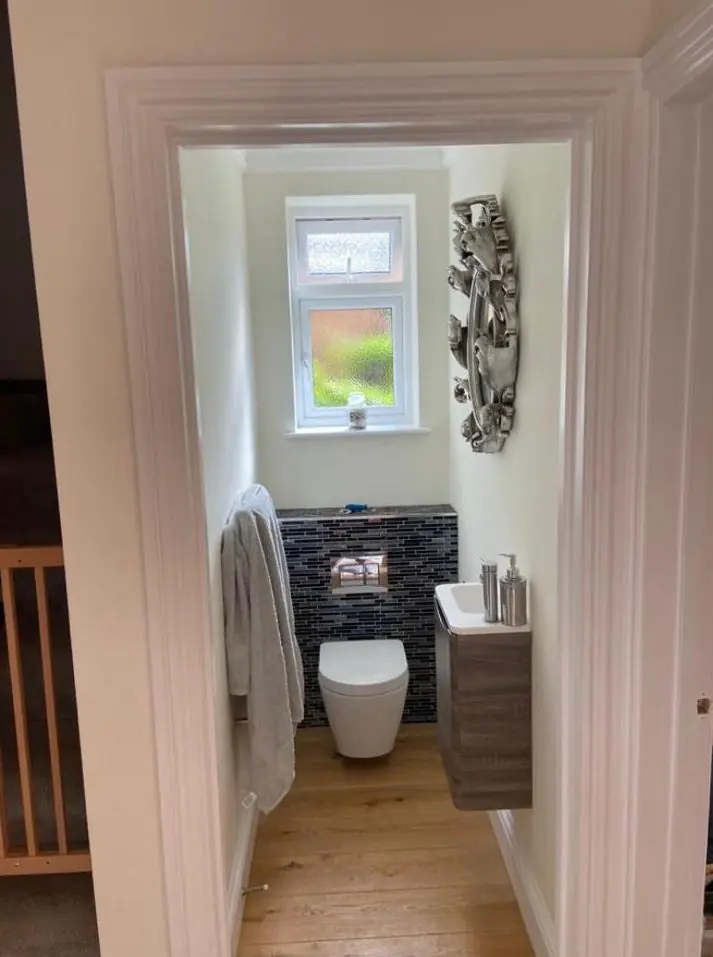
Dean carries out hand-painted decorative finishes in Phippsville, about 1.3 miles north-east of Northampton town centre. The district's 1880s and Edwardian houses still have cornices, plate shelves and panelled doors that reward careful detailing, and where a room is listed, consent comes before any work.
A Mackintosh room on The Drive, and what it says about the area
Few Northampton neighbourhoods can point to a room designed by Charles Rennie Mackintosh. Phippsville can. Number 5 The Drive, a brick semi of about 1880, is Grade II listed because of the dining room Mackintosh designed there in 1919, its listing description mentioning a tiled fireplace, a plate shelf and fitted cabinets. It is a private house and the listing protects that interior, but it shows the level of craft that went into some homes here a century ago.
In the villas of the original Phipps suburb, much of the detail is already there: moulded cornices, panelled doors, plate shelves and picture rails in some rooms. Most of the work is about bringing those out, rather than inventing effects from scratch.
Picking out cornices, rails and plate shelves
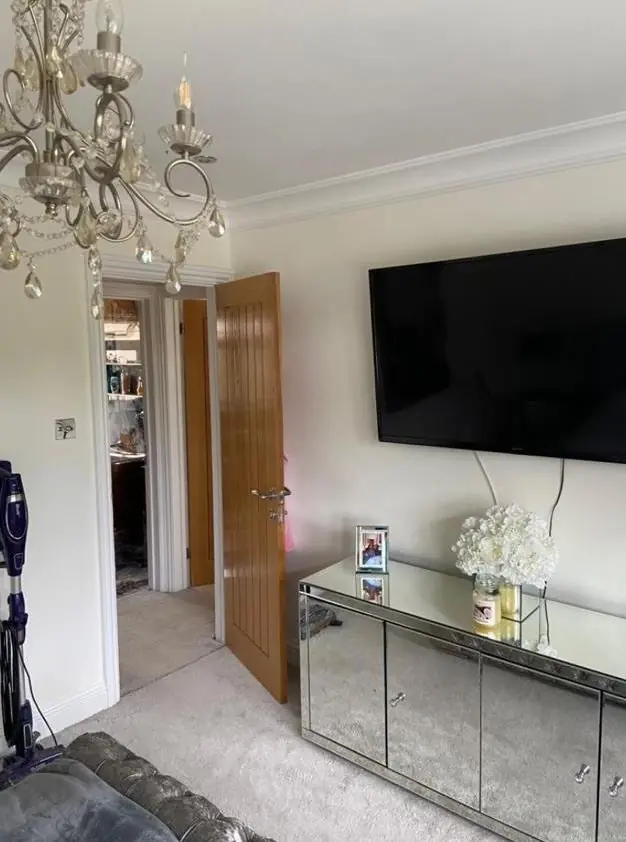
In a tall villa room, a cornice painted the same flat white as the ceiling disappears. Picking out the moulding in two close tones, or setting the frieze between picture rail and cornice in a deeper shade than the wall below, gives the room back its proportions. The steps we follow:
- Clean out clogged paint where the profile has softened, without damaging the plaster run.
- Fill and seal hairline cracks so the lines stay crisp.
- Hand-line each band with a fine brush, working from a ladder or tower along the full run.
Plate shelves, where they survive, can be finished in an eggshell that ties to the joinery, giving a clean horizontal line around the room.
Ceiling height is the practical challenge. Hand-lining a cornice in an 1880s room means hours with your arm raised close to the plaster, so we work from a tower that moves along the wall rather than shifting a ladder every metre. That steadiness shows in the finished line, which is the whole point of the job.
Panelled doors and Arts and Crafts woodwork
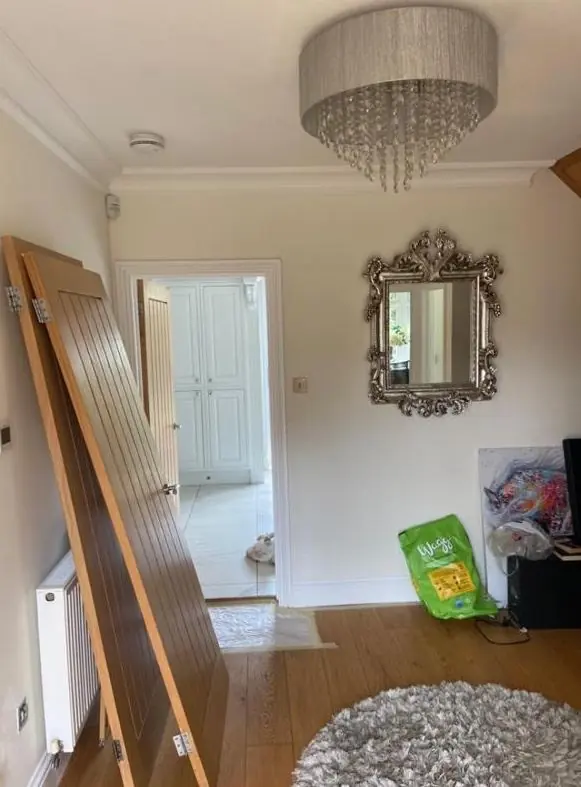
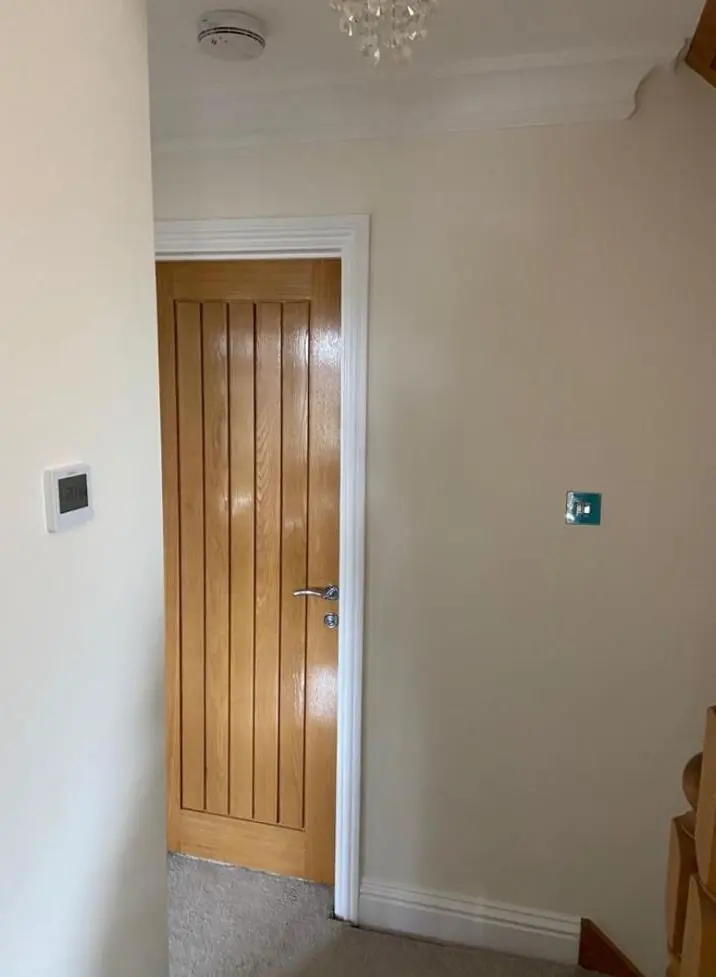
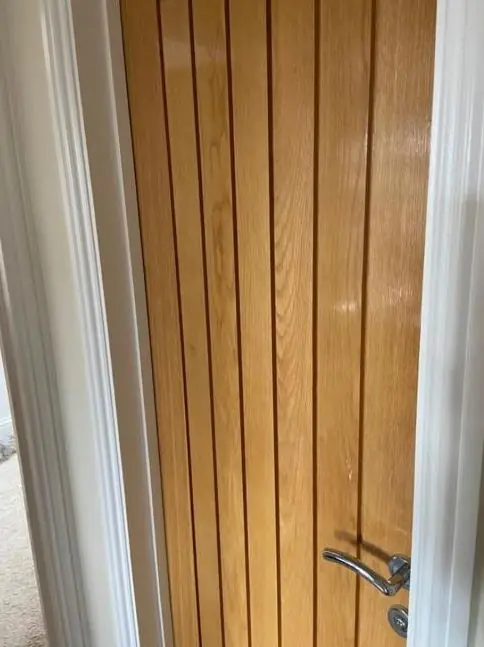
The c.1920 Arts and Crafts group at 67 to 71 Collingwood Road, on the local list, and the Edwardian semis built towards Abington Park between about 1905 and 1925 come from the period when panelled internal doors were standard. Panelled doors in houses of this period suit a two-tone treatment: the stiles and rails one colour, the fielded or flat panels a shade lighter or darker. Done subtly, it gives depth without looking fussy. Simple painted panelling below a dado line, or a painted timber surround to an old fireplace, fits the same spirit.
Feature walls for converted flats
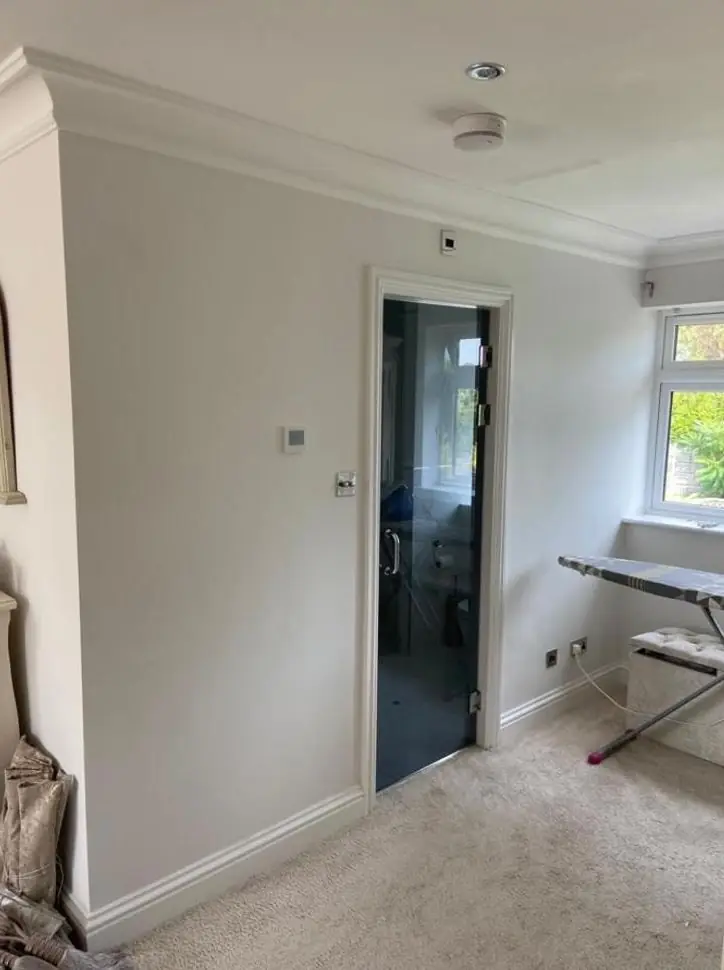
Not every Phippsville home has its original detail. Many villa flats lost cornices and rails when rooms were divided, leaving a tall plain box with a newer partition wall on one side. Here a decorative finish can put back some character: a colour-blocked lower wall to suggest a dado, a soft limewash-style effect on one wall, or a painted arch framing a bed or a desk. These work well for flat owners who want something individual without changing the structure, and because they are paint only, they can be reversed when tastes change or the flat is sold.
Listed rooms come with a conversation first
If your house is listed, or you suspect an interior is original and significant, talk to the conservation officer at West Northamptonshire Council before anything is painted. Applying a new finish to historic fabric can need consent, and some surfaces should not be overpainted at all. We will wait for that advice and work within it.
More on the effects we offer is on our main decorative finishes page. For the area’s other services, see the Phippsville area page.
Last updated by Dean, DH Painter & Decorator.