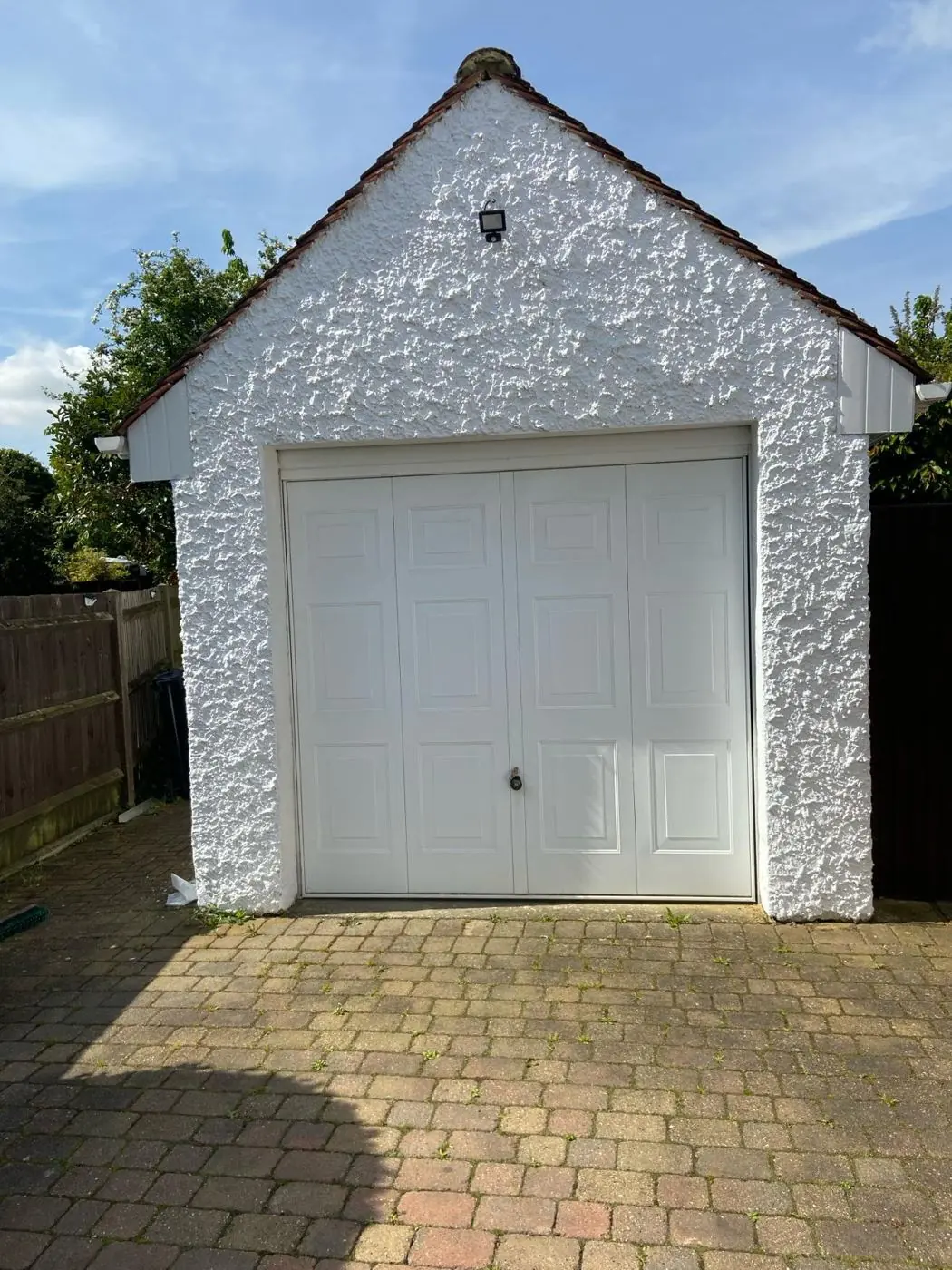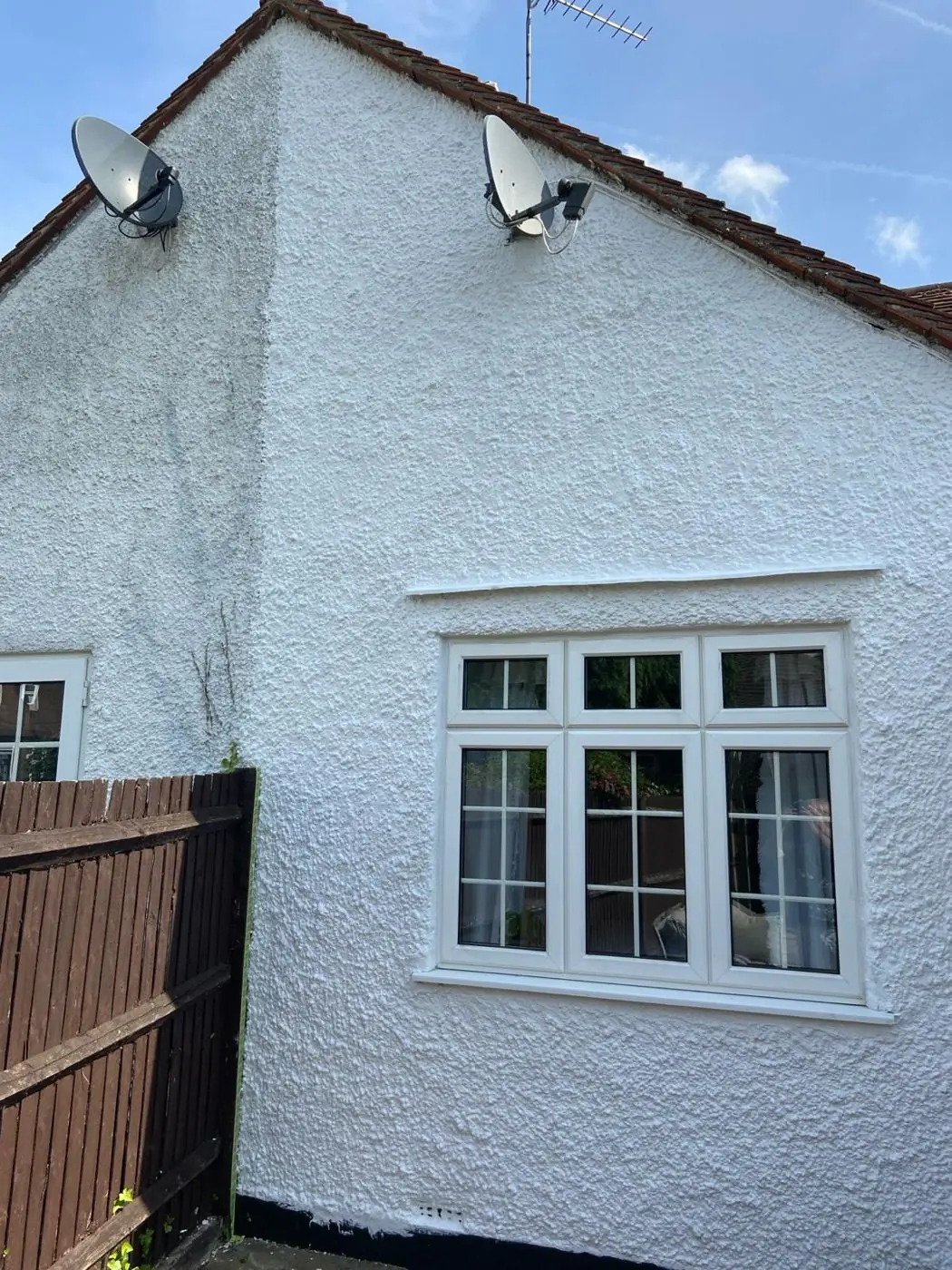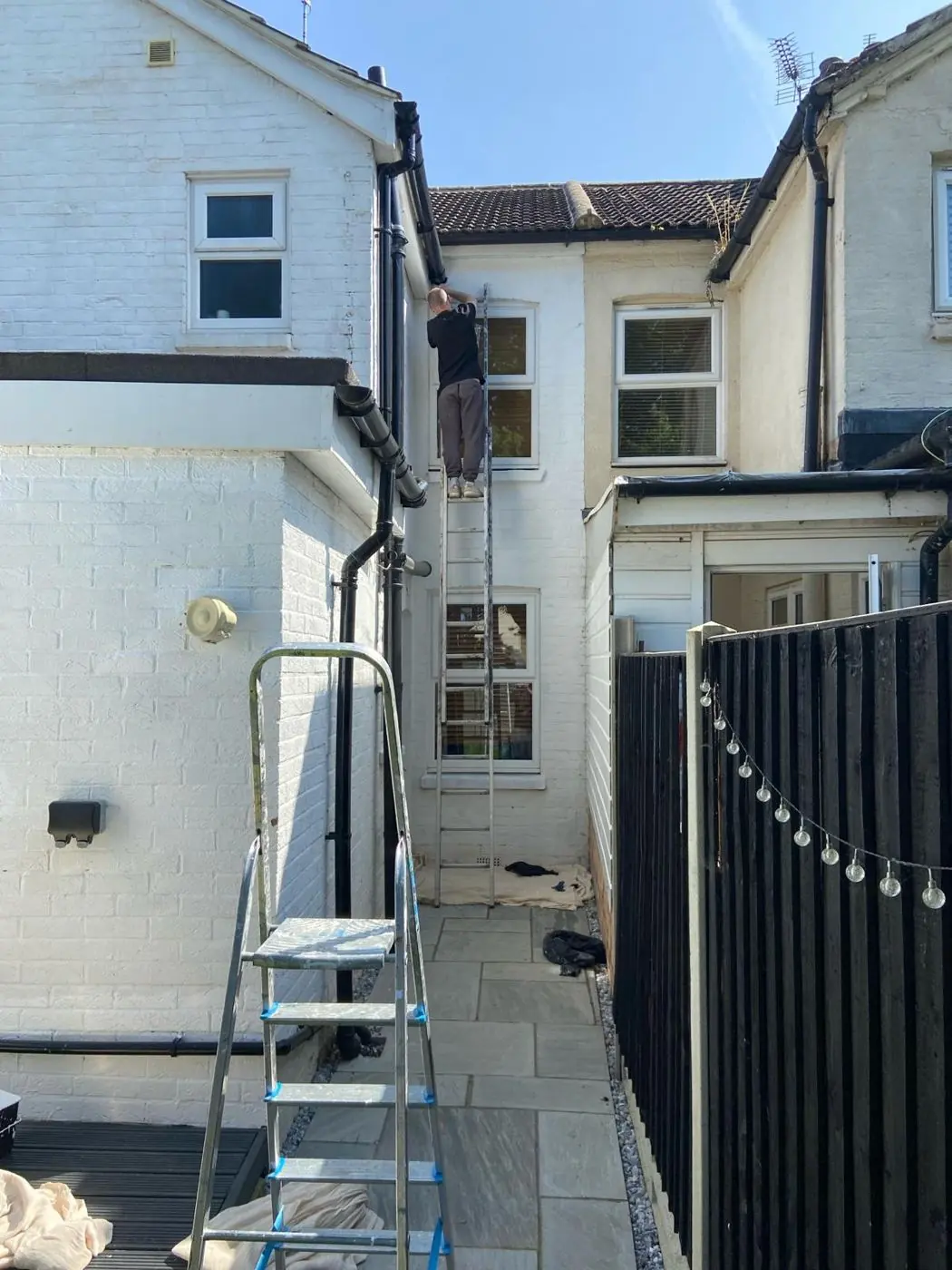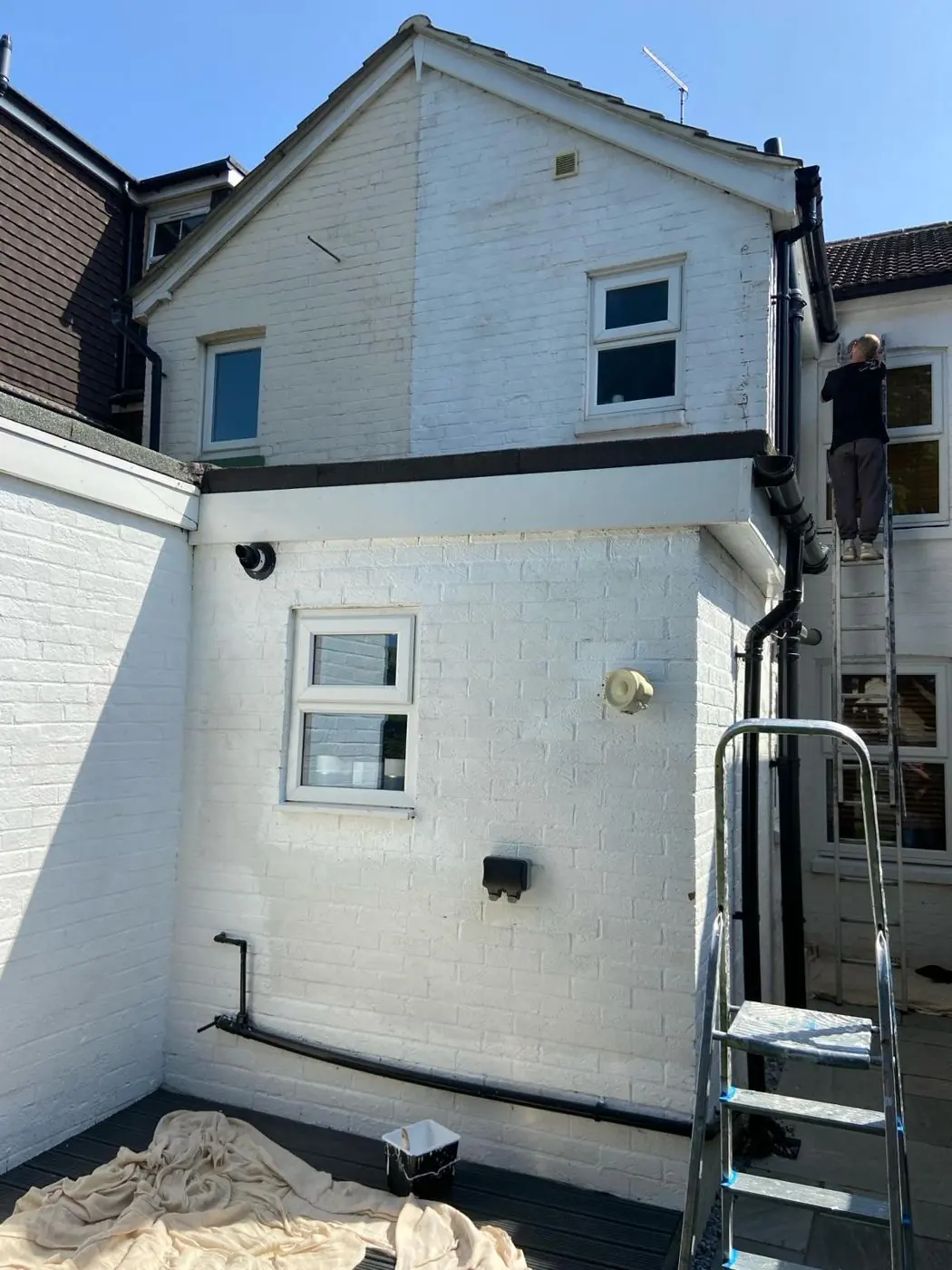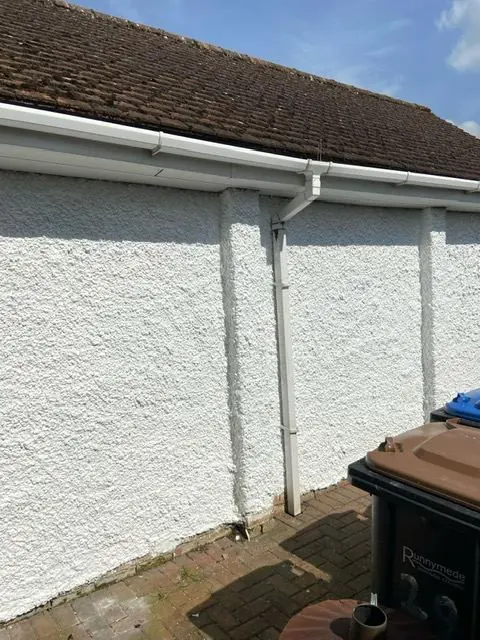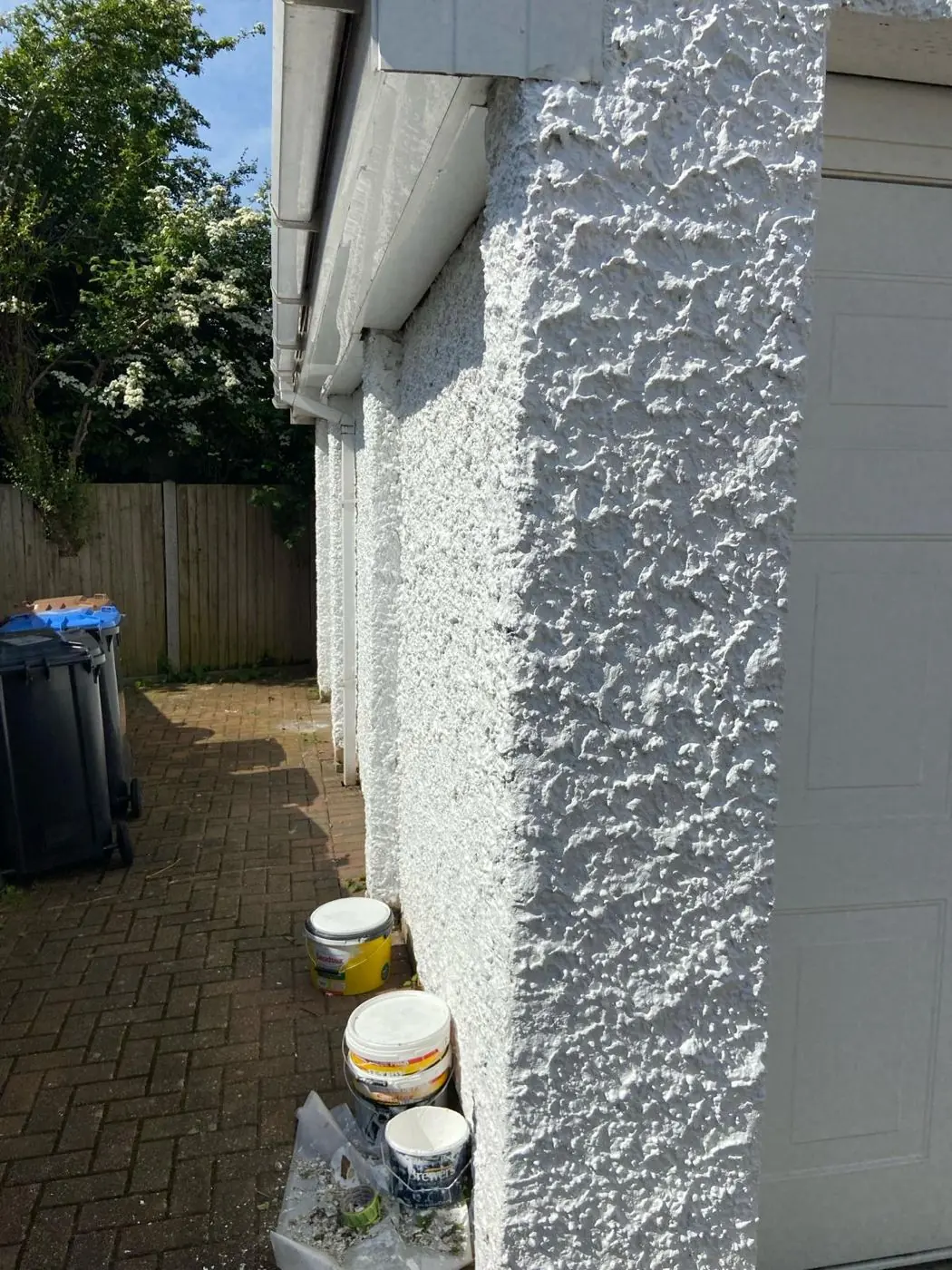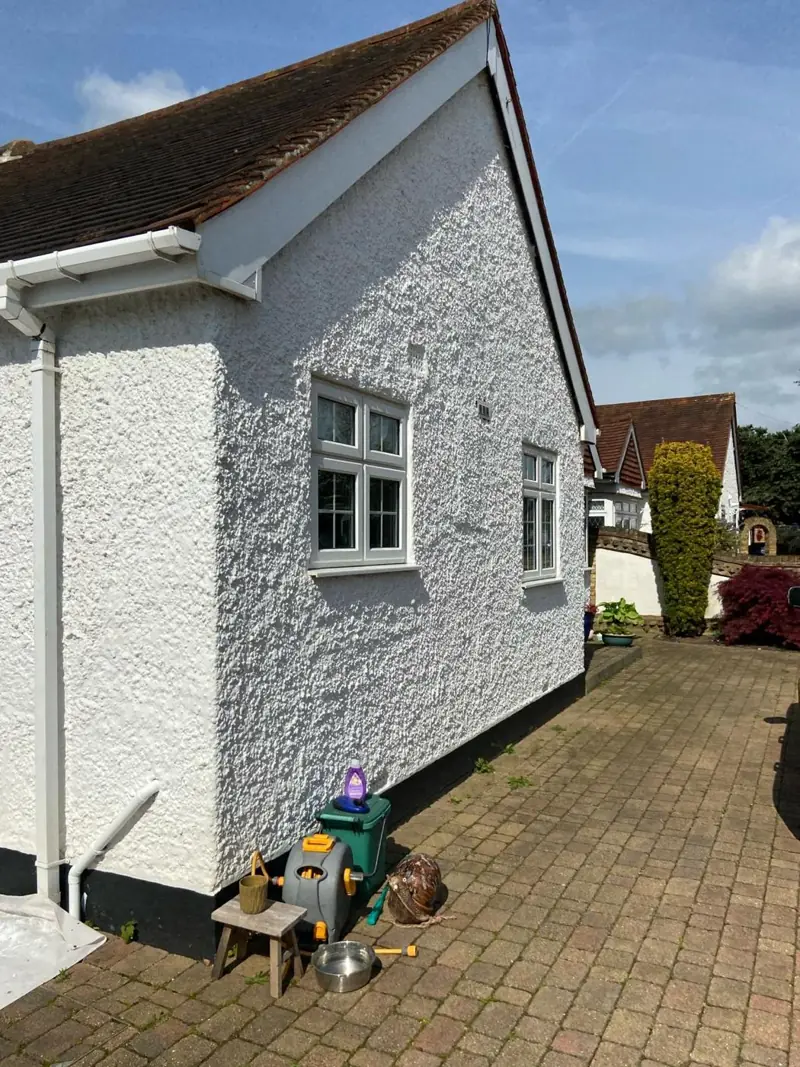
We paint pebbledash, smooth render and previously painted masonry in Phippsville, about 1.3 miles north-east of Northampton town centre. Most render here sits on the upper storeys of Edwardian and 1920s houses near Abington Park, while the 1880s brick villas are generally better left unpainted.
Pebbledash that the conservation area counts as character
On Phippsville’s south-east edge, pebbledash is part of what the council wants kept. The appraisal for the Abington Park Conservation Area, designated in January 2006, picks out pebbledash on the upper storeys as a feature that ties the streets together. That edge includes 1-17 Park Avenue, 243-257 Abington Avenue and 451-481A Wellingborough Road, houses built between about 1905 and 1925 with red brick ground floors and rendered or dashed walls above.
So the aim there is to keep the dash and look after it. Stripping it off or covering it with a smooth textured coating would change the look the appraisal describes, and a heritage Article 4 direction covering Abington Park appears on West Northamptonshire Council’s list, so a change of finish or colour on a front elevation should be cleared with the council first. A like-for-like repaint in a breathable masonry paint is the usual route.
Sound dash first, paint second
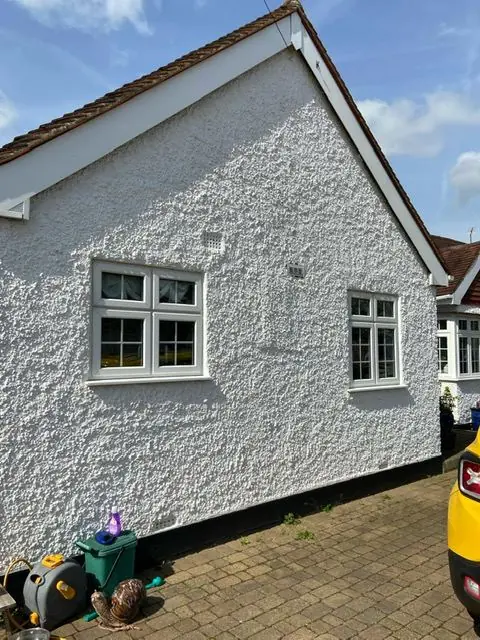
Pebbledash a century old is often loose in places. Paint will not hold failing render on the wall, and the weight and moisture of new coats can bring a weak patch down sooner. Before quoting we tap the upper walls to find hollow areas, look for cracks around bay windows and under sills, and check where gutters have overflowed down the face.
- Small loose patches are cut back, re-rendered and dashed to match before any coating goes on.
- Large hollow areas are a job for a plasterer or renderer, and we will say so rather than paint over them.
- Green or black growth is treated with a fungicidal wash and left to work before brushing off.
- Chalky old paint gets a stabilising solution so the new coats grip.
Then two coats of breathable masonry paint go on, worked into the stones with a brush and a deep-pile roller. Our guide to painting render and roughcast explains why breathability matters on older walls.
The 1880s villas: mostly a job for restraint
The original Phipps suburb, around The Drive and St Matthew’s Church, was built largely in brick, and villas such as 5 The Drive have ashlar stone dressings. Neither was meant to be painted. Coating them traps moisture behind the face and is very hard to reverse. Our advice on these houses is usually to leave the brick and stone alone and spend the budget on the joinery. Where a past owner has already painted a bay or a stone surround, we keep it in good order with a breathable product rather than adding more of the masonry to the painted area.
The Arts and Crafts houses on Collingwood Road, from about 1920 and locally listed, have plain brickwork too, so masonry painting rarely comes up there.
Wellingborough Road east of Beech Avenue
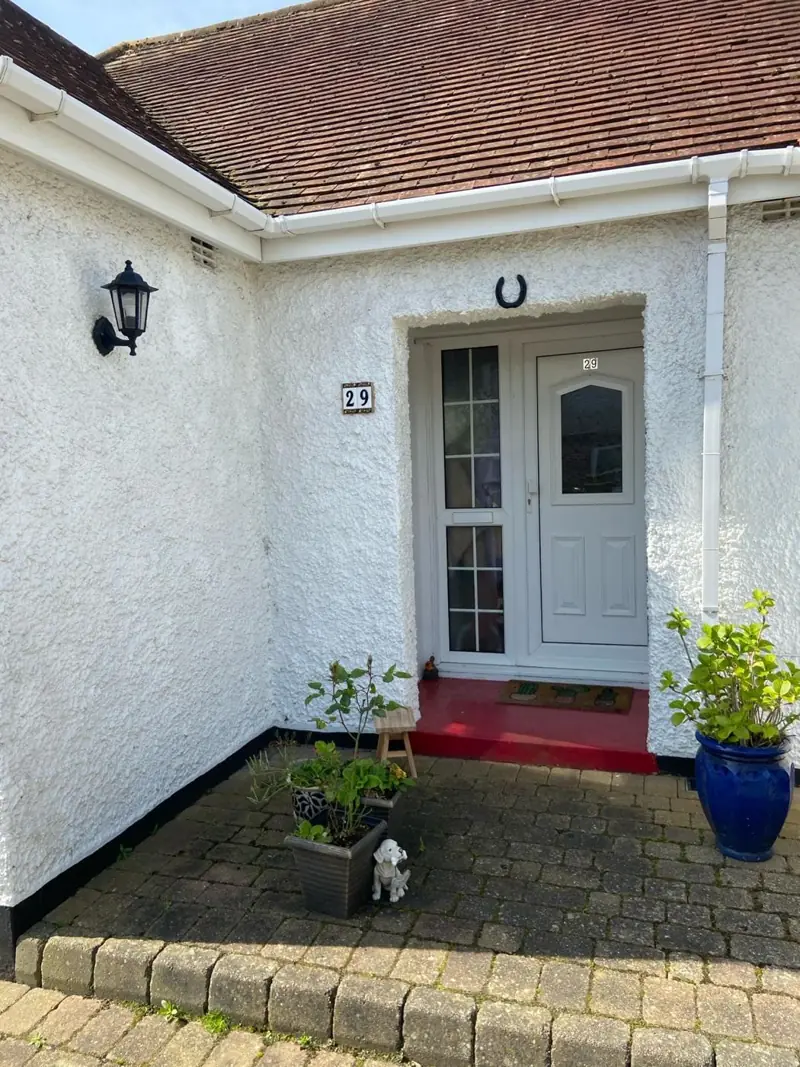
Beyond Beech Avenue, Wellingborough Road’s north side is mostly 1920s social housing outside the conservation boundary. Owners there have more say over colour than their neighbours facing the park, so a change from off-white to a warmer stone or a soft grey is a reasonable choice. The preparation is the same: sound the render, treat growth, fill cracks and use a breathable paint.
Mature trees on the park side add another factor. Walls under heavy canopy dry slowly after rain, and growth returns faster there than on an open elevation. We give shaded walls a longer drying window after the fungicidal wash, and plan coats for a settled spell so the paint is never applied to damp render. Dust sheets and covers go over paths, plants and parked cars below, because sanding loose dash throws grit a fair distance.
Our main render and masonry painting page sets out the full process. We cover Phippsville and the streets around it from our Northampton base.
Last updated by Dean, DH Painter & Decorator.