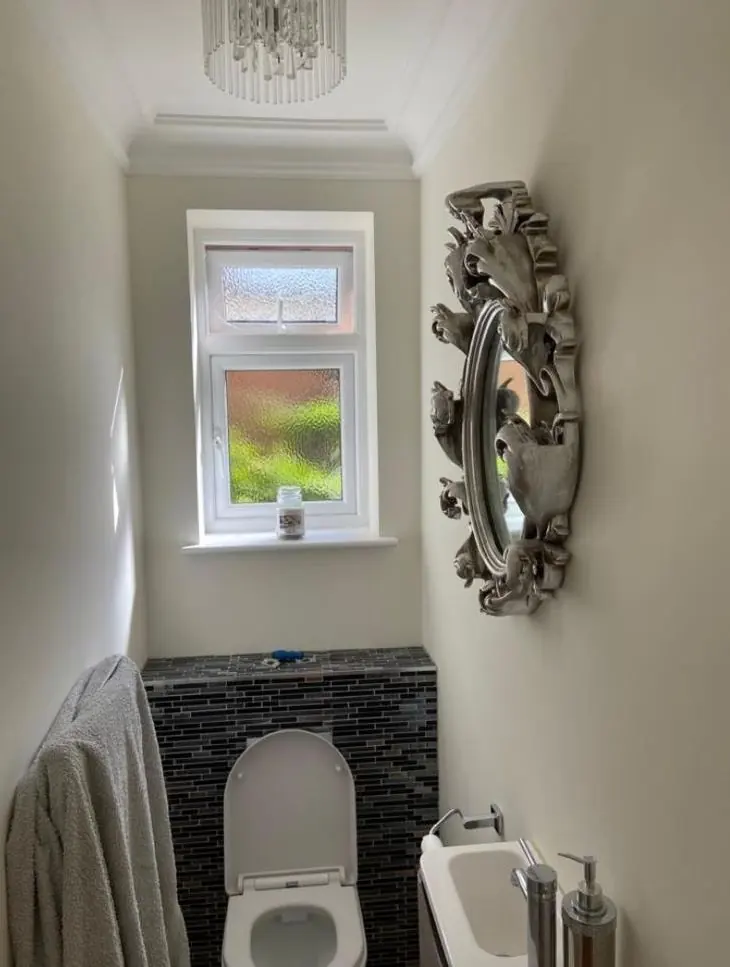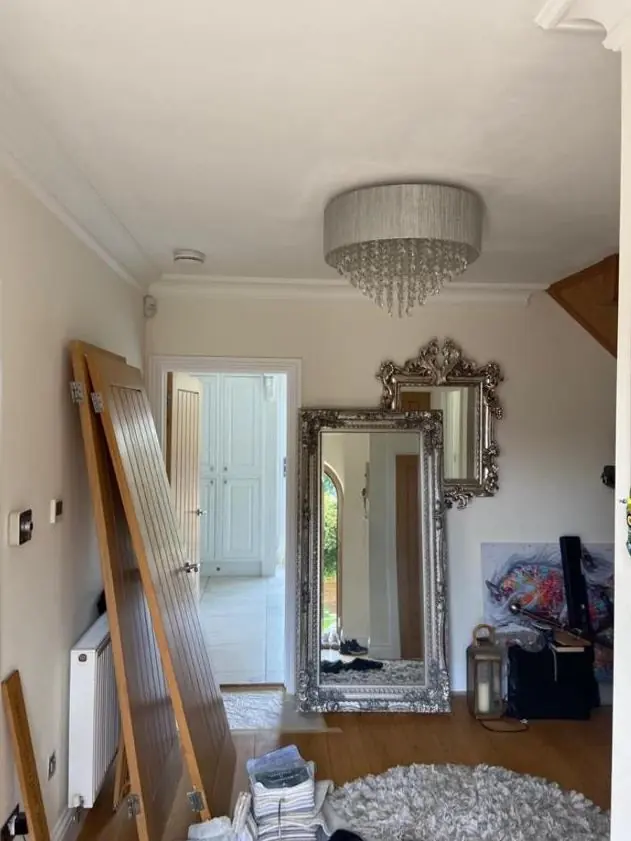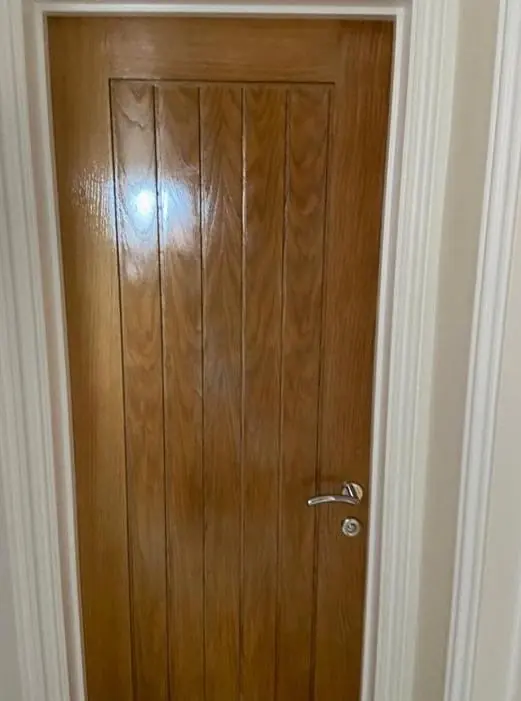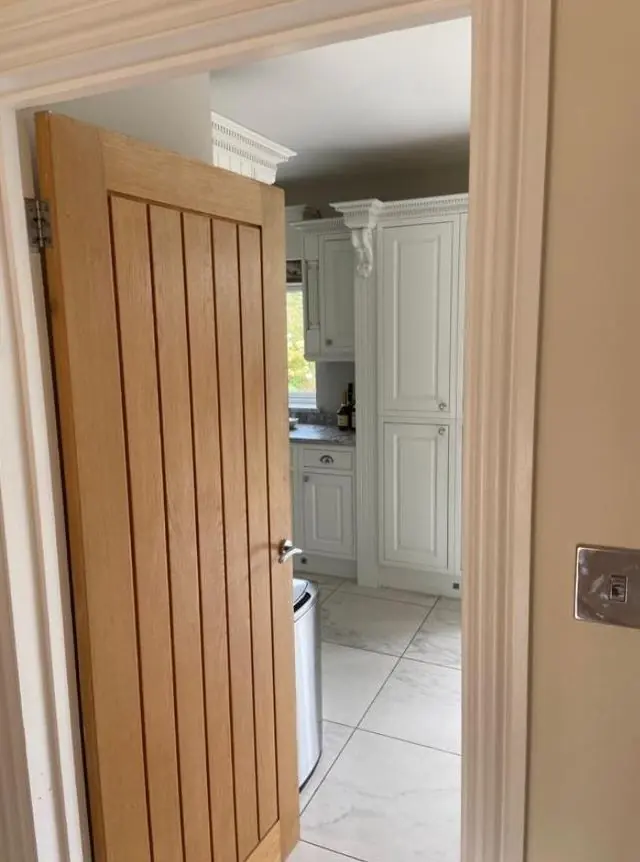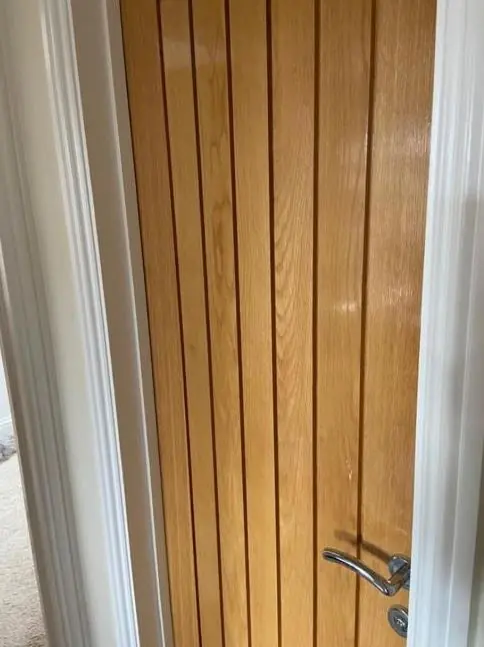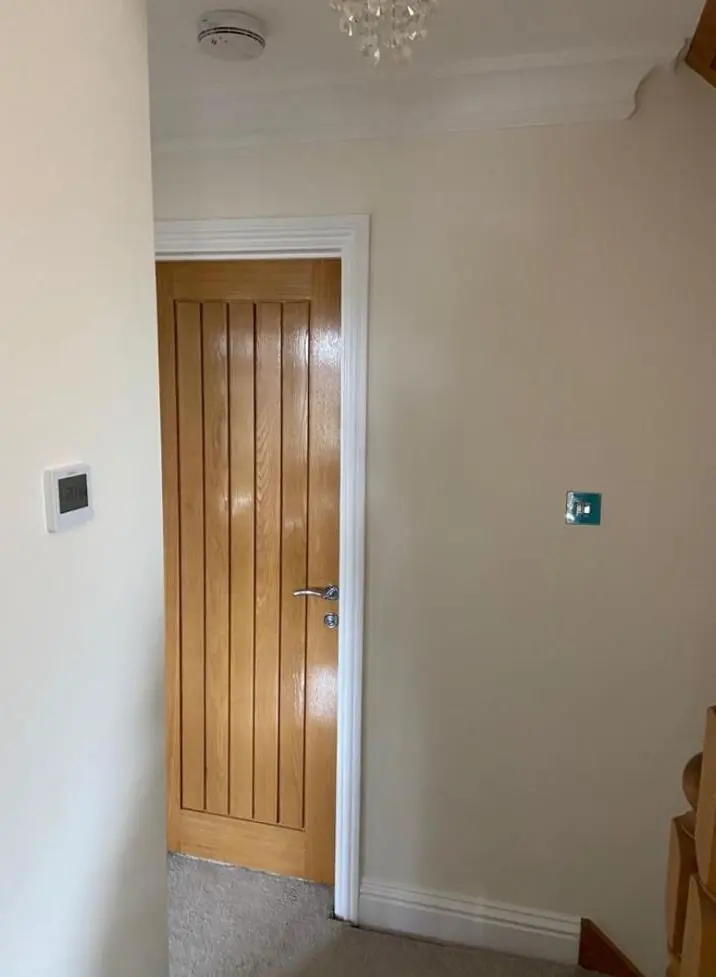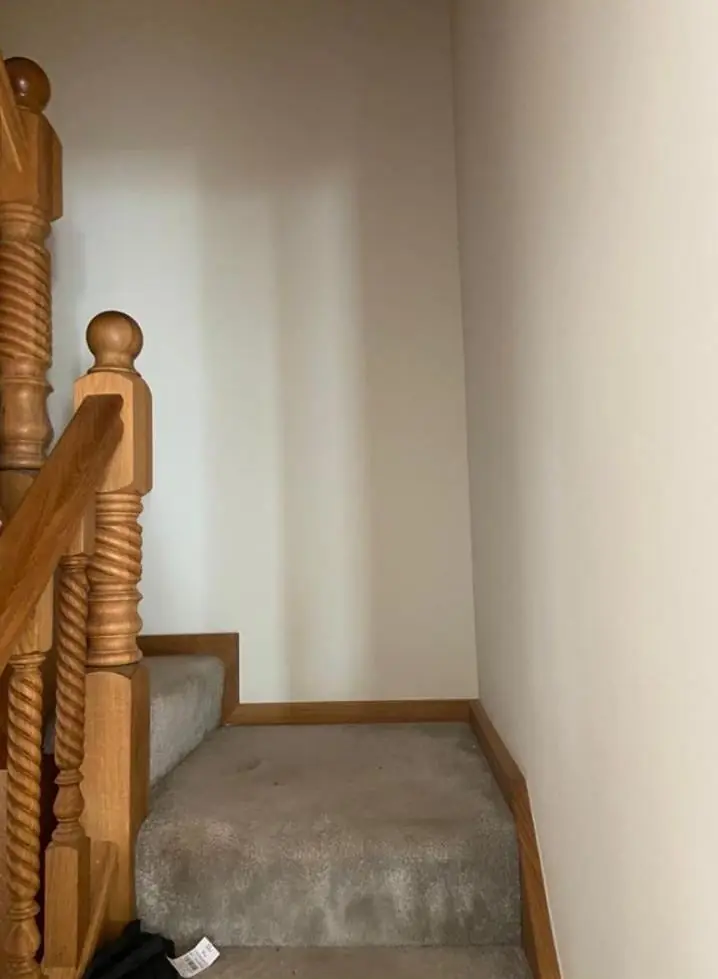
DH Painter & Decorator paints doors, skirtings, architraves, sashes and staircase joinery in Phippsville, the district between the Racecourse and Abington Park about 1.3 miles north-east of Northampton town centre. Dean has over 30 years in the trade and handles everything from a single flat in a converted villa to a whole Edwardian semi.
Why woodwork is the big job in a Phipps-era house
When the Phipps brewing family laid out this suburb in the 1880s, the houses were built for well-off households, and the joinery shows it. Skirtings are deep and moulded, internal doors are panelled, and the canted bays on the original villas carry two storeys of timber sashes each. In many of those houses, getting the woodwork right takes longer than painting the walls, and that is before you count the architraves, picture rails and window boards.
Most of the big villas are now divided into flats. That changes the job. One owner may want their own flat’s doors and skirtings brought back from a century of gloss build-up, while the joinery in the shared entrance belongs to the freeholder. We price and plan the two separately, so nobody pays for woodwork that isn’t theirs.
Stripping back old gloss on villa joinery
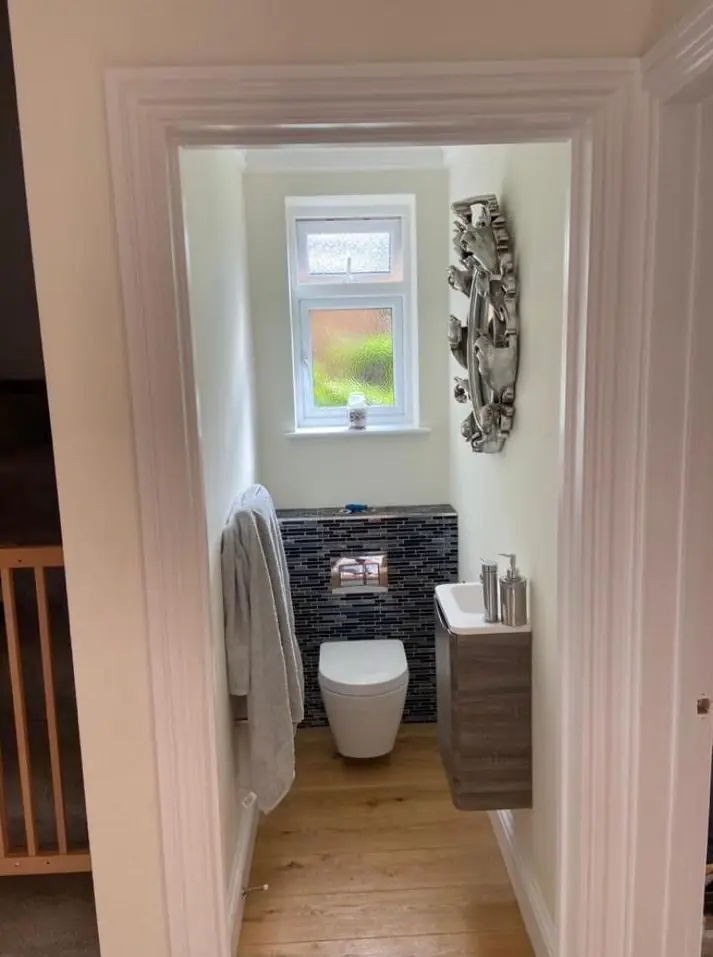
Doors and skirtings in 1880s houses have usually been painted many times over. Panel mouldings fill up, edges round off and old oil gloss turns yellow and brittle. Where the build-up is shallow we key it, fill it and use a water-based undercoat that bonds to old oil paint. Where it is cracking or flaking, the loose paint has to come off. Paint of this age can contain lead, so we test before sanding and use wet abrading and dust control rather than dry sanding or burning off, which matters even more when other flats share the stairwell.
- Panel mouldings cleaned out so the profile reads again
- Gaps where skirtings have shrunk from the wall filled with flexible caulk
- Knots in old pine sealed before primer so resin does not bleed through
- Door edges and hinge sides painted so the door closes without sticking
The Mackintosh room and other period interiors
5 The Drive is Grade II listed for the dining room Charles Rennie Mackintosh designed in 1919, whose fitted cabinets and plate shelf are part of what is protected. Joinery like that needs listed building consent before anyone changes its colour or finish, so the first step is a conversation with West Northamptonshire Council’s conservation officer, not a tin of paint. Unlisted villas nearby may also keep original panelled doors or fitted joinery that is just as easy to spoil, and we treat it the same way: careful preparation, sympathetic colours and no stripping of original surfaces without a reason.
White sashes on the Abington Park edge
On Park Avenue, 243-257 Abington Avenue and 451-481A Wellingborough Road, the Abington Park Conservation Area appraisal picks out white-painted timber sash and casement windows as part of the street’s character, and West Northamptonshire Council has a heritage Article 4 direction on its books for the area. Repainting the existing timber in white keeps the look the appraisal describes; swapping the windows for uPVC is something to raise with the council before going further. We ease and clean sashes, avoid painting the sliding faces and parting beads, and leave the windows opening freely, inside and out.
Further from the park the controls loosen. North of Wellingborough Road beyond Beech Avenue, the 1920s houses are not covered by the conservation area, leaving their owners a much wider choice of door and window colours. On the locally listed Collingwood Road group, Nos 67-71, any exterior joinery is worth keeping in colours that suit the plain brickwork and tiled roofs.
For general preparation and paint choices, see our main door and skirting painting page. Other services for the district are on our Phippsville area page, and for how pricing works, read the Northampton decorating cost guide.
Last updated by Dean, DH Painter & Decorator.