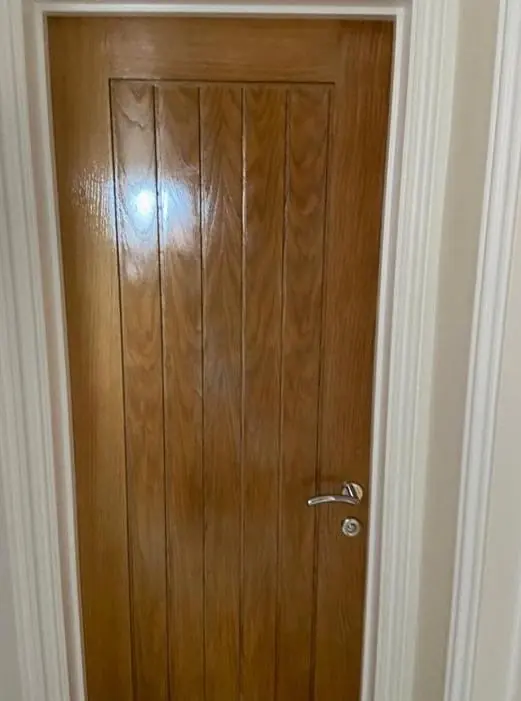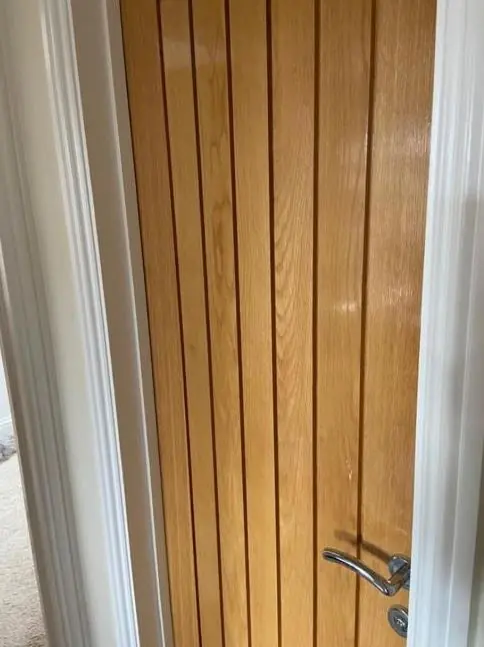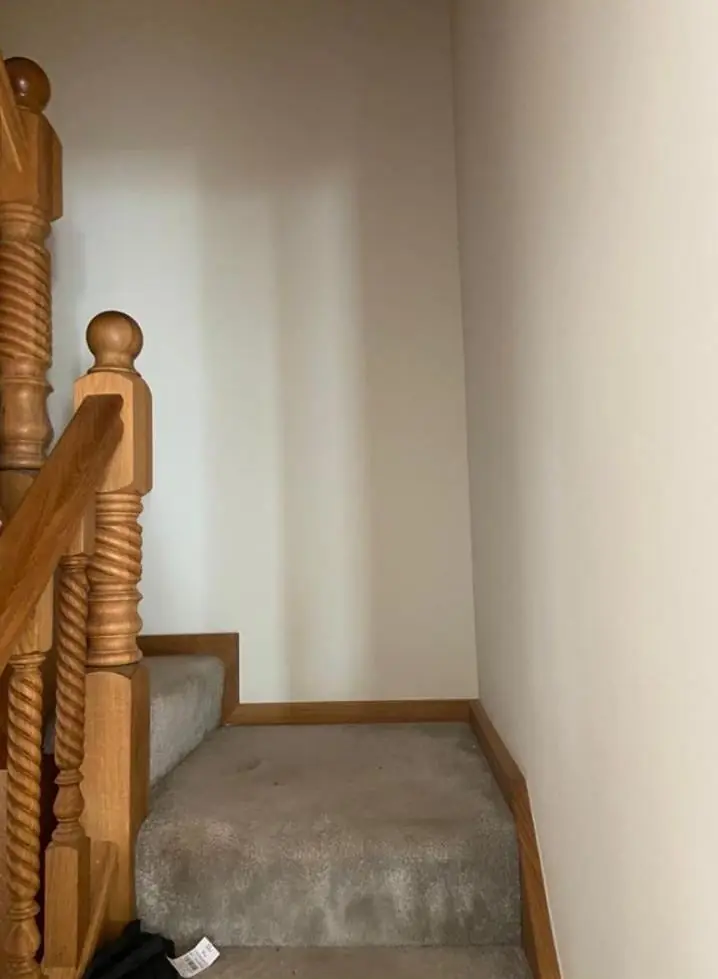
DH Painter & Decorator offers decorative paint finishes in Great Billing, about 3.9 miles east of Northampton town centre. In the village's Georgian and older stone houses that means traditional, period-appropriate interior work; in the newer homes around it, feature walls and painted panelling.
Period rooms in the old village
Great Billing’s conservation area holds a cluster of Georgian houses, some of them three storeys, notably on Cattle Hill and Elwes Way. The Manor House and Manor Lodge on Elwes Way date from the 18th century, and the Old Rectory is late 17th century, refaced in smooth ashlar. Houses of this age suit traditional decorative work inside: picking out panelled doors and shutters, painting dado and picture rails in a contrasting tone, or giving a fireplace surround a careful hand finish.
Decorative work in these houses is interior only. Outside, the 2018 appraisal discourages any coating on bare stone, so faux or painted effects on a frontage are off the table, and the honey limestone and ironstone are part of the street’s character. Inside is where period colour and detail belong.
Working with what is original
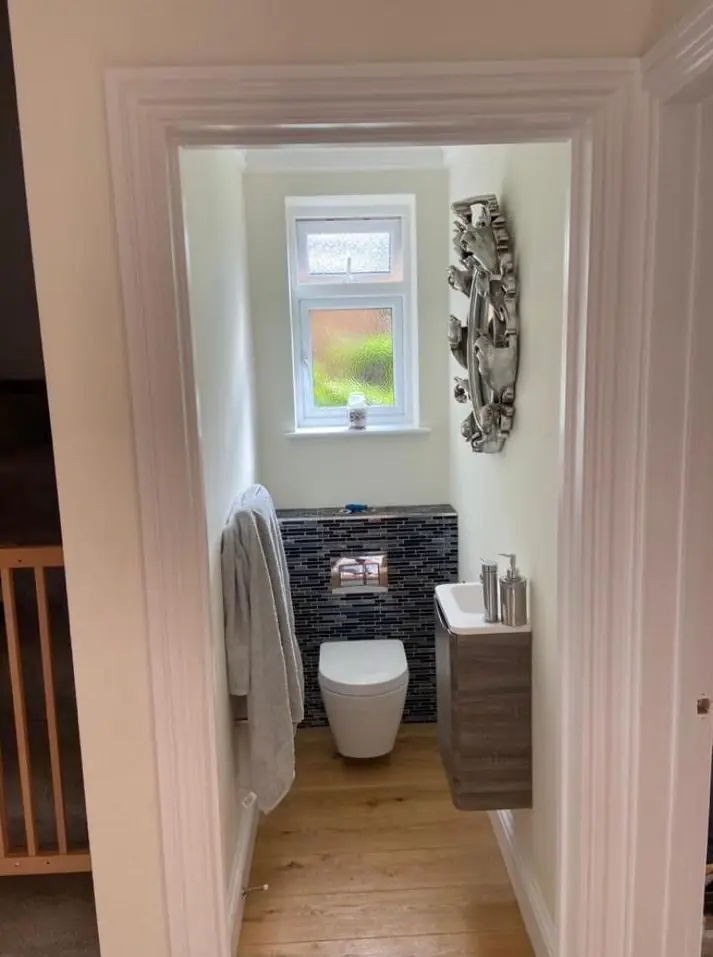
Before suggesting any finish in an older house, we look at what has survived. If a room still has original panelling or moulded joinery, the aim is to show it off rather than bury it under effects. Points we consider:
- Layers of old paint can fill fine mouldings. Careful preparation brings the detail back before anything new goes on.
- Traditional oil-based or period-appropriate eggshell finishes often sit better on old joinery than modern acrylic sheens.
- Several of the older houses here, including 1 Cattle Hill, 23 Elwes Way and the Manor House, are listed grade II. Stripping historic finishes or painting previously unpainted woodwork can need listed building consent, so check before work starts.
Tall stairwells in three-storey houses
Some of the Georgian houses in the old village, and the 19th-century Chapel Row, run to three storeys with tall stairwells. A stair hall is where period decoration has the most effect: a painted dado line that follows the rake of the stair, a handrail and balusters picked out in a darker tone, or a deeper colour below the rail and a paler one above. Working at those heights needs staging, which we plan when we quote.
Barns, stables and the coach house
Homes made from farm buildings, or from the outbuildings that once served Great Billing Hall, have a different character. Exposed beams, thick stone reveals and tall or sloping ceilings mean a decorative approach that respects the building’s working past. Limewash-style or textured colour washes on lime plaster can suit these spaces, as can a strong single colour on one wall that the timbers frame. Breathable, lime-friendly paints are the starting point. We would advise against heavy faux effects that fight the honesty of the building.
Feature walls in the newer homes
The modern houses, from Lady Winefride’s Walk over the old Hall site to the mid-1990s Cumbrae Drive estate and infill such as Old Carpenters Close, are brick with flat plasterboard walls. Those are a good surface for decorative work: two-tone splits, colour-blocked alcoves, painted panelling added to a plain hall or bedroom wall, or a layered paint effect on a chimney breast. Flat, consistent walls let effects read cleanly.
What we steer people away from
Some ideas do not suit Great Billing’s older buildings. Glossy or heavy plastic finishes on lime plaster trap moisture and fail. Faux stone or marble on real stone walls looks odd next to the genuine article. And distressing effects on genuinely old joinery can make it look as if it has been damaged. We will say so if we think a finish is wrong for the room.
For the full range of effects we offer, see the main decorative finishes page. The Great Billing area page explains how we cover the village from our Northampton base.
Last updated by Dean, DH Painter & Decorator.