DH Painter & Decorator covers Spencer, the largely residential NN5 7 district about a mile north-west of Northampton town centre, between Harlestone Road and Spencer Bridge Road. Dean has over 30 years in the trade and decorates its mid-century houses, flats, maisonettes, bungalows and newer homes, with free written quotes.
Where Spencer is, and where the name comes from
Spencer lies north of Harlestone Road (A428) and west of Spencer Bridge Road (A4500), with Dallington village to the north-west and St James to the south. Kings Heath Industrial Estate sits just to the north, Dallington Park forms the western edge, and Northampton railway station is roughly half a mile away. It is about a mile from the town centre, which makes it one of the closer districts we cover from our Northampton base.
The name goes back to the Spencers of Althorp. The Althorp estate bought the Dallington estate in 1863, and around 1880 the architect George Devey drew up a “Spencer Estate” garden village of villas and cottage rows for the 5th Earl Spencer on its eastern edge. The scheme failed for lack of interest. Devey’s five semi-detached dwellings at the corner of Spencer Bridge Road and St James’ Park Road survive, though heavily altered and modernised. The estate you see today came later: mostly 1930s-50s houses, with a high share of social housing on several streets.
The housing, era by era
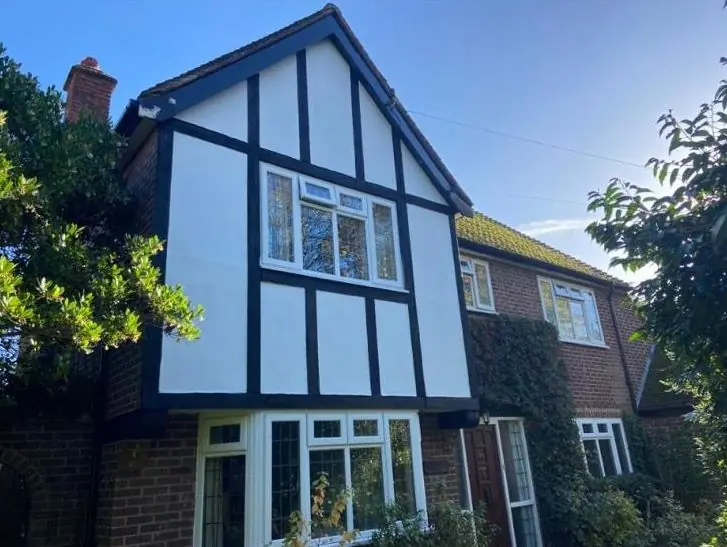
Build-age data from energy certificates shows Spencer was put up in distinct phases, and each phase brings its own decorating jobs.
| Era | Where | Homes |
|---|---|---|
| Late 1930s to 1950s | Pembroke, Tenby, Swansea, Monmouth, Streatfeild, Warren and Gladstone Roads | Semi-detached and terraced houses, some maisonettes |
| Around 1958 to 1986, mostly about 1971 | Cardigan Close, Spencer Haven, Newport Road | Flats, maisonettes and bungalows |
| 1986 to 2009 | Lyttleton Road | Flats and terraced houses |
| Mostly recent, median 2019 | Countess Road | Mainly flats, some terraced houses |
The building materials of the estate are not recorded in any published appraisal, so we assess each house when we visit rather than assuming. What is well documented is tenure. Several streets are mostly social housing, Countess Road’s newer flats are mostly privately rented, and owner-occupiers make up a significant minority, for example on Gladstone Road.
Inside Spencer homes
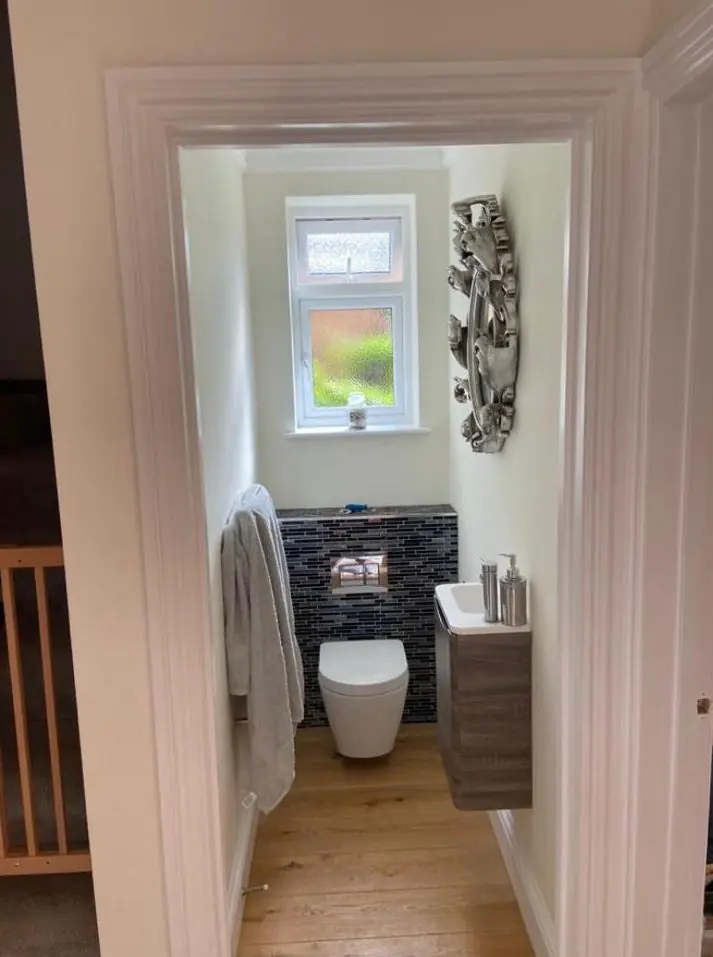
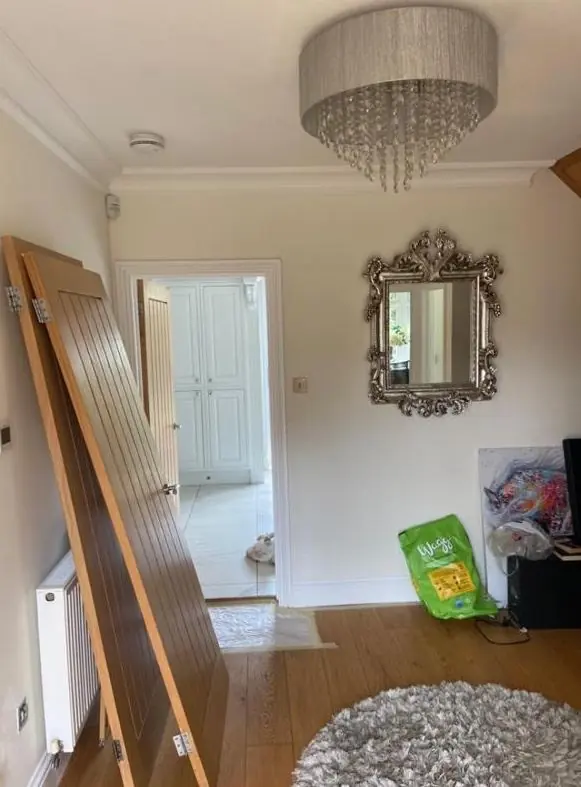
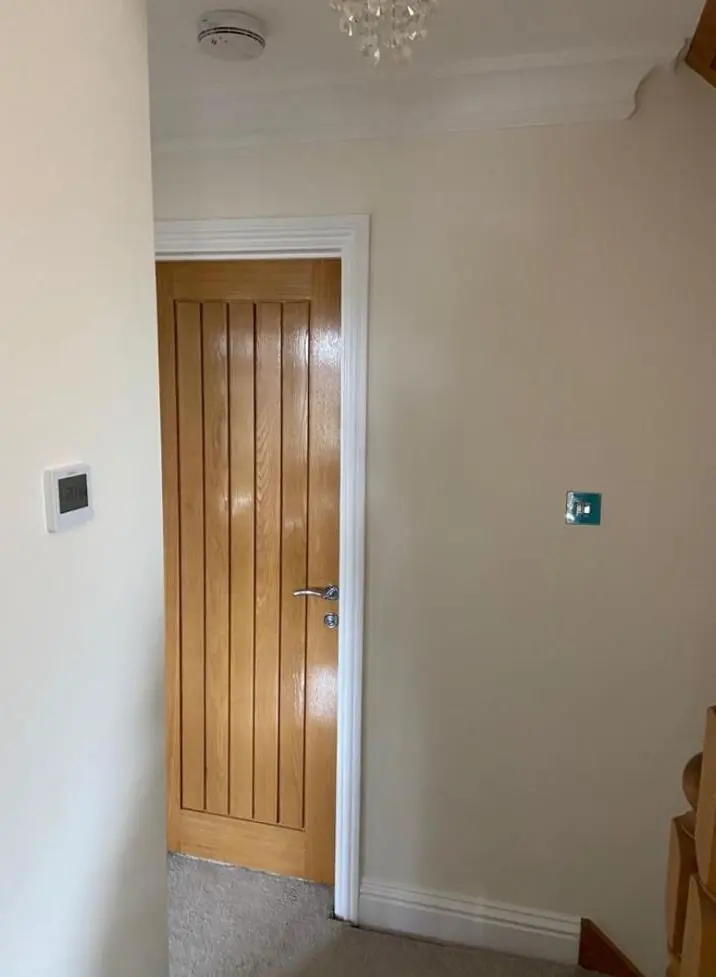
The mid-century semis typically keep their original chimney breasts and, in some rooms, picture rails, while their windows have generally been replaced. That makes most interior work here a matter of sound walls, level ceilings and tidy woodwork rather than restoration. Old paint build-up, sunken filler and stains from disused flues are the usual preparation issues. Internal doors and skirtings in these houses often carry many layers of gloss, which benefit from sanding back and a change to water-based satin that stays white.
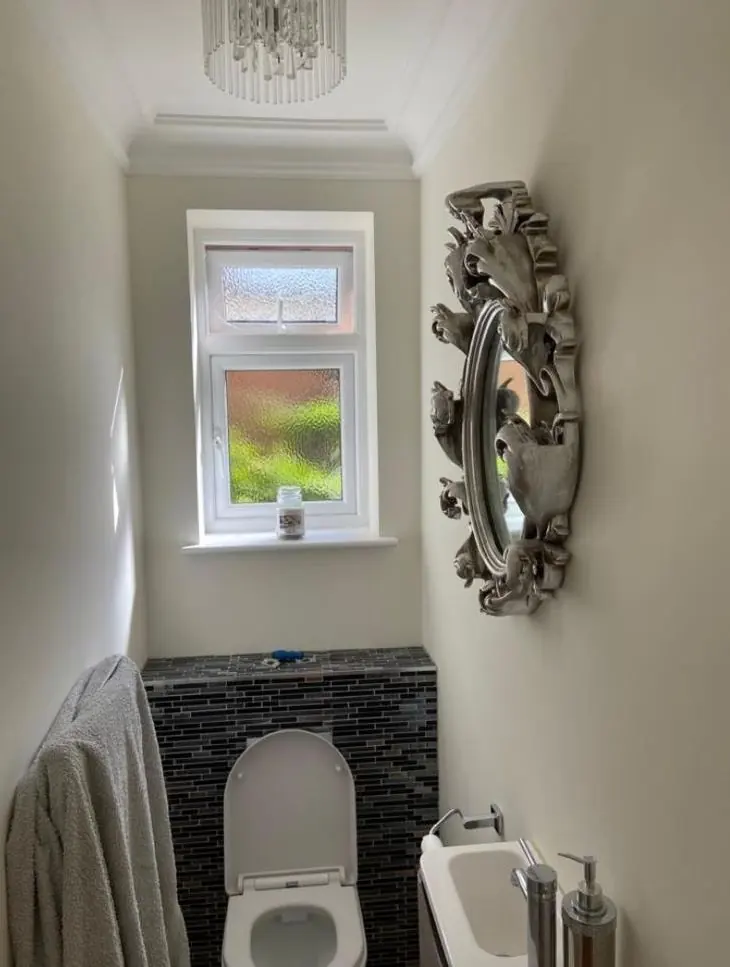
Owner-occupiers are the main market for interior painting and wallpaper hanging in Spencer, because social tenants usually decorate for themselves. Walls in houses of this age often need lining before paper. The newer homes on Lyttleton Road and Countess Road have flatter surfaces but can show settlement cracks, and extensions to the 1930s-50s semis bring fresh plaster that needs a proper mist coat before anything else goes on.
Outside: render, height and main-road grime
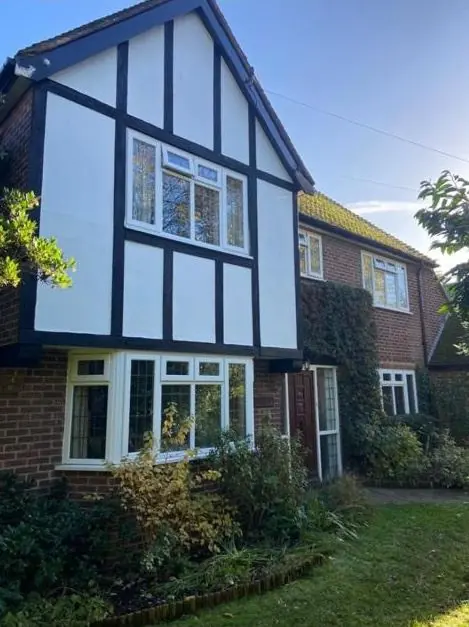
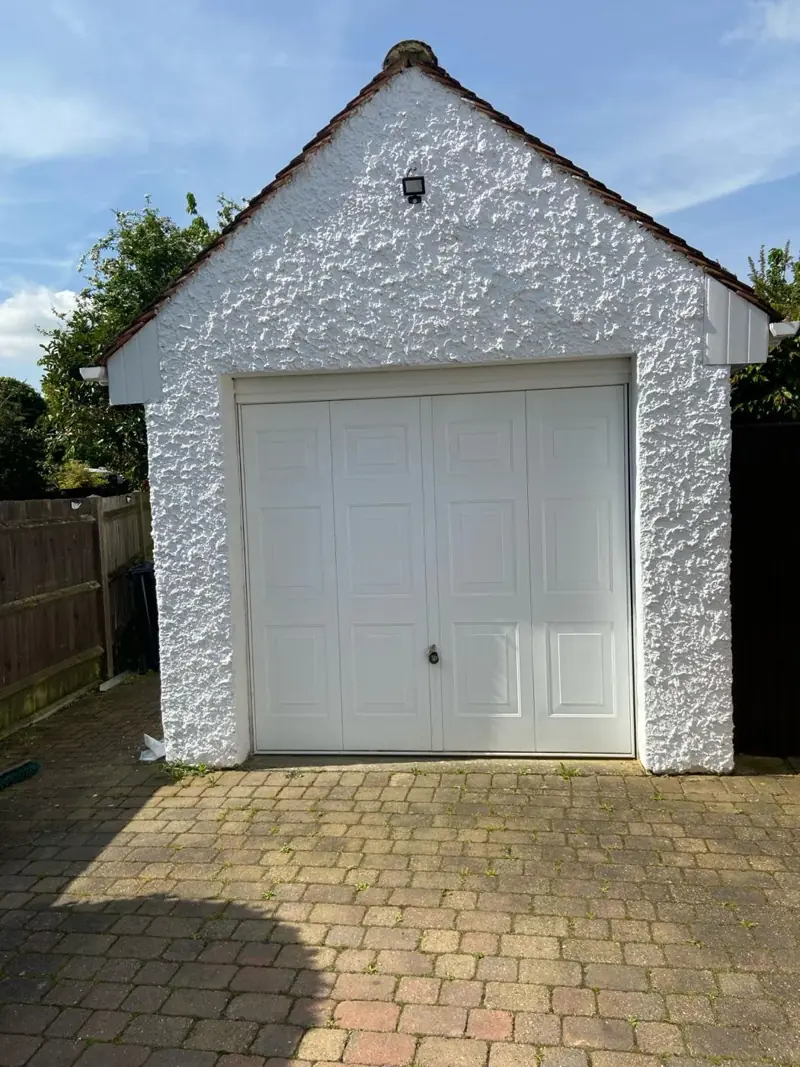
Many mid-century estate houses carry render or pebbledash on at least part of the front. Where they do, it needs crack repair and a breathable masonry paint; our guide to painting render and roughcast explains why the product matters. With windows mostly replaced, exterior work in Spencer tends to centre on masonry, fascias, doors and outbuildings.
The ground rises from about 64 metres on Lyttleton Road to more than 80 metres at the top of Gladstone Road, so the upper streets are more exposed to wind-driven rain and need careful preparation and a settled spell of weather. Down on the busy Spencer Bridge Road and Harlestone Road frontages the problem is traffic grime, which has to be washed off woodwork and masonry before any coating goes on, and parking for the work needs planning in advance.
The bungalows on Gladstone Road, Spencer Haven and Cardigan Close have low eaves, so fascias and soffits there can often be reached from steps or a low platform instead of scaffolding. Gardens behind the semis on Pembroke, Tenby and Swansea Roads have timber fences and side gates that want restaining every few years.
Flats, communal stairwells and rented homes
Spencer has a large share of social housing, so void and between-tenancy work for housing associations and the council is a big part of local demand. That usually means a set specification: durable, washable emulsions in consistent neutrals, finished quickly so the home can be re-let. Countess Road’s private-rental flats need similar fast refreshes, normally arranged through letting or managing agents who control access to the blocks. Our landlord and letting agent decorating service is set up for exactly that.
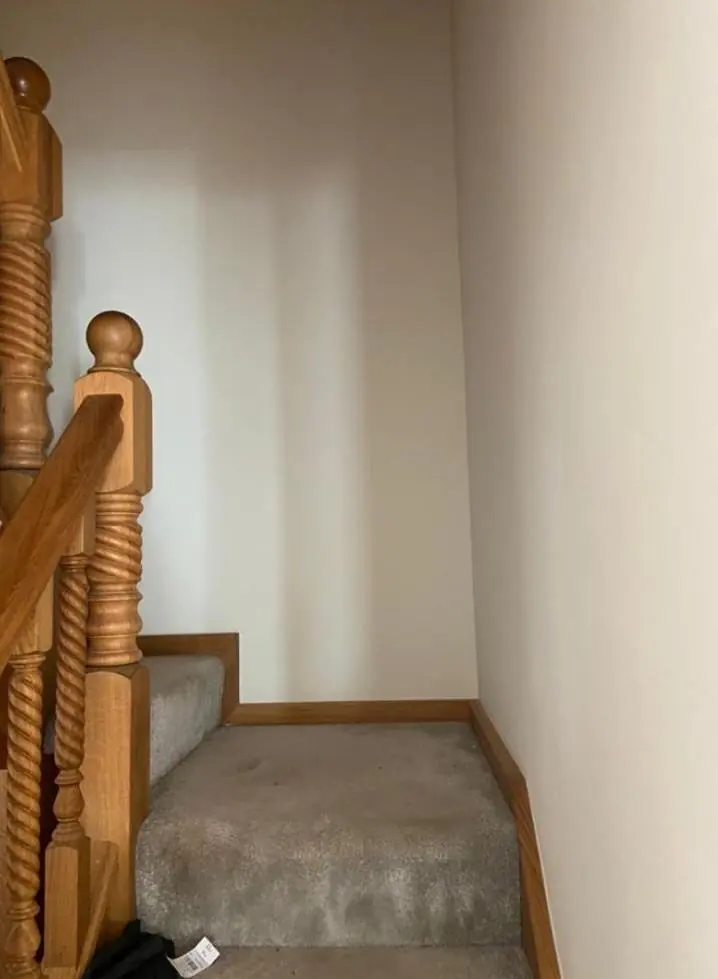
The maisonettes and flats around Cardigan Close, Newport Road and Streatfeild Road share communal stairwells, which need scuff-resistant finishes that can be wiped down. Since a 2020 Article 4 direction, turning a family house into a small HMO in Spencer needs planning permission, so rental work here leans towards self-contained lets and social housing rather than shared houses.
Schools, community buildings and corner shops
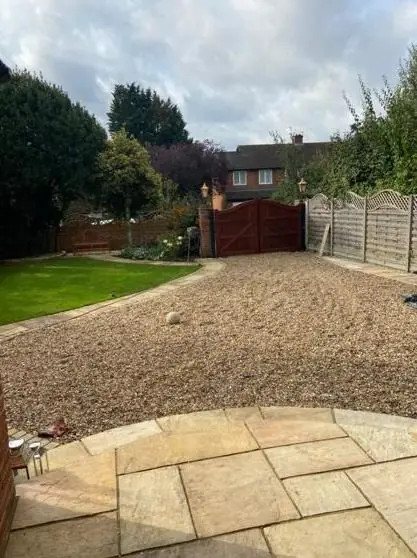
Spencer’s main non-domestic buildings are community ones: Earl Spencer Primary School on Streatfeild Road, St James CE Primary on Harlestone Road, Camrose Early Years Centre on Tenby Road, Spencer Dallington Community Centre, the Gladstone Centre and Elim Christian Centre on Gladstone Road, and Cardigan Close Community Centre. Railings and gates around schools, community centres and flat blocks suit maintenance painting with rust treatment. Commercial premises are small: convenience shops and takeaways on Gladstone Road, Warren Road, Dallington Road and Spencer Bridge Road, rather than a high street.
Heritage at the edges
No conservation area covers the Spencer estate, so colour changes on ordinary houses are not restricted by conservation rules. That is unlike Dallington village next door, whose conservation area dates from 1970. Two protected buildings sit in or beside the ward. The Spencer Club, formerly Broadlands, off Tennyson Close is Grade II listed: 17th-century ashlar now cement rendered, under a Welsh slate roof, where any work needs listed building consent considerations and a breathable approach. The Gospel Hall on Spencer Bridge Road, built in 1904-7 by Stevenson & Dorman as the institute of St James’ Church, is locally listed.
Getting a quote in Spencer
Dean visits, looks at the surfaces and gives a free written quote, whether the job is one room on Monmouth Road or a void flat on Lyttleton Road. We are fully insured. If you are comparing decorators, our guide on how to choose a painter and decorator sets out what to ask, and the cost guide explains what affects the price. Call 07539 779 036 to arrange a visit.
Last updated by Dean, DH Painter & Decorator.