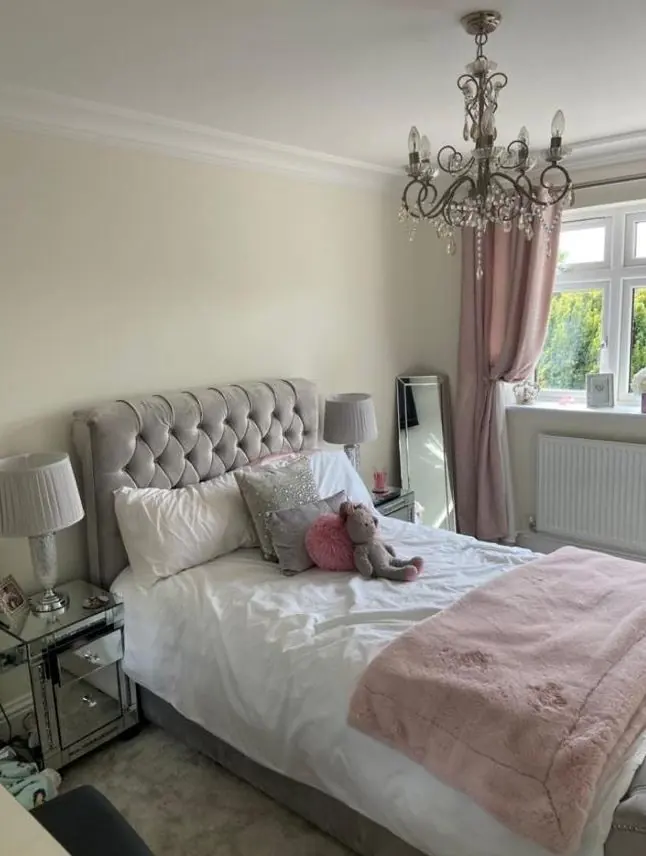
DH Painter & Decorator hangs wallpaper in Spencer, NN5, one mile north-west of Northampton town centre. Dean strips, repairs and lines walls in the estate's mid-century houses before hanging, and papers feature walls, full rooms and stairwells for owner-occupiers and landlords.
Who wants wallpaper on the Spencer estate
A large part of Spencer is social housing. Housing association and council homes are the majority on Pembroke Road, Lyttleton Road, Cardigan Close and Spencer Haven, and social tenants tend to decorate for themselves, with empty properties usually handed over painted plain. So wallpaper in Spencer is mainly a job for owner-occupiers, a solid minority on streets such as Gladstone Road, Swansea Road and Warren Road, and now and then from a landlord wanting one papered wall to lift a listing.
That shapes the job. People who own the house and plan to stay tend to want paper that lasts: a patterned chimney-breast wall, a hallway in something hard-wearing, a bedroom in non-woven paper that will strip dry when tastes change. Paper types and the hanging method itself are covered on our main wallpaper hanging page.
Why mid-century walls usually need lining first
The houses on those streets date from the late 1930s to the 1950s. After that many years of redecorating, a typical wall has been papered, painted over, stripped and patched more than once. Taking off the last layer often lifts the plaster skim in places, exposes filler that has sunk, and shows where sockets and cables were moved. Paint can disguise a little of that. Wallpaper hugs every bump, and a heavier pattern turns a shallow hollow into a shadow as soon as light comes across the wall from a window.
So on a Spencer house we expect to strip, fill, sand and then hang lining paper horizontally before the decorative paper goes up vertically. Lining also evens out suction between patched and original plaster, so paste dries at the same rate across the wall and the joints stay tight. Painted-over paper is common in houses this age; it needs scoring and longer on the steamer, and we allow time for it in the quote rather than discovering it on the day.
Newer homes are simpler. The houses on Lyttleton Road, built between 1986 and 2009, rarely need a full lining, though board joints and screw heads still need spotting and sanding.
Where paper suits these houses
- Chimney breasts. The original breast in a front room is the natural home for a pattern. The alcoves either side are seldom identical, so we set the pattern out from the centre of the breast so the design looks balanced from the doorway.
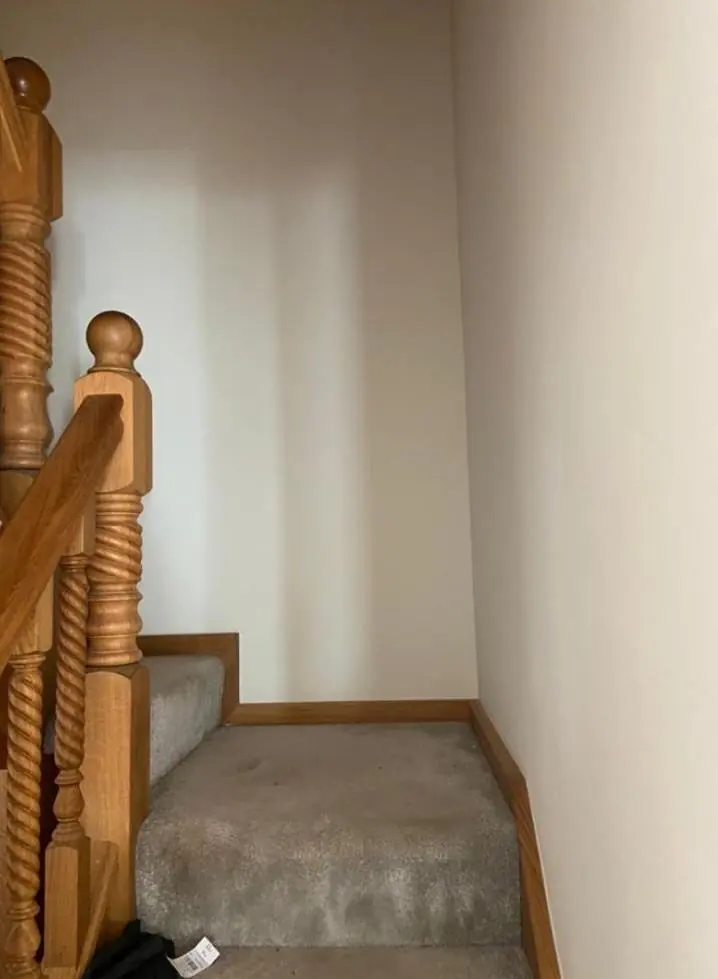
- Straight, compact stairwells. The two-storey semis have short, straight flights, which makes papering the stair wall more manageable than in a tall Victorian well. It still needs a proper stair platform, not a stepladder balanced on a tread.
- Bungalow rooms. The bungalows on Gladstone Road, Spencer Haven and Cardigan Close have lower, simpler rooms, so a fully papered room is a short job.
- Compact 1970s maisonettes. Around Newport Road, rooms are small enough that a modest repeat usually sits better than a large-scale print.
Paper in a rented flat on Countess Road
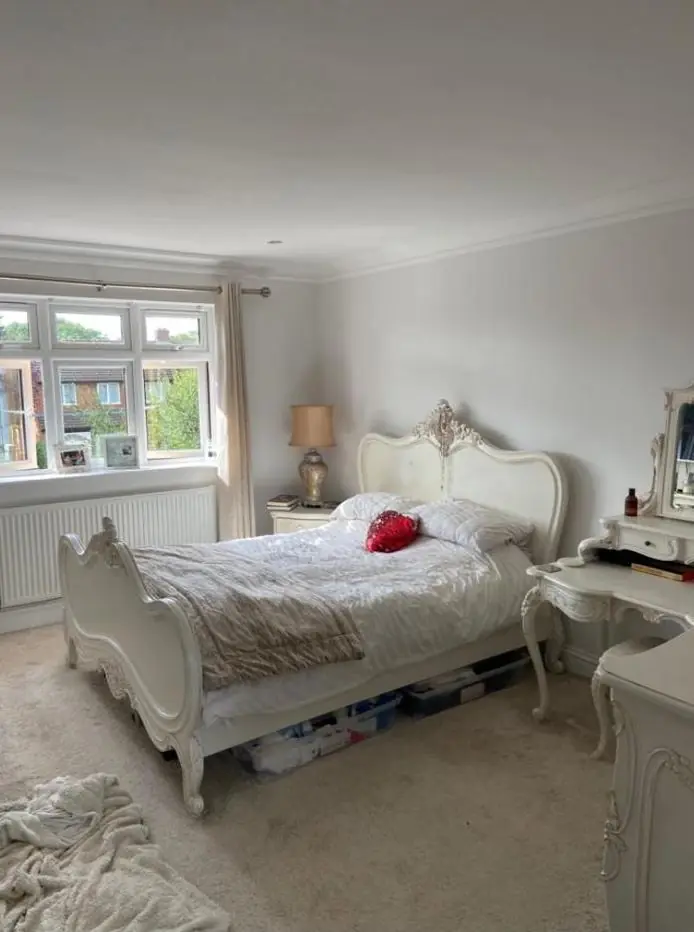
The flats on Countess Road are recent and mostly privately rented, in managed blocks. A tenant who wants wallpaper there needs the landlord’s agreement in writing first. Landlords generally prefer paint, or a single feature wall in a paper that strips dry, so the next turnaround is quick. Walls in a very new block may still be settling, and paper hung over a fresh hairline crack can split along it, so we check for movement before hanging and fill anything that has opened.
Spencer is about a mile from our Northampton base, so measuring up and checking the walls is easy to arrange, and the written quote is free. The Spencer area page lists the other work we cover in the district.
Last updated by Dean, DH Painter & Decorator.