Dean gives colour and finish advice to homeowners in St Crispin, the former hospital site about 2.6 miles west of Northampton town centre. Most questions here are either how to move on from builder magnolia in a newer home, or which colours sit well in a tall Victorian room.
Life after builder magnolia
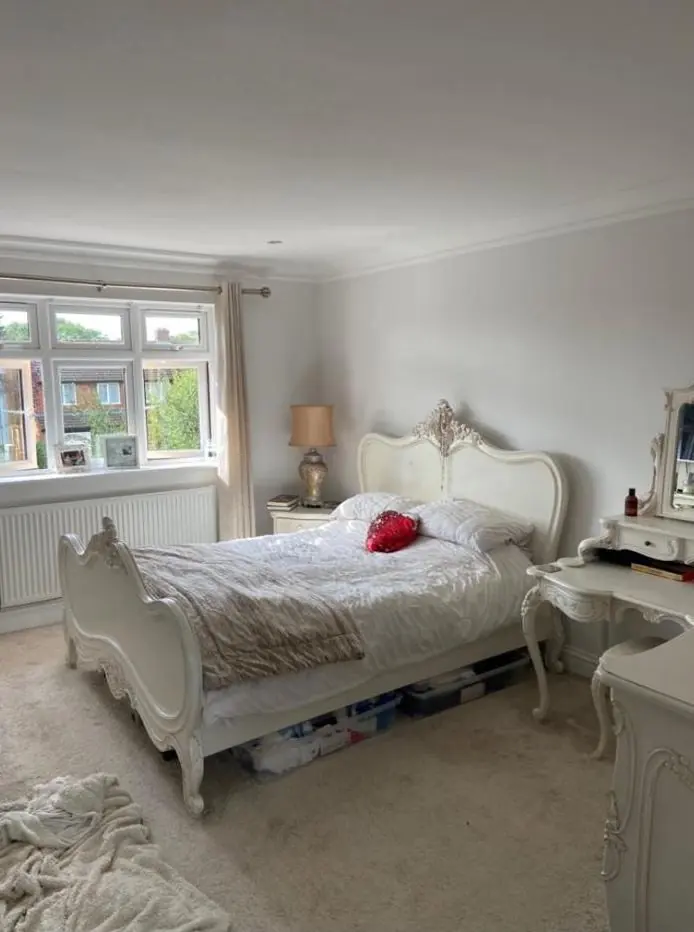
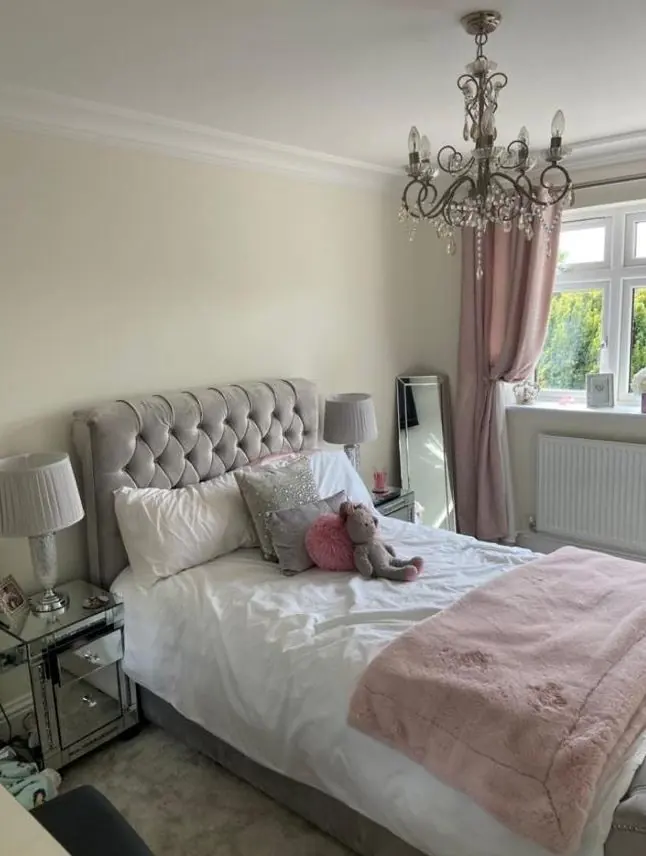
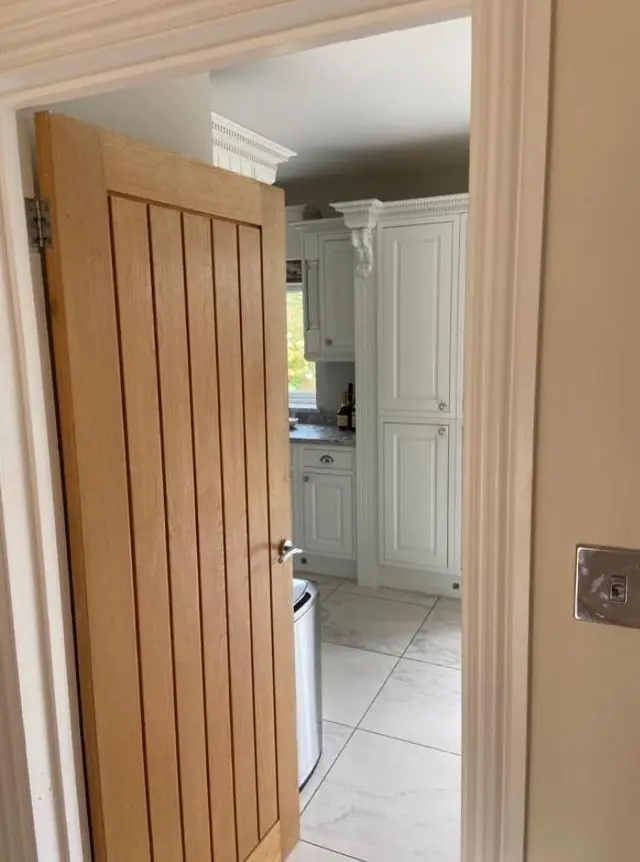
New-build owners in St Crispin often ask how to move on from builder’s magnolia once they have settled in. The difficulty in a three-storey townhouse is that the stairwell links every floor, so whatever you choose for the hall is seen from the top landing, the half-landing and the front door at once.
A good approach is to pick one calm colour for the stairwell and landings, then let each room off it go its own way. A darker shade in a top-floor dormer room can feel cosy under the sloped ceiling, while a ground-floor room that opens onto the garden may suit something lighter. Dean will look at the rooms with you, in the light you actually live with, and suggest how the colours connect from floor to floor.
Proportions in the converted Victorian blocks
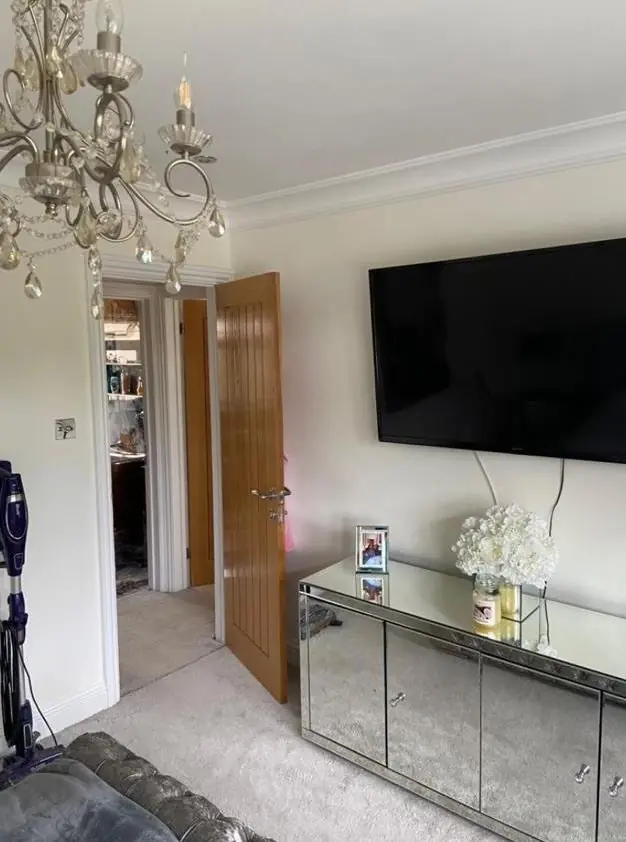
Flats in the former hospital buildings come with a different set of rules. Tall ceilings, large arched-head sash windows and, in places, surviving plasterwork give these rooms Victorian proportions that modern neutrals can make look bare. Some ways to handle them:
- Bring the ceiling colour a short way down the wall, or tint the ceiling slightly, to make a very tall room feel less stark.
- Use a deeper wall colour and a lighter woodwork shade to frame the windows.
- Pick out cornices and mouldings in a soft off-white rather than a brilliant white, which can look harsh against older plaster.
These blocks are red brick with blue brick and limestone around the window heads, so warm, earthy colours inside tend to sit more comfortably with the building than cold greys do. Woodwork in the deep window reveals is a good place for a slightly darker tone that echoes the outside.
Light on a raised site with trees to the north
St Crispin stands on raised ground with views south and west over the Nene valley, and Berry Wood and the mature parkland lie to the north. Rooms facing the valley can get strong afternoon light that bleaches pale colours, while rooms looking towards the trees can be shaded and cooler for much of the day. A colour that suits one side of a house may look quite different on the other, so we always test samples on the actual walls and look at them morning and evening.
Sheen matters as much as shade. In a busy townhouse stairwell, where bags and hands brush the walls on the way up three floors, a durable matt or eggshell will wipe clean far better than a flat chalky finish. In a tall converted room with raking light from big windows, a flatter finish hides small surface flaws that a sheen would pick out.
Front doors and the conservation area
The whole former hospital site is the St Crispin’s Conservation Area, designated in 1996. On the modern estate, front doors and garage doors give you the main chance to add outdoor colour. On the historic buildings, the brick and stone dressings should be left unpainted, and work on period joinery should use like-for-like finishes. If your home is in a listed building, check with West Northamptonshire Council before any exterior colour change.
Colour advice comes as part of a booked decorating job. Read more on our colour and finish advice page, or see the St Crispin area page for the wider picture.
Last updated by Dean, DH Painter & Decorator.