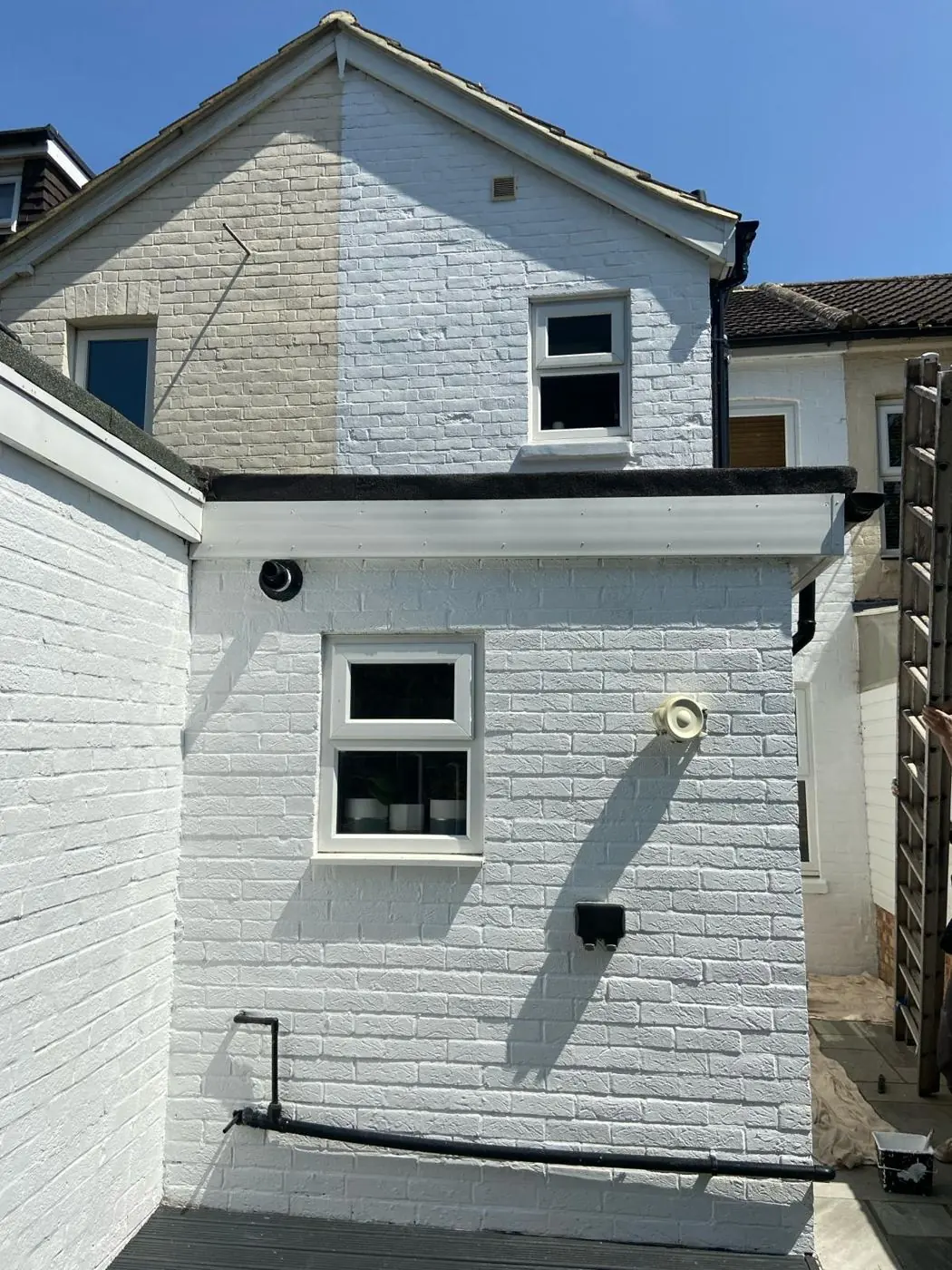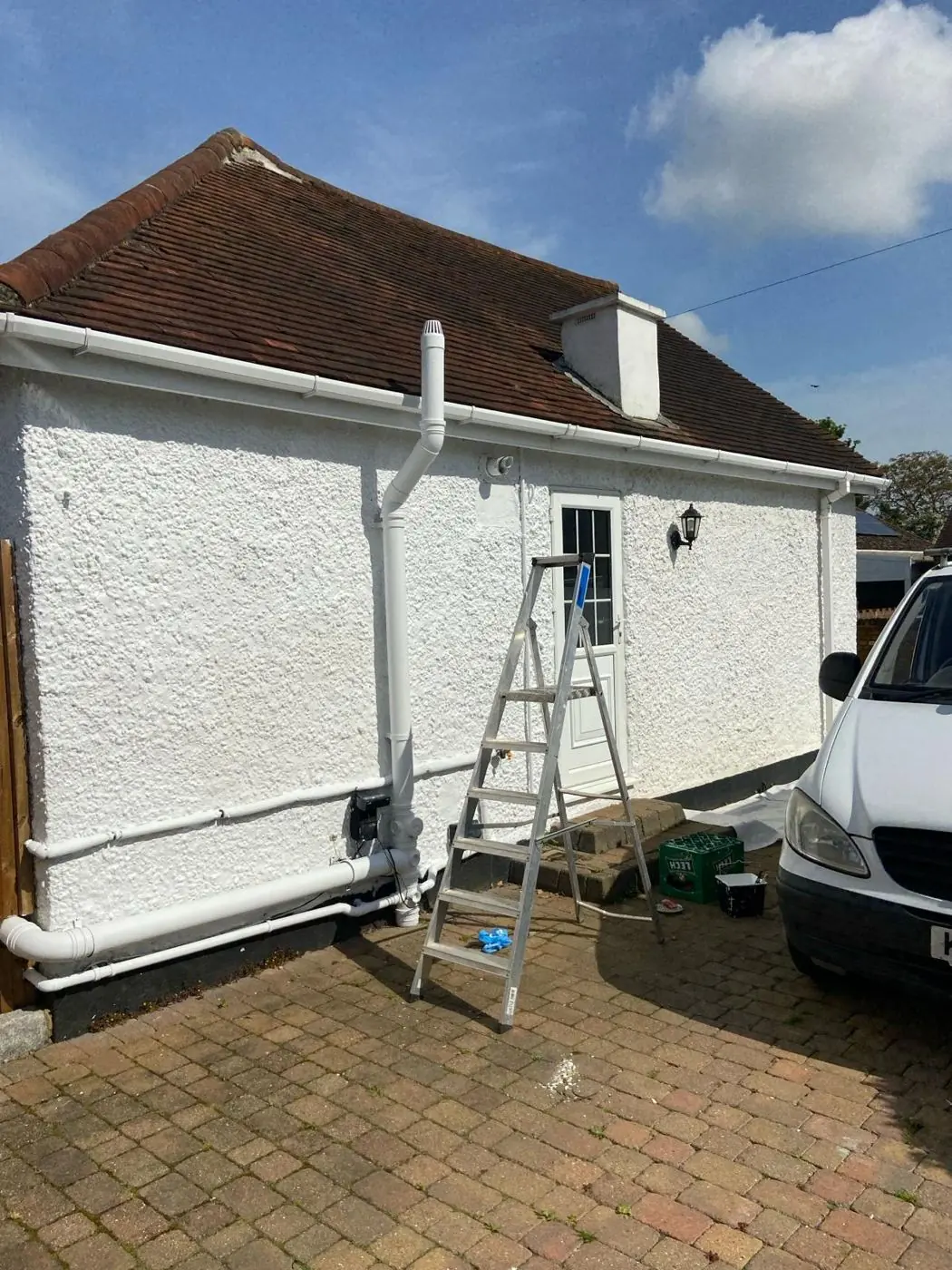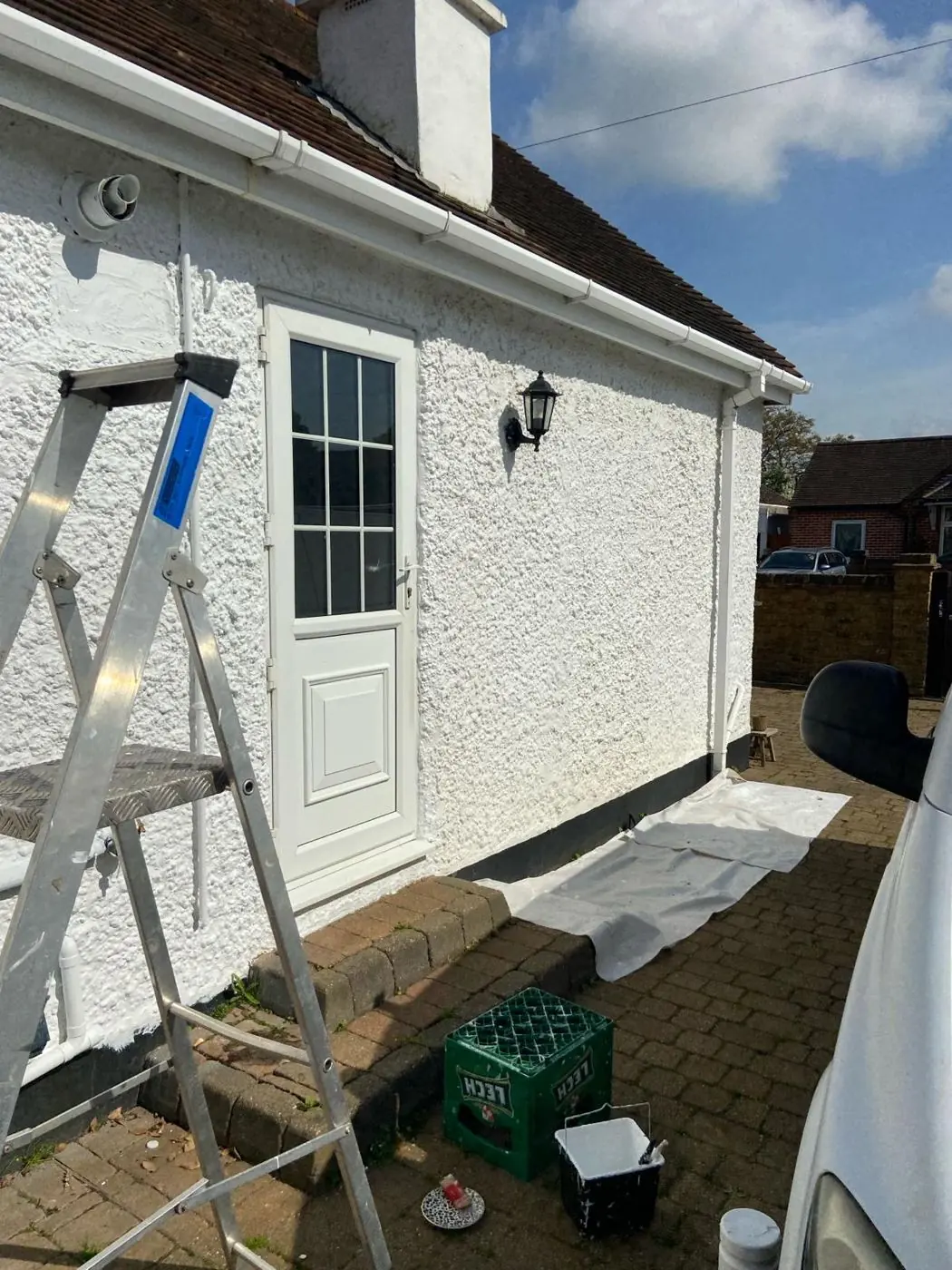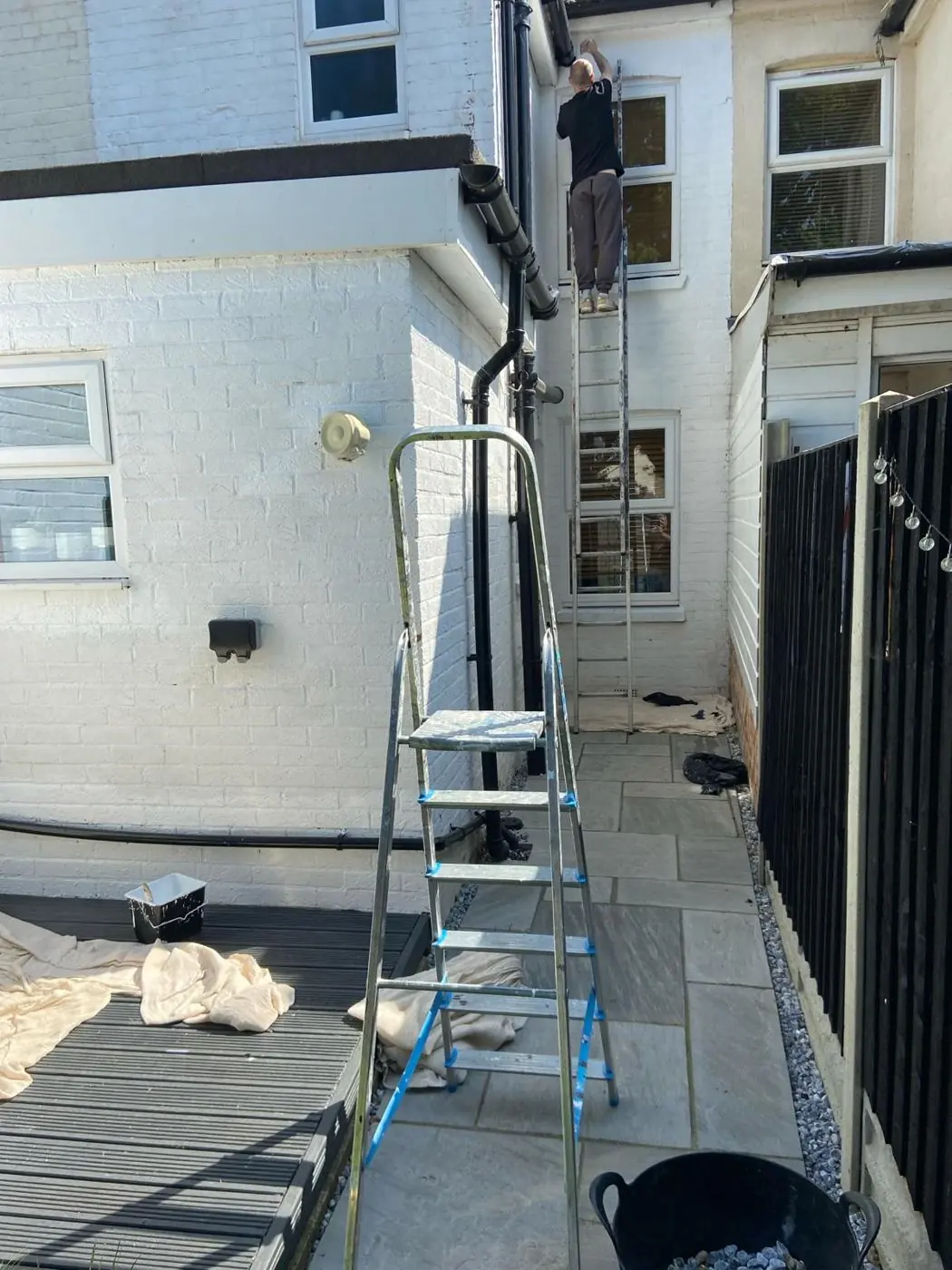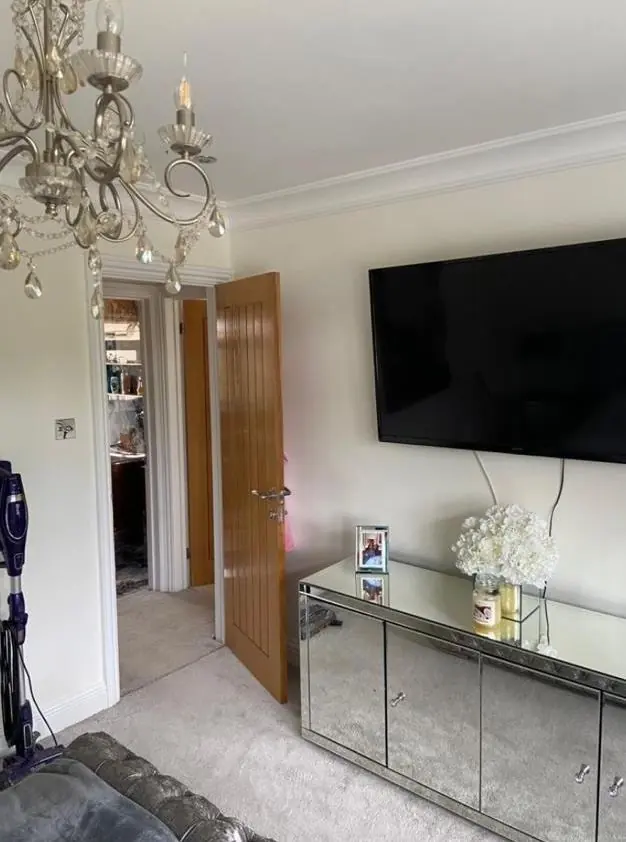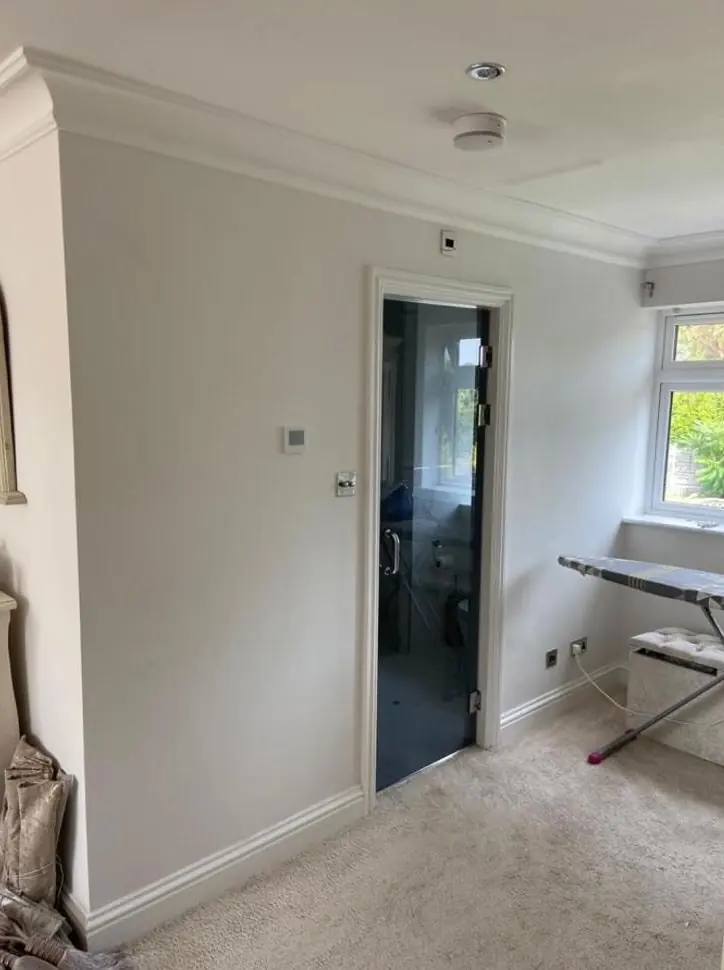
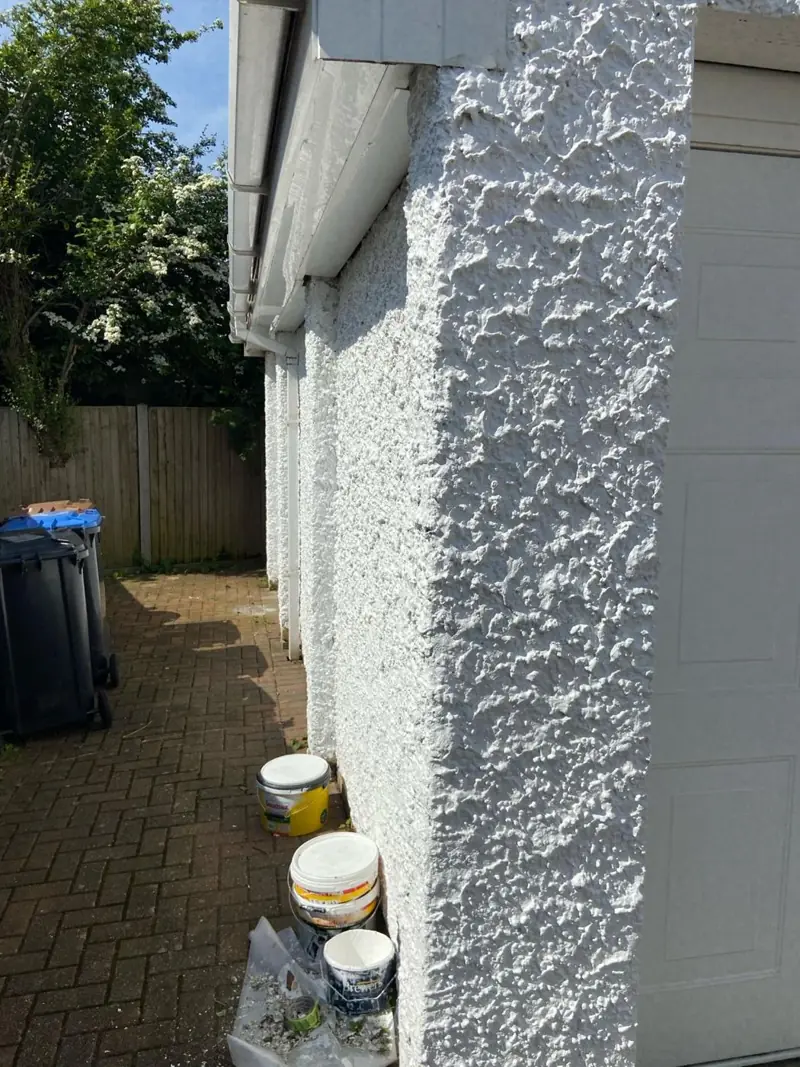
DH Painter & Decorator covers St Crispin from our Northampton base, about 2.6 miles west of the town centre on the north-western edge of Duston. Dean, with over 30 years in the trade, decorates the neighbourhood's modern townhouses and apartments as well as homes in the converted Victorian hospital buildings.
From county asylum to neighbourhood
St Crispin is one of the more unusual places we cover. It was built on the grounds of St Crispin’s Hospital, which opened in 1876 as the Northampton County Lunatic Asylum on land at Berrywood. It was renamed in the 1880s after the patron saint of shoemakers, a nod to the town’s boot and shoe trade, served as Duston War Hospital during the First World War, and closed in 1995. The neighbourhood sits in Upton civil parish rather than Duston, under West Northamptonshire Council, in the NN5 postcode.
Today, modern housing surrounds what is left of the hospital. The 190-foot clock tower still stands as a local landmark, the Grade II listed chapel faces Upton Berrywood Road, and Connolly Lodge, the 1886 isolation hospital, is also Grade II listed. Some of the Victorian blocks are homes now; others have been damaged by fires in 2000, 2014 and 2015 and are still awaiting conversion. Consent N/2015/1454 covers 235 dwellings on the remaining hospital core, so building work will be part of the neighbourhood for some time yet.
Three kinds of home on one former hospital site
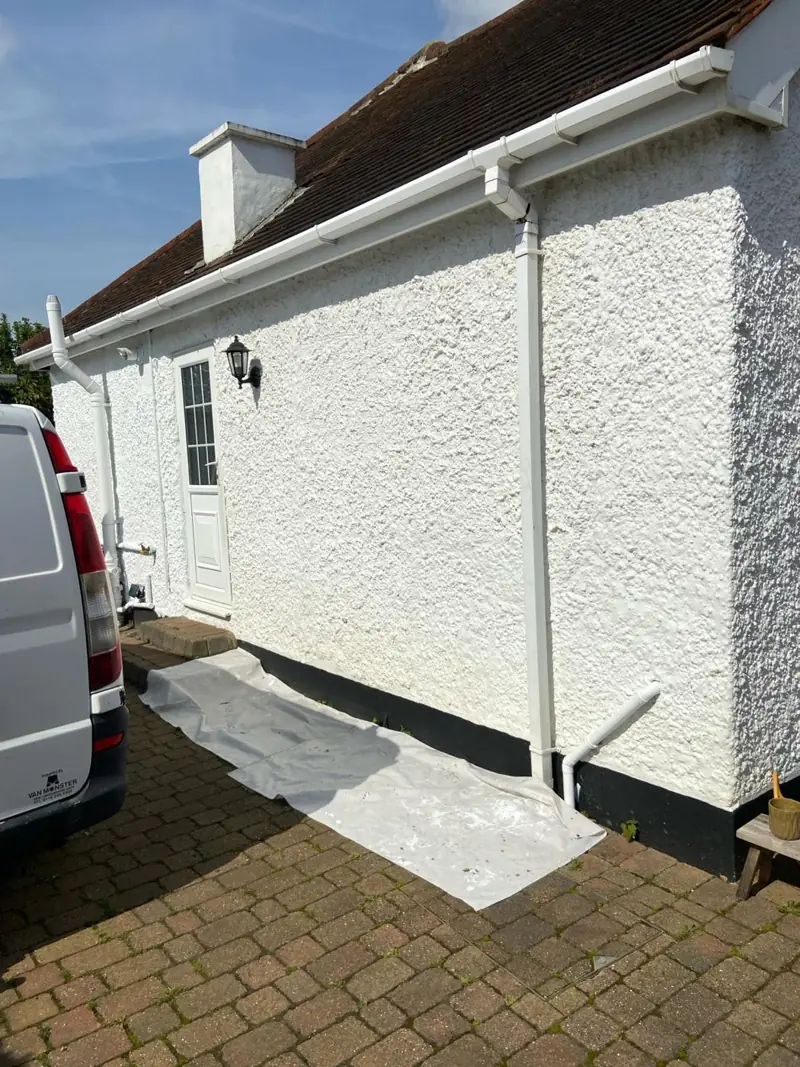
For a decorator, St Crispin splits into new townhouses, apartment blocks and converted hospital buildings, and the difference shows up in every quote.
| Type of home | What it is like | What it means for decorating |
|---|---|---|
| Modern townhouses and terraces | Three storeys in many cases, some with large second-floor dormers, uPVC double glazing | Tall stairwells, sloping dormer ceilings, fresh plaster in the newest phases |
| Apartment blocks | Flats such as St Georges House on St Crispin Drive, with shared halls and stairs | Private flats decorated like any home; communal areas usually arranged through a managing agent |
| Converted Victorian blocks | Keystone House, the former superintendent’s house and other conversions in red brick | High ceilings, big sash windows, possible decorative plasterwork, conservation-area setting |
The newer streets include St Crispin Drive, St Crispin Crescent and South Meadow Road. The older buildings cluster around the clock tower and administration block off Berrywood Road and Berrywood Close.
Inside the newer homes
Three-storey townhouses ask for planning rather than special skill. The stairwell rises through two flights to the top floor, so painting or papering it means a stair platform rather than a stepladder. The top-floor dormer rooms, with their sloping ceilings, are where most of the brush time goes. Because the hospital-core scheme is still being built out, some owners here are decorating over plaster that is only months old, which changes the order of work: seal it first, then wait for the house to show where it is going to move. Our interior painting and hallway, stairs and landing pages explain the methods.
Owners of newer homes also tend to ask about colour, usually because the walls are still in a builder’s magnolia. Factory-finished doors and skirtings in new builds often mark quickly too, and a proper undercoat and gloss or satin system holds up much better than the original thin coat.
Inside the converted hospital buildings
The Victorian blocks were built in red brick with Bath stone and limestone dressings, terracotta mouldings, slate roofs and large 30-pane sash windows with arched heads. Flats inside them have tall rooms and deep window reveals, which means more time at height and more careful cutting in. Where ornate plasterwork survives, picking out cornices and mouldings by hand is worth considering, and our decorative finishes page covers that work.
Papering a converted room is mostly about height: the drops are long, and the arched-head windows break the wall into awkward panels. The wallpaper hanging page has more on that.
Outside: what can be painted and what cannot
The whole former asylum complex and its parkland, from the rear of Southfield Road to bridleway LB8 and including the green, the cemetery and Berry Wood, is the St Crispin’s Conservation Area, designated on 18 September 1996. Upton Parish Council encourages sympathetic maintenance of historic features. In practice:
- Red brick and stone dressings on the historic buildings should not be painted.
- The chapel’s rock-faced ironstone is soft and porous, so only breathable, lime-compatible products are suitable, never acrylic masonry paint.
- Sash windows and the cast-iron cresting on Connolly Lodge are specialist restoration jobs, and changes to listed fabric need consent.
- On the modern estate, outside work is mostly front doors, garage doors, fascias, soffits, dormer trims and fences, since windows are uPVC.
Fascias on three-storey houses sit at second-floor height, so a tower is usually needed, often set up from a shared parking court. The fascia and soffit page explains that work.
Weather, trees and access
St Crispin sits on raised ground with views south and west across the Nene valley. That is pleasant to live with, but it leaves west and south-facing elevations open to wind-driven rain, which shortens the life of exterior paint on those sides. To the north, Berry Wood and the mature parkland bring shade and leaf fall, and north-facing render and fences can grow algae. A fungicidal wash before painting or staining deals with that; skipping it means the new coat fails early.
Access needs some forethought. Many homes have allocated bays or shared parking courts rather than private drives, and neighbours’ cars are often close by, so dust sheeting and overspray control matter. Communal stairwells in apartment blocks call for hard-wearing, scrubbable finishes, and the work is usually booked through the managing agent.
Metalwork is worth a mention too. The iron fence around St Crispin Cemetery Gardens has been under restoration since 2025, and cast-iron details survive on some historic buildings. On the modern estate railings are fewer, mostly around apartment blocks, but where they exist, rust needs taking back and treating with a metal primer before a top coat goes on. Garden fences shaded by the woodland need cleaning before staining for the same reason render does.
Quotes for St Crispin work are given after Dean has seen whether the job is in a new-build, an apartment block or one of the converted Victorian buildings, because access, preparation and paint choice differ between the three. For general guidance on budgets, see our painter and decorator cost guide.
Last updated by Dean, DH Painter & Decorator.