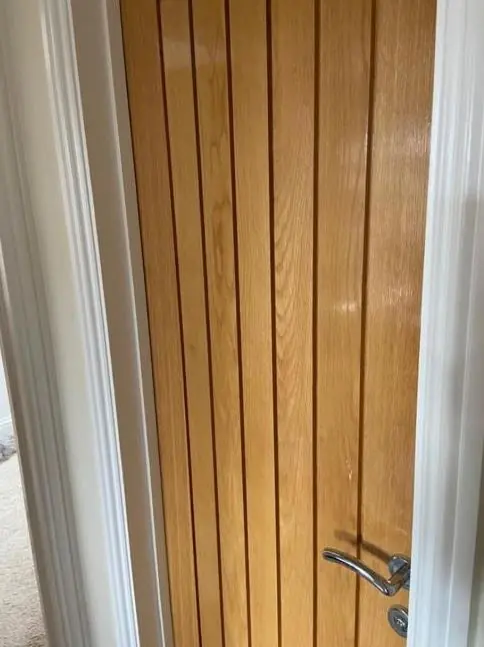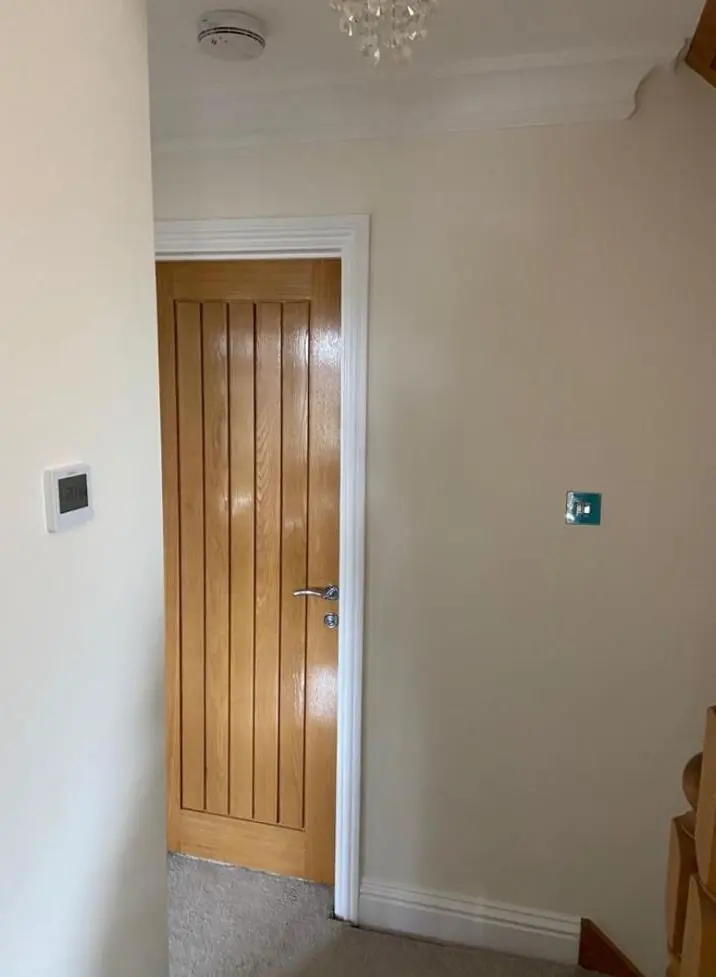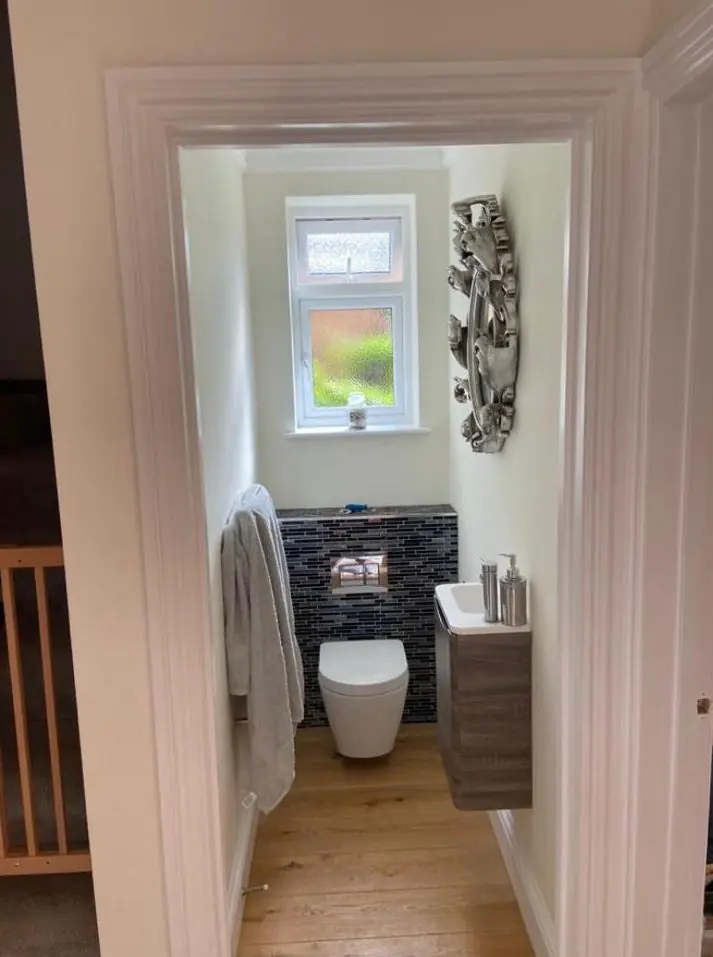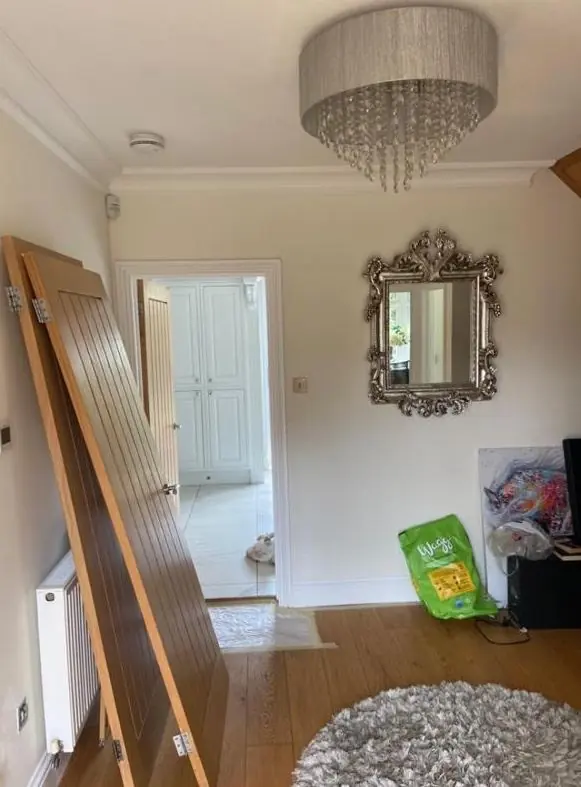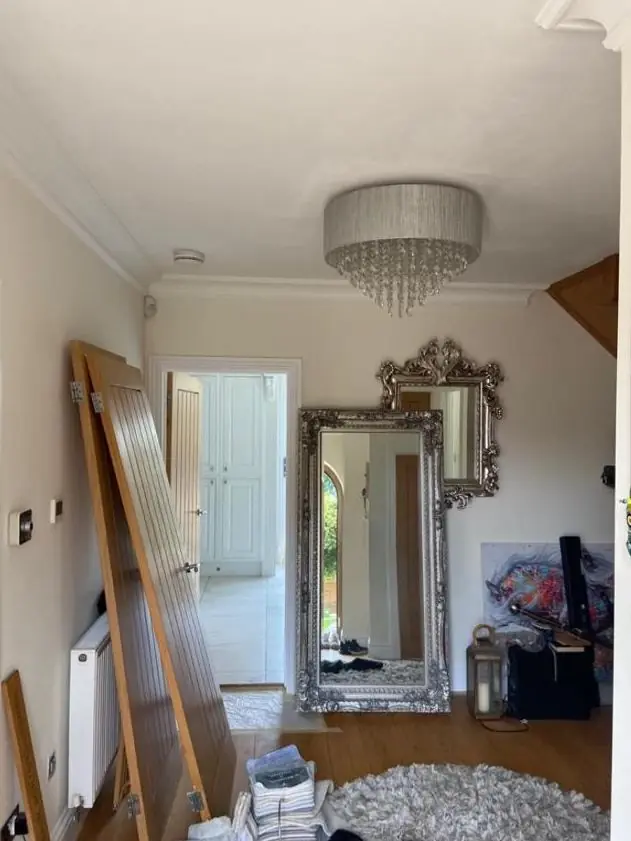
DH Painter & Decorator paints internal doors, frames, architraves and skirtings in St David's, the NN2 7 district east of the Kingsthorpe village core, about 1.9 miles north of Northampton town centre. Dean prepares and repaints joinery in the interwar terraces, the post-war semis and bungalows, and rented homes where doors need to stay sound and fire-safe.
Eighty-odd years of gloss on interwar joinery
Barnwell, Morris and Wakefield Roads, like most of the interwar heart of St David’s, have a modal EPC build year of 1939. Where the original internal doors and skirtings survive in houses of that age, they have usually been glossed over many times. Each layer rounds off the mouldings a little more, drips harden on the bottom rails, and the oldest coats underneath have often yellowed or crazed.
We do not simply add another coat on top. Built-up runs are cut back, loose and crazed areas are scraped and sanded, and the whole surface is keyed so the new paint grips. Where the build-up is so thick that doors catch on their frames, we can discuss taking the worst sections back further. For the finish, a water-based satin or eggshell is usually the sensible choice here: it stays whiter for longer than oil gloss and is less shiny on dented old timber.
Testing for lead on the oldest streets
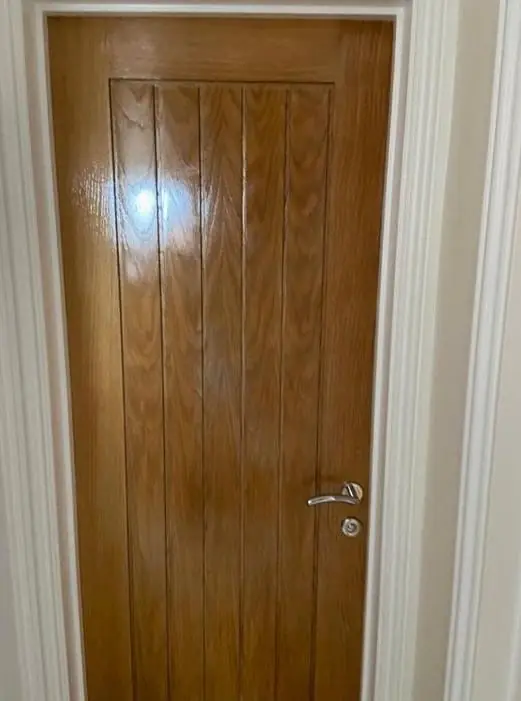
Going by EPC age bands, the typical St Davids Road house dates from about 1914, and Langdale Road has homes as old as 1900. Paint applied to joinery before the 1960s can contain lead, so in these older houses we treat the bottom layers with caution. We test before sanding, and where lead is likely we use wet abrasion and scraping rather than dry power sanding, keep dust contained, and clear up as we go. That matters in small terraced houses where children and pets are never far from the work.
The 1950s houses on Eastern Avenue North and South, Bondfield Avenue, Holdenby Road and Helmdon Road are a different job. Their joinery may have been replaced at some point, and the preparation depends on what is there: smooth factory-primed doors need a light key, while older painted ones need the same filling and sanding as the terraces.
Fire doors in rented homes and the flat blocks
A sizeable share of St David’s is rented, and the area has been under Northampton’s HMO Article 4 controls since 2011. In a shared house or a flat, internal doors may be fire doors, and painting them carelessly can stop them working. Seals and intumescent strips are masked rather than painted, edges are kept thin so the leaf still shuts against its stops, and the gap round the door stays as the fitter left it. If a door looks damaged or a seal is missing, we tell you rather than paint over it.
Most homes in the Newnham Road and Drayton Walk flat blocks are let by a social landlord, and their front doors are often the responsibility of the housing provider, so please check before booking us to paint a flat entrance door. Doors and skirtings inside the flat are usually fine to decorate.
Keeping a small terrace usable while the woodwork dries
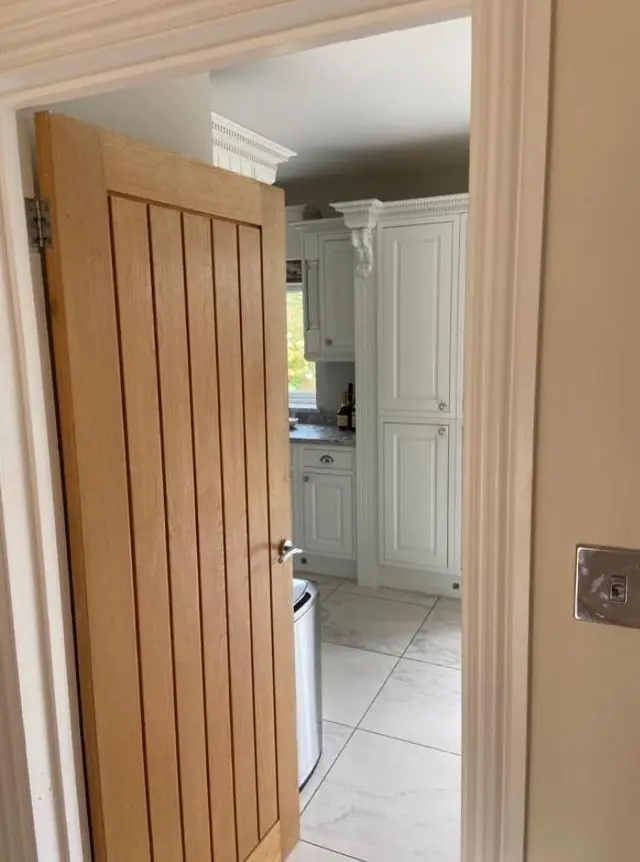
In a mid-terrace house the doors open off a small hall or straight from room to room, so a full set of doors cannot all be off limits at once. We work through them in an order that leaves you a route through the house, wedge doors open while they dry, and fit dust sheets along the skirtings in the rooms we are using to get in and out. Skirtings are painted last in each room so they are not scuffed by ladders or kneeling boards. Water-based paint means low smell and quicker drying, so bedrooms can usually be used the same evening.
On the terraced roads you should expect on-street parking, so it helps to let us know where the van can stop.
- Doors: both faces, edges, frames and architraves
- Skirtings, including caulking the gap to the wall
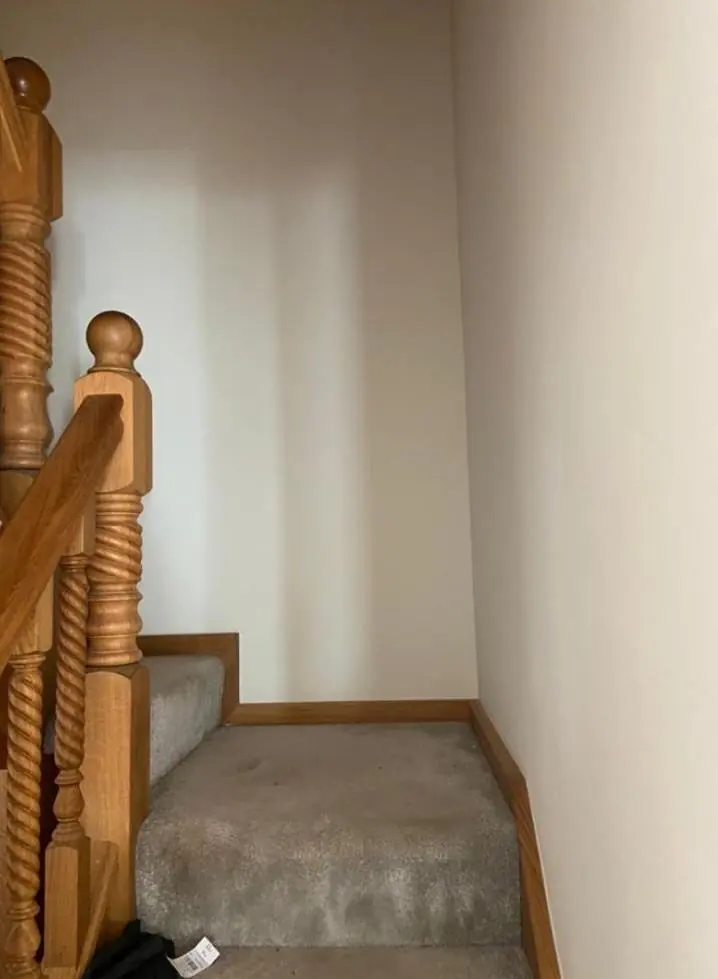
- Window boards and stair spindles where they match the rest
You can read how we approach woodwork in general on our door and skirting painting page, and see the wider picture of local housing on the St David’s area page.
Last updated by Dean, DH Painter & Decorator.