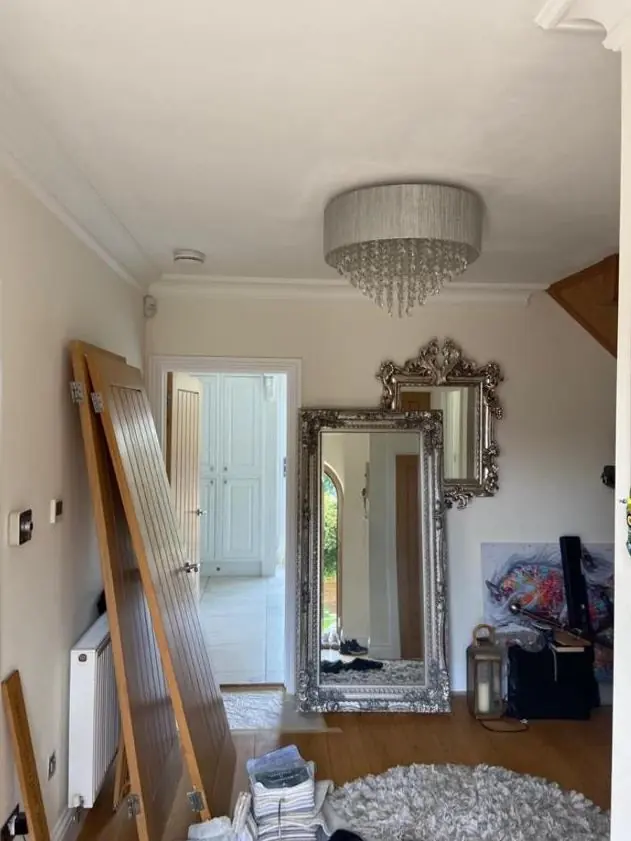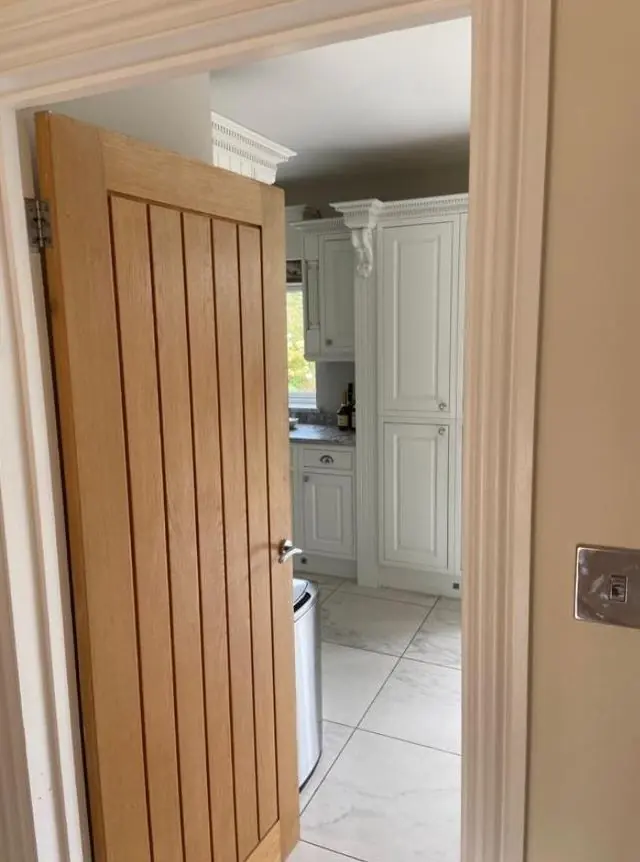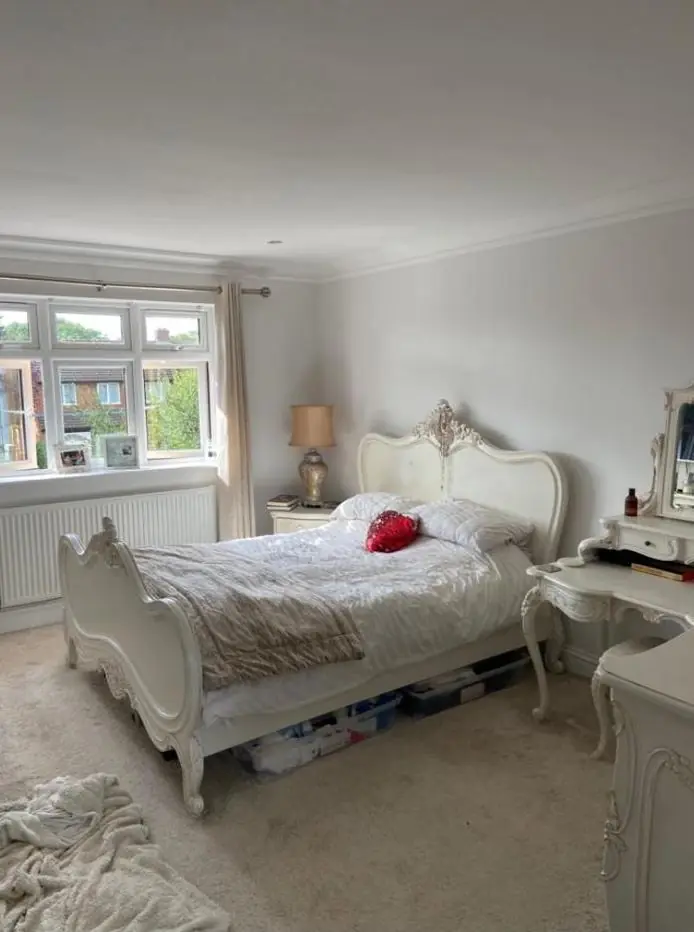
Dean gives colour and finish advice to St David's households and landlords as part of a decorating job. St David's is in NN2, about 1.9 miles north of Northampton town centre, and the advice comes with a free quote for the painting.
No conservation area, so the choice is yours
A few streets to the west, around the old Kingsthorpe village core, homes sit in a conservation area, where some outside changes are restricted. St David’s has no conservation area. The only Article 4 directions affecting it deal with converting houses to HMOs, not with appearance. That means a front door, a rendered front wall or a garden fence can be painted the colour you want, without heritage rules to check.
That freedom has a downside. On a terrace, your front wall is one of a row, and a very strong colour can look out of place. Before you commit, we suggest looking at the whole row from across the road, not just a sample on your own wall. On the semis the decision is easier, because only one neighbour shares the frontage. Front doors on the estate are a good place for a stronger colour: on homes where the windows are now uPVC, the door is often the only painted feature on the front.
Advice for landlords and housing providers
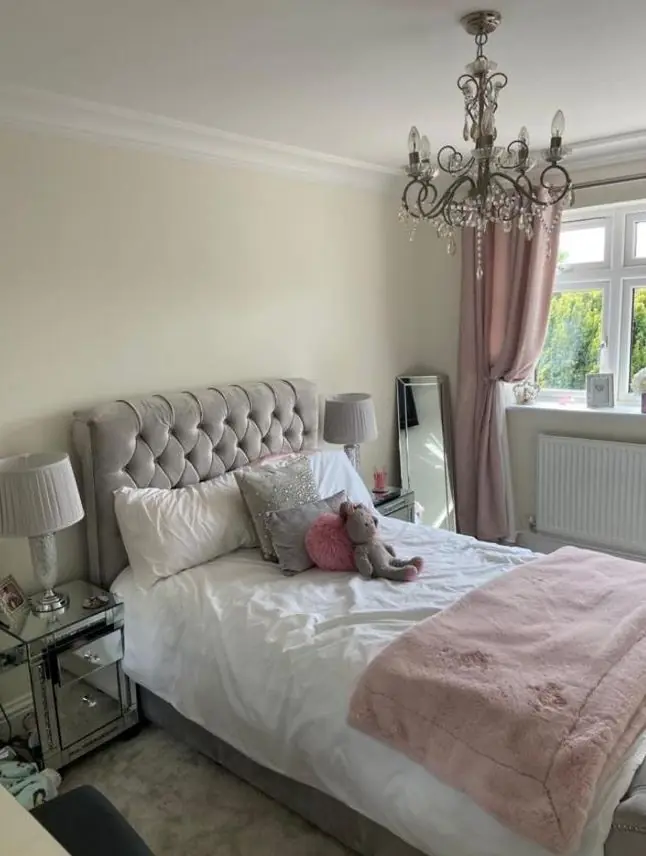
A large share of the homes in St David’s are rented. On Cranford Road, 69 of the sampled homes were social housing and 25 privately rented. On Newnham Road the figure was 93 social homes out of 134, and on Drayton Walk 135 out of 173. For these homes the colour question is mostly practical:
- One warm neutral used across every rented property, so touch-ups between tenants match without guesswork.
- Scrubbable matt or soft sheen on hall and stair walls, where furniture gets carried in and out.
- Eggshell or satin on doors and frames rather than gloss, which yellows and shows every knock.
- Recording the exact colour and product used, so the next void repaint starts from the right tin.
Communal stairwells in the 1970s blocks need a slightly deeper shade on the lower walls, or a different colour below a dado line, to hide scuffs. Our landlord decorating page explains how we handle between-tenancy work.
Owner-occupied semis: room for a personal scheme
Eastern Avenue North and the other 1950s roads have more owner-occupiers, and that is where colour advice tends to be about taste rather than durability. Typical questions are how to join a new rear extension to an older front room, or how to carry colour from a refitted kitchen into the hall. Dean visits at the time of day you mainly use the room, because the light on the front and back of a semi can differ a lot.
Light, outlook and finish
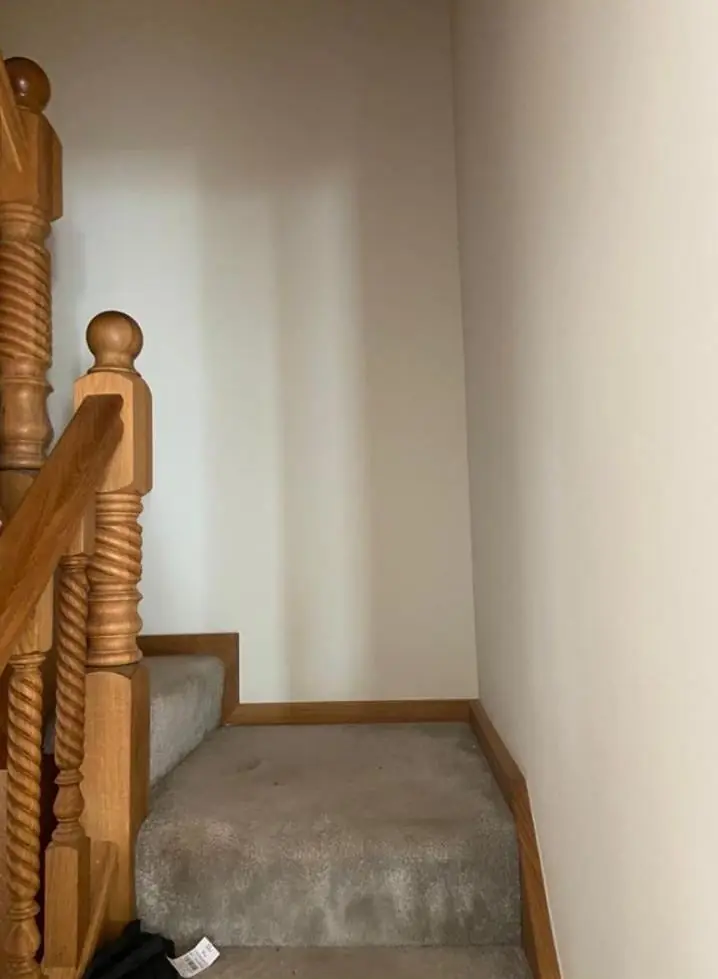
Homes near St David’s Open Space and the eastern edge towards Bradlaugh Fields have a lot of green outside the window. Light reflected off grass and trees can make cool greys look greener than on the chart, so we try samples on more than one wall. The semi-detached bungalows have most rooms at ground level with gardens close to the windows, which deepens that effect. Colours chosen in a shop under strong lighting often look darker in these rooms, so a shade one step lighter than your first pick is usually safer. On the terraces, small back rooms with a single window often suit a lighter wall colour with a slightly deeper ceiling than you might expect. Finish matters as much as colour: on uneven interwar walls a dead flat matt hides imperfections that a sheen would show.
The general method, from undertones to sample testing, is on our main colour and finish advice page. You can read more about the area on our St David’s area page.
Last updated by Dean, DH Painter & Decorator.