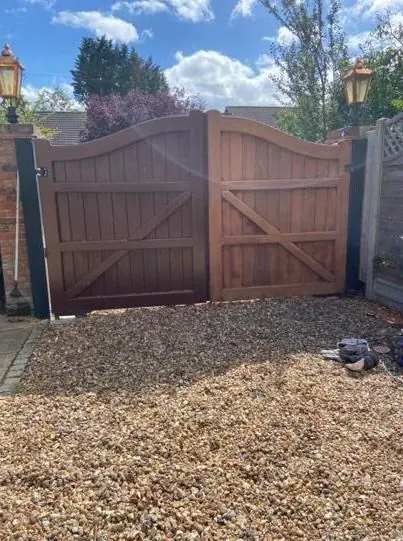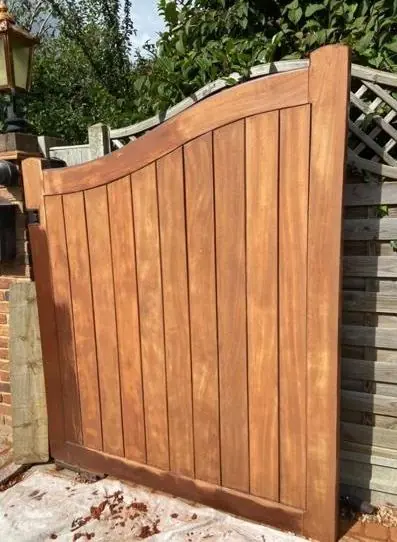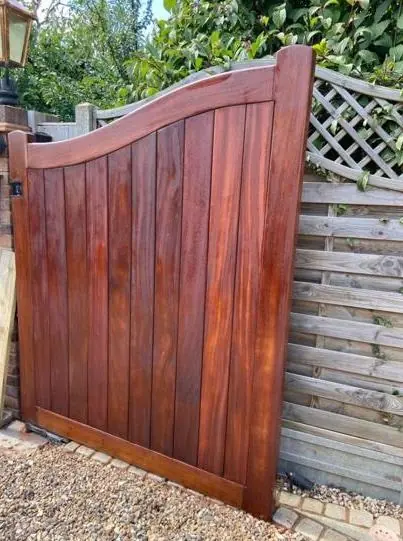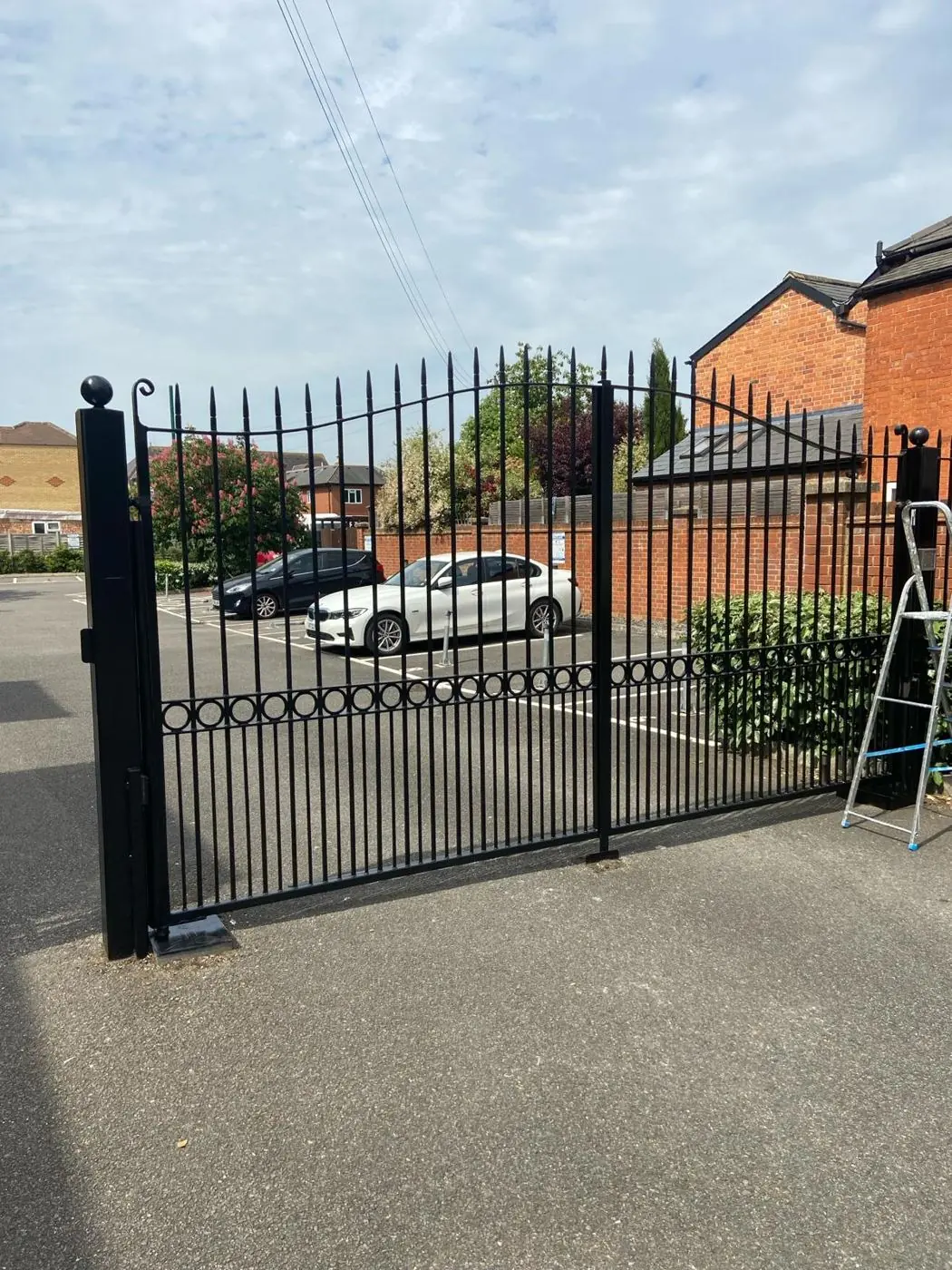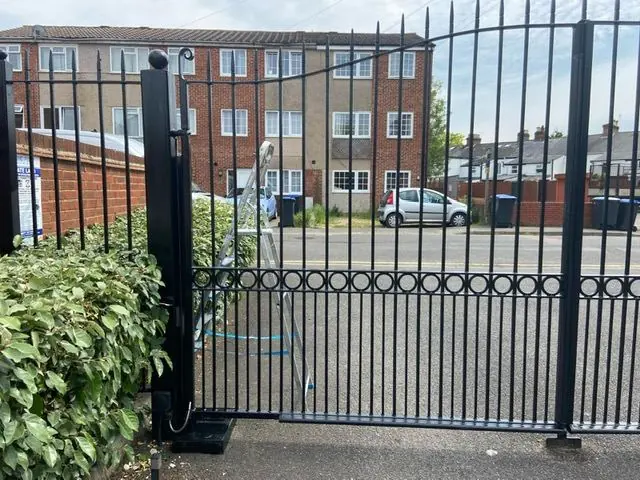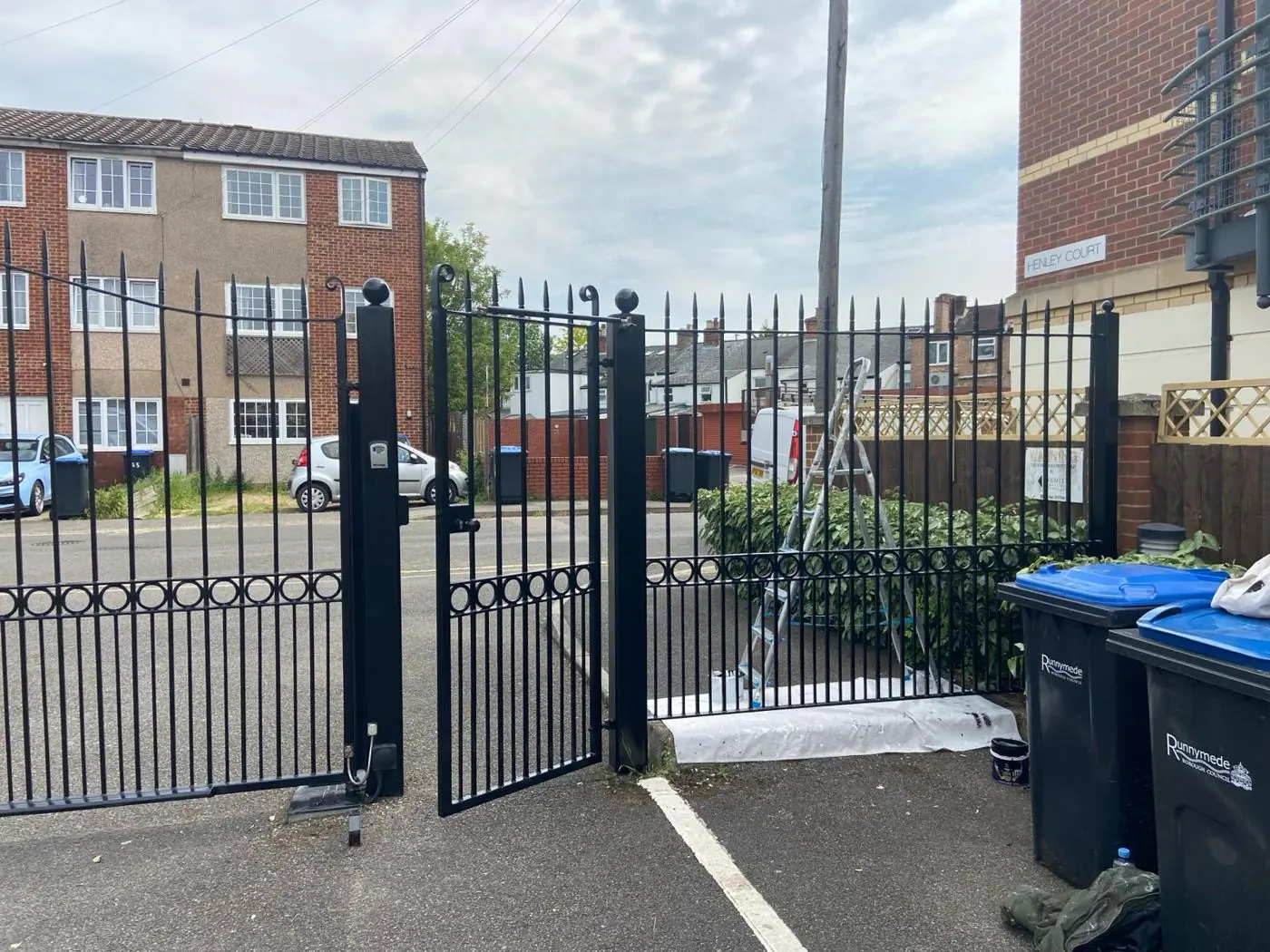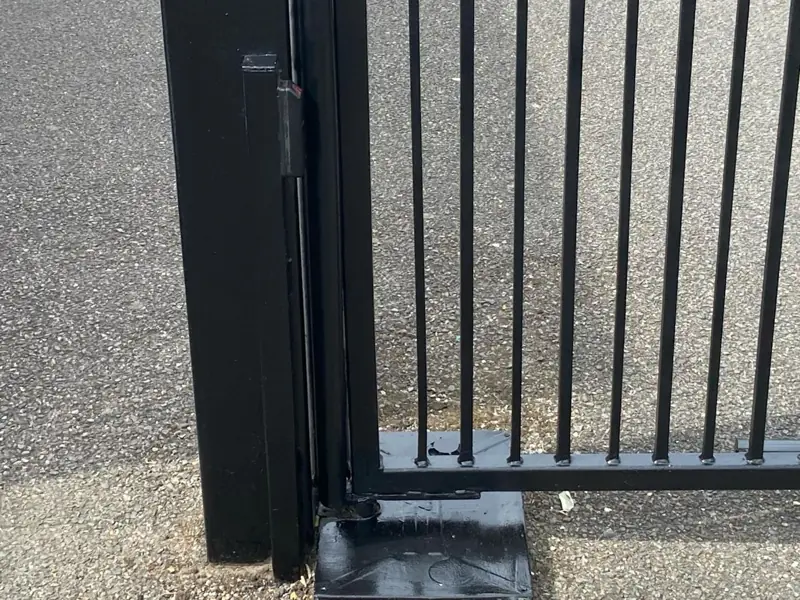
We paint metal gates, railings and other ironwork in Stoke Bruerne, the NN12 canal village about 6.6 miles south of Northampton. Moist air off the canal and locks speeds up rust, so proper preparation matters, from canalside railings and garden gates to corrugated iron on old farm buildings.
Ironwork that came up the canal
The opening of the Grand Junction Canal changed what Stoke Bruerne was built from. When the Blisworth Tunnel and the lock flight opened in 1805, boats brought low-cost slate, glass, coal and ironware into what was then one of the busiest inland ports in the country. Ironwork has been part of the village ever since, from railings and gates along the canalside buildings to brackets and fixings on cottages and the corrugated iron that still covers some farm outbuildings.
What damp canal air does to steel
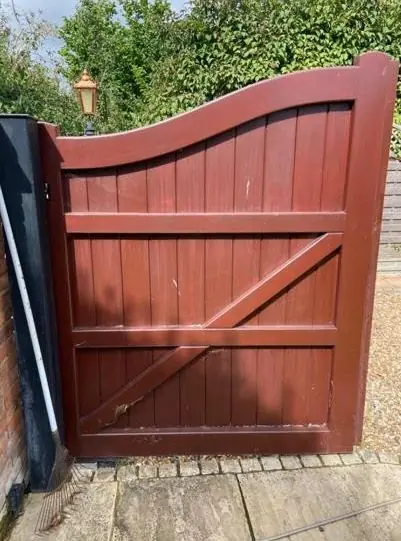
Metal near the water rusts faster. The buildings fronting the towpath by the top lock, some of them three storeys high, are in moist air for much of the year, and in shaded gardens dew stays on metal well into the morning. Rust usually starts where the paint is thinnest or water collects: at the feet of railings, under the top rail of a gate, round hinge pins and in the joints of scrollwork. Once it lifts the paint, water gets behind the film and the corrosion spreads under paint that still looks sound.
That’s why repainting ironwork here starts with a thorough strip-back. Our order of work is:
- Wire-brush and scrape all loose rust and flaking paint, with extra time on joints and bases
- Treat remaining surface rust with a rust converter where needed
- Prime bare metal the same day with a metal primer so it doesn’t flash-rust in the damp
- Build up undercoat and finish coats, letting each dry fully, which takes longer next to the canal
Corrugated iron and farm metalwork
Some outbuildings in the village’s farm groups still have corrugated iron. Old galvanised sheet that has gone dull and rusty can be repainted, but it needs a primer made for galvanised or rusted metal, or the new paint will lift. The ridges are worked with a roller and brush so the troughs, where water sits, get a full film. We don’t walk on fragile roof sheeting. If roof sheets need painting, safe access is agreed and set up first, and sheets that have rusted through need repairing or replacing rather than painting.
What’s private and what isn’t
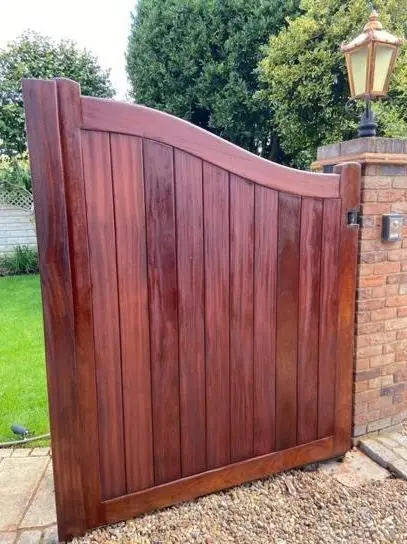
Plenty of the metalwork you see in Stoke Bruerne isn’t owned by householders. The lock gear and bollards, Stoke Top Lock (a Grade II structure) and the canal infrastructure belong to the Canal & River Trust, and the Grade II listed K6 telephone kiosk at the corner of Bridge Road and Baker’s Lane is listed in its own right. We paint privately owned gates, railings, balconies and outbuilding iron for homeowners and businesses. For property next to the towpath, access is set up so the path and locks stay clear for walkers and boaters.
For a railing on a listed building, or within the conservation areas that cover the green and the canal, repainting in the existing colour is normal maintenance. A colour change on a listed building may need consent. Black and very dark greens are the usual traditional choices.
Spring and autumn are easier for this kind of work, because summer brings visitors, traffic and the strictly enforced parking restrictions closer to their limit. More on products and finishes is on our main metal gate and railing painting page, the cost guide explains what affects pricing, and our Stoke Bruerne page covers other work in the village.
Last updated by Dean, DH Painter & Decorator.