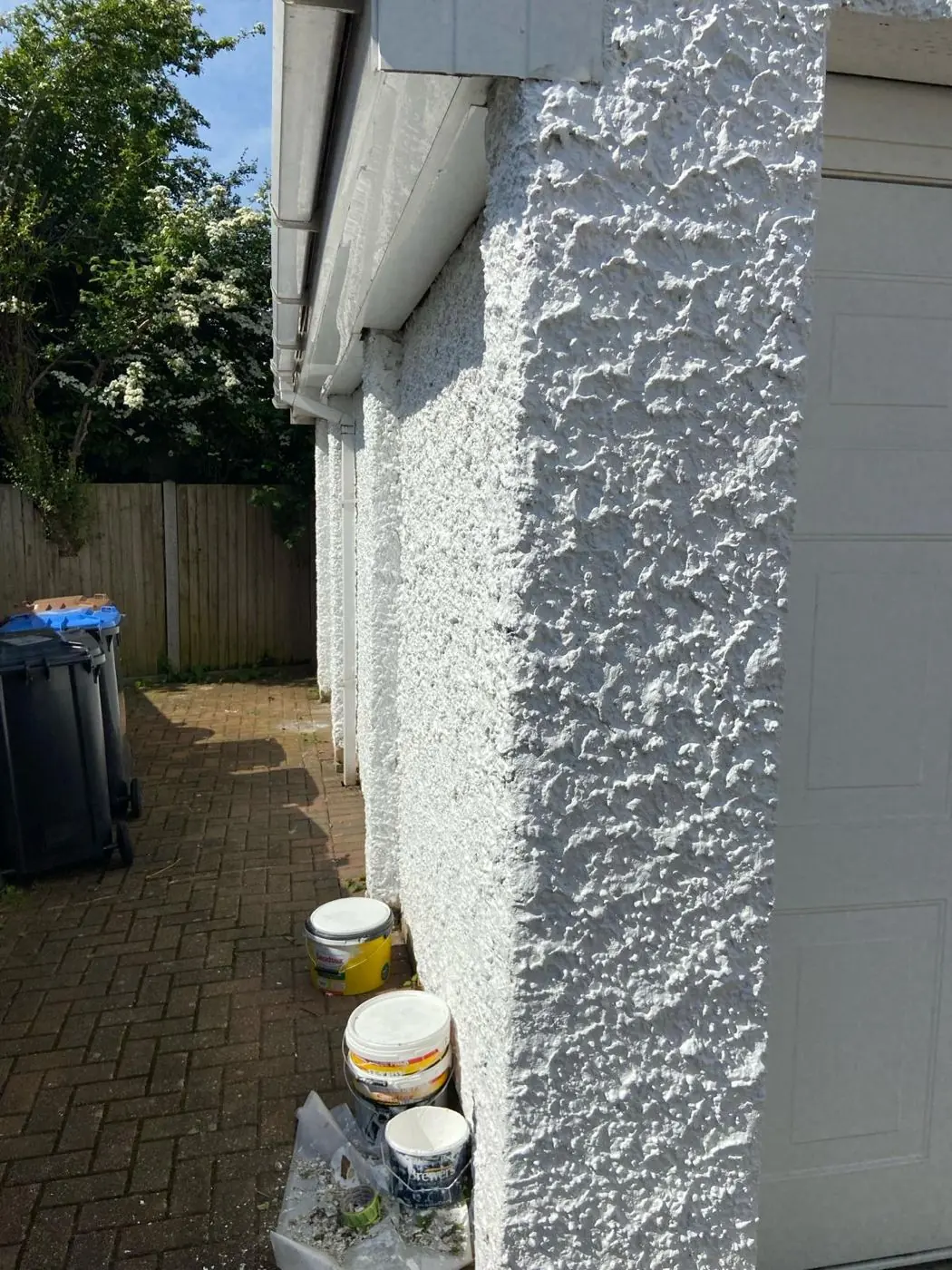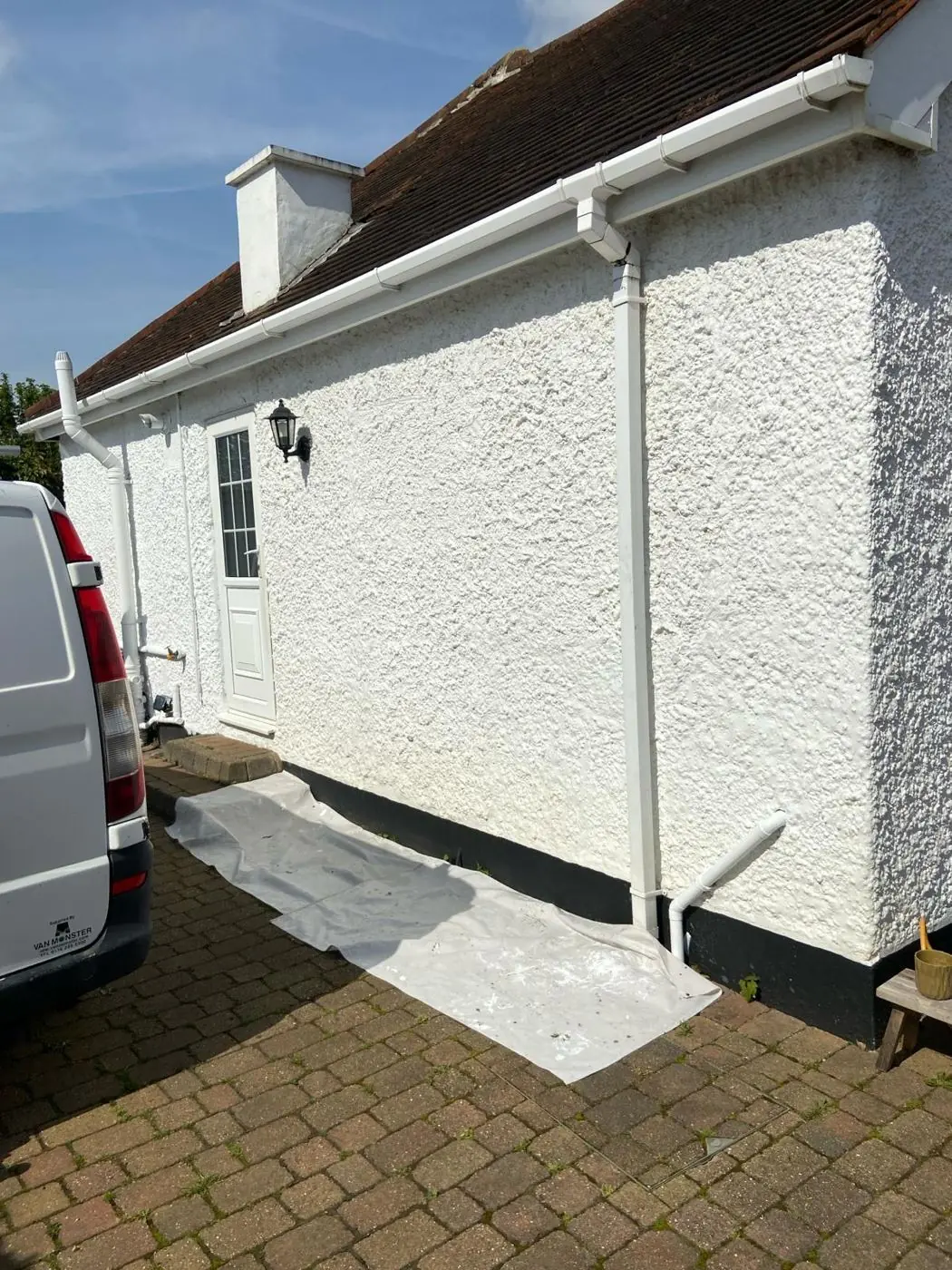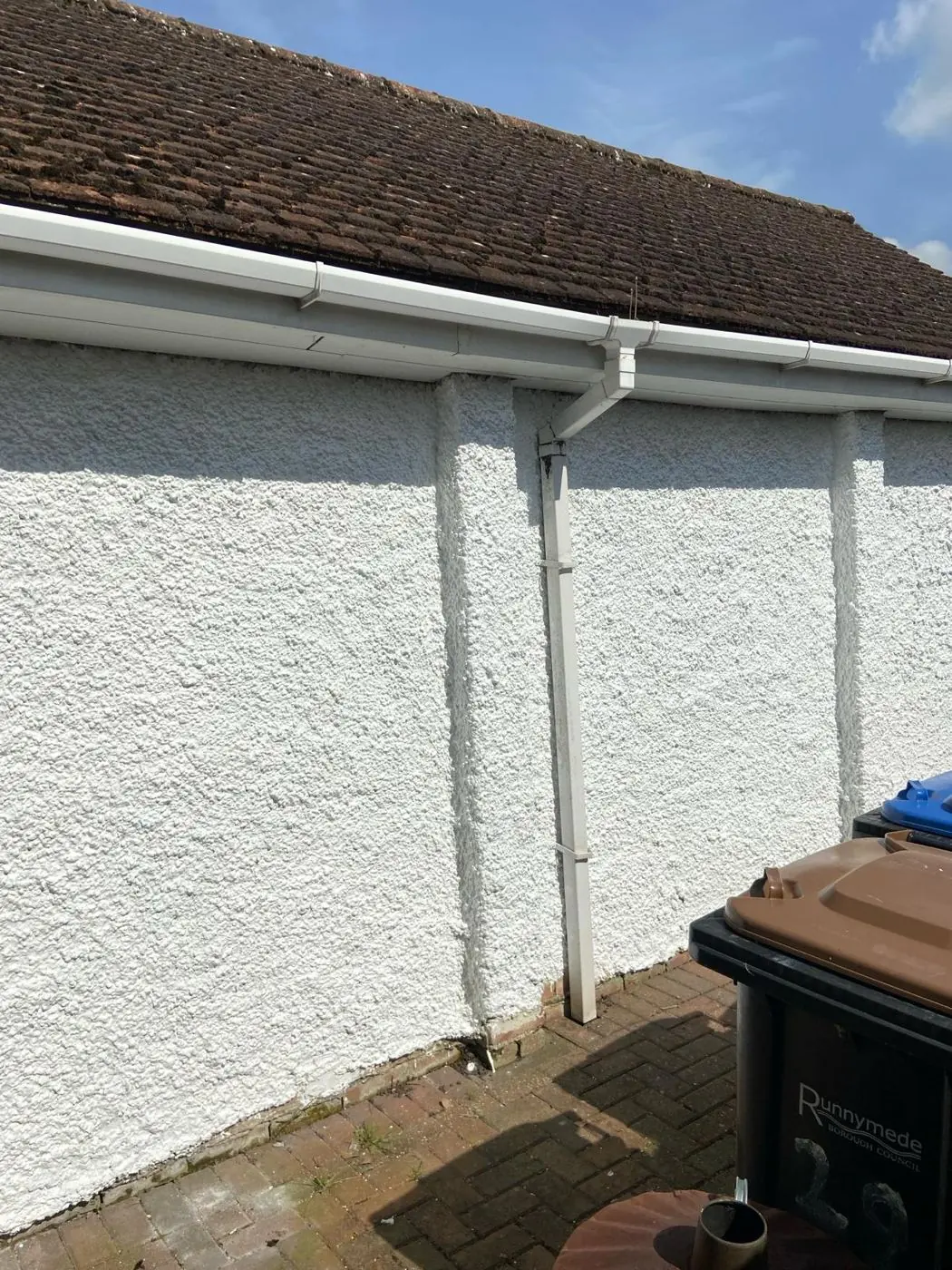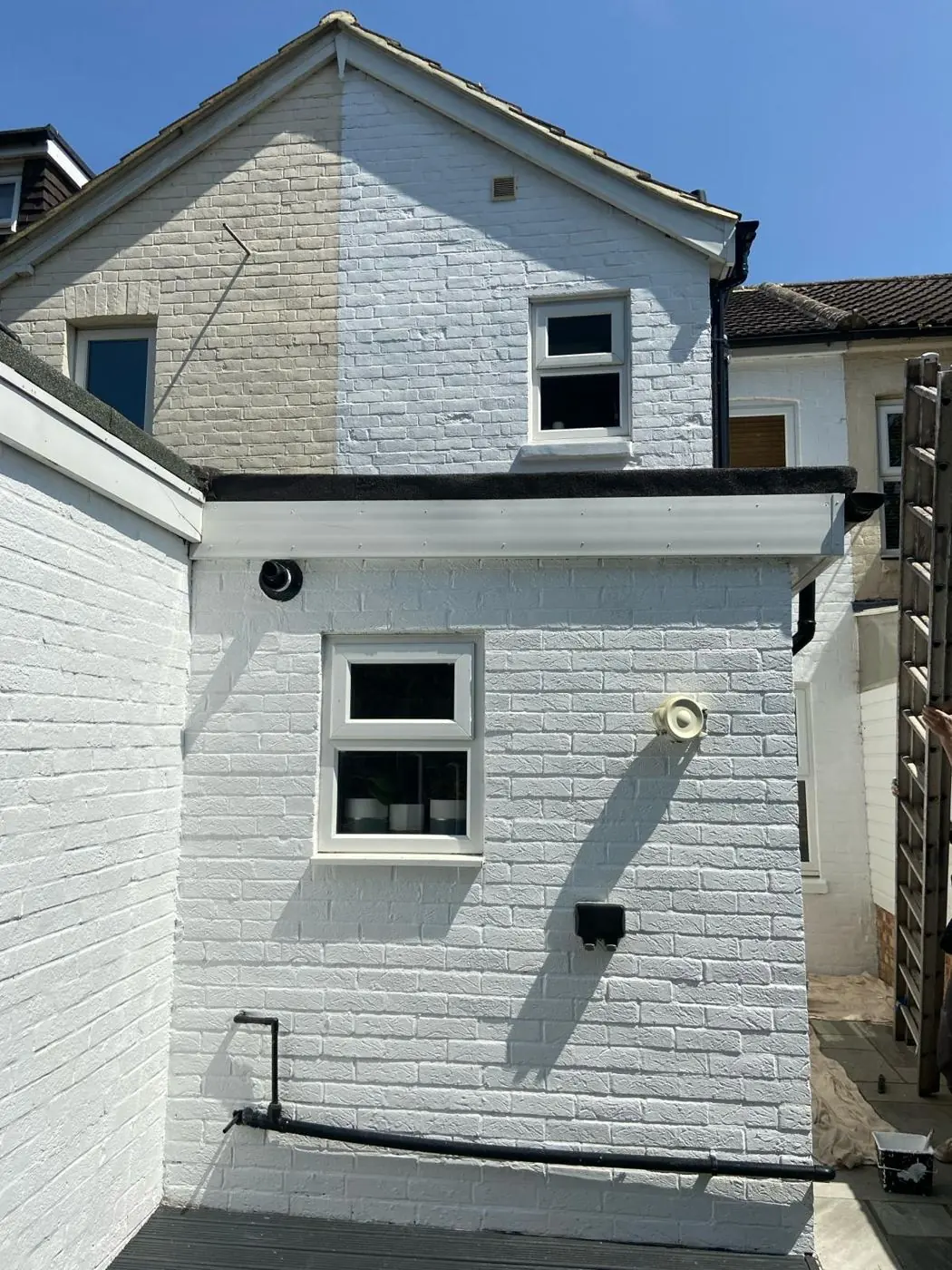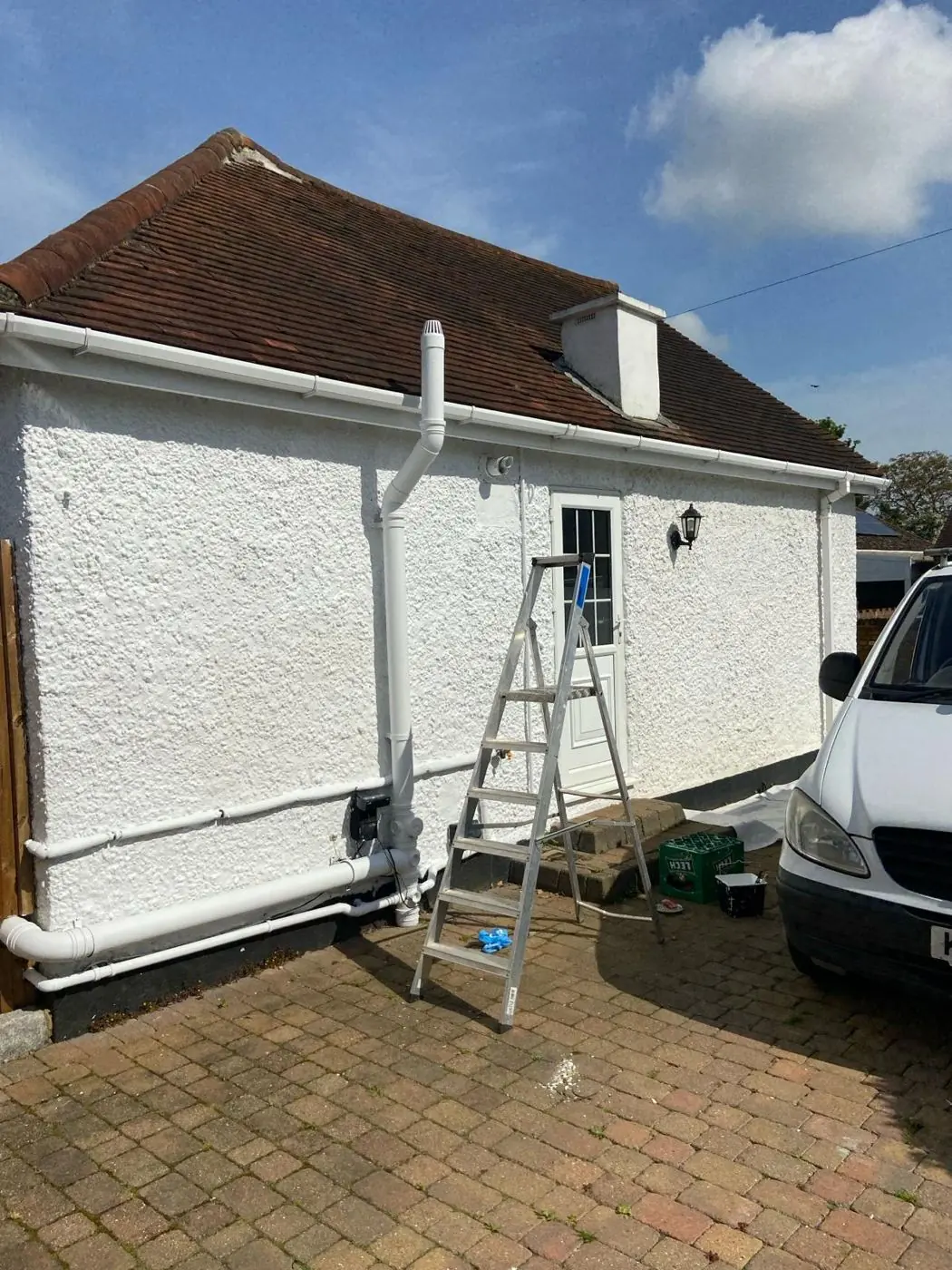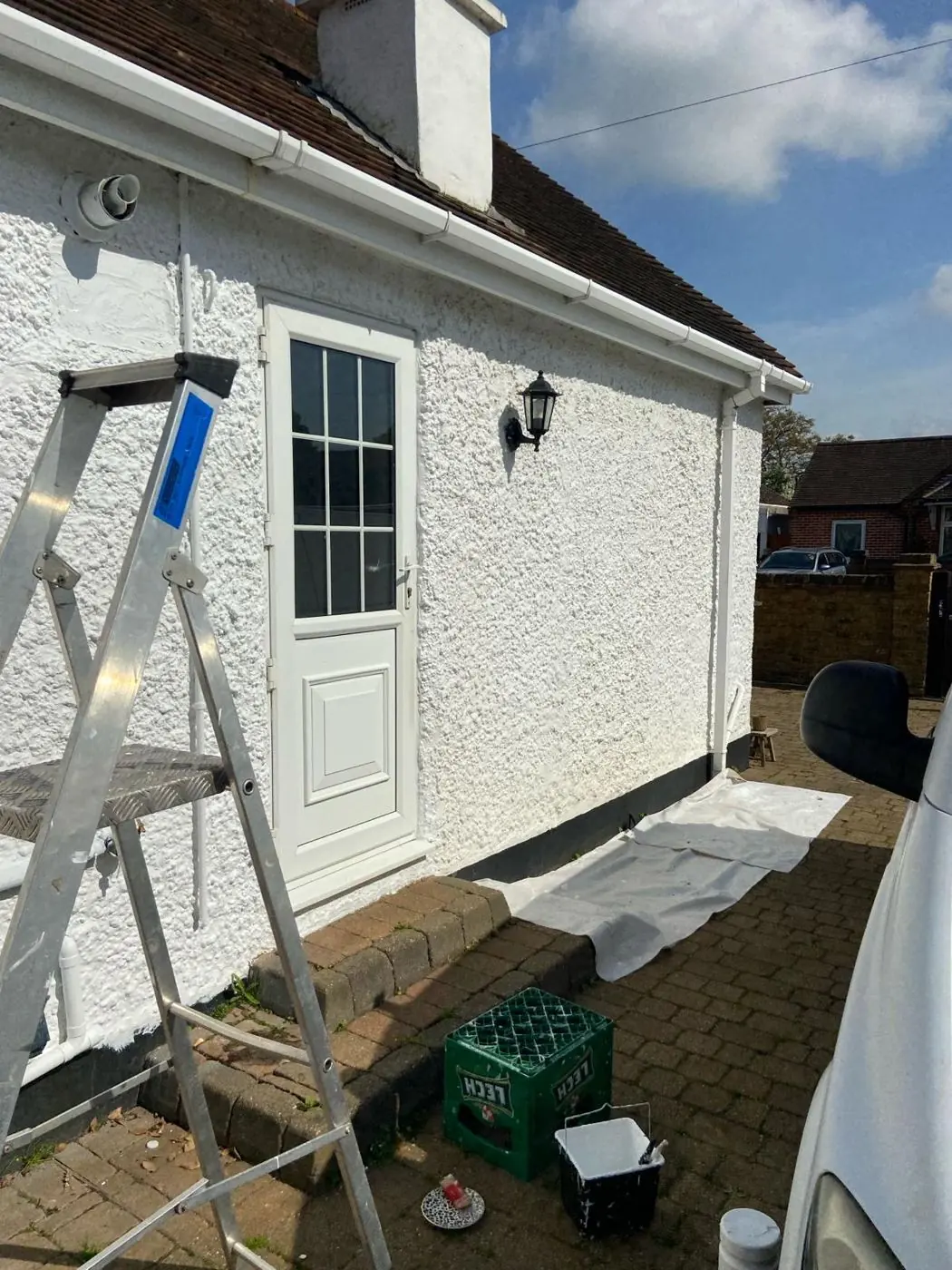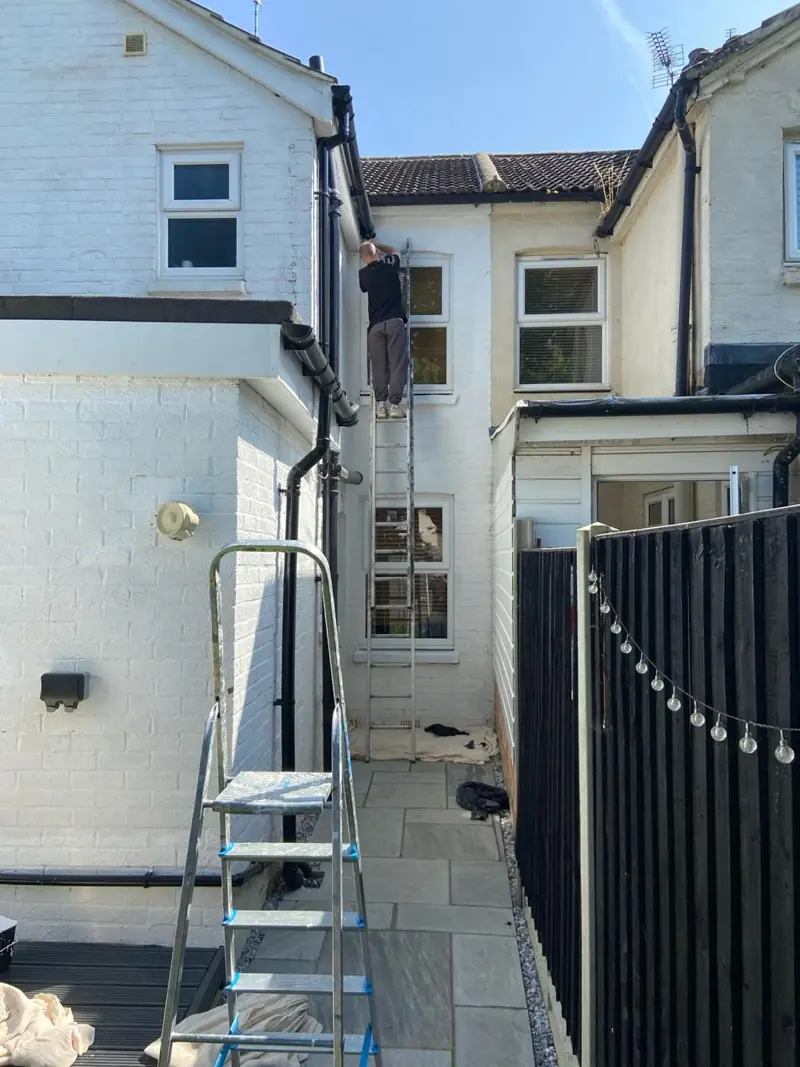
DH Painter & Decorator covers Sywell from our Northampton base, about 6 miles north-east of the town centre in the NN6 postcode. Dean, who has over 30 years in the trade, paints the timber joinery and ironwork of the village's Grade II estate cottages, decorates inside with breathable paints, and works on newer homes, park homes and commercial units.
Sywell from a decorator’s point of view
Sywell is a small village and civil parish in North Northamptonshire, about 6 miles north-east of Northampton town centre, with a population of 792 at the 2011 Census. Its name is thought to mean “seven wells”. We cover it from our Northampton base, and for painting and decorating it is an unusually varied place for its size. The core is a compact conservation area of mid-Victorian estate cottages, with a Grade II* manor house and church. On the edge of the village sits Sywell Aerodrome, with its business park, hotel and wartime sheds. Along Ecton Lane, Overstone Lakes has residential park homes and holiday lodges. Sywell Country Park, the former reservoir, lies close by, with farmland all round.
A lias cottage, a steel hangar and a factory-built park home share almost nothing when it comes to paint, so the sections below take them one at a time.
The Overstone estate cottages on Main Street
Most of the village was rebuilt for Lady Overstone between 1860 and 1864, and that rebuild produced the two-storey estate cottages along Main Street, set in pairs and in short terraces of four to five, plus Nos. 32 and 32A Church Lane. They are built of regular or squared coursed lias with brick dressings and flat brick arches, under slate roofs with oversailing eaves. Gabled porches, half dormers and square bays repeat along the street, and the windows are either two-light wood mullions with cast-iron lozenge glazing bars or double sashes with ashlar surrounds. Most of the doors are 20th-century replacements fitted into the older openings. These cottages are listed Grade II, and Sywell Conservation Area, designated on 31 January 1977, covers about 6.8 hectares around them.
For a decorator, the key point is that the walls are not a painting surface. Coursed lias and brick were built to be left bare and to let solid walls breathe. Acrylic masonry paint on that stone would trap moisture, and on a listed building it would almost certainly need consent. Exterior work on these houses is therefore joinery work: mullions, sashes, porch timbers, doors and the boards under the eaves. That means careful hand preparation, sound filling of soft timber and microporous or oil-based finishes that move with the wood. Our exterior painting and doors and woodwork pages describe that process in general.
The cast-iron glazing bars need separate treatment. Any rust is wire-brushed back, spot-primed with a metal primer and then painted, ideally to match the frame. Iron and timber expand at different rates and take different primers, so treating them as one surface leads to early failure at the joint. Our metal painting service covers the preparation steps.
Working on a listed row
Because the cottages read as a matching group, exterior colour choices on one house affect the look of the whole row. Repainting like for like is the safe course. A new colour, or a move to a different type of finish, may need listed building consent from North Northamptonshire Council, and we would always suggest checking with them before work is booked.
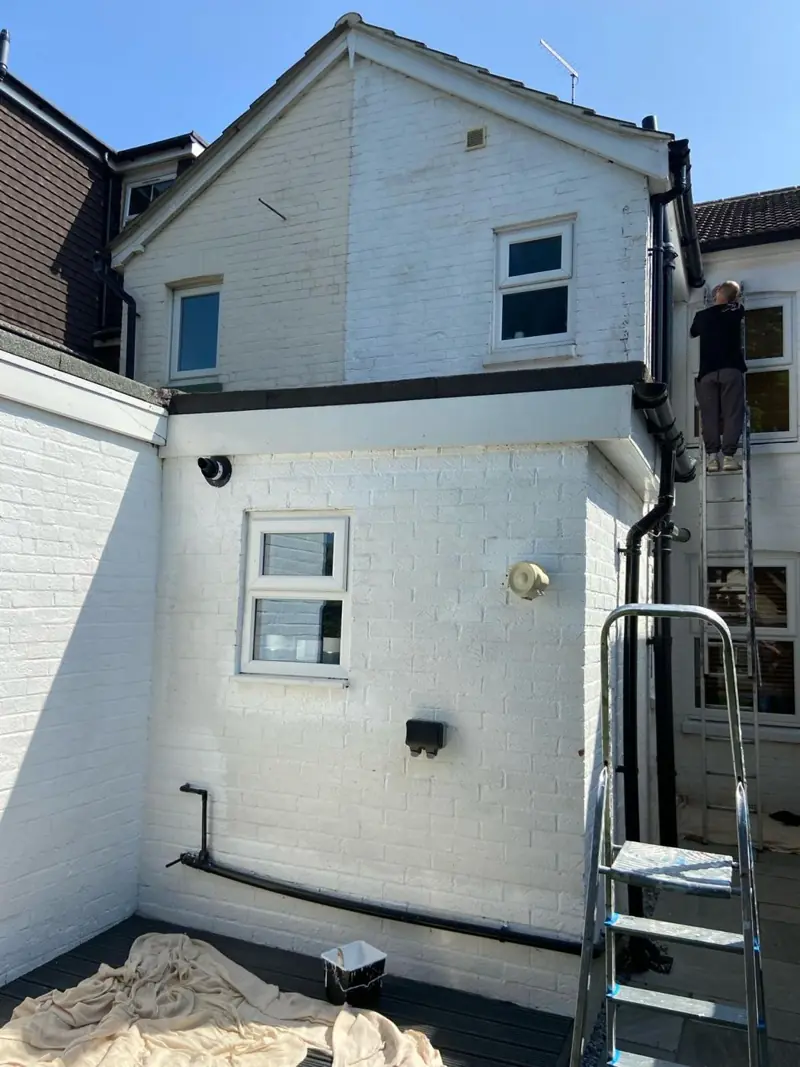
Access is the other practical factor. Half dormers and oversailing slate eaves put upper joinery at awkward angles, which can call for a tower rather than a single ladder. Houses in the middle of a row may have no rear access of their own, so reaching the back elevation can mean carrying kit through the house or agreeing a route with a neighbour. Dean sorts this out at the quote visit rather than on the day.
Inside thick stone walls
Inside, the cottages’ solid lias walls are likely to carry lime plaster. That needs breathable paints and lime-compatible fillers; a standard modern emulsion tends to blister on those walls as moisture builds up behind it. Sloping ceilings under the half dormers and deep window reveals also make the cutting-in slower than in a modern room. Our interior painting page covers the general approach.
Sywell Hall, the church and the Old School House
Sywell Hall, on Wellingborough Road, is Grade II* and probably dates from around 1600, with mid-18th and 19th-century work. It is three storeys of lias ashlar under a slate roof, and inside it has 17th-century panelling and a large dogleg staircase around central columns. The Church of St Peter and St Paul, also Grade II*, has a short 13th-century tower and was renovated in the 1870s. Decoration on buildings like these is specialist work led by the owner’s brief and the consent process, and we would only take on what has been agreed.
The Old School House and Village Hall on Main Street, built as the school in 1861 and now listed Grade II, is a T-plan building of rusticated lias with ashlar dressings. Its wooden loggia of octagonal columns, plank door and casements with cast-iron glazing bars are painted elements, while its moulded stone surround should be protected rather than painted.
The aerodrome, the hotel and the pubs
Sywell Aerodrome opened in 1928, and around 138 businesses were registered there in 2025. Its 1934 Art Deco clubhouse is now a 50-room hotel, and the site also has Hangar One, the Pilots’ Mess cafe, an aviation museum, industrial units and Second World War sheds. That gives Sywell a share of commercial and industrial painting unusual for a village, with steel cladding and large metal surfaces that need metal primers and coatings rather than domestic paint, and work often planned around trading hours. The village’s two pubs, The Horseshoe and The Overstone Manor, together with the village hall, are its main public-facing frontages. Our commercial painting page explains how that kind of work is planned.
Park homes at Overstone Lakes
The residential park homes and lodges at Overstone Lakes, on Ecton Lane, are factory built. Their exteriors are usually cladding and boards and their interiors are lightweight panels rather than plaster, so the products have to suit those surfaces, starting with the right primer. Any rules the park sets about exterior colours apply too.
Fences, gates and weather on the village edge
With farmland on most sides, open aerodrome grassland and the country park nearby, Sywell’s gardens and plots are more exposed than town gardens. Timber fences, field gates and exterior joinery weather faster in that setting and benefit from a regular maintenance cycle. Our fence and gate staining page covers stain choice and preparation, and the guide to timing exterior painting explains why spring to early autumn suits outside work. Remember that conservation-area tree controls apply within the village core, so pruning back hedges or trees to reach a fence may need notice to the council.
Getting a quote in Sywell
Dean visits, looks at the property and the access, and sends a written quote. We are fully insured. For a sense of what drives the price, see our cost guide, and if you are comparing decorators, our guide to choosing a painter and decorator sets out the questions worth asking. Call Dean on 07539 779 036 to arrange a visit.
Last updated by Dean, DH Painter & Decorator.