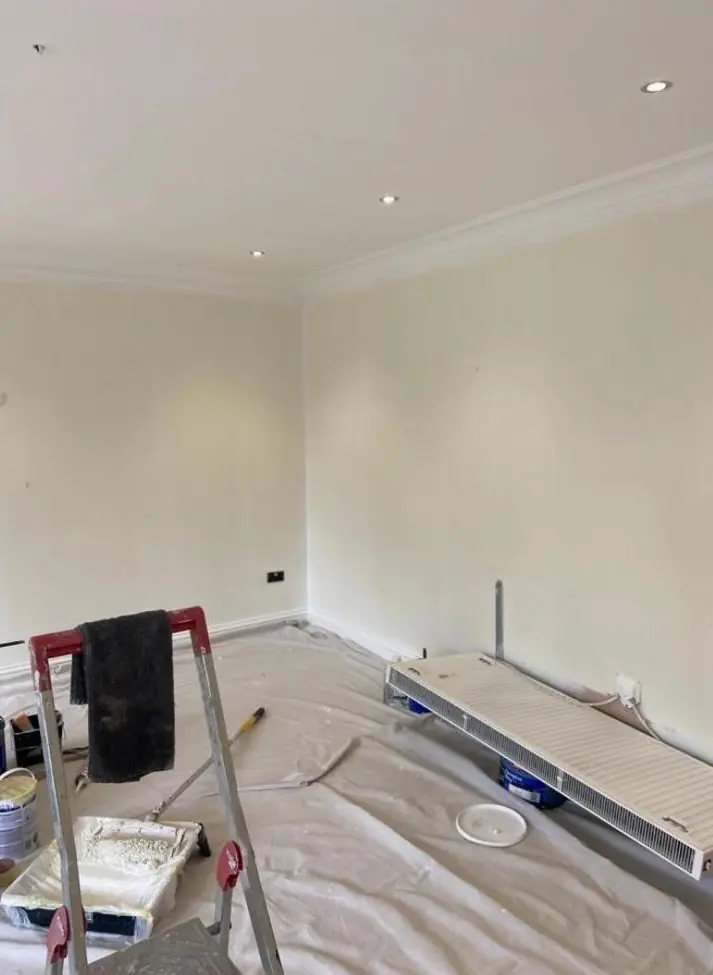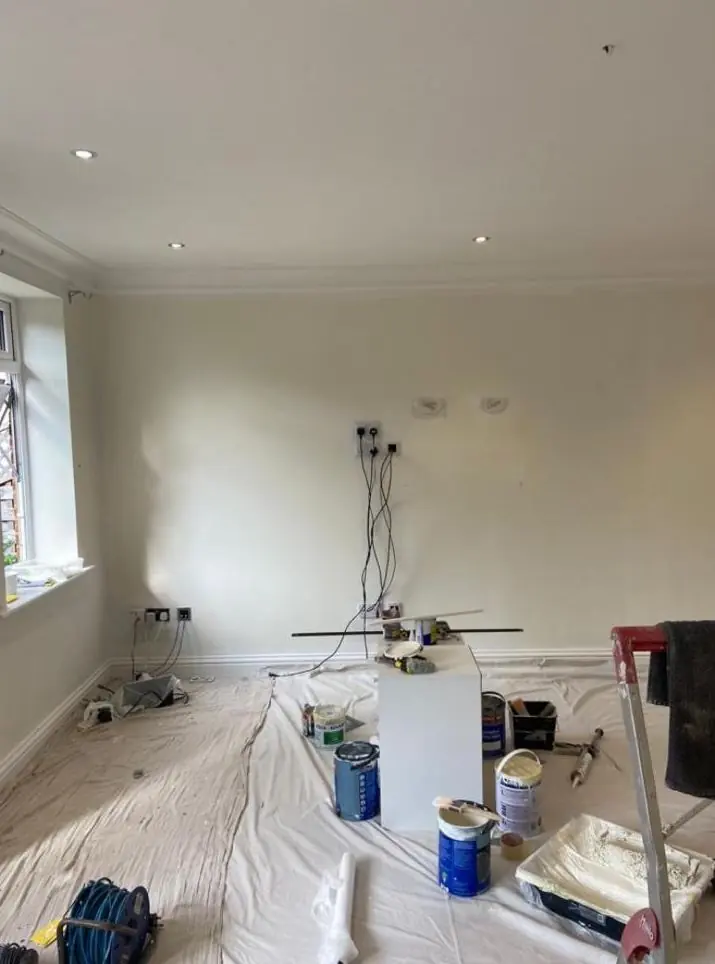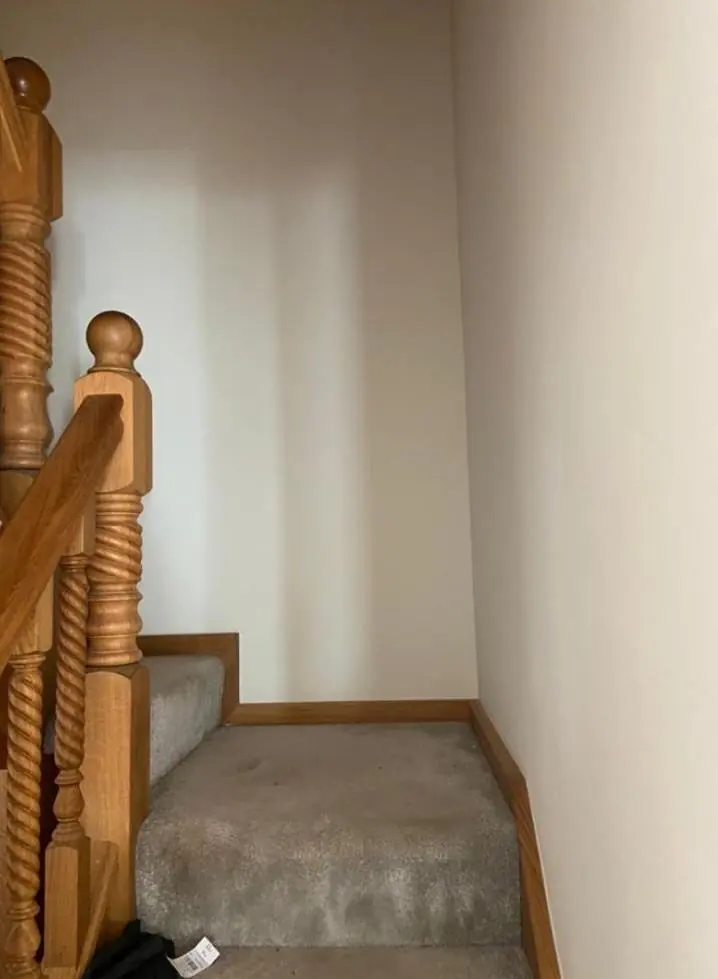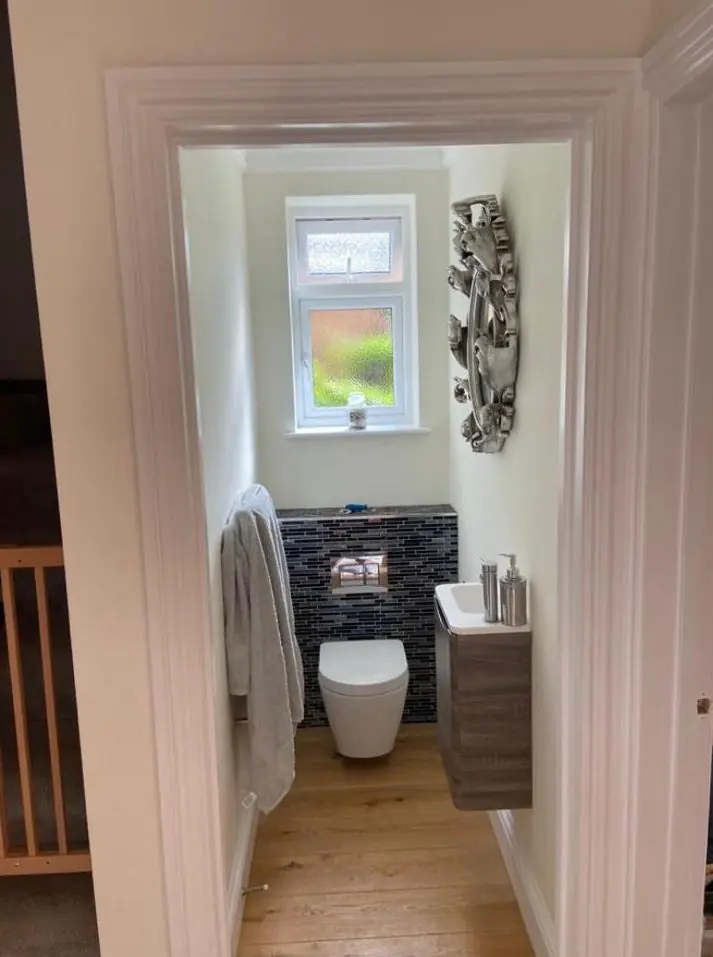
DH Painter & Decorator offers decorative paint finishes in Sywell, about 6 miles north-east of Northampton. Dean suits the work to the village's 1860s Overstone estate cottages and other listed interiors, checking consent where fabric is protected, and offers freer feature walls and painted panelling in newer homes.
Sywell’s four-year rebuild and what it means indoors
Most of Sywell’s historic buildings date from 1860-64 and the rebuild carried out for Lady Overstone. That gives its core an unusual consistency: the Main Street cottages, the Old School House of 1861 and the rectory rebuilt in 1862 all come from the same short burst of building. Decorative finishes in Sywell therefore tend to mean period-appropriate work that sits well in a mid-Victorian estate house, alongside the far older interior of Sywell Hall. We cover the village from Northampton, about 6 miles away, and our decorative finishes service explains the techniques in general.
Sywell Hall and protected panelling
Sywell Hall, Grade II*, is thought to date from about 1600, with later work in the mid-18th and 19th centuries. Its 17th-century panelling and the dogleg staircase built around central columns are part of what that listing protects. On fabric like this, decorative work leans towards conservation: cleaning and touching in an existing finish, matching an established colour, or applying a traditional finish that could be reversed later. Graining over old timber, stripping historic layers or switching to a modern hard-wearing coating could alter significant fabric, and that needs listed building consent from North Northamptonshire Council before anyone starts. We would expect the owner or their conservation adviser to set the scope, and Dean would work within it.
Detail that suits an estate cottage
In the Grade II cottages, decorative work is usually modest. Ideas that fit the period include:
- Picking out a fire surround, picture rail or dado in a contrasting shade or sheen, where the house still has them.
- A two-tone wall split at dado height, darker below, which also hides scuffs on a narrow cottage stair.
- A hand-painted stencil border drawn from Victorian pattern designs.
- Limewash-style or broken-colour finishes that sit naturally on uneven lime plaster rather than fighting it.
On solid lias walls with lime plaster, any glaze or effect needs a breathable base. A sealed oil-based glaze over lime can trap moisture just as ordinary emulsion can, so Dean picks the materials to suit the wall first and the effect second.
The Old School House and Village Hall shows the same estate taste in a public building, with its wooden loggia of octagonal columns and plank door. Picking up that restrained, hand-made character indoors tends to work better in a Sywell cottage than a glossy, high-contrast effect borrowed from a new-build show home. Sheen matters as much as colour here: an eggshell or flat finish on picked-out mouldings looks closer to the period than a full gloss.
Freer effects in newer homes and park homes
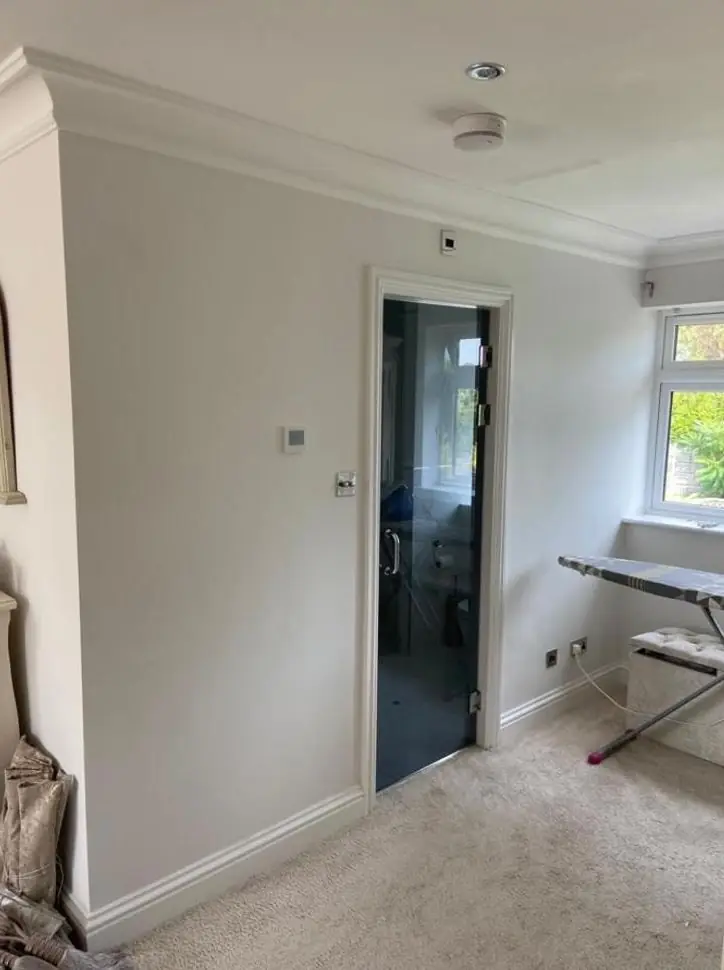
Outside the listed group there is room for something less traditional. Newer houses in the parish suit feature walls, colour-drenched rooms, or new MDF panelling painted so the joints and pins disappear. Park homes at Overstone Lakes on Ecton Lane need more thought because their walls are thin factory boards: added panelling has to be light and fixed into the frame, and any paint effect needs an adhesion primer underneath.
Before work starts on a listed interior
With 15 listed buildings inside Sywell’s conservation area, it is worth checking a building’s status before planning an effect. Dean will write down exactly which surfaces he would treat and with what, so you can compare it with the listing or ask the council’s conservation officer. Photographs of the existing finish taken before work starts are useful for your own records too. The Sywell overview sets out the village’s other building types.
Last updated by Dean, DH Painter & Decorator.