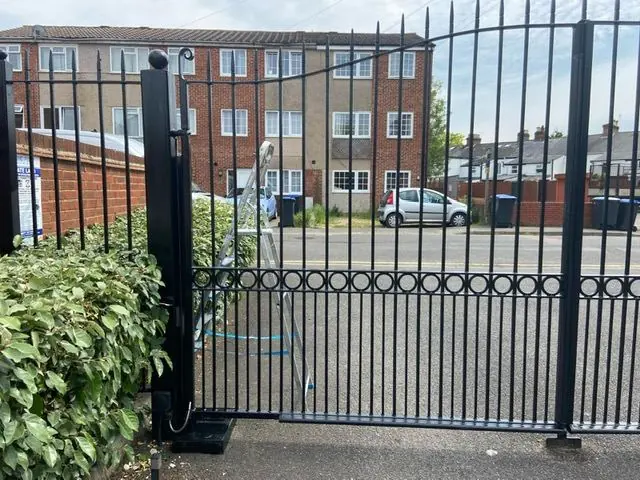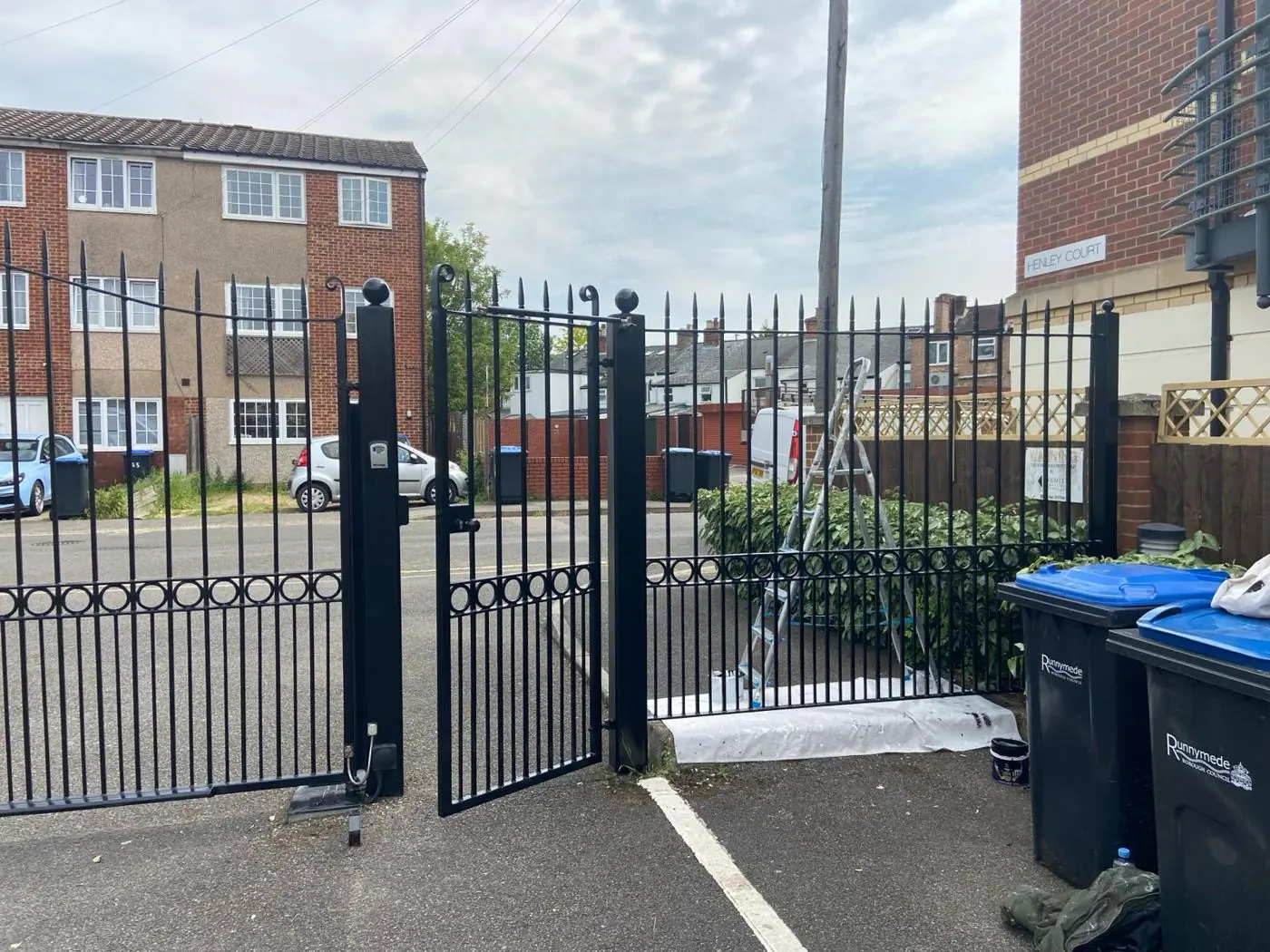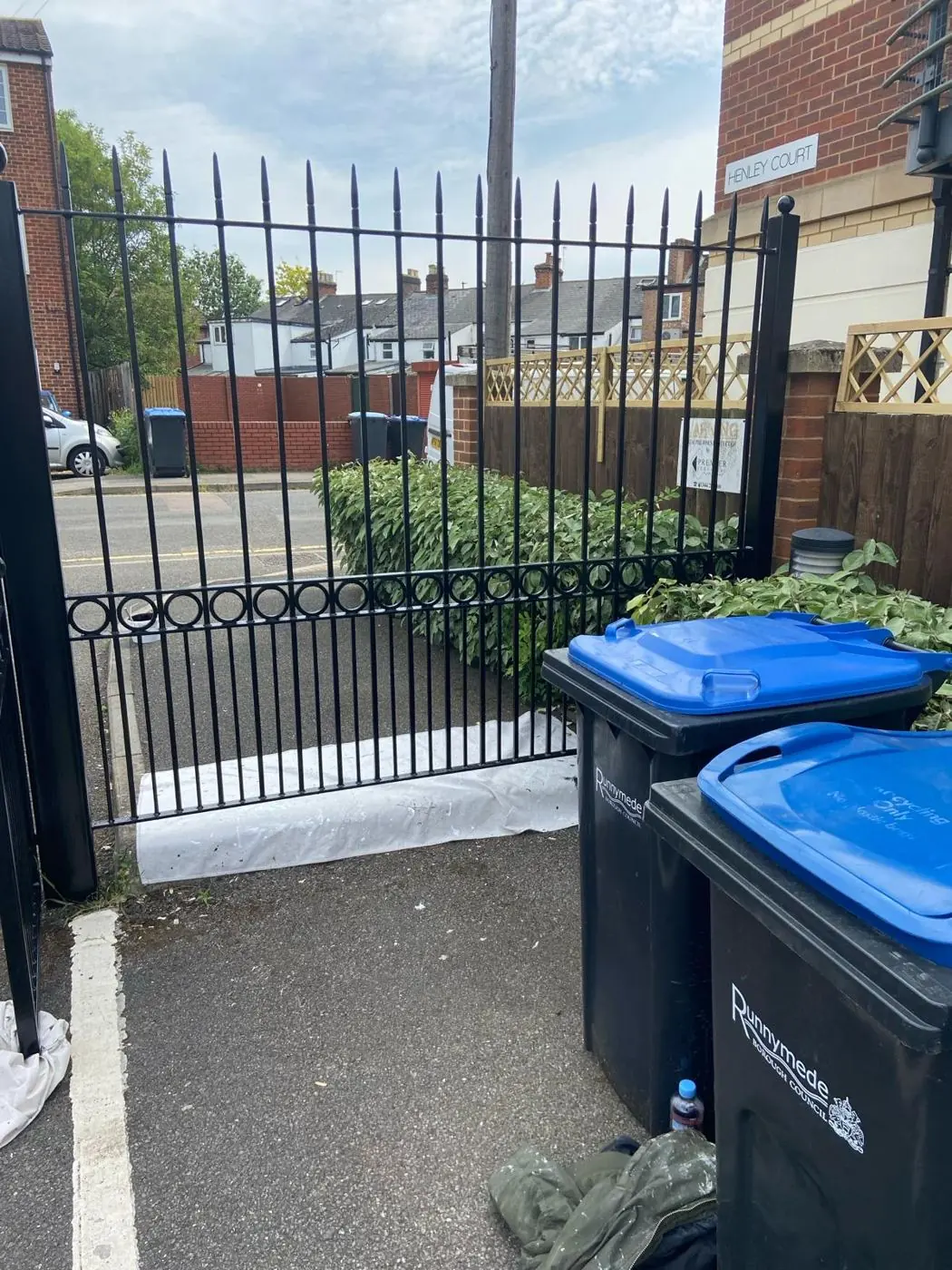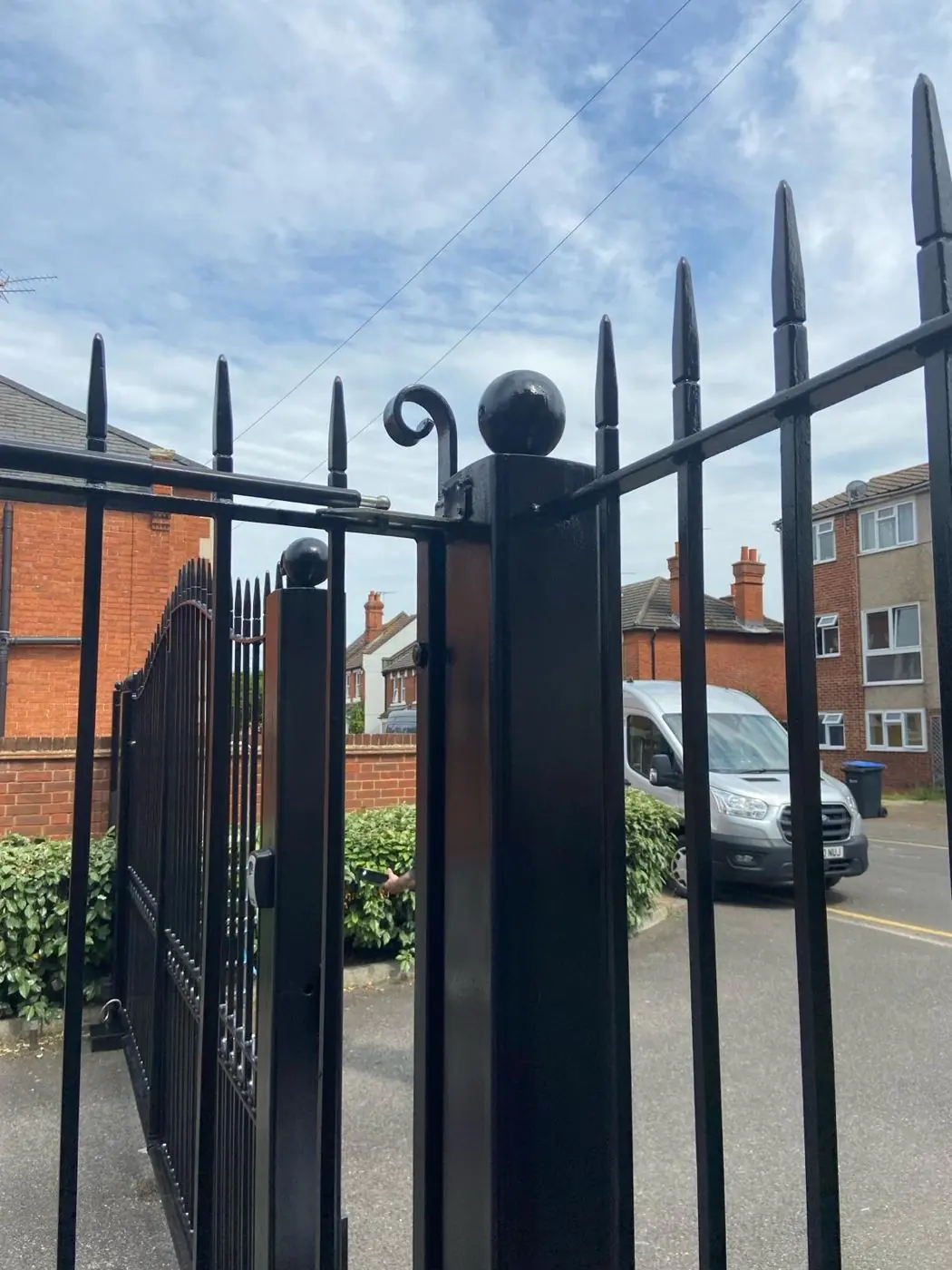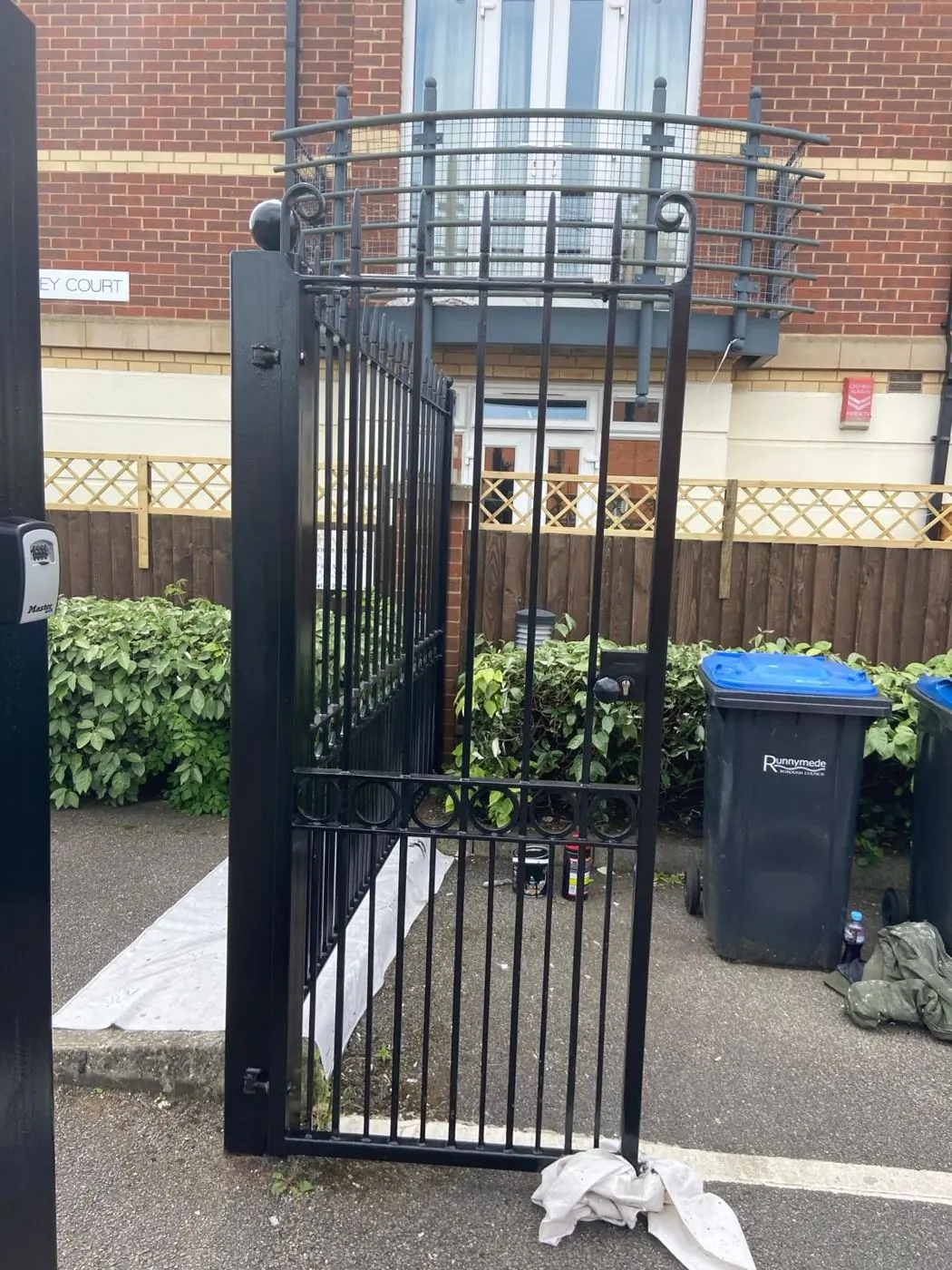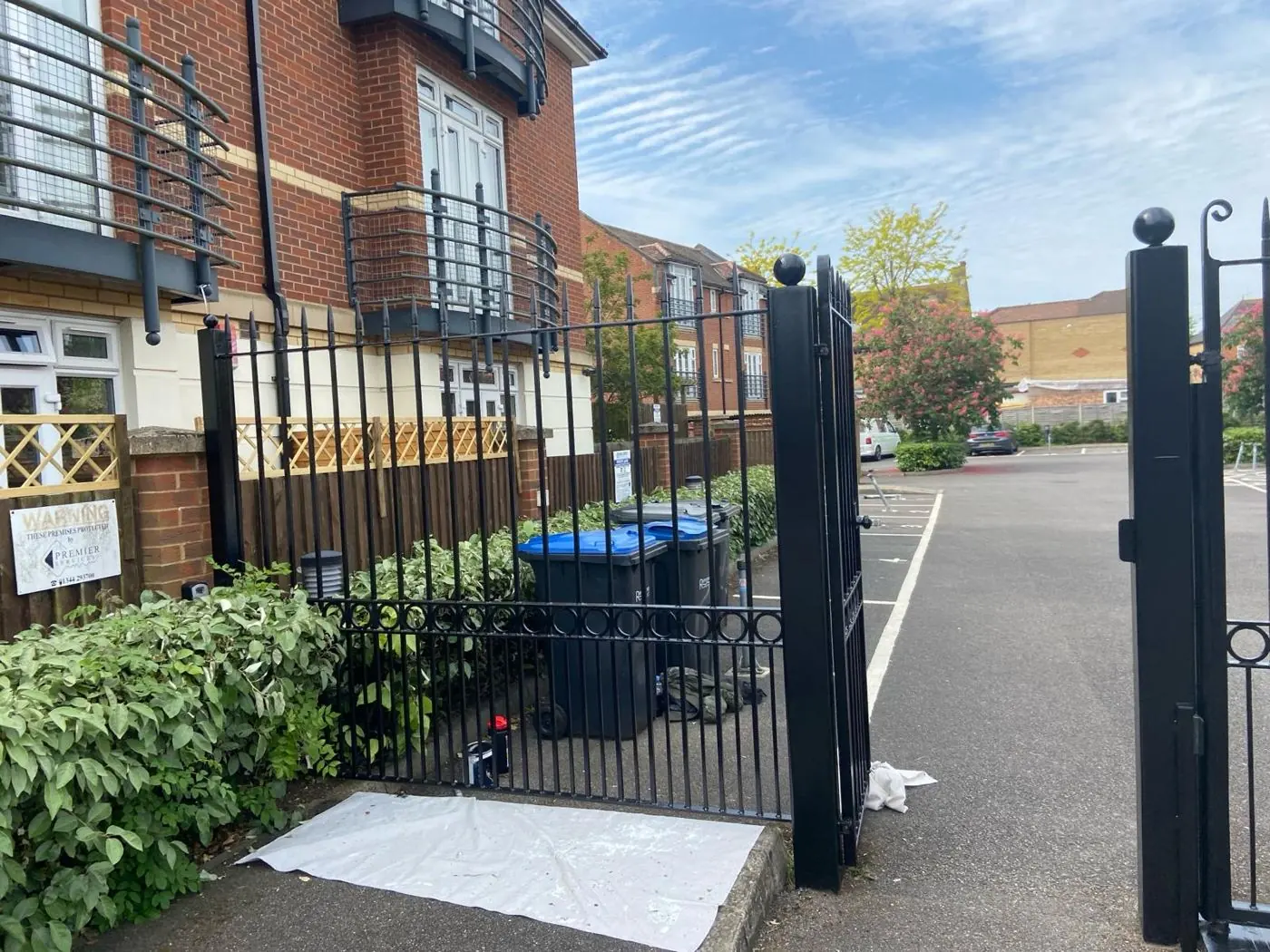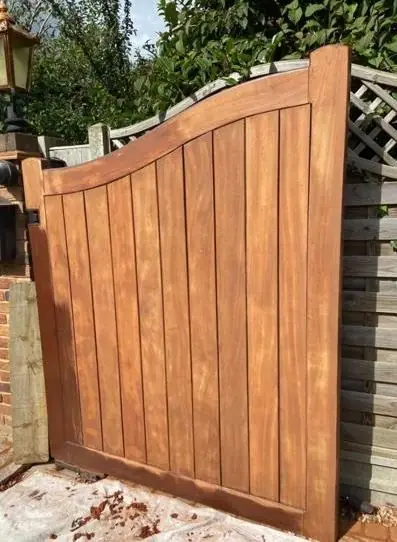
DH Painter & Decorator stains and paints fences and wooden gates in Sywell, NN6, around 5.9 miles north-east of Northampton. Plots on the edge of farmland and Sywell Country Park see a lot of weather, so we focus on getting stain into dry timber and setting a sensible maintenance cycle.
Open country on every side
Sywell is a rural village. Farmland surrounds it, the open grassland of the aerodrome runs along one edge, and the country park, the old reservoir that closed as a water supply in 1979, is close by. For garden timber, that setting matters more than the age of the house. A fence on the boundary with a field has no buildings to shelter it, so rain is blown into the panels, the low sun dries them out, and the grey weathered look arrives sooner than it would on a town garden in Northampton.
That is why fences and gates here benefit from a regular cycle rather than waiting until the timber is silver and split. Coming back before the old stain has gone completely means less preparation and a more even colour each time.
Choosing a finish for a Sywell plot
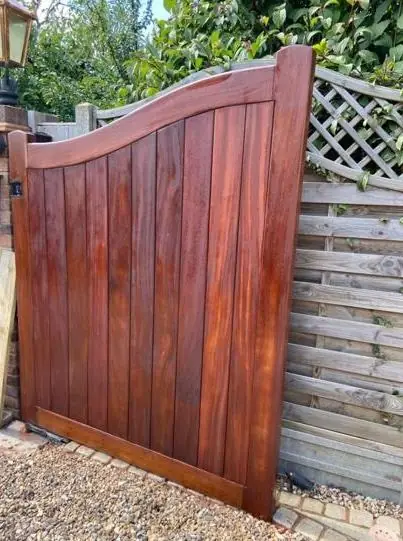
There is no single right answer, but the setting points one way or another:
- Boundaries onto fields or open ground: a penetrating stain that wears down gradually is usually easier to maintain than a solid fence paint, which can flake once the weather gets behind it.
- Front gates and fences in the conservation area: muted greens, browns and natural timber tones sit better against lias stone cottages than bright colours.
- Hardwood gates: an oil or a translucent stain that lets the grain show, applied after the old finish has been cleaned back.
- Shaded fences near trees or hedges: these stay damp for longer, so we check for algae and soft wood at post bases before staining.
The general method for cleaning, drying and brushing stain into lap panels and feather-edge boards is set out on our fence and gate staining page, so we will not repeat it here.
Hedges, trees and the conservation area
Sywell’s village core has been a conservation area since 1977, and conservation-area controls cover work to trees. Staining a fence does not need any permission, but it does mean we work around trees and hedges along a boundary rather than cutting them back to get a brush in. If branches need trimming before the fence can be reached, that is a job to sort out first, and for trees in the conservation area the council may need notice before any cutting.
A front gate or fence on a listed cottage on Main Street is a slightly different matter. A fence is not usually part of the listing itself, but if it is fixed to or forms part of the setting of a listed building, a bold colour change is worth checking first.
Timing a fence job in the village
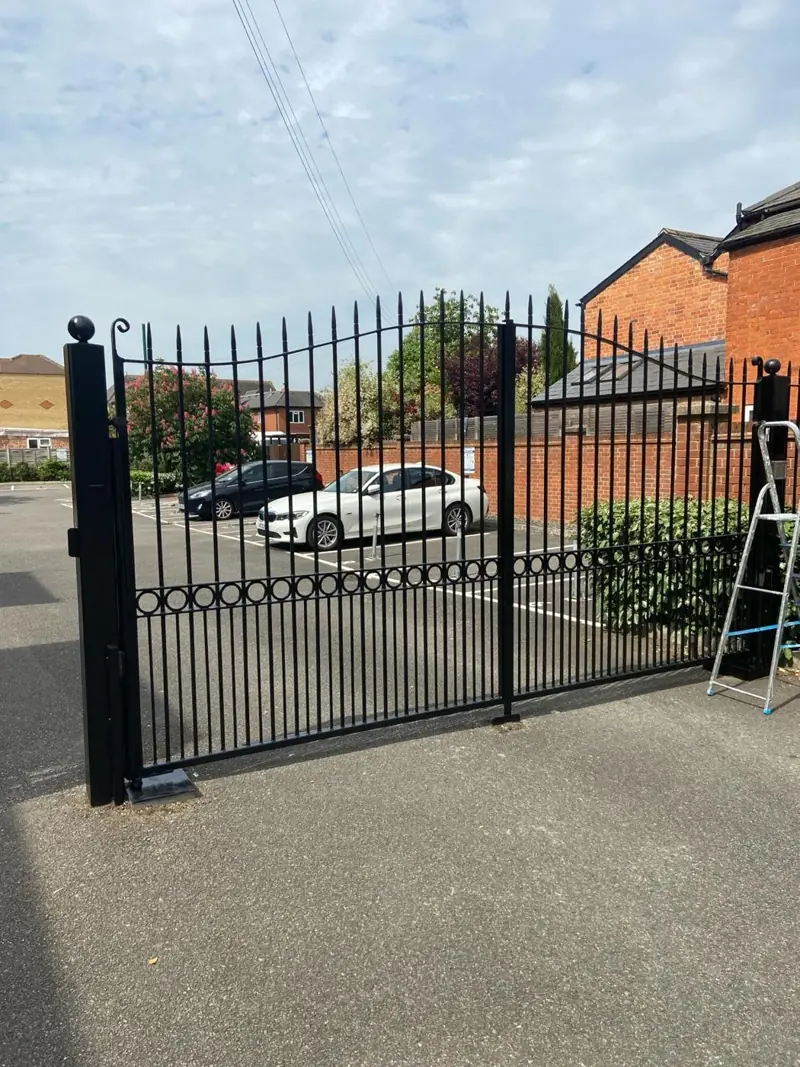
Fence stain needs dry timber and a few dry days to go on well, and that is harder to find on open ground where wood takes longer to dry after rain. Late spring through early autumn is the usual window. Our exterior painting timing guide explains how temperature and dew affect drying.
If your boundary fence is shared, the neighbour’s side is theirs, so we only stain it with their agreement. Our Sywell page covers the other jobs we price in the village.
Last updated by Dean, DH Painter & Decorator.