DH Painter & Decorator gives colour and finish advice to homeowners in Nether Heyford and Upper Heyford, about 6 miles west of Northampton, as part of a decorating job. Dean matches exterior colours to the village's ironstone and limestone, flags conservation area and listed building issues, and tests interior colours on your own walls.
Start with the stone
Much of what decides a good colour in Nether Heyford is already built. The historic core is coursed ironstone, a warm brown-orange stone, often banded with paler limestone, and the bigger houses carry contrasting dressings. White Hall at Stowehill is limestone with ironstone quoins, while Heyford Lodge, the 1850 former rectory on Church Lane, is ironstone with limestone dressings. Any colour for a front door, window, gate or fascia in the village centre is seen against those two stones. Colours that borrow a tone from them, such as warm off-whites, stony creams, muted greens and deep reds or browns, tend to sit comfortably. Brilliant white and cold blue-greys often look harsh beside ironstone.
Painted fronts and the neighbourhood plan
Colour choices round The Green are also judged against the village’s own planning document: the made Neighbourhood Plan singles out painted, rendered and pebbledashed fronts there as out of step with Nether Heyford’s character, and the 8.1-hectare conservation area wraps the whole historic core. That shapes our advice in two ways. Bare ironstone or limestone should stay bare: painting it is hard to reverse and can trap moisture in soft stone. Where a house is already painted or rendered, a quiet colour that sits with the neighbouring stone is a safer choice than a bold change. For any of the 20 listed buildings in the conservation area, a new exterior colour, or paint on a surface that is currently bare, may need listed building consent from West Northamptonshire Council. We flag that before you choose, not after.
The same thinking applies at the small parade where four roads meet at The Green, with the general store and post office, the butcher and the hairdresser. Their fascias are read alongside the stone cottages, so heritage-type colours with a clear contrast for lettering usually work.
Light in low cottages and hillside houses
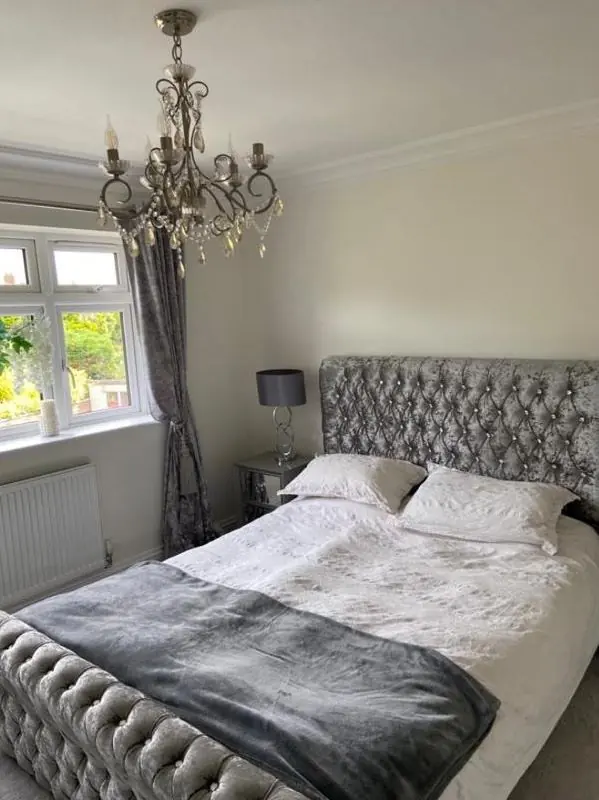
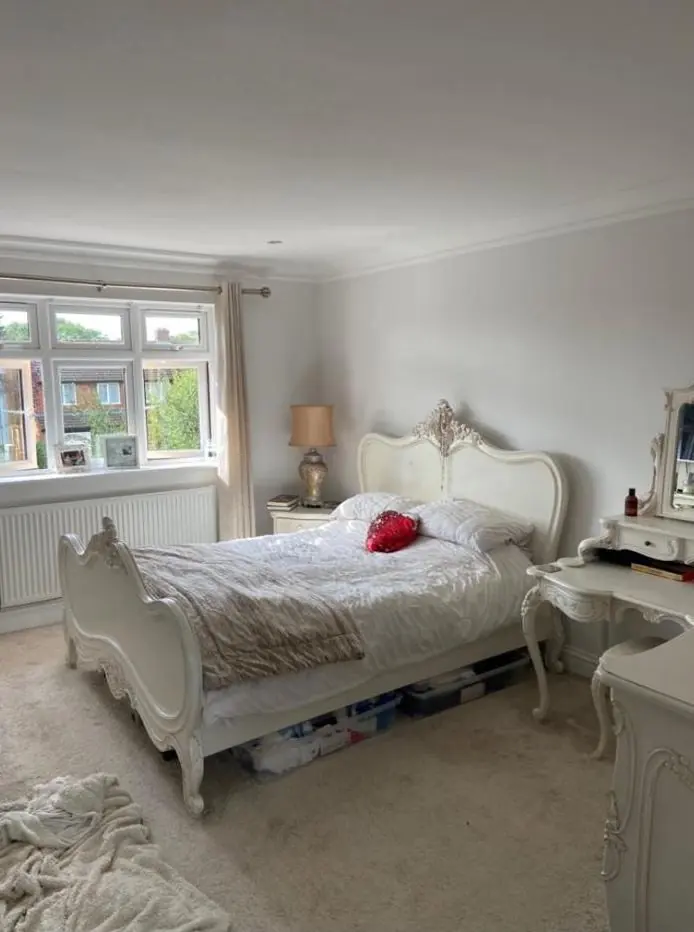
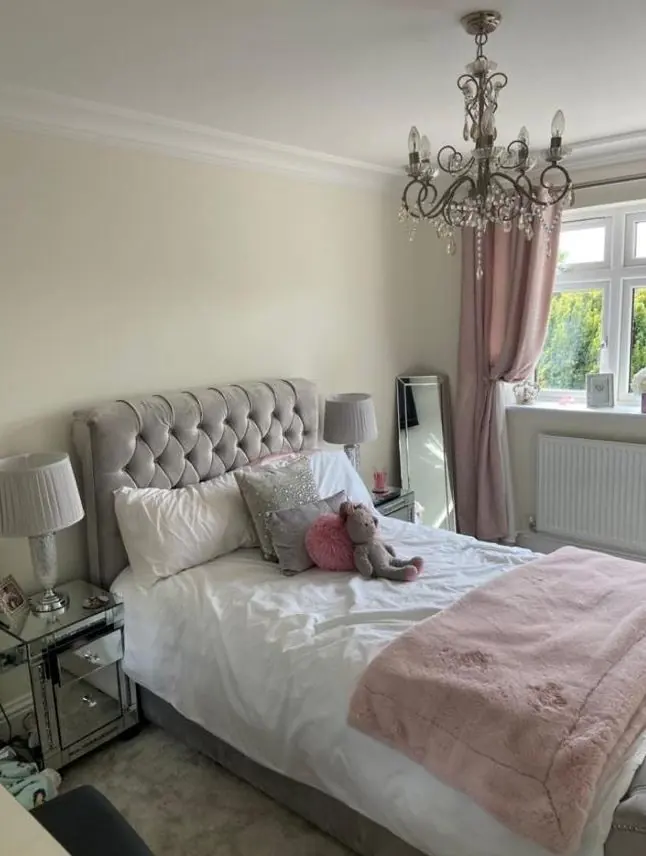
Indoors, the deciding factor is light. The older cottages have small timber casements, thick walls and low ceilings, so rooms get less daylight than their size suggests. Very dark colours can close them in, while pale cool greys turn dull and cold. Warm whites, soft earth colours and limewash-type tones generally suit them, and a flat or chalky finish on uneven walls looks more natural than any sheen. Where a beam or stone lintel is exposed, the wall colour has to work with it.
The southern half of the village climbs towards a ridge of about 155 metres, with long views over farmland. Houses on that rising ground often get more open light, and rooms facing the fields can carry deeper greens and blues. The 1960s to 1990s estates, largely detached 3-bedroom homes, have regular rooms where orientation matters most, so Dean looks at each room at the time of day you actually use it.
| Setting in the village | What tends to work | Check first |
|---|---|---|
| Listed stone cottage on The Green or Church Street | Soft heritage shades, breathable paints | Listed building consent for any change |
| Painted or pebbledashed front in the conservation area | Muted, stone-toned colours, like for like | Neighbourhood plan character guidance |
| Estate house on the Wilsons Estate or Roberts Field | Wider choice, matched to room orientation | Existing oil-based finishes on joinery |
| Home on the valley floor or by Heyford Brook | Mould-resistant finishes in wet rooms | Moisture readings before choosing paint |
How the advice is given
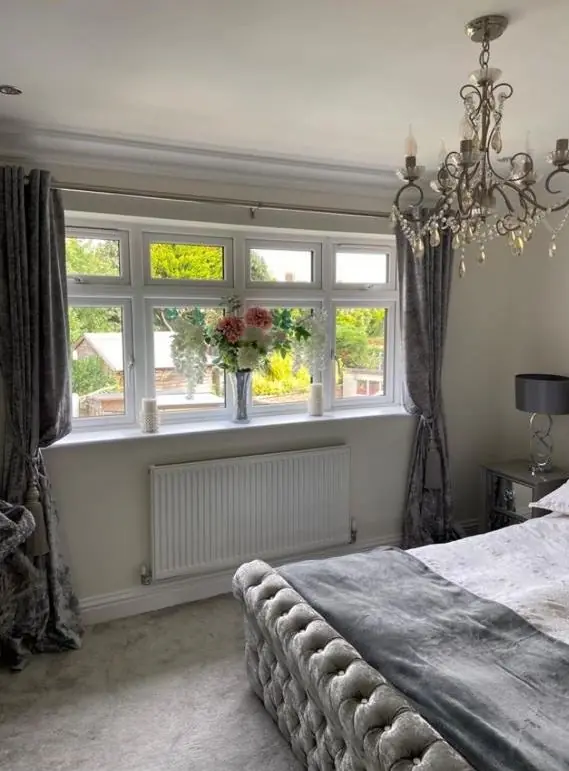
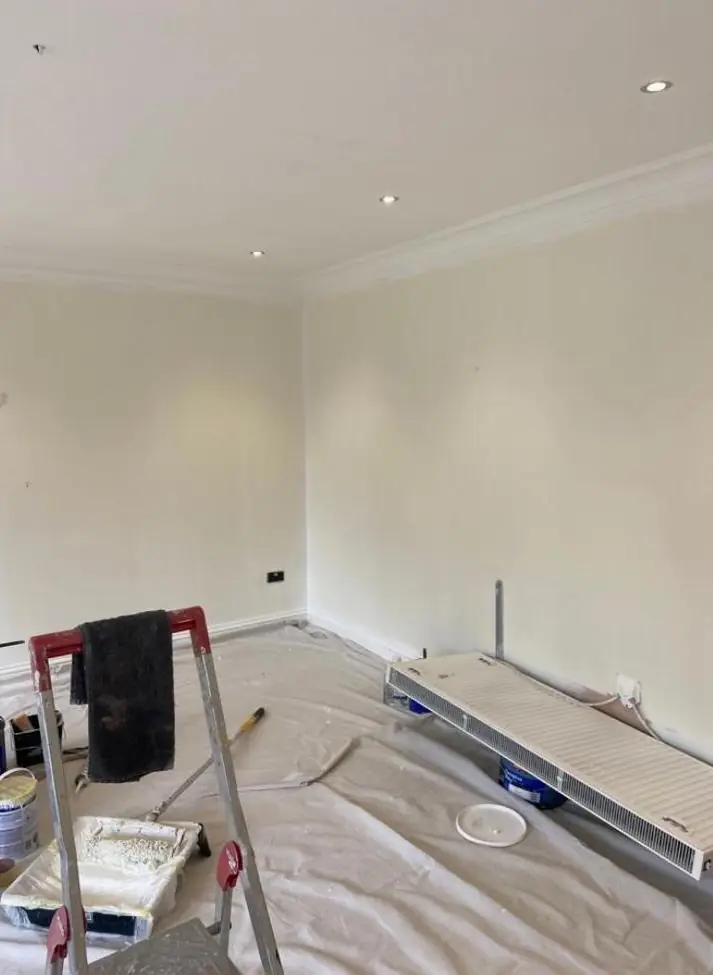
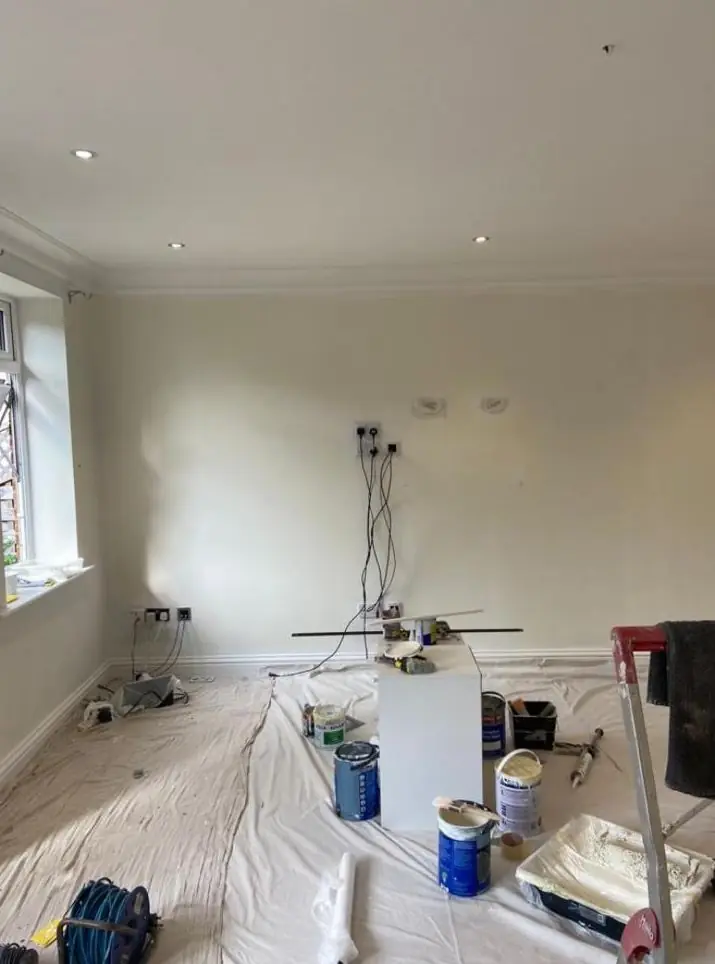
Colour advice comes as part of a decorating job rather than as a separate design service. Dean paints sample patches on the actual walls or joinery, large enough to judge, and looks at them with you in morning and evening light. He also advises on finish: eggshell or a traditional oil gloss on cottage casements and sashes, flat or chalky paint on old plaster, and wipeable matt in busy family rooms. We cover The Heyfords from our Northampton base, about 6 miles away. More on the approach is on our colour and finish advice page, and our Heyfords area page covers the village’s houses in more depth.
Last updated by Dean, DH Painter & Decorator.