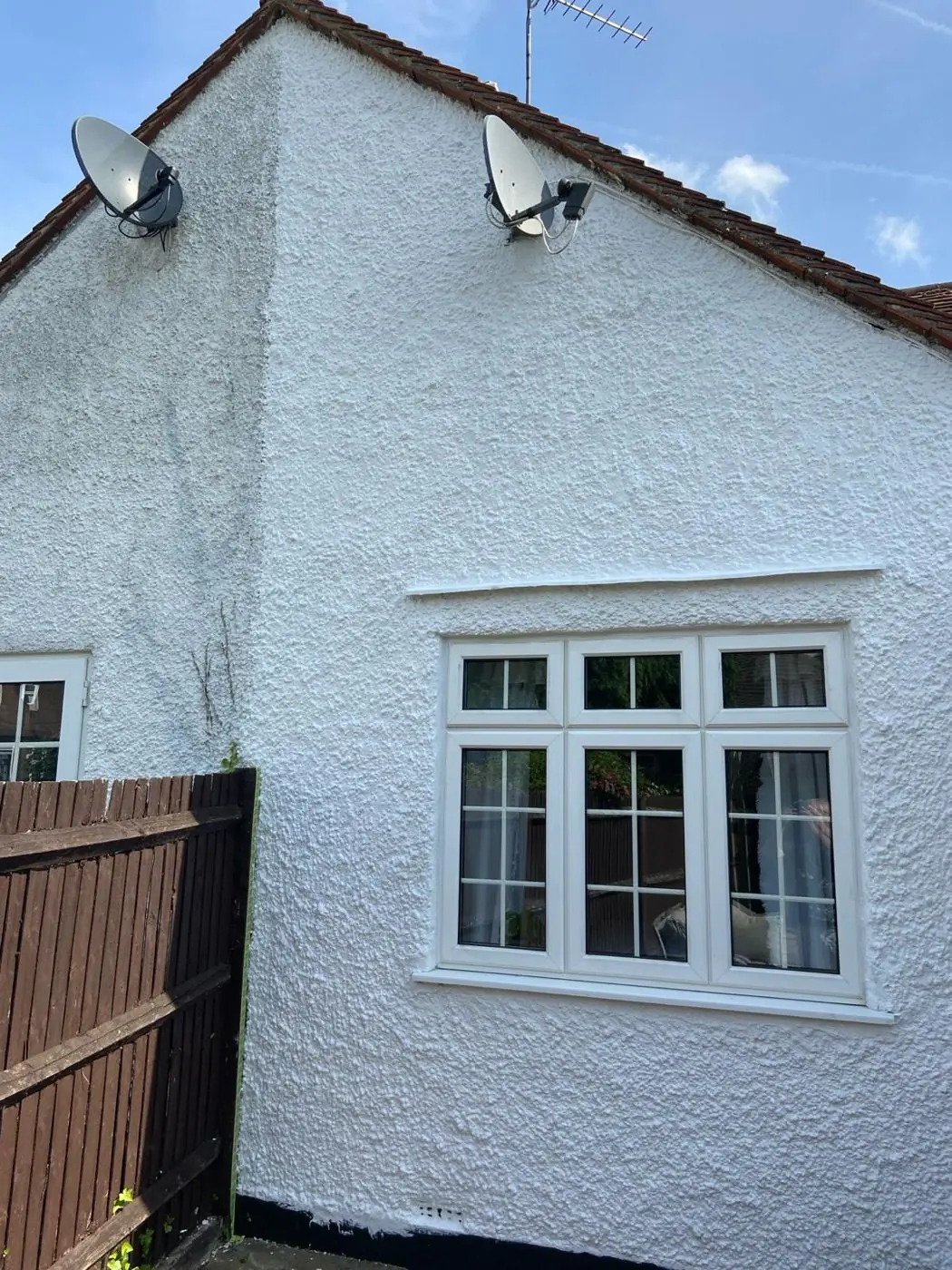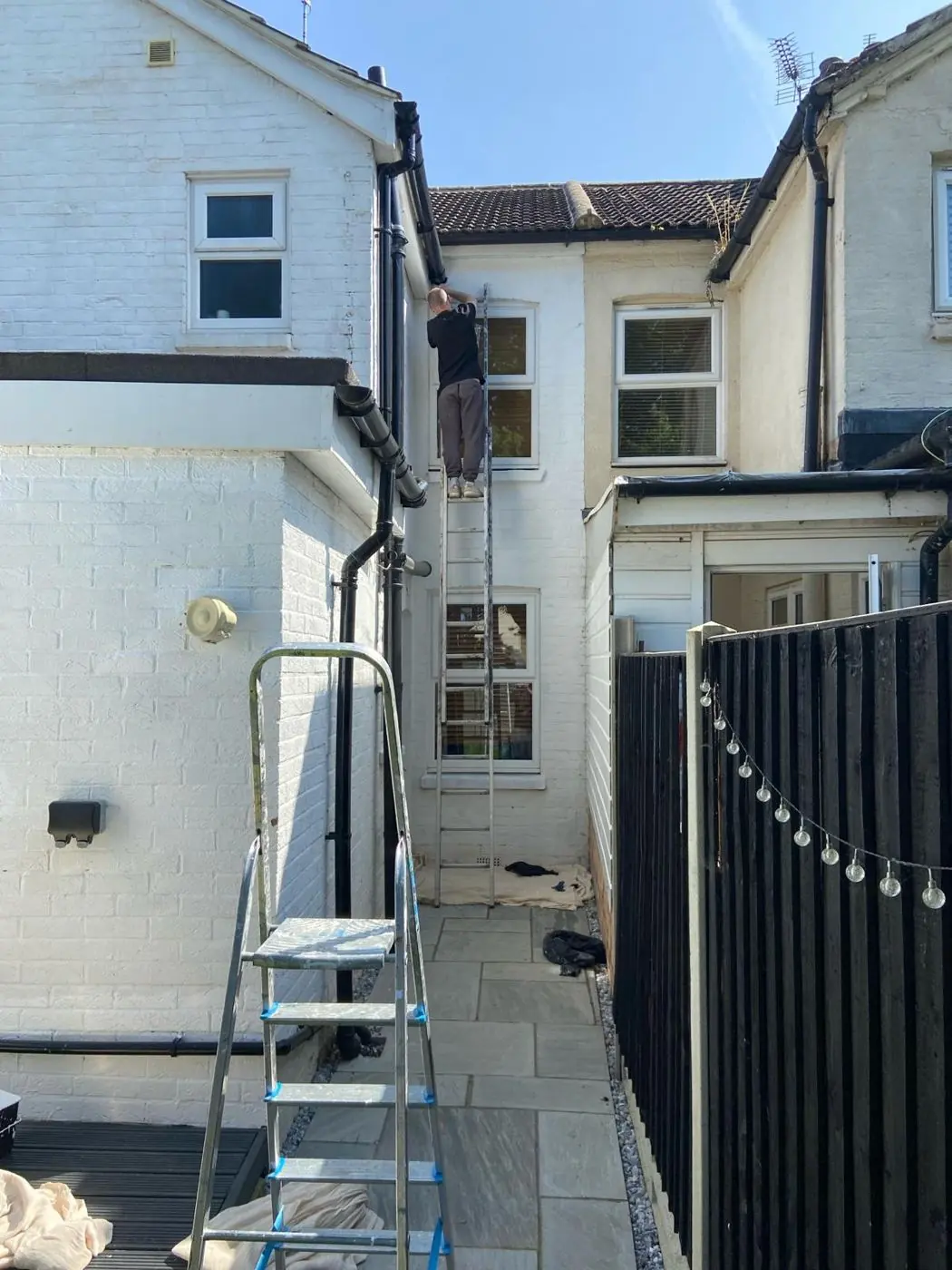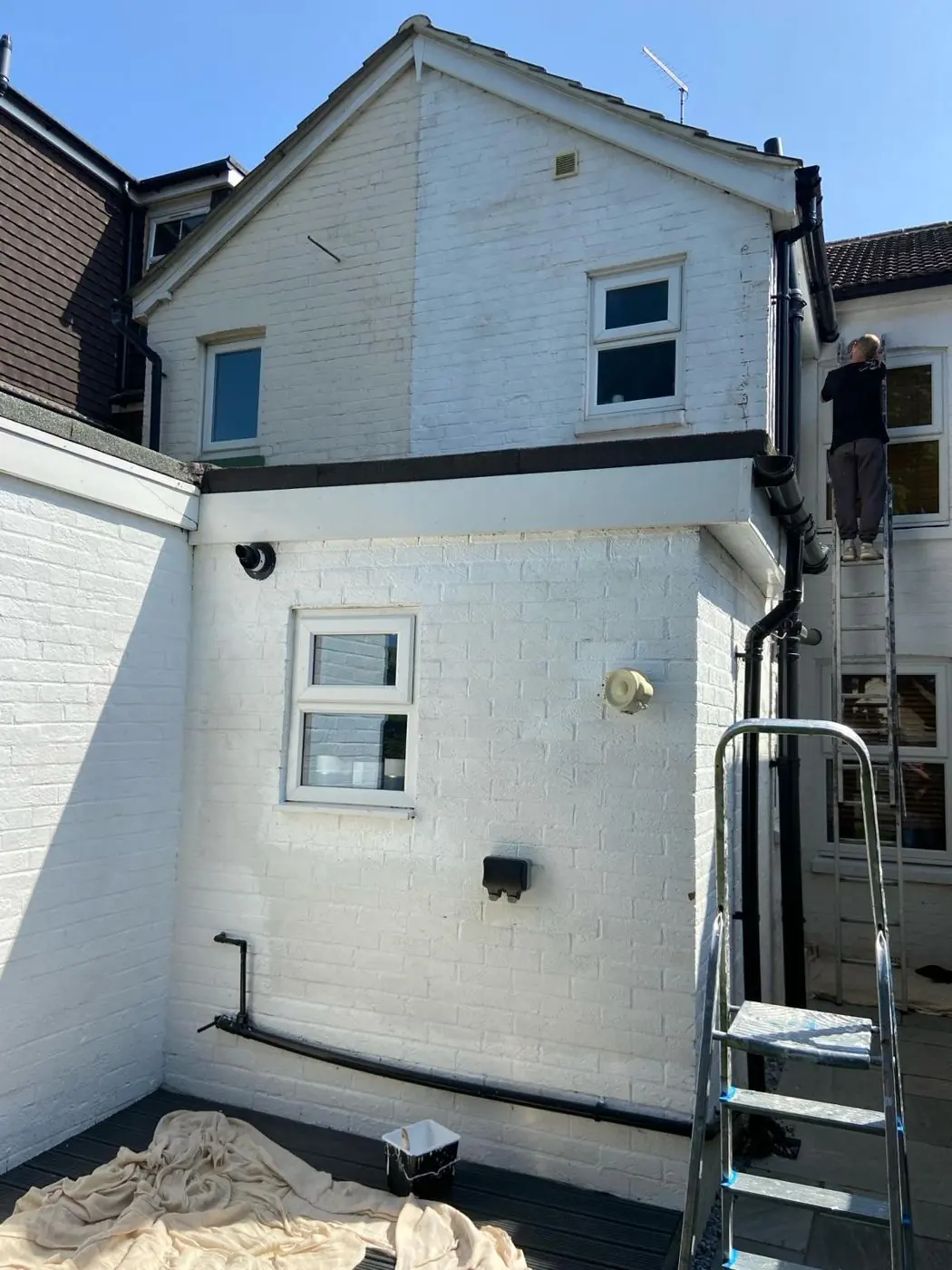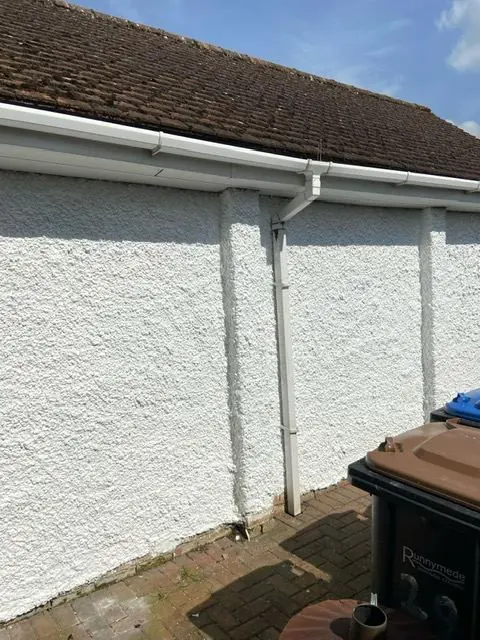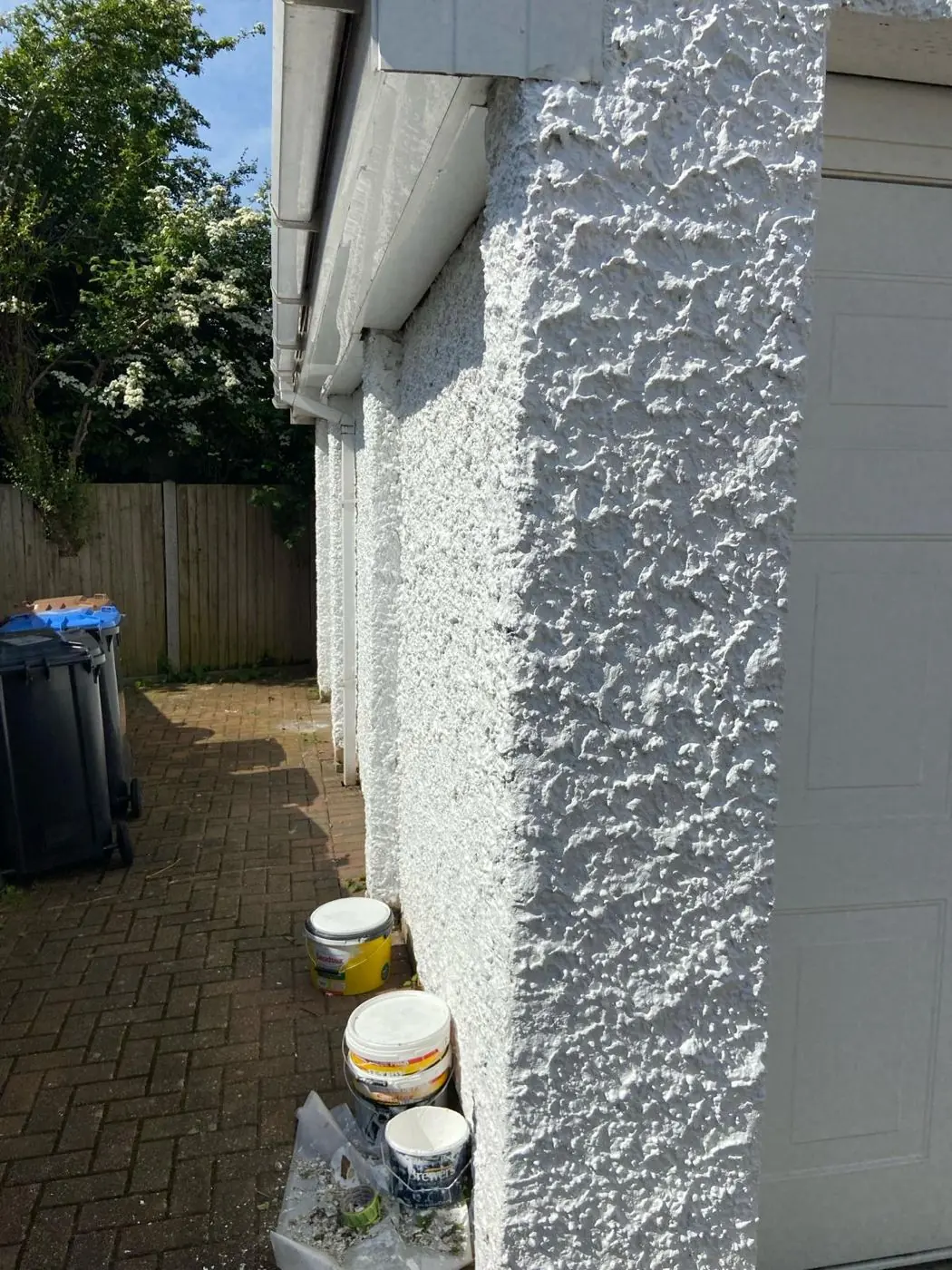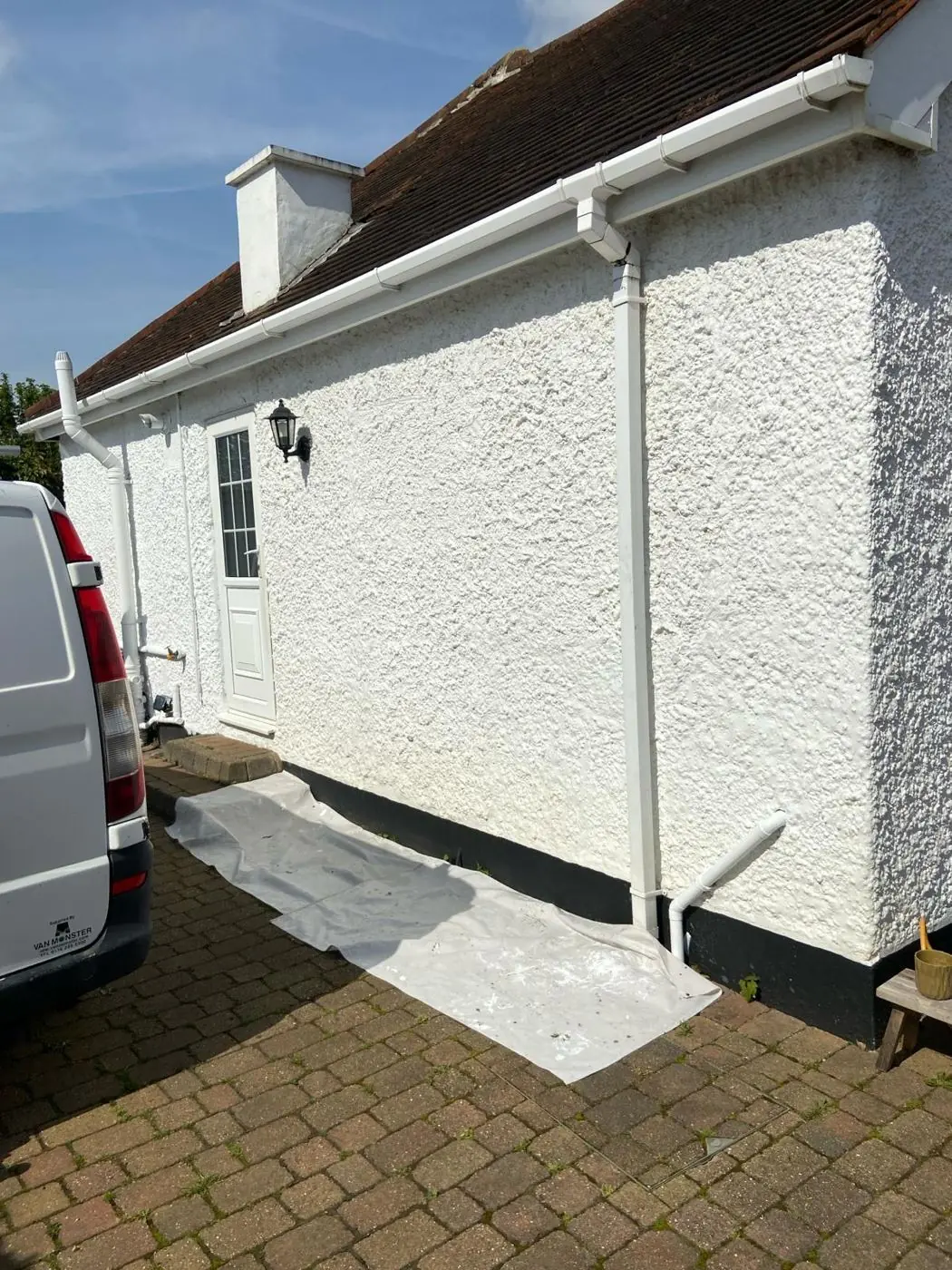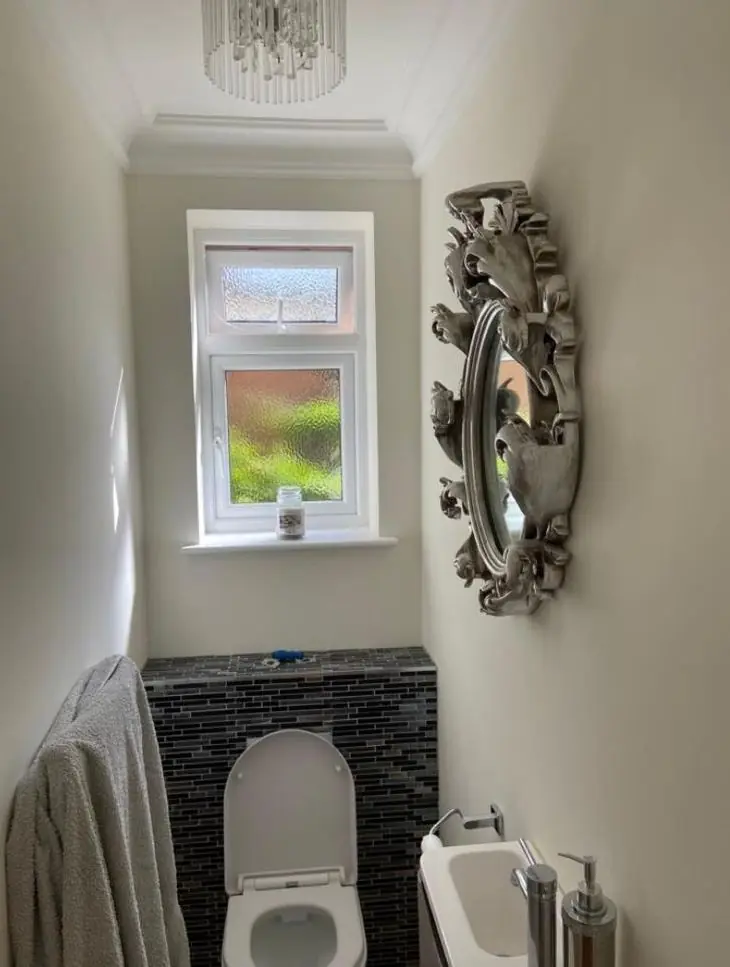
DH Painter & Decorator covers Weedon Bec from our Northampton base, about 8 miles west of the town centre in the NN7 postcode area. Dean paints and decorates the village's listed stone and rendered cottages, the homes and businesses around Church Street, Bridge Street and the High Street, and the newer estates, with materials chosen for each type of building.
Three settlements, one parish
Weedon Bec, usually just called Weedon, grew from three separate farming settlements: Upper Weedon, Lower Weedon, and Road Weedon on the A5, the old Watling Street. It had 2,706 residents at the 2011 census. The Grand Union Canal and the West Coast Main Line both cross the village on viaducts, and the River Nene rises close by. The parish has 50 listed buildings, and the group most people know is the Royal Ordnance Depot of 1803 to 1806.
For a decorator, those layers of history mean the housing changes every few hundred metres. A day’s work might start in a thatched limestone cottage and end in a plasterboard living room built in the last decade. The sections below go through each part of the village and what it needs from paint.
Stone cottages in Upper and Lower Weedon
The oldest homes are late 17th and 18th century cottages and farmhouses in coursed, squared ironstone and limestone, often banded, with stone mullion windows, plain-tile or thatched roofs and brick stacks. Upper Weedon has The Firs on Queen Street, dated 1692, along with Dairy Farmhouse, Fernhollow Farmhouse and Home Farmhouse. Lower Weedon has the Old Bakehouse on Church Street, the Maltsters Arms on West Street and the cottage at 2 High Street, all listed.
Three rules run through work on these buildings:
- Bare ironstone and limestone stay unpainted. Paint on stone traps moisture and is very hard to remove later.
- Render and limewashed surfaces get breathable coatings: limewash, or a mineral paint where an old modern coating is present, never a sealing acrylic masonry paint.
- Decayed ironstone dressings are soft and spall easily, so cleaning is done by hand. We do not pressure wash soft stone.
Stone mullion windows with timber casements need careful cutting in, and water collecting at the stone sill is the usual reason the bottom rails rot, so we use a microporous joinery paint there. Thatched roofs have no fascias, and ladders and towers have to be set up so nothing presses into the thatch at the eaves. More on the masonry side is on our render and masonry painting page.
The turnpike streets and the village centre
Along the High Street in Road Weedon, and on Church Street, South Street, West Street and Queen Street, the 18th and 19th century houses, inns and shops mix Northamptonshire sandstone, some timber framing, old red brick and white or off-white render, under thatch or slate. That white render is part of what makes the centre look the way it does, and repainting it is about matching the existing shade in a breathable masonry paint rather than introducing a bright new white.
The Weedon Conservation Area, designated in 1991, covers about 20.7 hectares here and contains 23 listed buildings. The canal corridor has its own conservation area too. The sources we checked did not show an Article 4 direction, but listed buildings carry their own controls, and we always suggest owners confirm with West Northamptonshire Council before changing colours or paint types on a listed front.
Weedon Depot and The Flats
The depot is a walled complex of Grade II* storehouses either side of a canal branch, with lodges, magazines and outer walls, built in Flemish bond red or yellow brick with gauged brick arches and stone dressings. Today it houses storage, offices and light industry. Its horned 6/6 timber sashes and 12-panel double doors are protected historic fabric, so like-for-like traditional paints are the starting point, and any change needs listed building consent questions answered first. The site also has cast-iron hoppers and iron handrails that need rust treatment and a proper metal primer.
On Bridge Street, The Flats were the depot’s fireman’s quarters before becoming council flats. They are red brick and cast iron with sash windows under gauged brick lintels, and the ironwork is a job for our metal and railing painting service.
Living with flooding
Weedon has a long history of flooding. Since a flood storage reservoir was built upstream on the Nene in 2002 and 2003, the problem has mostly been surface water, and the village centre and South Street flooded in November 2012, on 24 November 2024 and in March 2025. St Peters Way and Martins Way have also flooded after a culvert failed on the Whettles footpath.
Redecorating after a flood is mostly a matter of waiting. Lower walls and skirtings have to dry out, salts have to stop coming through, and any new flood-resilient plaster needs a mist coat before the finish goes on. Rushing it is how a room ends up being redecorated twice. Our new plaster painting page covers how fresh plaster is sealed and painted.
The estates and newer homes
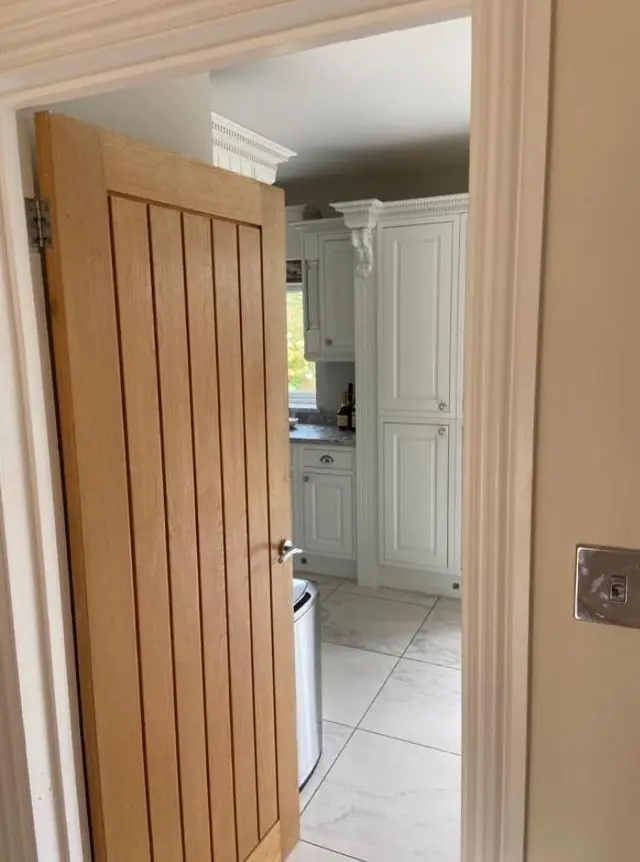
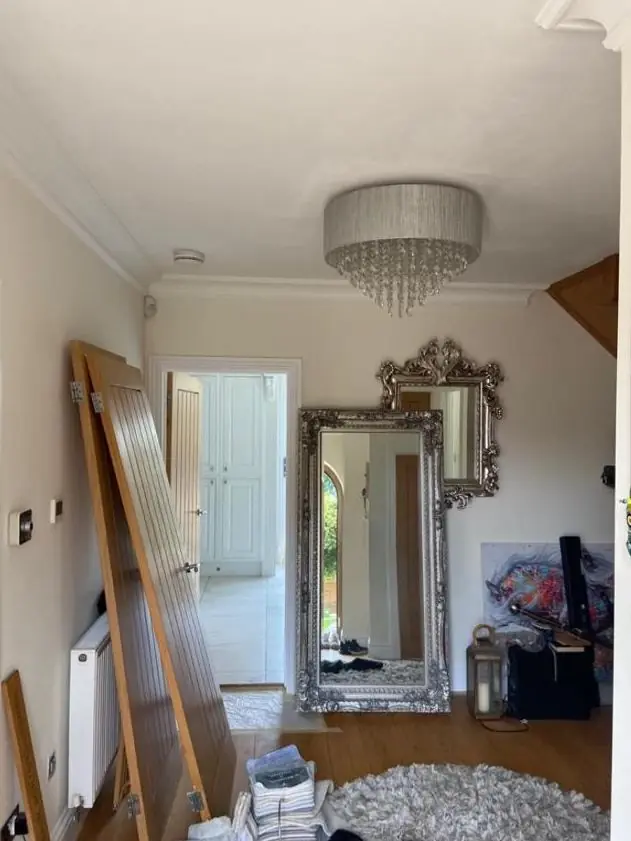
Large 20th century estates were added to the north, south and west of the old village, laid out on loop roads and cul-de-sacs: Cavalry Fields and Cavalry Hill, Holm Close and the Croft Way area. Harmans Chase and Harmans Way, east of the depot entrance on the line of the old canal branch, are newer still, with 62 homes completed between April 2011 and March 2014. Work here is the familiar run of modern housing: interior repaints, painting new plaster in extensions, uPVC-era fascias that may only need cleaning, and timber fencing and gates that need staining every few years. Driveway parking makes access easy.
Rentals, shops and businesses
Weedon has a higher share of rented homes and flats than the surrounding district. At the 2011 census 12.7% of households rented privately and 11.1% of dwellings were purpose-built flats, about double the district figure. Former council and housing association homes sit at Queens Park, Princes Close and Oaklands. That makes turnaround decorating between tenants a steady need, and our landlord decorating page covers how that works.
There are two shopping areas: the centre on Church Street and Bridge Street, with a convenience supermarket, newsagent, post office, hairdressers and dentist, and the High Street on the A45 in Road Weedon, with a convenience store, specialist traders and a vet. Add the pubs, the hotel, the depot units and the trading estate off Daventry Road and there is a fair amount of commercial and shopfront work, some of which has to be scheduled around opening hours.
Getting into the village
The canal and rail viaducts at the east entrance are pinch points for large vehicles, and HGVs to the depot already use residential streets. In the old centre, terraced cottages and infill leave barely room for a pavement, and parking on Farthingstone Road and New Street is tight. We work from a small van, plan towers and ladders around narrow pavements, and check in advance whether a permit is needed. Upper Weedon and the hillier ground to the south, towards Weedon Hill and Round Hill, are more exposed, so exterior timber there weathers faster and we plan outdoor work for settled spells.
Last updated by Dean, DH Painter & Decorator.