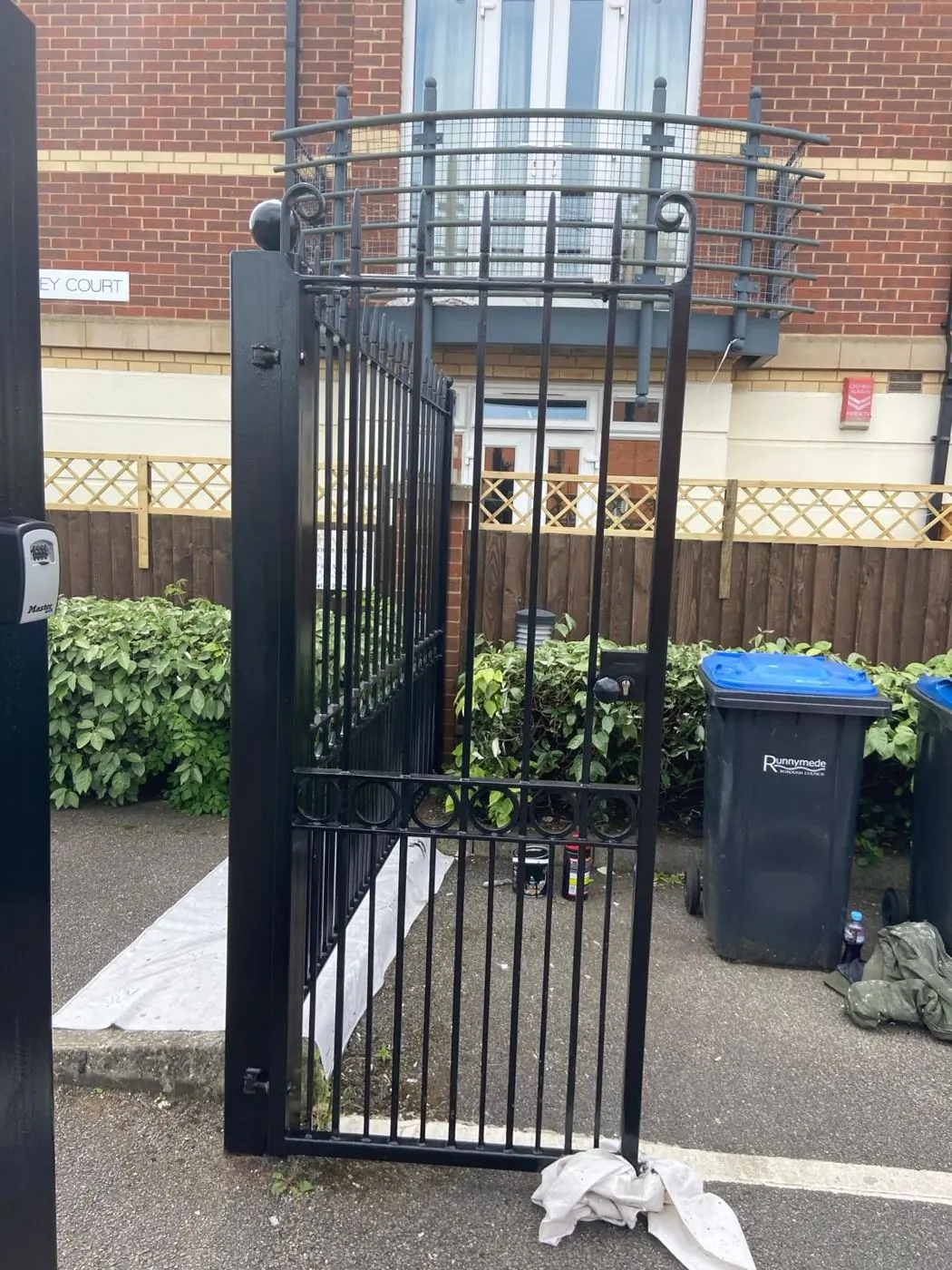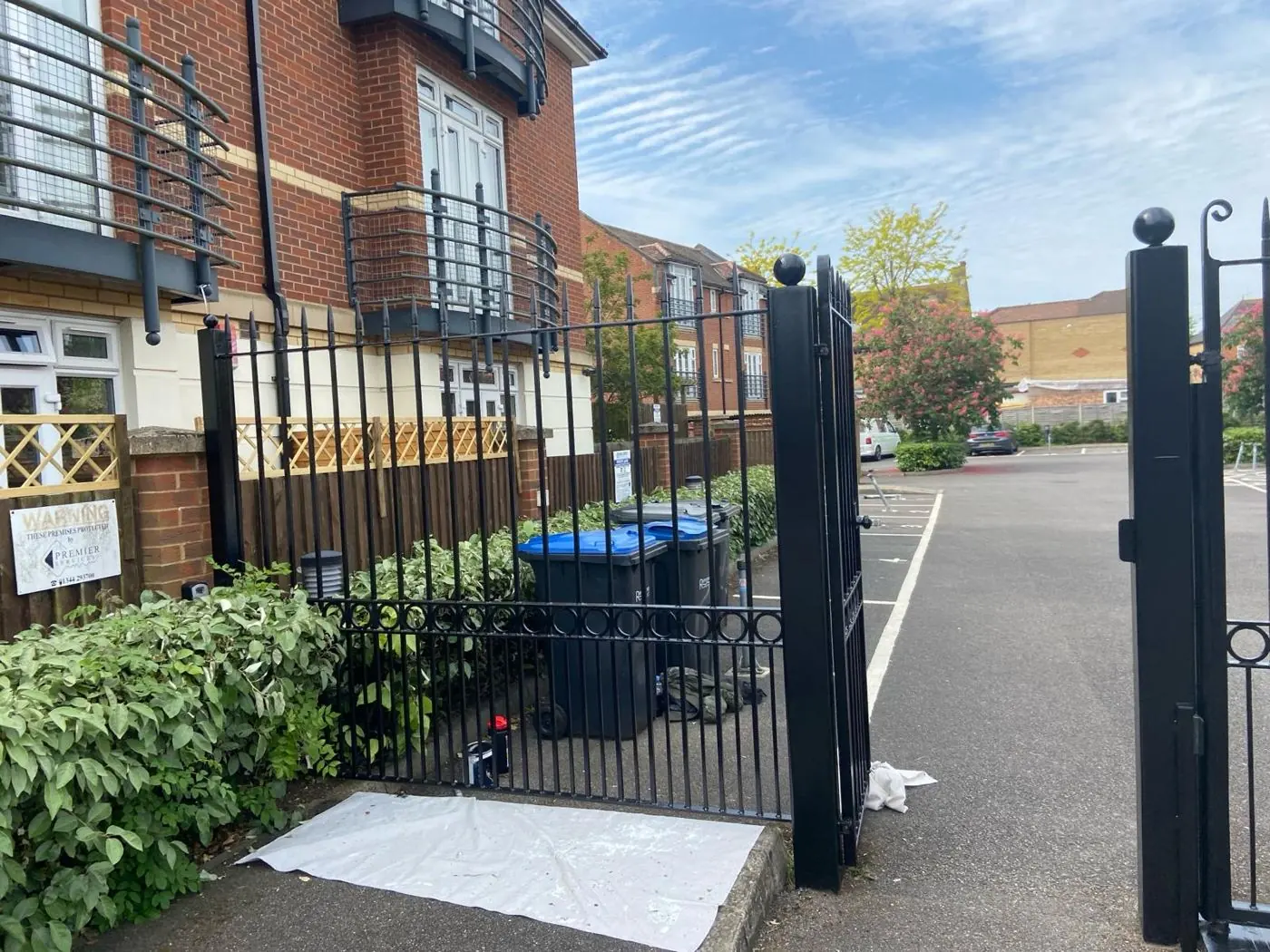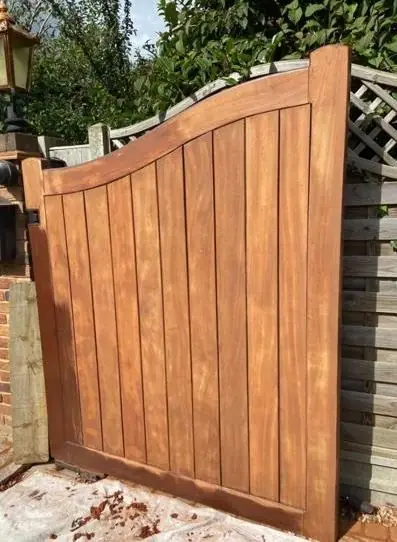
Dean of DH Painter & Decorator stains and treats garden fences and timber gates on the Briar Hill estate in NN4, a short trip (about 1.3 miles) south-west of Northampton town centre. The estate's terraces have fenced gardens with rear gates, and the damp north-facing slope near the canal calls for breathable, water-repellent finishes.
Fenced gardens and rear gates across the estate
A sale listing for a three-bed terrace on Southwood Hill describes lawned front and rear gardens, fenced, with rear gated access, and fenced terrace gardens with gates are common across the estate. That makes garden timber one of the most common exterior jobs on the estate. A typical house has a run of fence panels or boards on each side, shared with the neighbours, a back fence and a timber gate onto the rear access. Most homes here have timber gates rather than metal ones.
Because so many terraces share that layout, it is easy to forget how much timber that adds up to. A fence that has gone grey and dry, with a gate that sticks or has opened at the joints, is where most enquiries start. For what we use and how we apply it, see our main fence and gate staining page.
Meadow mud, canal damp and the bottom rail
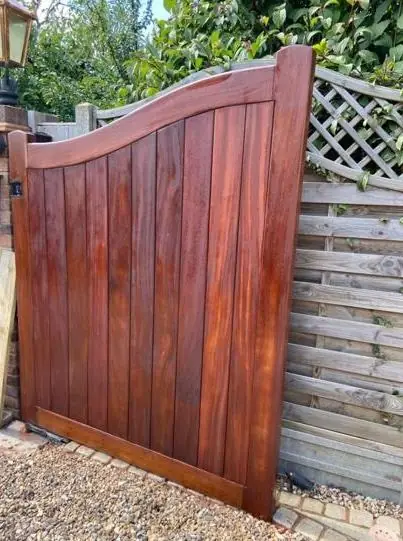
The estate runs down the north-facing side of the Nene Valley towards Briar Hill Meadow, a grassed area beside the Grand Union Canal Northampton Arm that people who walk it describe as muddy in winter. Gardens on a slope like this, with little direct sun, hold moisture at ground level for long periods. Fences fail from the bottom up: gravel boards, the lower edge of panels and the foot of each post stay wet, grow algae and start to soften.
That shapes the product choice. A sealing paint on damp timber traps water behind it and peels. A breathable, water-repellent stain lets the wood dry out between wet spells while shedding rain off the surface, and that suits Briar Hill gardens far better. Before staining we:
- brush or wash off green growth, paying most attention to the lower third of the fence
- check posts and gravel boards for soft timber and point out anything that needs replacing
- wait until the timber has dried, which in a shaded garden can take several days after rain
Our guide on timing outdoor painting and staining explains why late spring and summer give the longest drying windows.
One fence, two gardens
On a terraced row most fences are shared. That raises two questions before any stain goes on: whose fence is it, and what will the other side look like? We stain your side only unless the neighbour agrees otherwise, and we keep overspray and drips off their panels, plants and paving. Where neighbours on a row want to agree a colour together, we can stain both sides in one visit at each owner’s request, which also saves carrying kit twice.
Colour matters more than usual on an estate of matching terraces. A mid-brown or soft green tends to sit quietly in a row of lawned gardens, while very dark stains show up any patchiness on older, weathered boards.
Gates that open onto shared access
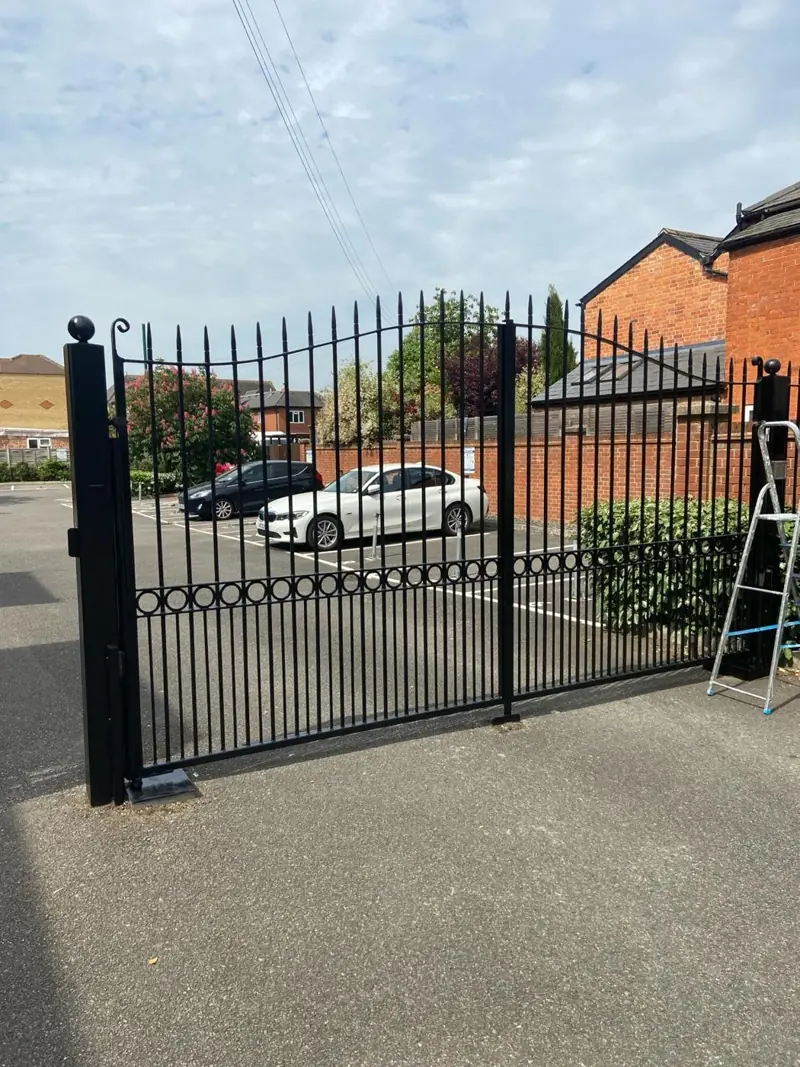
A rear gate on a Briar Hill terrace may open onto a footpath or towards a shared parking court that neighbours use every day. We stain gates with quick-drying, water-based products where we can, prop them safely while they dry, and keep the way through clear. Hinges, latches and bolts are masked or removed and refitted, and the top edge and bottom end grain are sealed, as that is where water gets into a gate first. We cover the whole of Briar Hill from our Northampton base; our Briar Hill page has more on the area.
Last updated by Dean, DH Painter & Decorator.