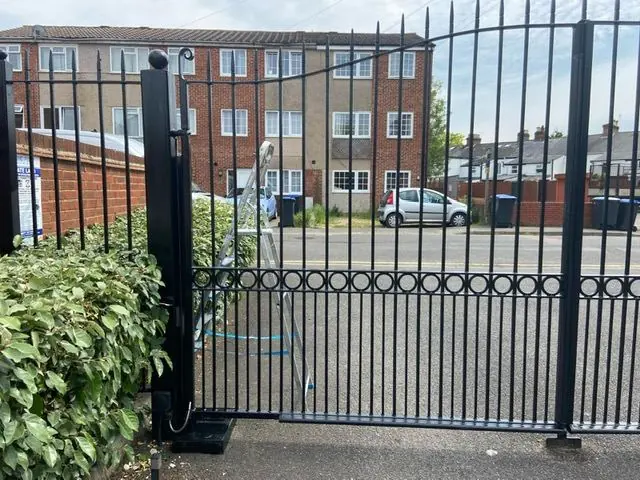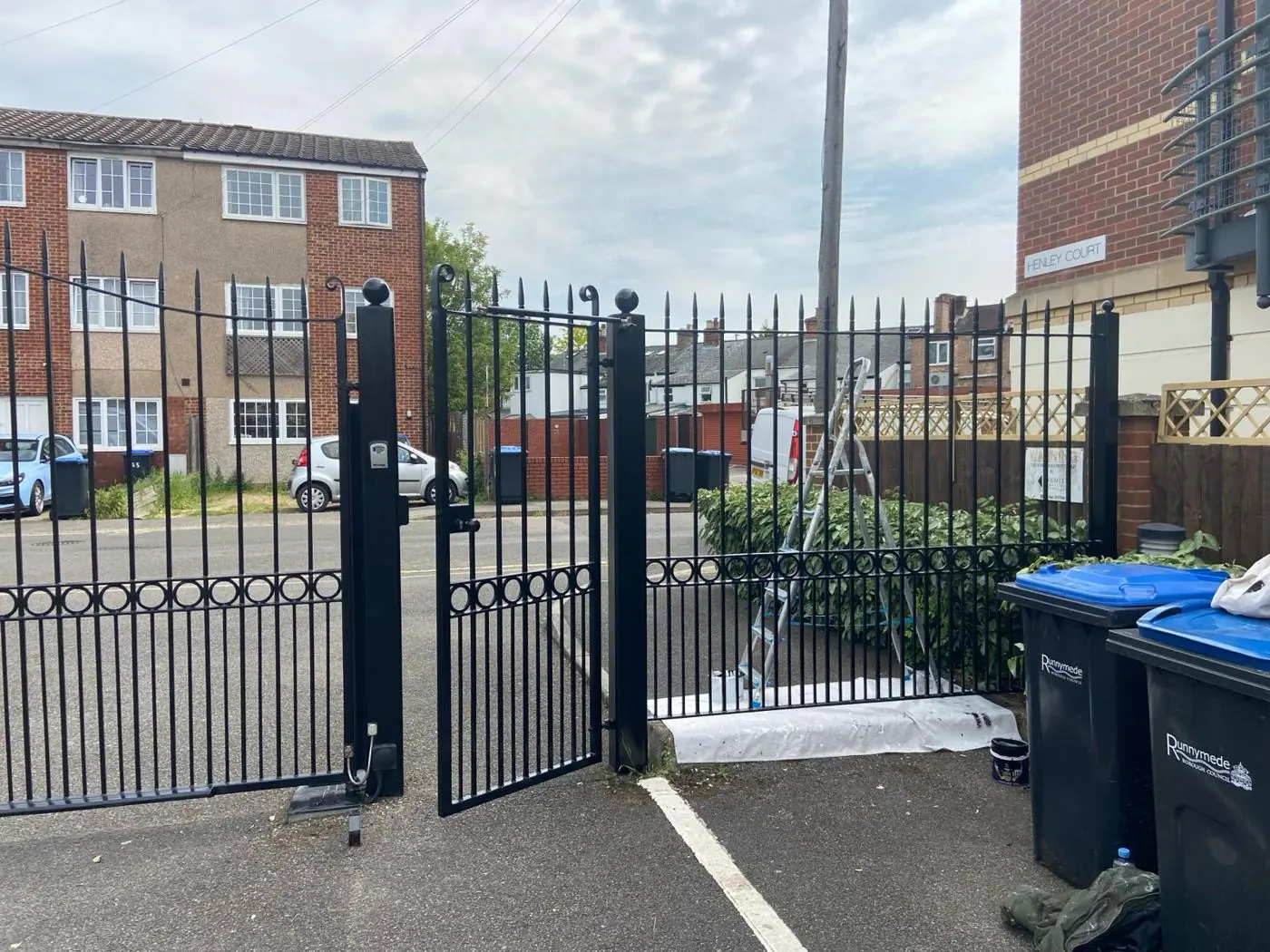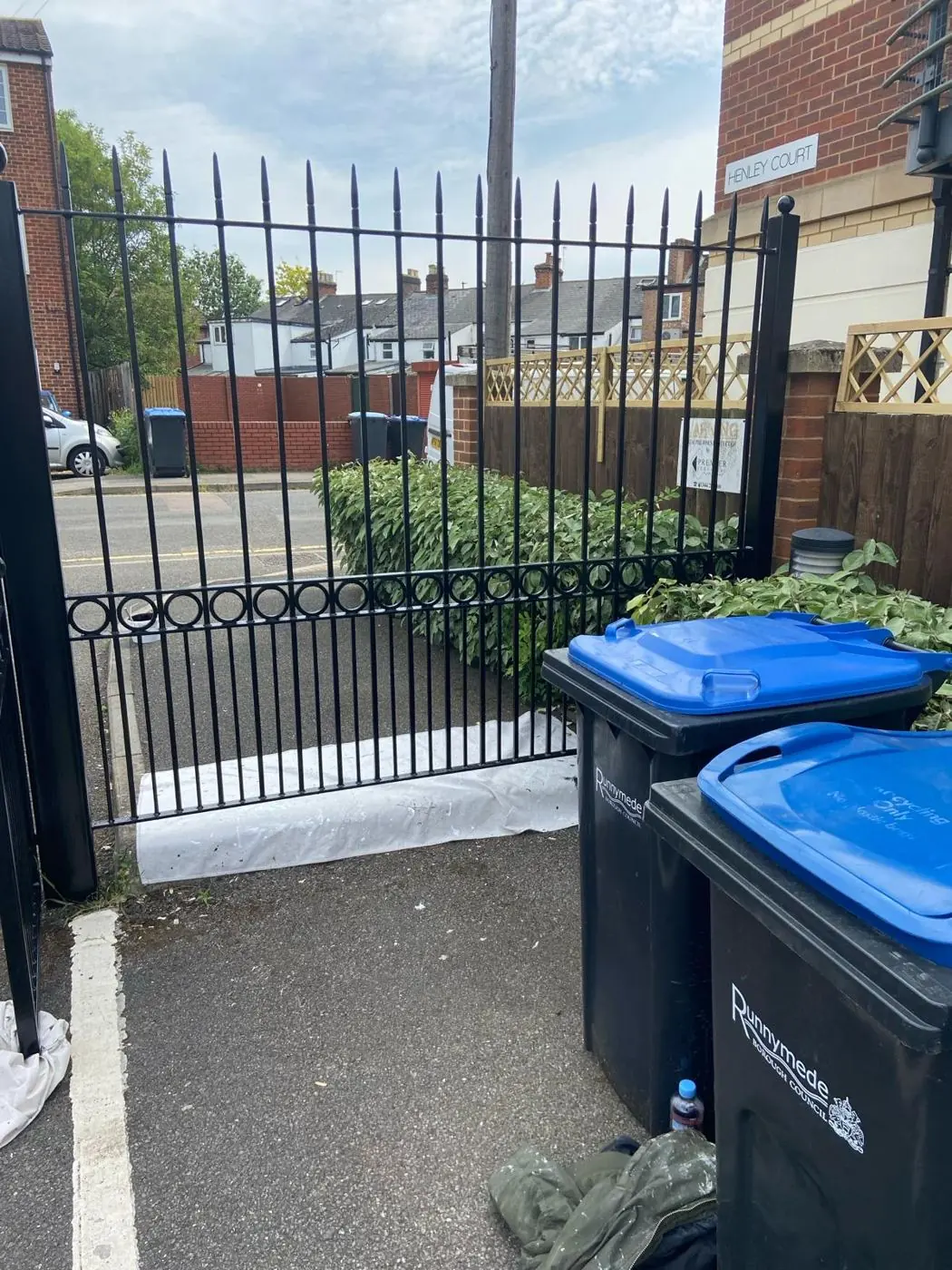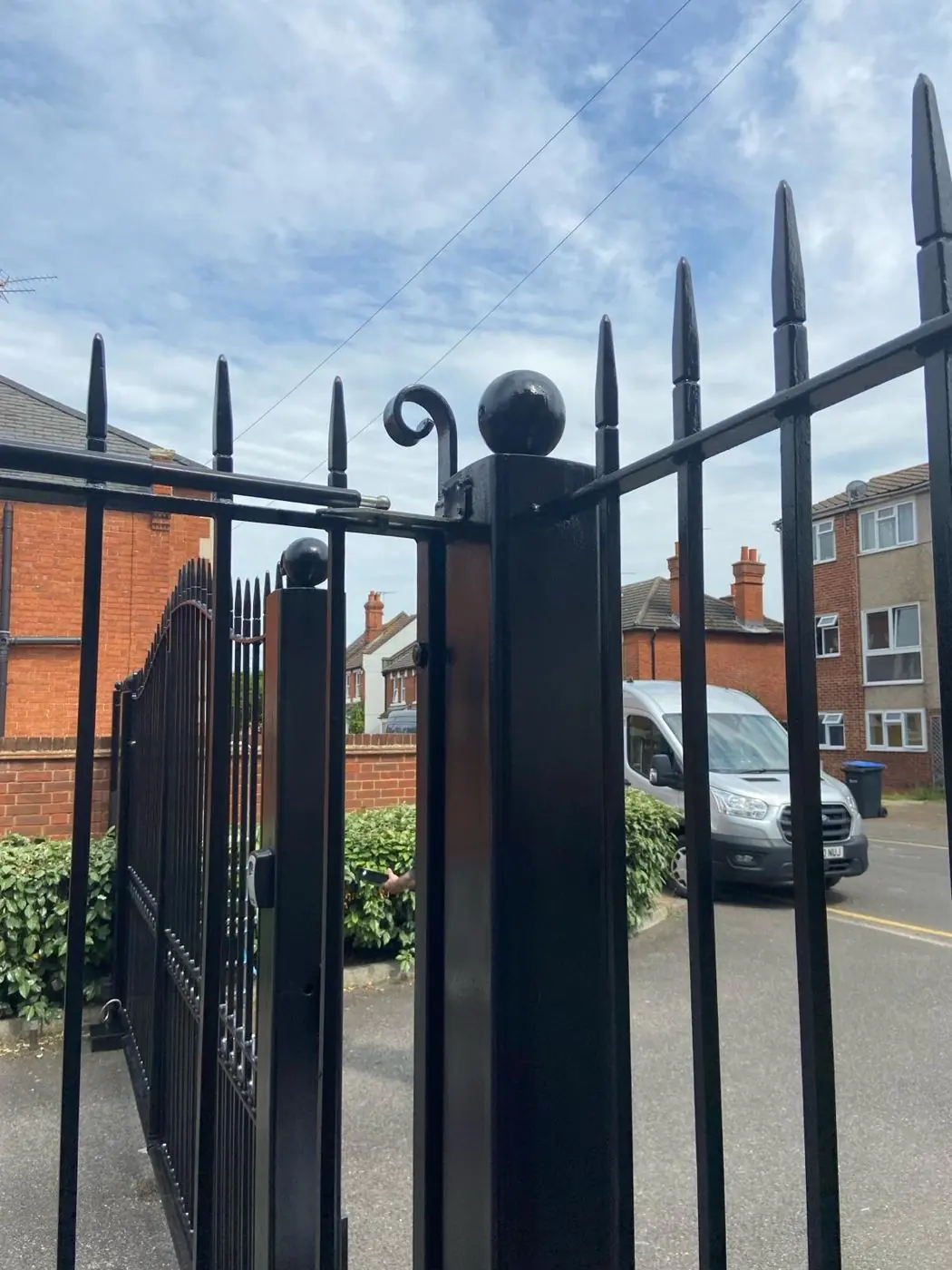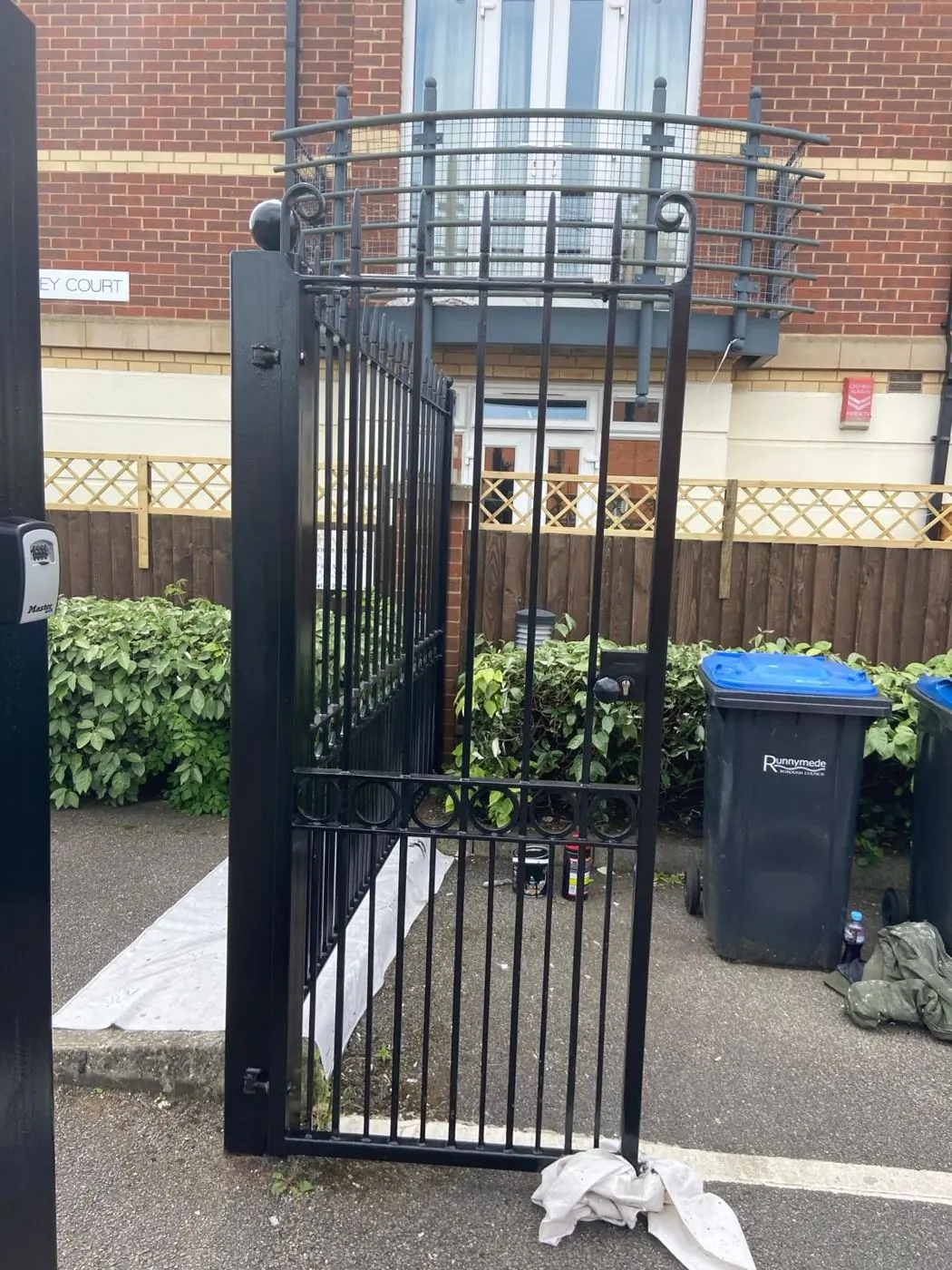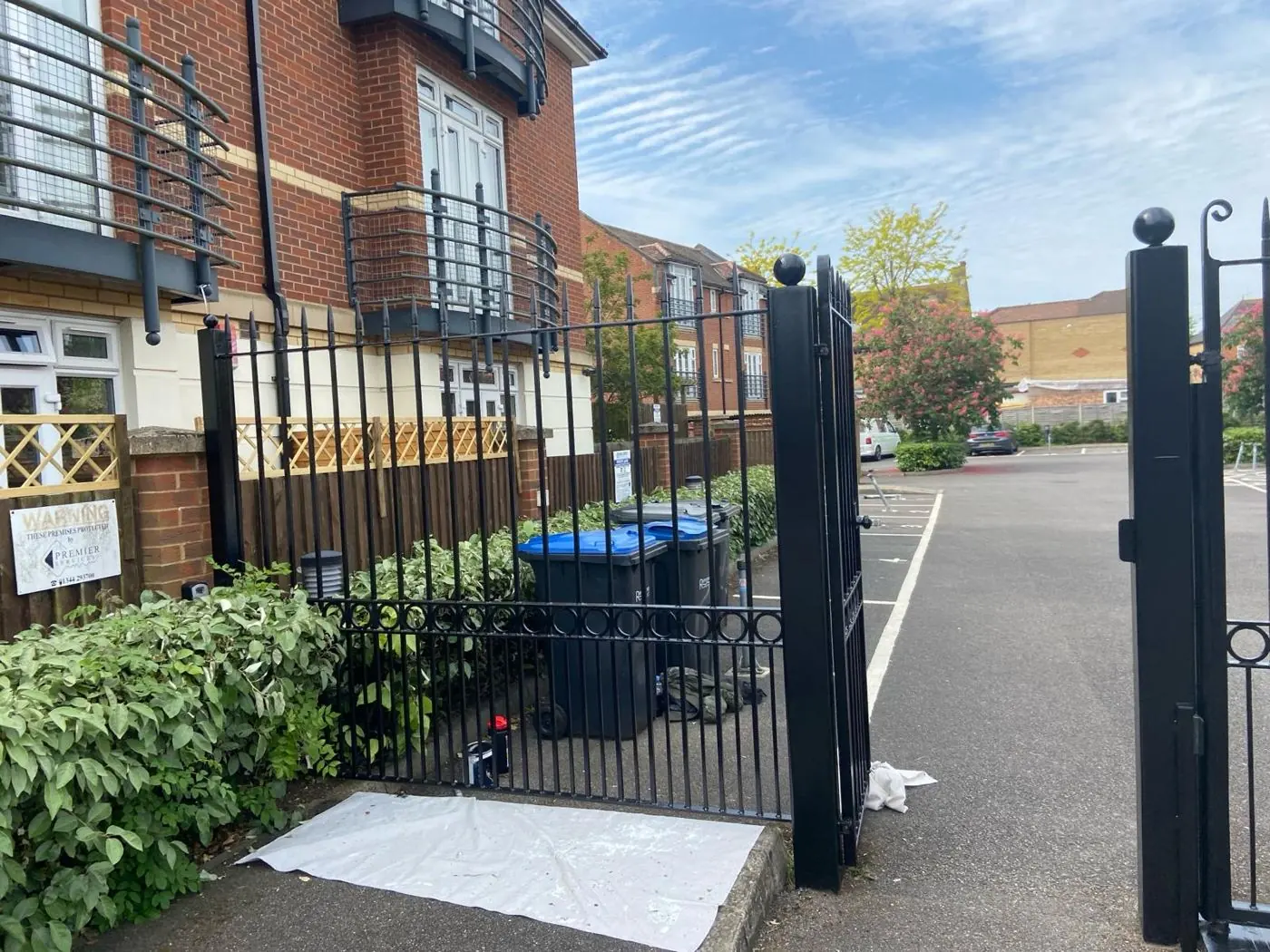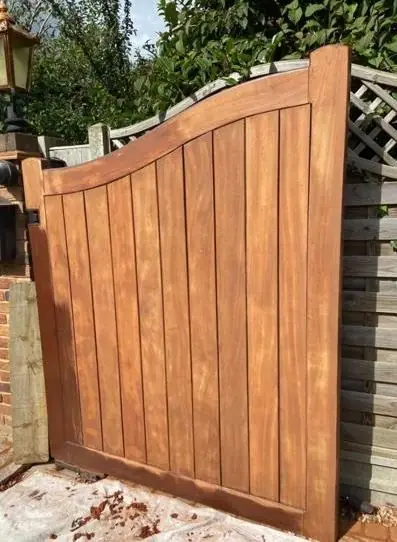
Dean of DH Painter & Decorator stains and treats garden fences and timber gates across Pineham's NN4 streets off Upton Valley Way North. Homes here sit by Upton Country Park and Wootton Brook, so most fences need an algae wash and a check of post bases before staining.
Green growth on the country park side
Back gardens here look toward Upton Country Park, and Wootton Brook feeds balancing lakes as it passes through the area. Gardens that back onto open, damp land see a lot of green growth. Lap panels and feather-edge boards turn green along the bottom third first, and the shaded side of a fence can be covered within a couple of years of the house being finished.
Stain applied over algae doesn’t soak in properly, and the growth comes back through it. So the first visit on a Pineham fence is a clean: a fungicidal wash brushed into the boards and left to work, then a scrub once the growth has died. Only when the timber has dried out again does any stain go on. The full product and application process is on our main fence and gate staining page.
Posts, gravel boards and wet ground
Parts of Pineham sit on low valley ground. When 80 more homes were proposed off Upton Valley Way North in 2021, objectors described that field as completely submerged over a Christmas period and warned about flood risk for Dragonfly Meadows. Wherever ground stays wet for long spells, the timber nearest the soil suffers most.
Before staining, Dean checks each post at ground level by pressing and probing the base, and looks at gravel boards for softness. A post that is already going is worth replacing before money is spent on stain, and we’ll tell you if that is the case rather than coat over it. Where gravel boards are concrete, we keep stain off them and protect the soil line.
When the developer’s fence is ready for its first stain
Fences on a new estate are usually pressure-treated softwood put in by the builder, often with a pale or green-tinged factory treatment. Freshly treated timber holds a lot of moisture, and it needs time to dry before a stain will take evenly. On the newer phases of the village, some fences may still be close to that stage. We test the boards and follow the stain maker’s guidance rather than rushing a first coat.
| What we find | What happens first |
|---|---|
| Green algae on lower boards | Fungicidal wash, scrub, dry out |
| Soft post base | Replace or repair before staining |
| Freshly treated timber | Leave to dry, then test |
| Sound, weathered grey boards | Clean, then two coats of stain |
Shared boundaries on a uniform estate
On an estate where the same house types repeat street after street, fences tend to be continuous runs shared with the neighbours. If you stain your side a dark shade and next door leaves theirs natural, the difference shows on every panel edge. It’s worth a quick conversation over the fence before choosing a colour, and we’re happy to quote both sides together if neighbours want to share the work.
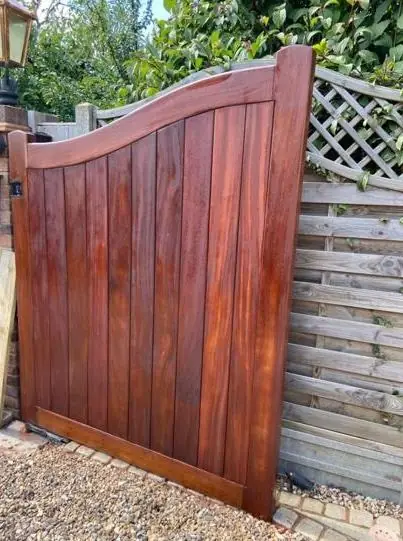
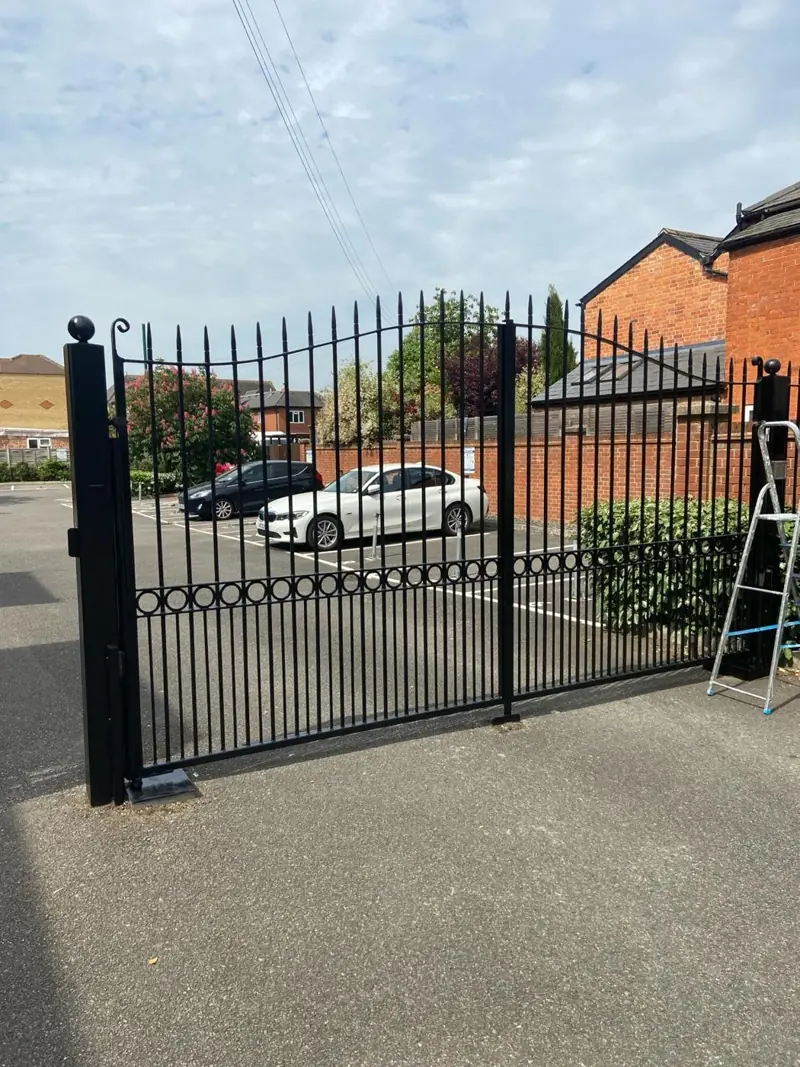
Where a house has a timber side gate onto a path or parking area, it takes more handling than the fence, so hinges and latches are masked or removed, and the gate is given an extra coat on the top edge and the face that sees the most rain. For other outdoor and indoor work we cover locally, see our Pineham area page, and for weather windows read when to paint outdoors in the UK.
Last updated by Dean, DH Painter & Decorator.