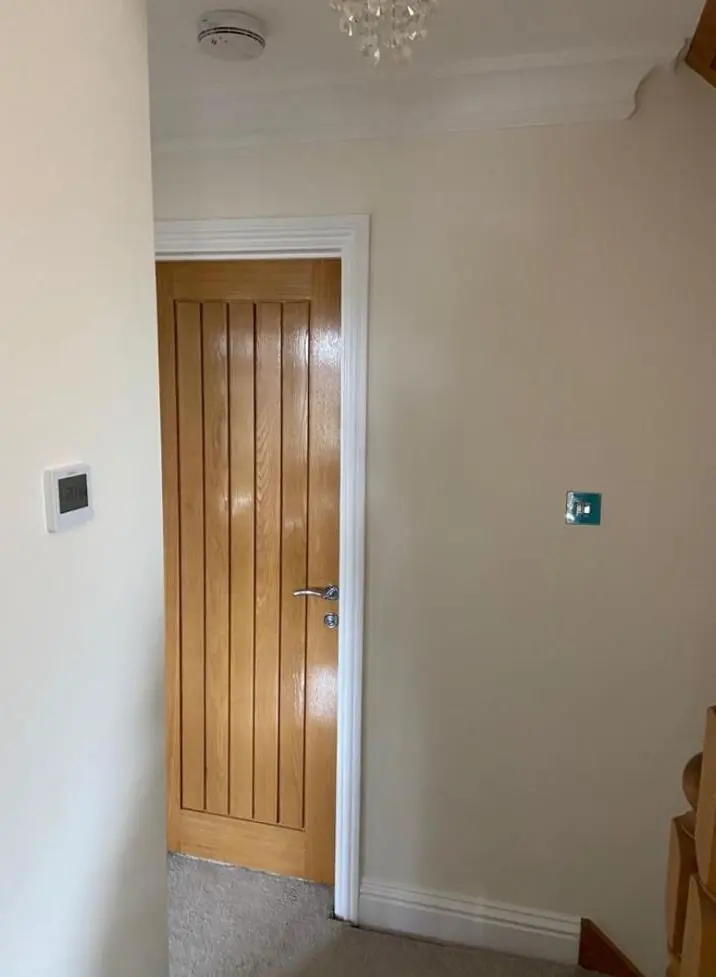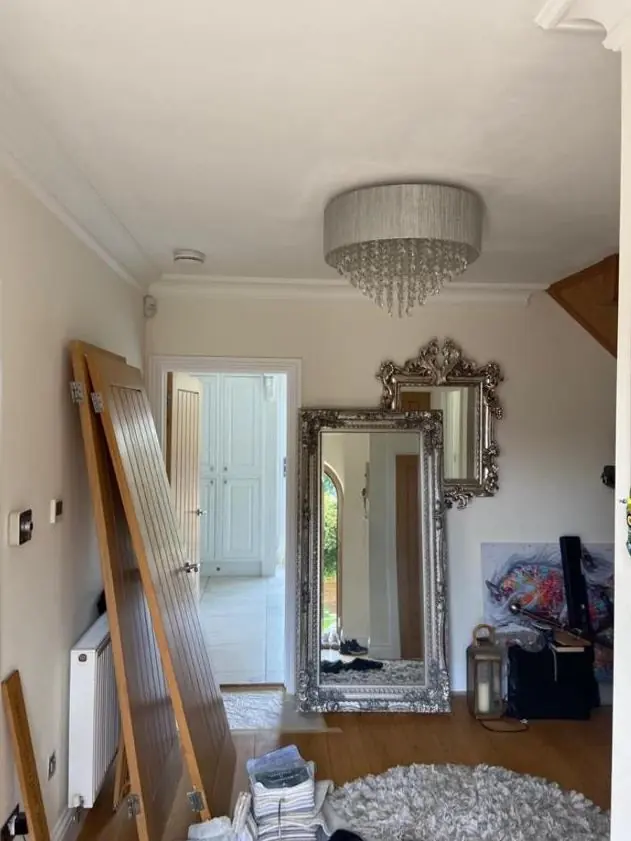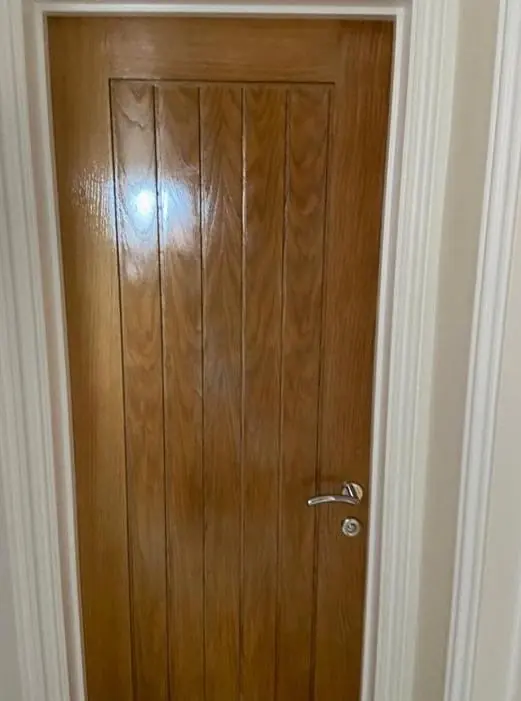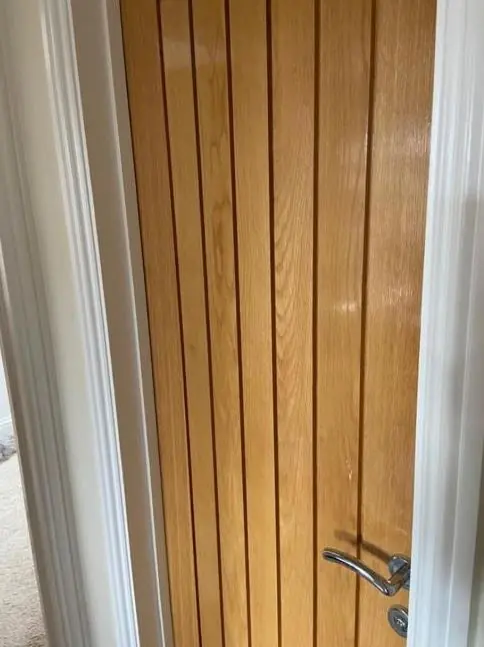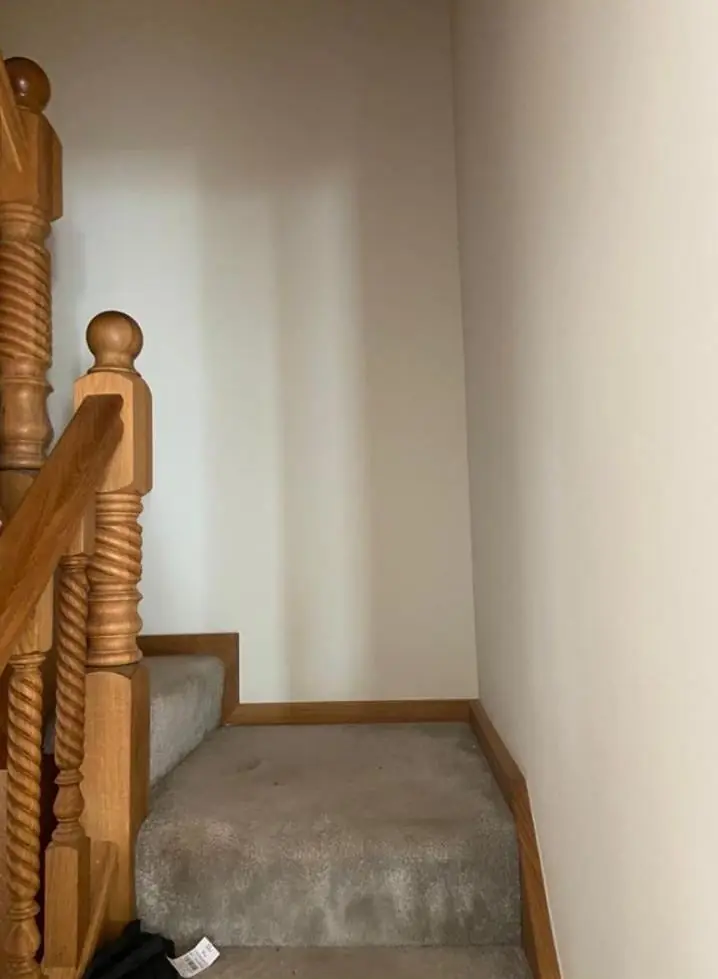
DH Painter & Decorator decorates hallways, stairs and landings in Weston Favell, NN3, about 2.9 miles north-east of Northampton town centre. Dean works on both the cramped stairs of the old stone village and the more regular layouts in the suburban streets nearby.
Two kinds of staircase in one neighbourhood
Weston Favell is really two places under one name. The village core on High Street and Church Way has two-storey stone cottages and houses dating from the 17th to the 19th century, and the stairs in them were fitted into whatever space the builders had. They are often narrow and steep, sometimes with a turn at the top, and the landing may be little more than a step across to the bedroom doors. Around that core are the 20th-century semis, detached houses and flats that came with Northampton’s growth after the 1920s, where a straight flight, a half landing or a standard dog-leg is the norm.
The decorating is the same trade in both, but the planning is not. Our main hallway, stairs and landing page covers the usual access kit and order of work. This page is about what changes in Weston Favell.
Working in a cramped cottage stairwell
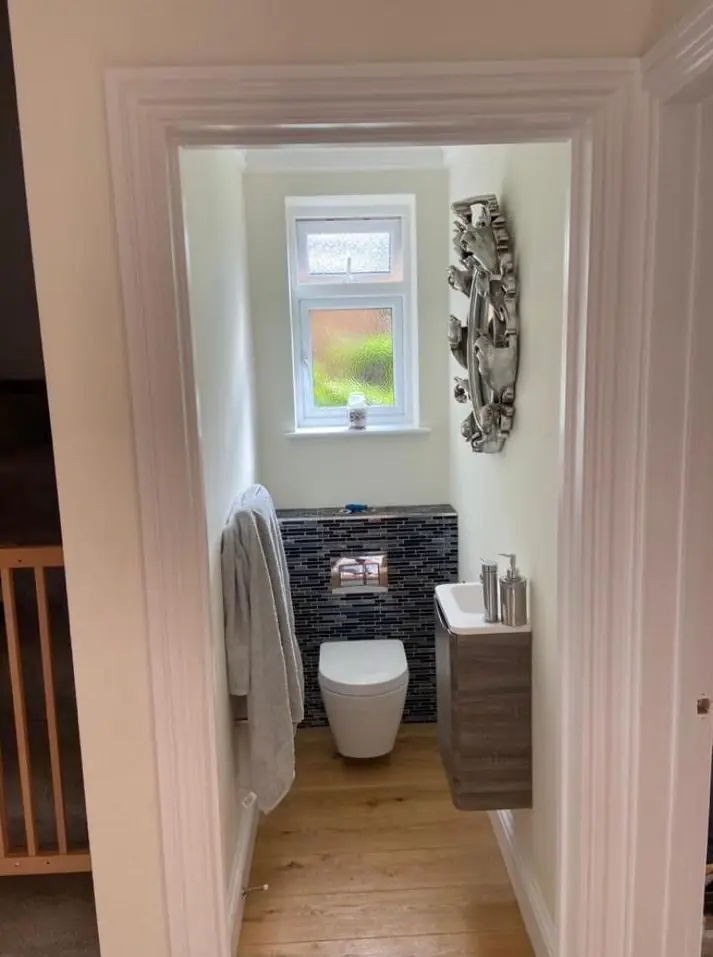
A narrow, steep flight leaves little room for a standard stair platform. In the old cottages we often use a combination ladder set up as a short stand on the treads, with boards spanning to the landing, and we work in smaller sections. Everything is measured before the job so we bring kit that fits through the front door and up the stair, rather than discovering on the day that a platform will not turn the corner.
The walls themselves need care. Solid stone walls in houses of this age are usually finished in old lime plaster, which is softer and more uneven than modern gypsum. Lime plaster should be painted with breathable paints, so moisture in the wall can still escape. A thick vinyl emulsion can trap it, and the result is blistering and flaking on the stairwell wall, which is the hardest place in the house to put right later. Where old paint is already peeling, we take it back to a sound surface first.
- Lime-friendly or breathable emulsions on old plaster, not heavy vinyls.
- Lining paper where the wall is too uneven for paint to look clean.
- Flexible filler where stair strings and skirtings meet a wall that is not straight.
If the house is one of the village’s 13 listed buildings, changes to the interior can need listed building consent too, including stripping historic finishes. We will flag anything that looks like it should go to the conservation officer before work starts.
Suburban halls: wear, light and a long day’s work
In the newer streets such as Park Way, Graspin Lane and Edgemont Road, the challenge is wear rather than access. A family hall takes bikes, bags and shoes every day, so we recommend scrubbable wall paint, a hard-wearing finish on the spindles and handrail, and durable paint on the stair string where feet catch it. Most of these halls can be finished without leaving the household without a usable stair: we paint one side of the spindles at a time and keep a clear route.
Unlike the cottage stairwells, these halls have modern gypsum or plasterboard walls, so ordinary durable emulsions are fine and the decision is about wear and colour rather than breathability.
Getting materials in and parking
Access to the house affects a hallway job as much as access inside it. Parking in the old core is tight because of the narrow road, and many houses along Church Way and lower High Street sit behind high stone walls, so dust sheets, boards and paint are carried in through a gateway. We allow for that time in the quote. In the suburbs, a driveway or street space usually makes loading straightforward. See our Weston Favell area page for more on the local housing, and our cost guide for what affects the price of stairwell work.
Last updated by Dean, DH Painter & Decorator.