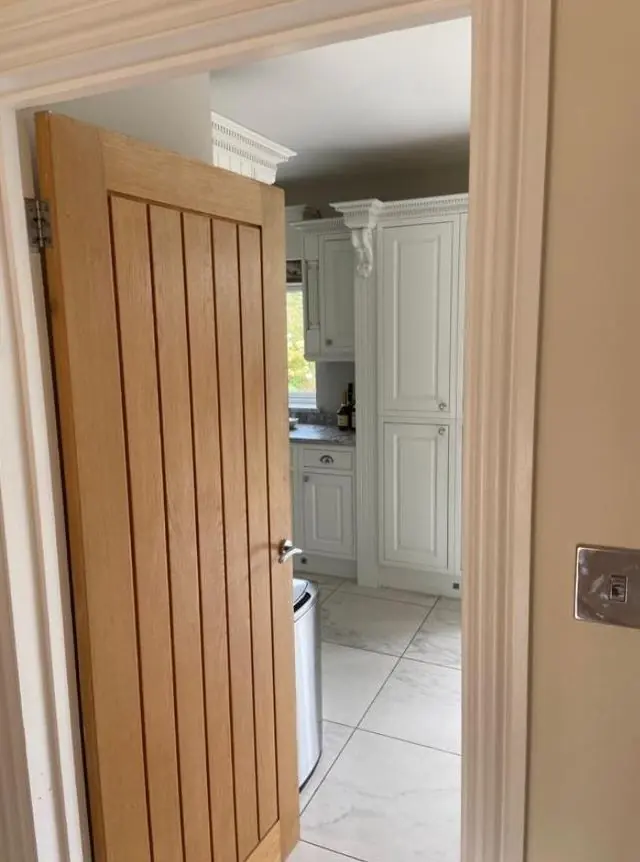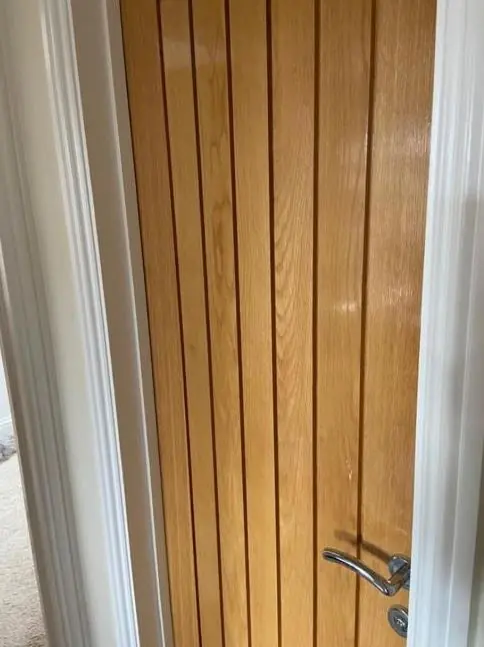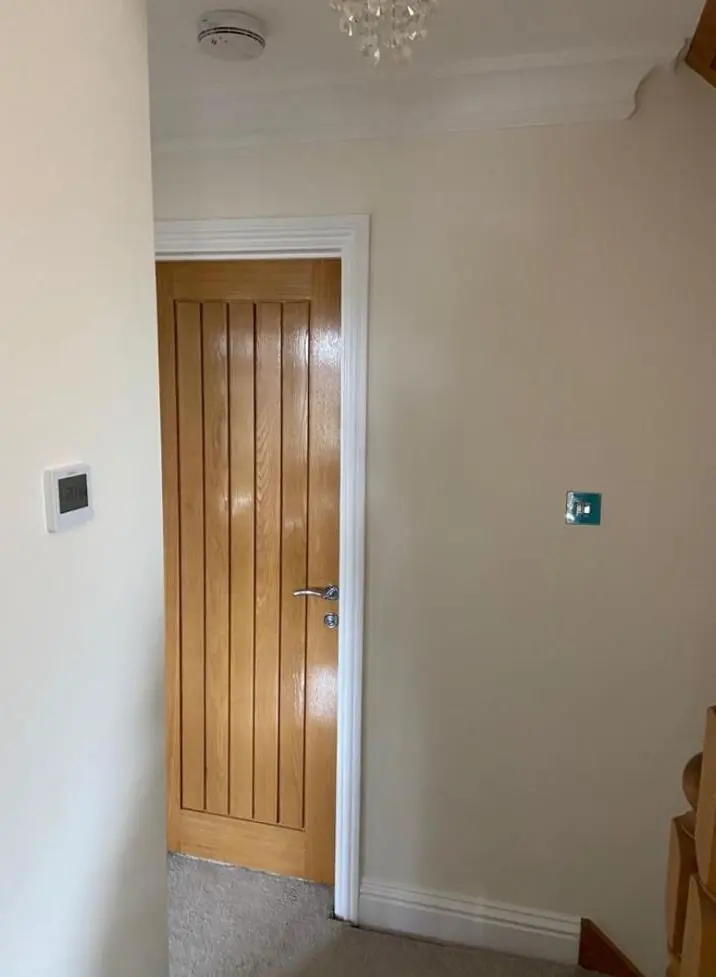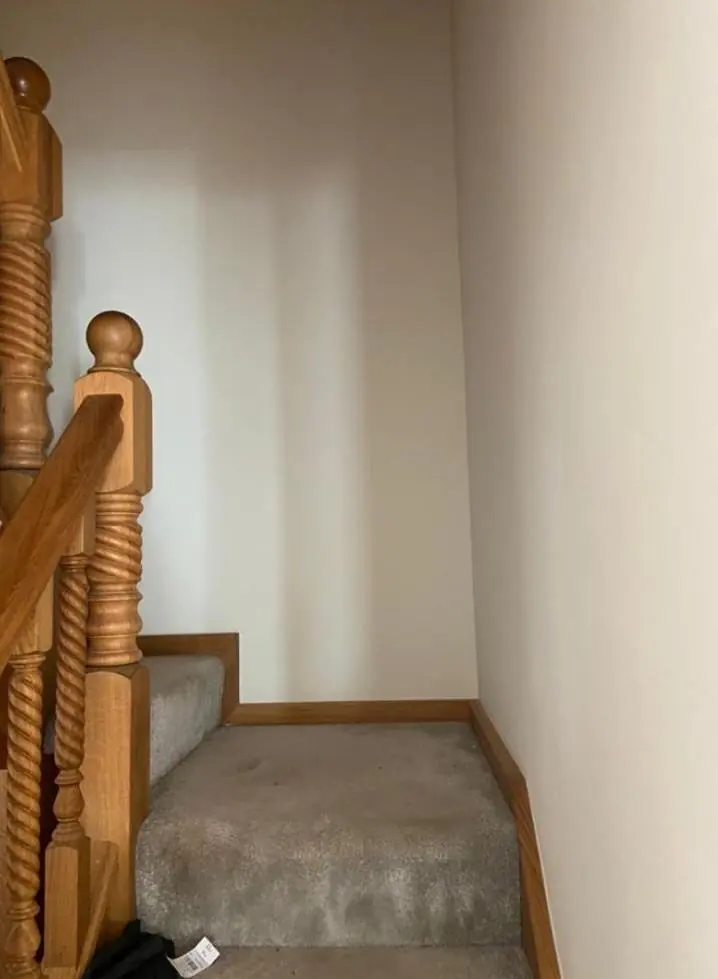
Dean paints internal and external doors, skirtings, architraves, casements and sashes across Wootton, about 2.4 miles south of Northampton town centre in NN4. The parish has two very different sets of woodwork: centuries-old joinery in the stone village around St George's church, and machined softwood on the estates built since the 1980s.
Two kinds of joinery in one parish
Wootton is an old ironstone and limestone village that has had large modern estates built around it since the 1980s and 1990s. For woodwork painting that split matters more than almost anything else. Inside the conservation area, around High Street, Green Lane, Church Hill and Sunnyside, many houses date from the late 17th or early 18th century and still have timber casements, small-pane sashes and older doors. A few streets away on Wootton Fields or Simpson Manor, the doors and skirtings are factory-made softwood with a few decades of household paint on them.
| Where in Wootton | Typical woodwork | What the job turns on |
|---|---|---|
| Village core (High Street, Green Lane, Church Hill, Berry Lane) | Timber casements, small-pane sashes, historic doors and surrounds, leaded lights | Hand preparation, keeping original profiles, paints that let timber move and breathe |
| Later infill (Church View, Farmclose Road) | Modern doors and frames, often next to uPVC windows | Straightforward repaint, colour chosen to sit with the stone around it |
| Wootton Fields and Simpson Manor | Softwood skirtings, architraves, panel doors, staircase spindles | Scuffs, chips, yellowed gloss and quick room turnaround |
The step-by-step method for degreasing, keying, filling and knotting is set out on our main door, skirting and woodwork painting page. This page is about what is different in Wootton.
Casements, sashes and old doors in the stone village
The 2010 conservation area appraisal values the timber windows and doors that survive in the old village, and it is critical of the uPVC that has replaced many of them. If you still have original joinery, painting it well is the cheapest way of keeping it. That means scraping back loose paint by hand, cutting out soft filler, consolidating small areas of decay and priming bare timber before it gets wet. On old casements we prefer microporous or linseed-type paints, which flex with the wood and let moisture out, over a hard modern gloss that cracks and lets water in behind it.
Doors in the village need the same care. The listing for 4 Berry Lane singles out its door surround, and the old smithy at 16 High Street keeps a historic door. Mouldings on doors and surrounds of that age are worth protecting, so we clean them out with hooks and fine abrasives rather than burying them under another coat. On older joinery we test the lower paint layers for lead before any sanding, and work wet if it is present.
Listed cottages: inside counts as well
Wootton has 25 listed buildings, and listing covers a building’s interior as well as its outside. Stripping an old panelled door, changing the finish on historic joinery or adding a new colour scheme to a listed cottage can need listed building consent from West Northamptonshire Council. If your house is listed, ask the council first. We are happy to write a specification of the materials and method so you have something concrete to send them.
Estate doors and skirtings that take daily knocks
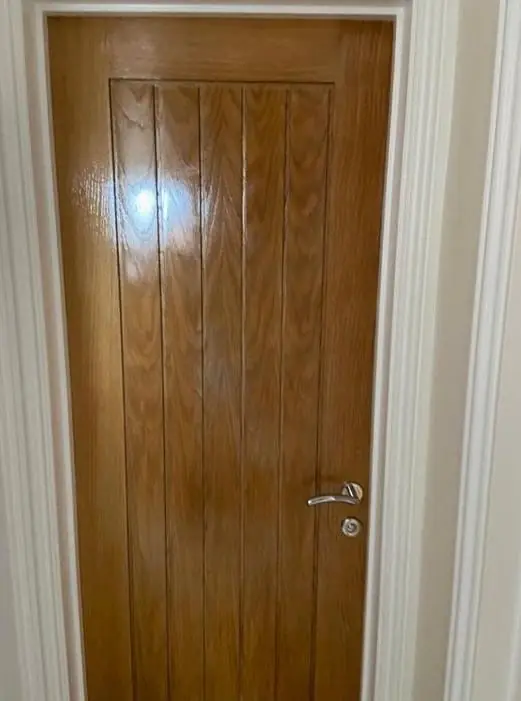
On Wootton Fields and Simpson Manor the work is more routine but still worth doing properly. Hall skirtings get scuffed by pushchairs and boots, door edges carry grease around the handles, and gloss applied when the house was new has often turned yellow. We wash and key everything, fill dents and open joints, caulk the gap between skirting and wall, and finish in a water-based satin or eggshell that stays white. Three-storey townhouses have a lot of doors and long runs of skirting on each landing, so we plan the order of rooms so you are never short of a usable bedroom.
Woodwork is often done as part of a wider job. Our Wootton area page covers the other decorating work we take on in the village and on the estates.
Last updated by Dean, DH Painter & Decorator.