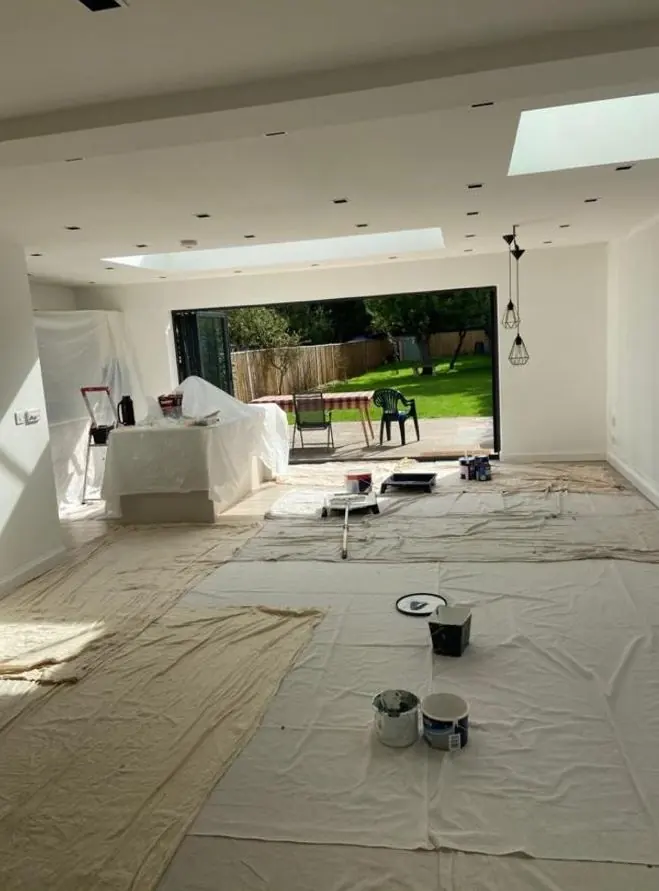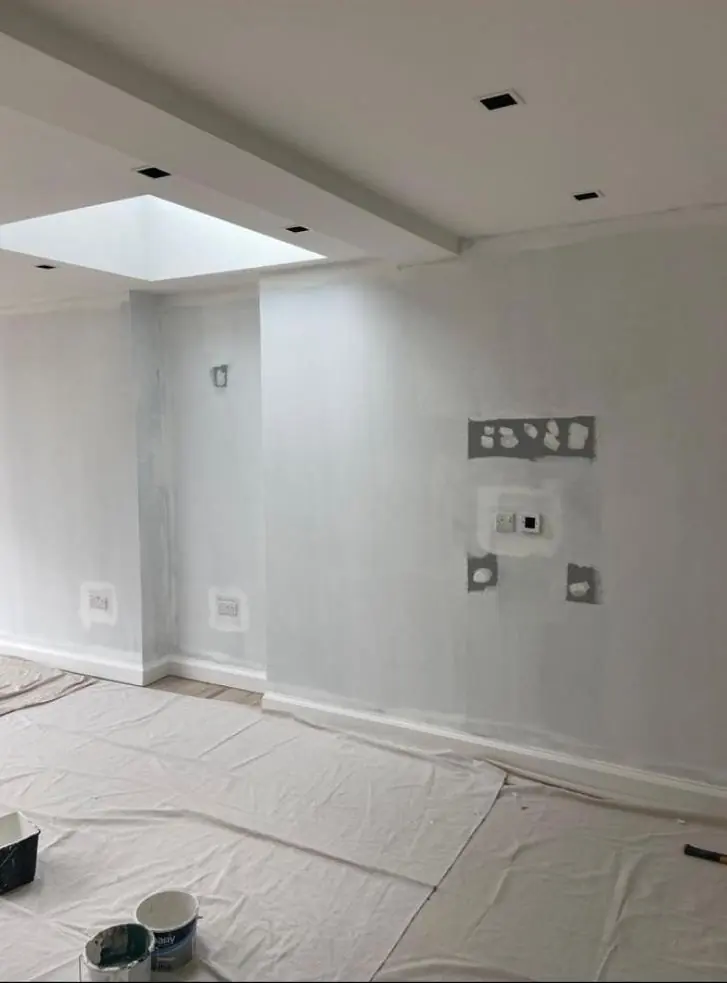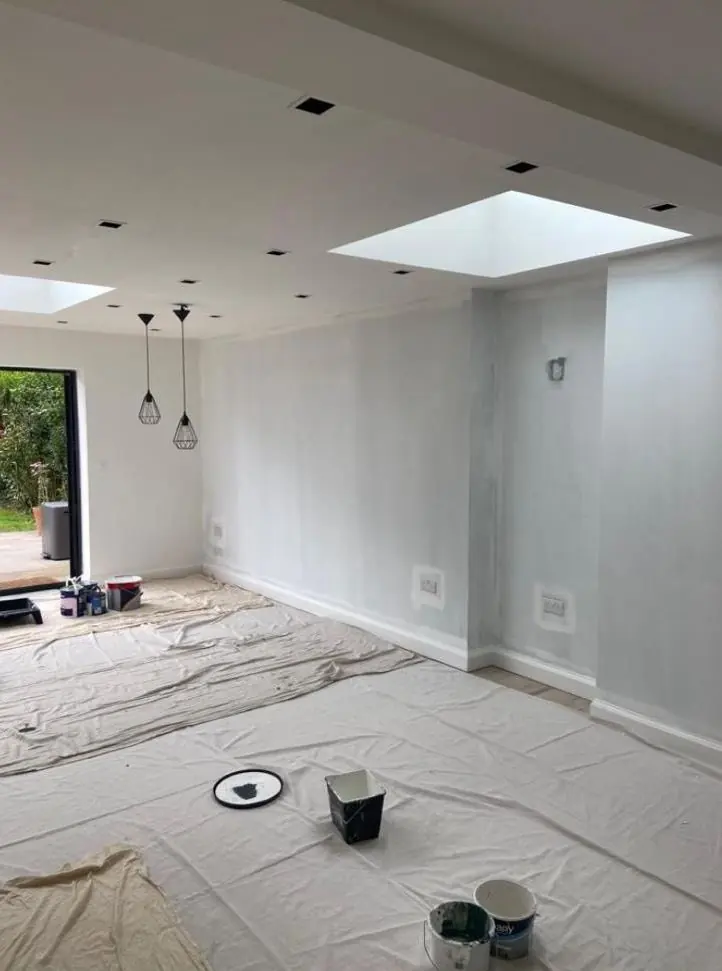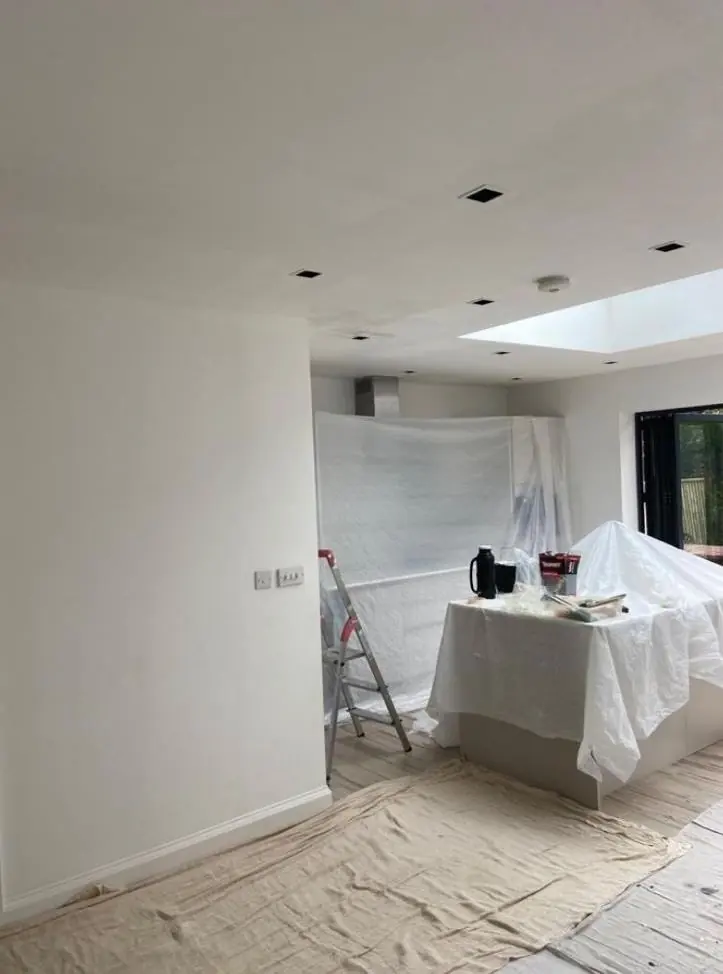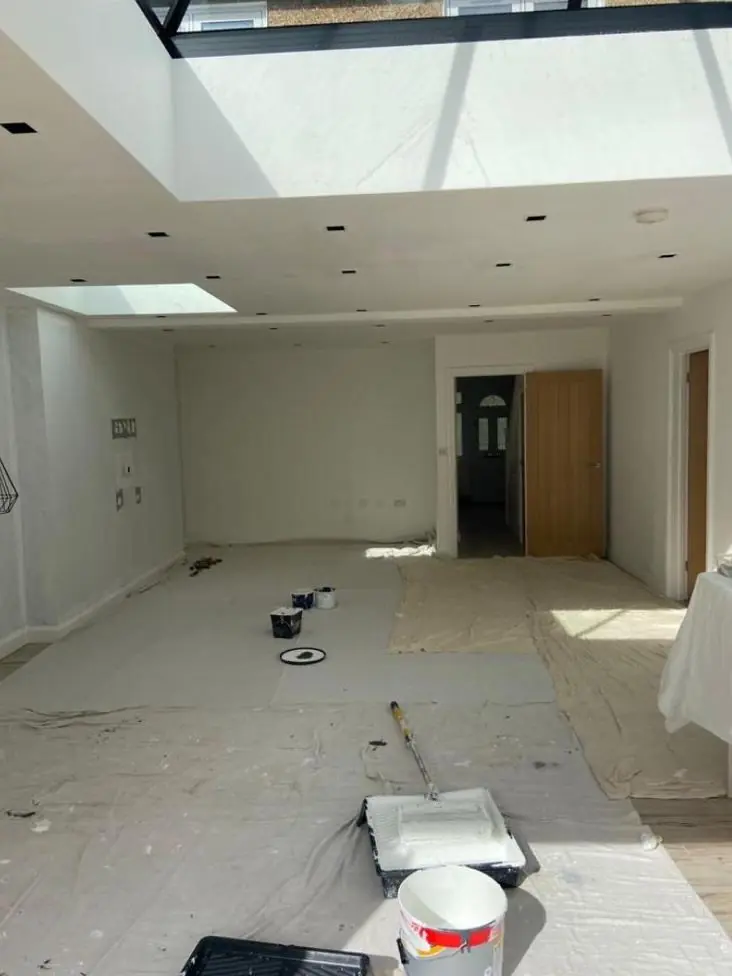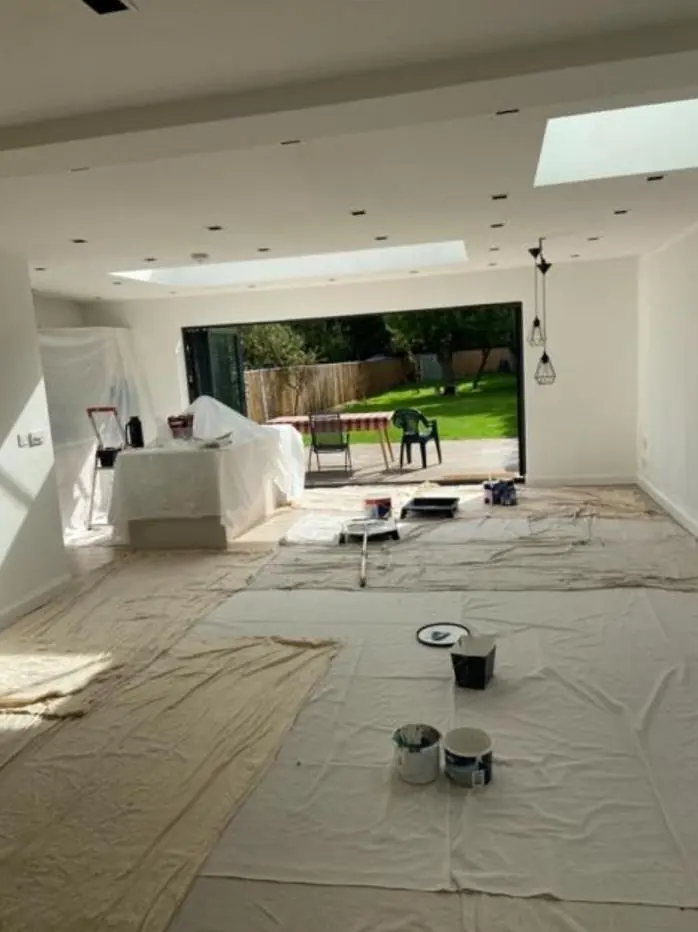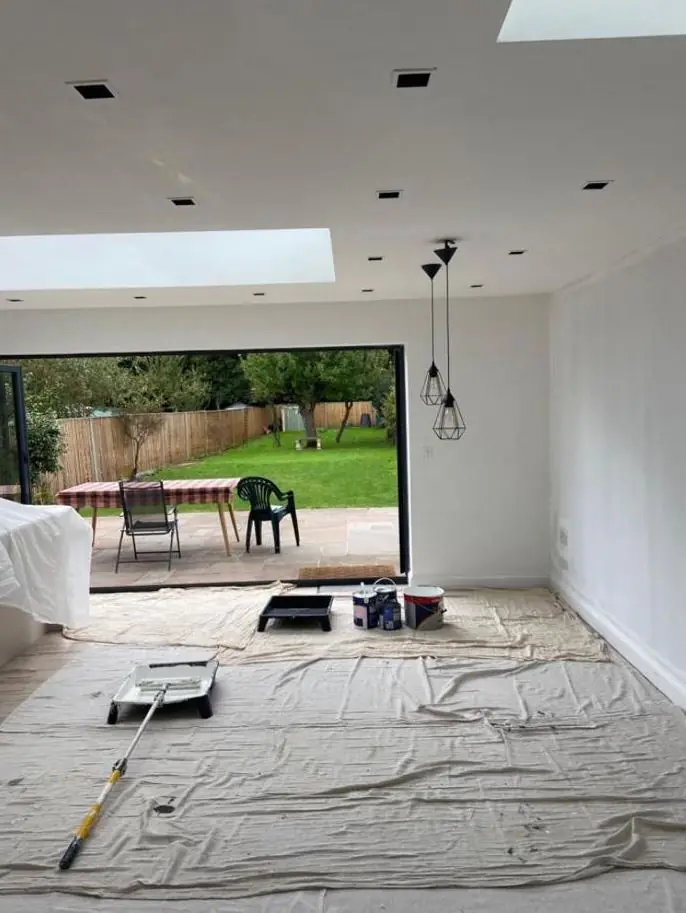
We decorate rented homes in Yardley Hastings for landlords, letting agents and property owners, 7.3 miles east of our Northampton base. Dean prices each property on its own and follows the owner's specification, which matters in a village where about a third of buildings belong to one estate.
Lettings in a part-estate village
We have not found published figures on renting in Yardley Hastings, so we will not guess at how many lets there are. What is recorded is that the Compton family’s Castle Ashby estate has owned the village since the 16th century and still owns about a third of its buildings, including many of the terraced estate cottages. How those homes are let is not stated in the sources. In practice, a rental here could be an estate cottage, a privately owned limestone house in the conservation area, or a brick home on the Leys, Highfield Way or Castle Ashby Road.
Working to someone else’s specification
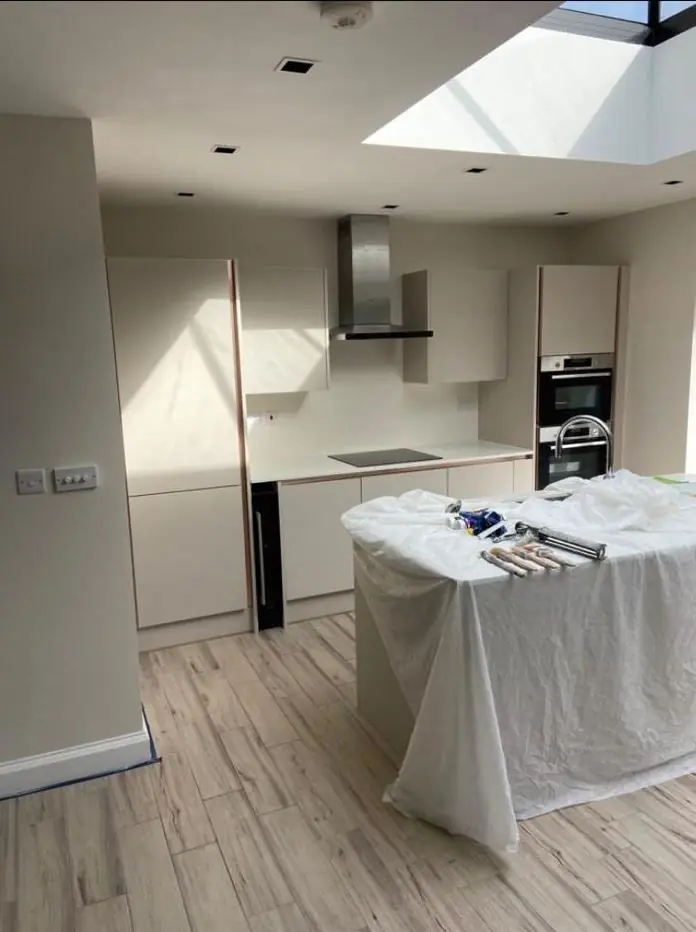
Where a property is owned by an estate or a larger landlord, there is usually a set way of doing things: approved colours for doors and windows, particular paint brands, and rules about what may be changed. We work to that brief and itemise the quote so the owner or agent can see exactly which rooms and surfaces are included. On the outside of cottages in the conservation area, the 2015 appraisal favours painted joinery in traditional colours and calls dark brown stain inappropriate, and estate-owned homes are likely to need the estate’s approval for colours. We follow whichever is stricter.
Listed status adds another layer. Plenty of the village’s protected buildings are modest homes rather than grand houses, so a rented cottage may be on the list without the tenant ever knowing. Where that applies, the owner should confirm with the council whether a new colour or a different paint type on historic fabric is acceptable; matching what is already there is normally straightforward. Letting agents managing a listed cottage on behalf of an absent owner may want to confirm this in writing first, and we are happy to wait for that answer.
Turning round a stone cottage between tenants
The older lets are built from solid limestone with lime plaster inside. Quick-drying vinyl emulsions, the default on many rental turnarounds, are the wrong choice on those walls because they hold moisture in and start to peel. We use breathable paints instead and plan drying time into the void period. Houses close to the Grendon brook or shaded by the mature High Street trees can show damp and mould on cold walls, so we wash off and kill mould first and seal water stains before the topcoat. If damp looks structural, we report it to you rather than painting over it.
- Breathable emulsion on lime plaster, scrubbable finishes on modern plasterwork
- Mould treatment and stain blocking before any repaint
- Woodwork in a durable satin or gloss that can be wiped down at check-out
Keys, parking and timing
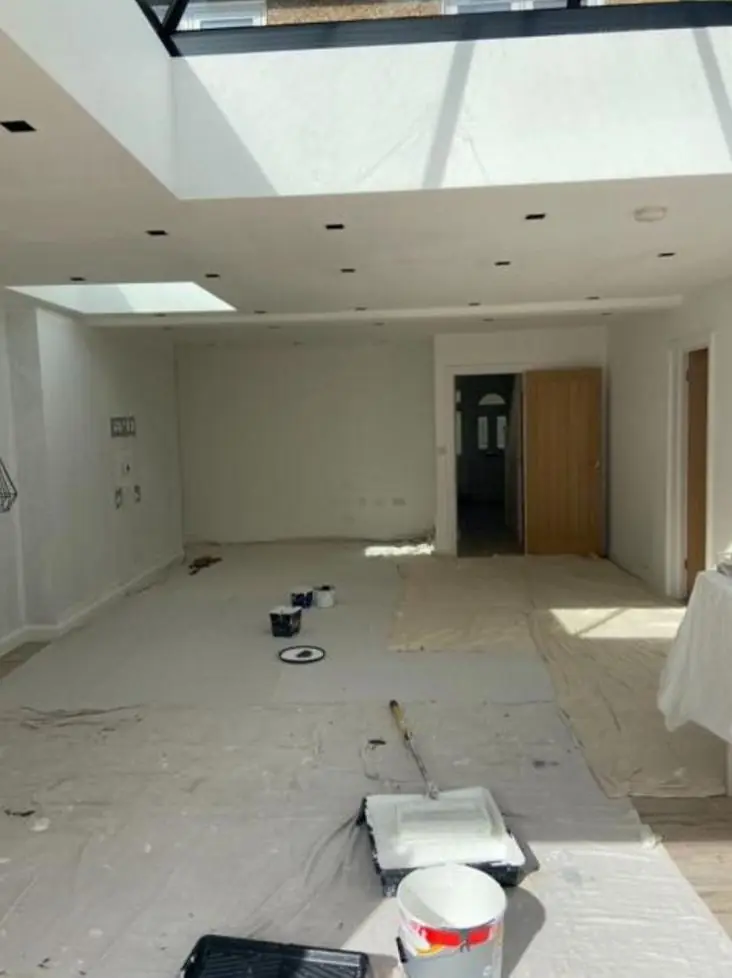
Many older homes sit on the road edge with no off-street parking, especially on Little Street and around the Square. We agree where the van can go and arrange to collect keys from you or your agent. Once inside, we work through rooms in an order that lets an inventory clerk or cleaner follow on behind. Tell us the date of the next check-in and we will say honestly whether the work fits before it.
Brick-built lets on the newer streets
The 1935 Leys houses, the Highfield Way homes and the bungalows on Castle Ashby Road have conventional plaster and easier access, so a standard end-of-tenancy repaint applies: neutral colours, washable walls and tough woodwork. For how we handle rental work in general, see the main landlord and letting agent decorating page. The Yardley Hastings area page covers our other services in the village, and the cost guide helps with budgeting.
Last updated by Dean, DH Painter & Decorator.