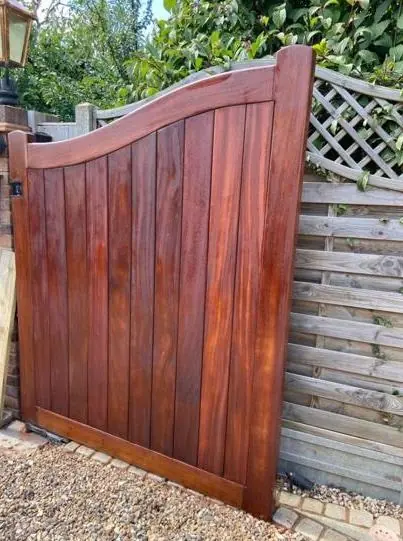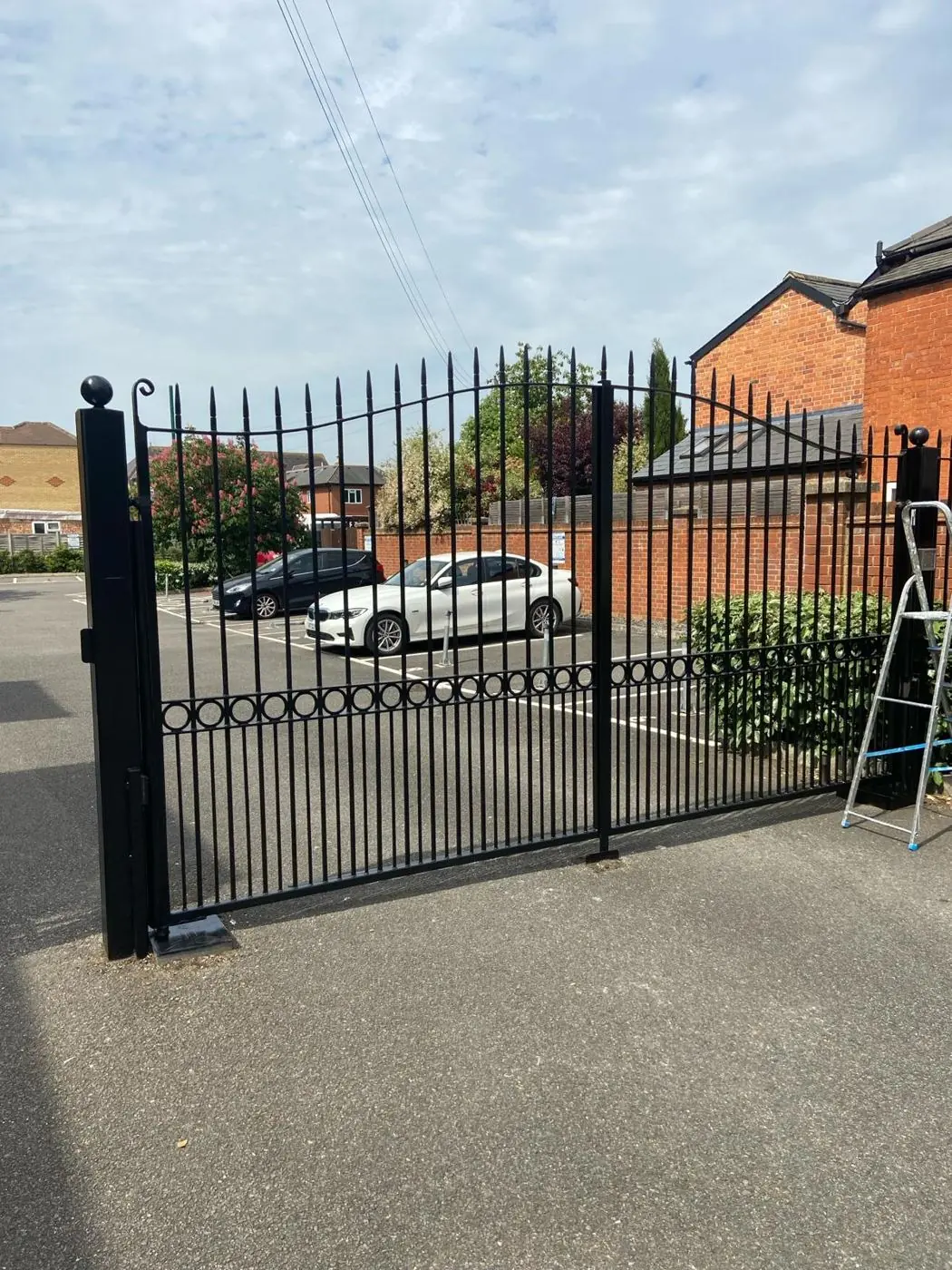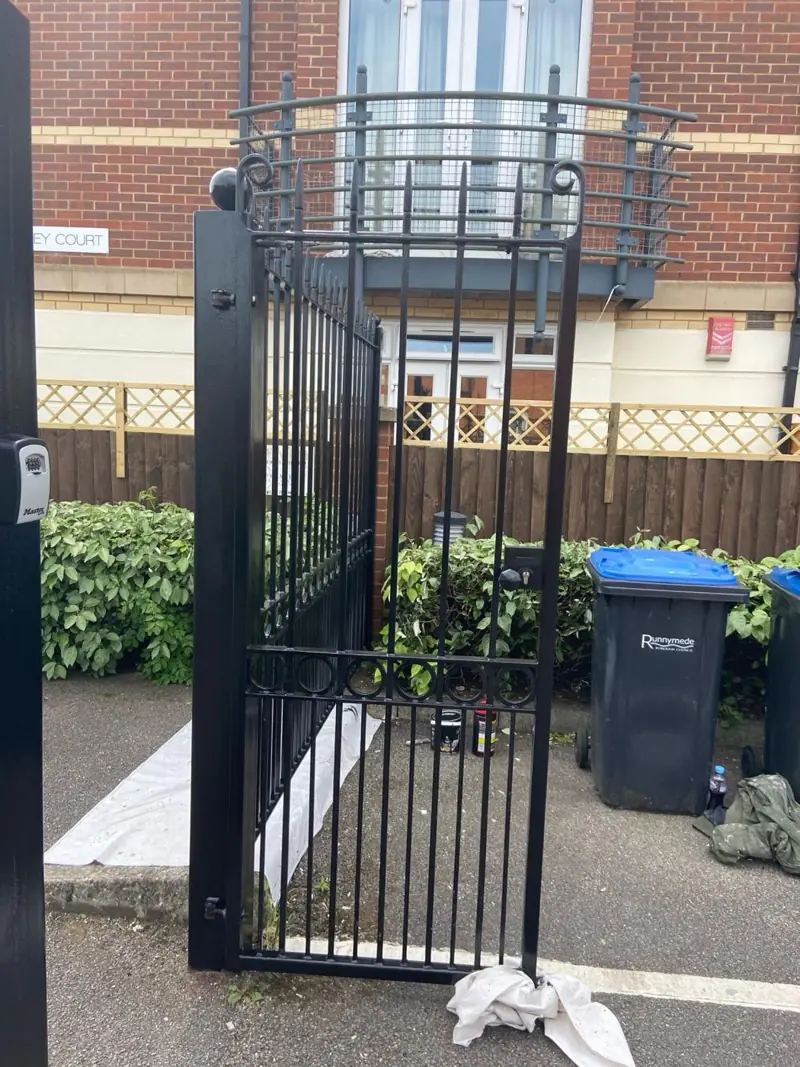
We stain and paint timber fences, gates and garden timber in Yardley Hastings, the village about 7.3 miles east of Northampton off the A428. Most of the work is in gardens behind the old terraces and around The Leys, Highfield Way and the Castle Ashby Road bungalows.
Where the timber is
From the street, Yardley Hastings is a village of limestone: rubble boundary walls along High Street, high stone walls around the Old Rectory, cottages built straight onto the road. The wooden fences and gates are mostly out of sight, in gardens behind the terraces, alongside outbuildings and former privies, and around the newer houses on The Leys, Highfield Way and Castle Ashby Road.
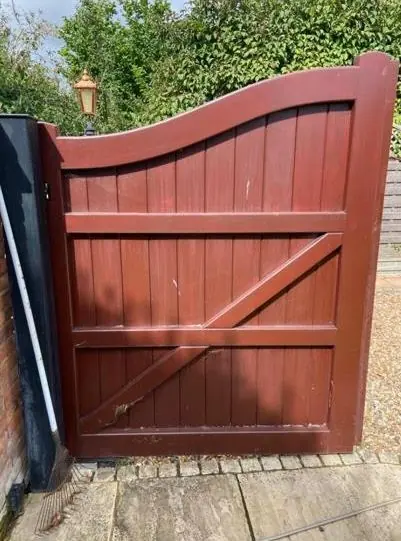
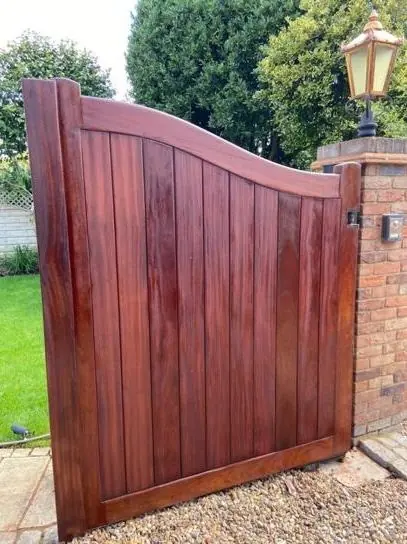
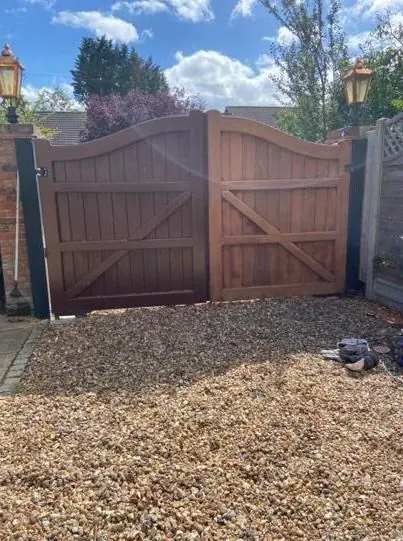
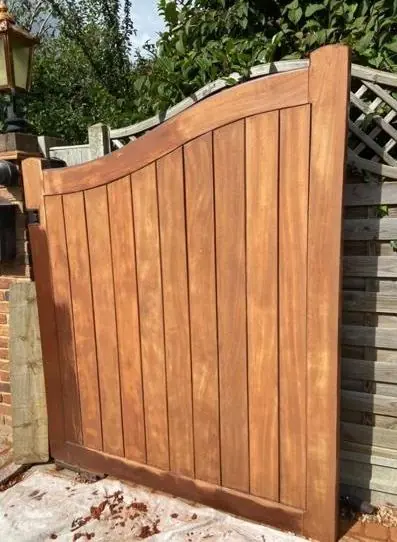
That makes this a back-garden service more often than a frontage one. Timber gates hung in a stone wall are the exception, and they need a little more thought because the finish sits right against limestone that should not be marked.
Shade, sap and a brook down the middle
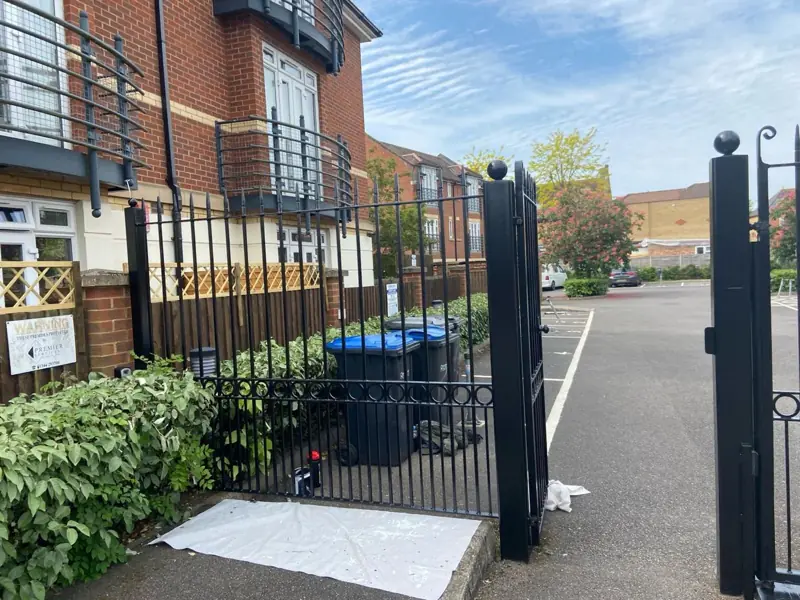
The Grendon brook runs the length of High Street and mature trees line it, and Yardley Chase woodland covers about a third of the parish. Fences in the shade of those trees stay damp for longer, collect leaf litter at the base and turn green on the shaded face. Sap from overhead branches can leave sticky spots that a stain will not cover cleanly.
Our preparation for those boundaries is heavier than for an open garden:
- clear leaves and soil from the bottom rail and gravel boards
- apply a biocide to green and black growth and give it time to work
- scrub off the residue and sap marks, then let the timber dry right through
- only then stain or paint, working into the end grain and joints
We book shaded fences for the drier part of the year. A fence that never fully dries before it is coated will grow back through the new finish quickly. One point on trees: we prepare around branches, we do not cut them back. Tree work in the conservation area has to be notified to the council six weeks ahead, so if a branch needs lifting off a fence, that is a separate job for the owner to arrange.
Picking a finish that suits the village
The 2015 conservation area appraisal is critical of dark brown stain on the windows and doors of traditional properties. It does not set rules for garden fences, but the same eye is worth applying to anything visible from the street near a limestone cottage. A mid or natural tone, a muted green or grey, or a painted finish tends to sit better against pale stone and red tile than a heavy dark stain.
For timber in the shade we lean towards microporous stains and paints, which let damp out of the wood rather than sealing it in. Hardwood gates usually get an oil rather than a film-forming stain. The product choices and re-coat intervals are covered on our main fence and gate staining page.
Carrying the job through to the back
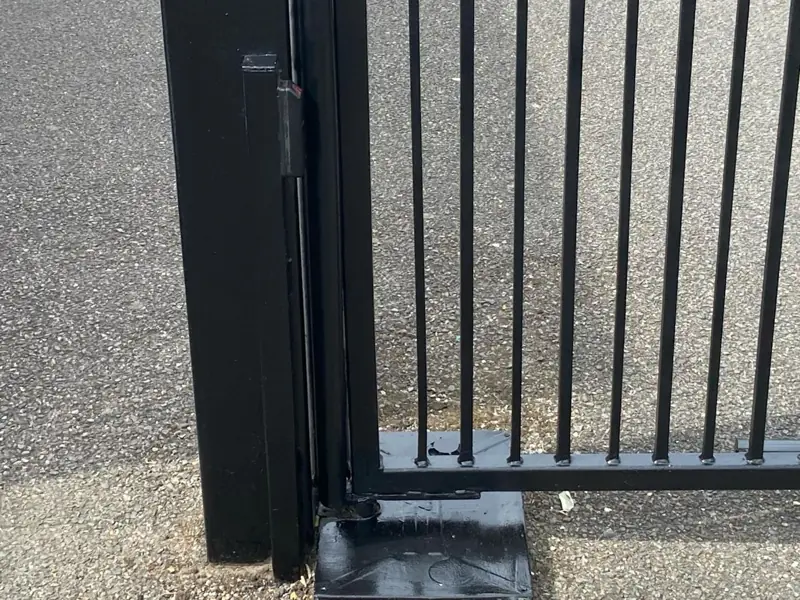
Where a terraced cottage has no easy route to the rear garden, or sits on a different level from its neighbours as some on Castle Ashby Road do, we plan how drop sheets, brushes, steps and tins come through the house or along a shared path, and we protect floors and thresholds on the way. Using a brush and pad rather than a sprayer also keeps overspray off neighbours’ walls and cars in close-packed gardens.
For timings and costs, the cost guide explains what affects a quote. Other services for the village start from the Yardley Hastings hub.
Last updated by Dean, DH Painter & Decorator.