Dean gives colour and finish advice as part of painting jobs in Yardley Hastings, about 7.3 miles east of Northampton. Outside, that means traditional colours that suit the limestone and the conservation area appraisal; on brick houses and newer homes, it means working with very different backgrounds.
The palette the village already has
Stand on High Street in Yardley Hastings and most of the colours are set for you: pale coursed limestone walls, red clay plain tiles and Castle Ashby pantiles with their double triangular ridge, grass verges along the Grendon brook and the green of mature trees. The 2015 conservation area appraisal notes that most timber casements are painted white and favours traditional painted doors. Good outside colours here sit within that range rather than compete with it.
For windows, that usually means white or a soft off-white against the pale stone. For front doors, deeper traditional colours such as dark greens, blues, reds or near-black tend to look right on a 17th-century cottage, while bright modern shades rarely do. The period iron fencing at 22-28 Castle Ashby Road, and gates set into limestone boundary walls, suit sympathetic dark colours as well.
Why dark brown stain is on the way out
Where cottage joinery has been given a dark brown woodstain, the appraisal is direct about it: dark brown stained windows and doors are inappropriate on traditional properties, which should be painted in traditional colours. Moving from stain to paint is one of the most useful colour decisions an owner here can make. It is also a preparation job, because paint will not hold on a waxy stain unless it is abraded or partly stripped and primed. With a couple of thatched roofs surviving and the 1813 fire in the village’s past, stripping near eaves is done chemically or with steam, never with a flame.
Who needs to agree the colour
- Estate-owned houses: about a third of the buildings belong to the Compton family’s Castle Ashby estate. If yours is one, the estate is likely to want a say on exterior colours, so ask before choosing.
- Listed buildings: with 23 listed entries, from the Grade I Court Parlour to Grade II cottages on Little Street and High Street, a new colour or coating on listed fabric needs checking for listed building consent.
- Unlisted homes in the conservation area: no Article 4 directions were in place when the appraisal was adopted, but it recommends considering them to control painting. Repainting in the existing colour is the safe default.
Brick fronts and newer homes
The brick-built houses are a different case. The 1905 pair at 20-22 Little Street and The Old School House are Castle Ashby red brick, the 1935 houses on The Leys are light brick, and Highfield Way is dark brown brick. Joinery colours read differently against each. White casements that settle quietly against pale limestone stand out sharply against dark brick, which suits some houses and not others. The Old School House’s decorative bargeboards and ornate wooden porch are a case where a carefully judged contrast makes the detail legible without turning it into a feature.
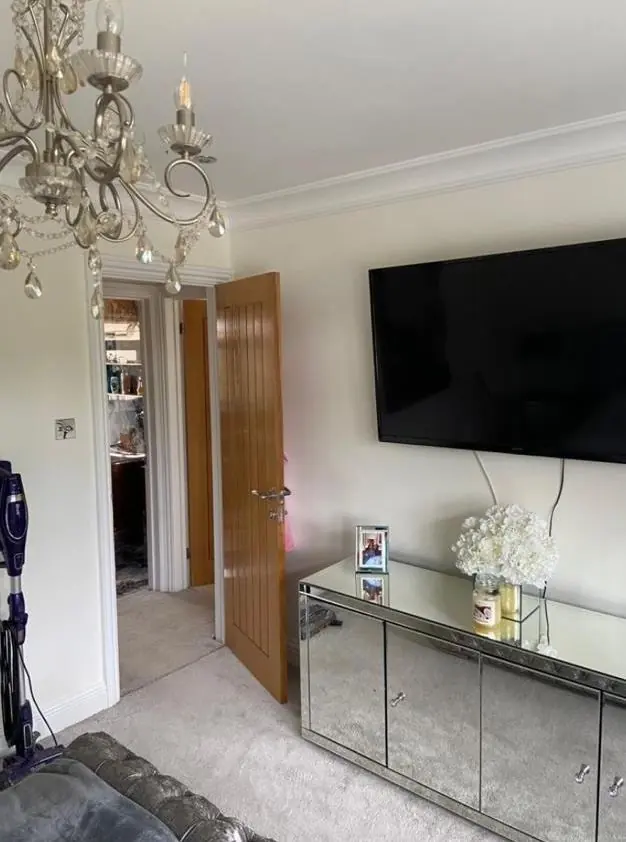
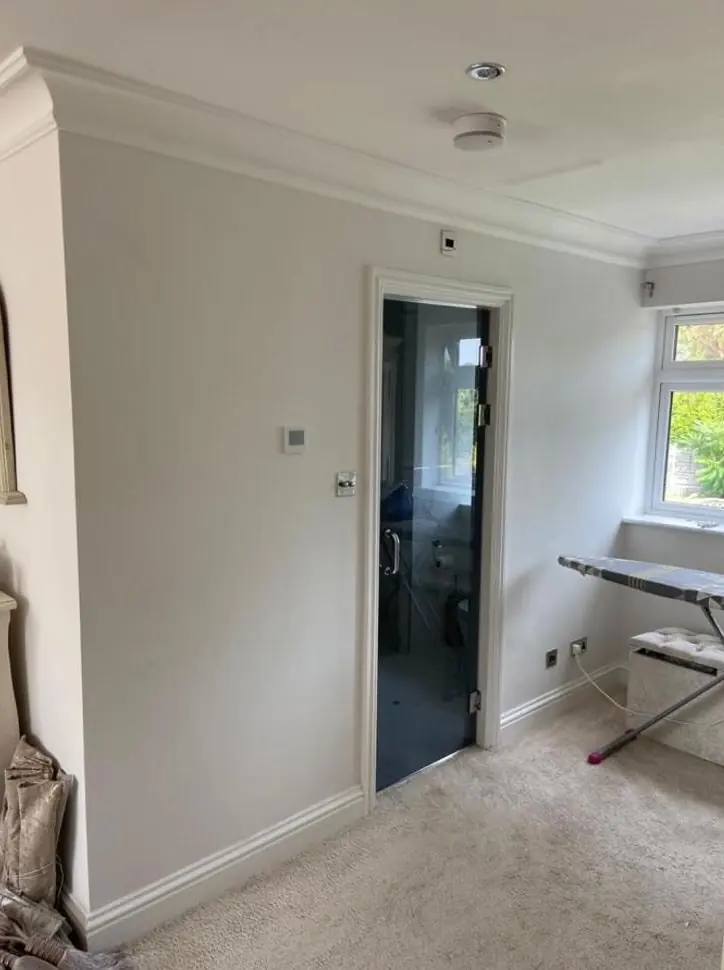
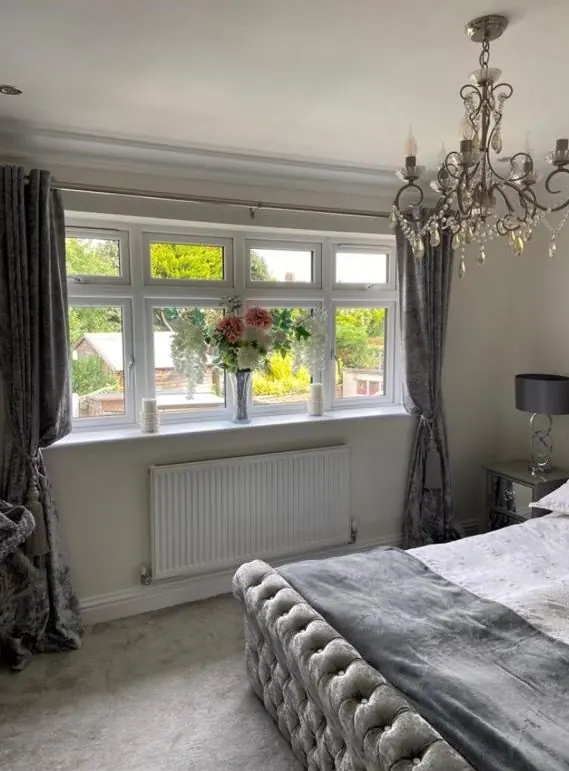
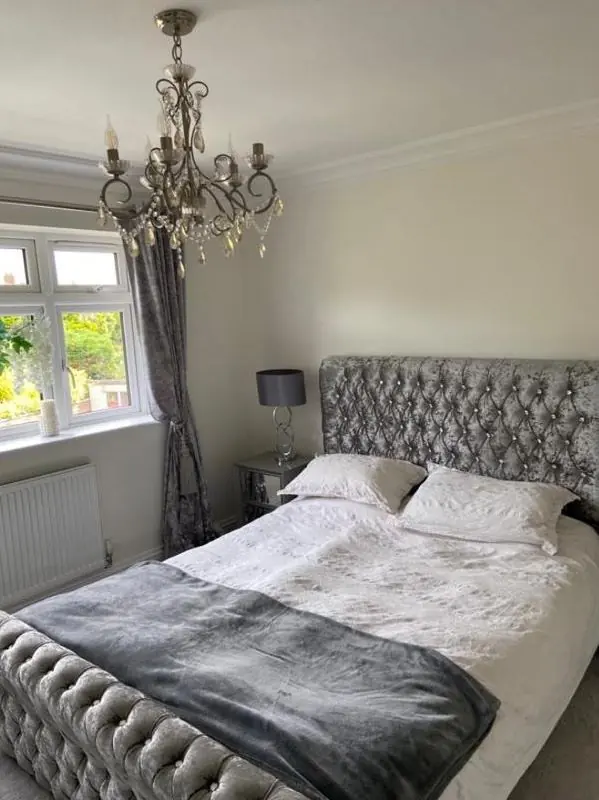
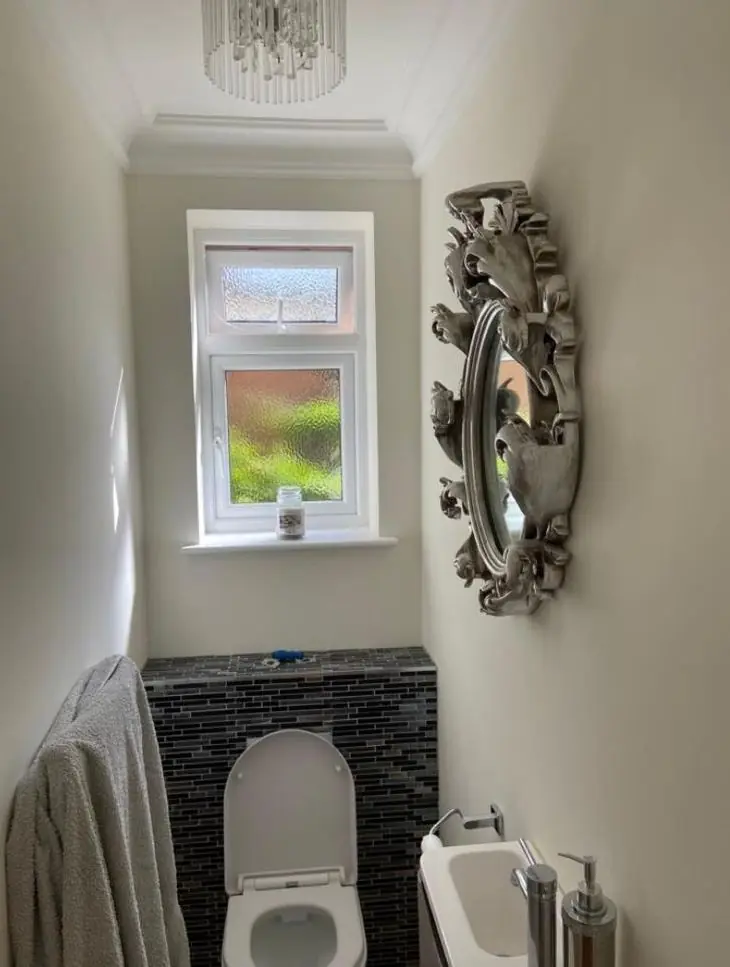
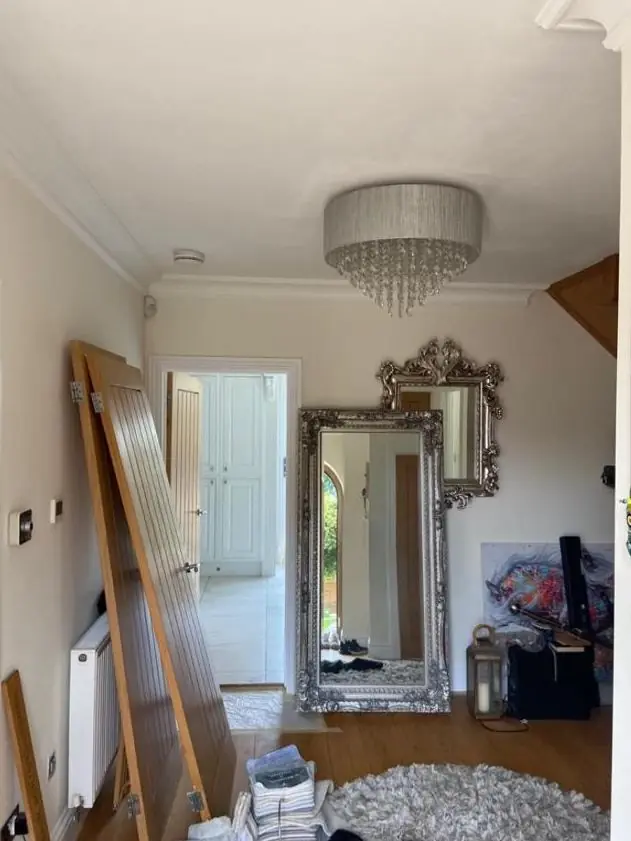
Indoors, the newer homes are squarer and brighter than a cottage room lit by one small casement, so they carry stronger colours and two-tone walls more easily.
How Dean gives colour advice
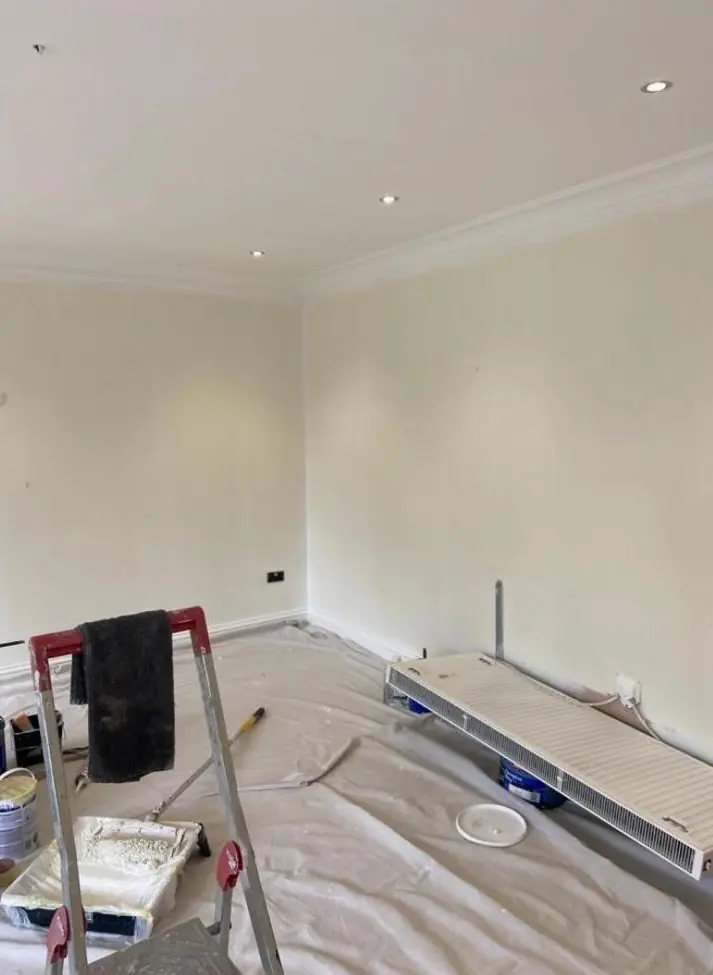
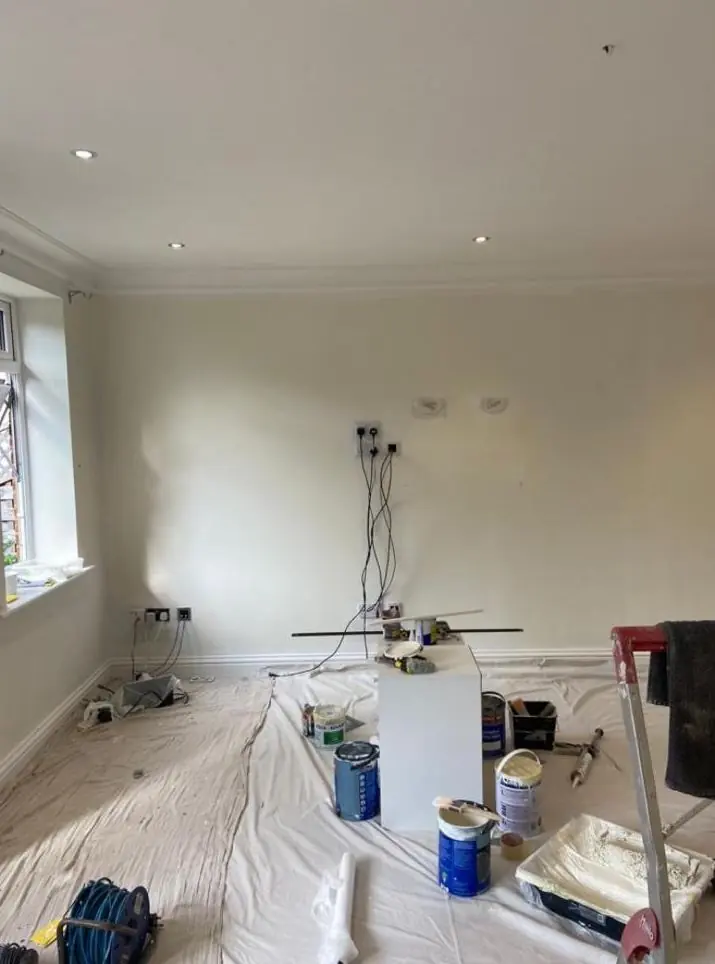
Colour advice comes as part of a painting job rather than as a separate design service. Test patches go on outside in daylight, against your actual stone or brick, and look at them at different times of day. Sheen is part of the conversation too: flat and matt for old lime plaster, harder finishes for doors and railings. More on our approach is on the colour and finish advice page, and the Yardley Hastings area page lists the other work we cover there, about 7.3 miles east of Northampton.
Last updated by Dean, DH Painter & Decorator.