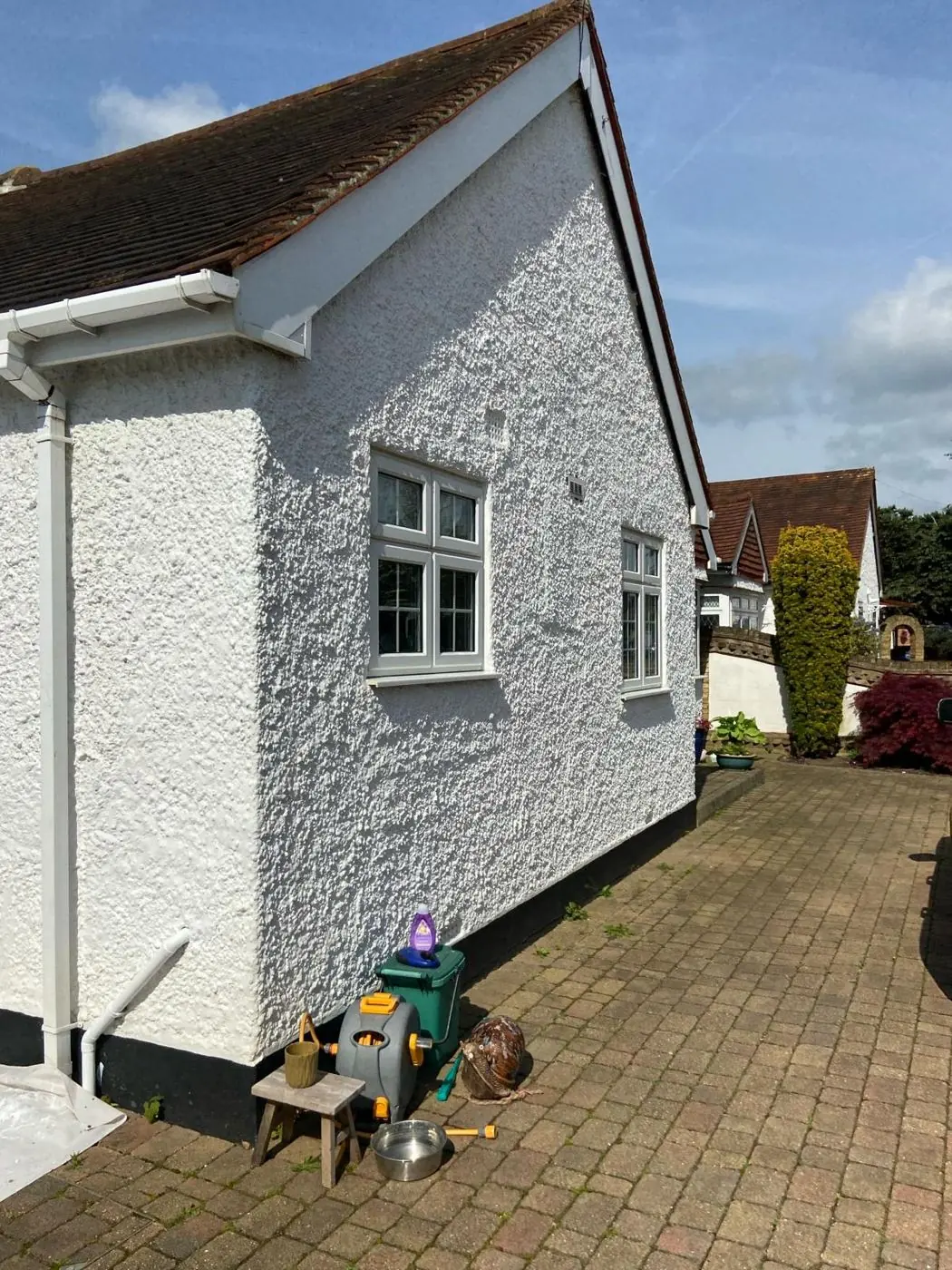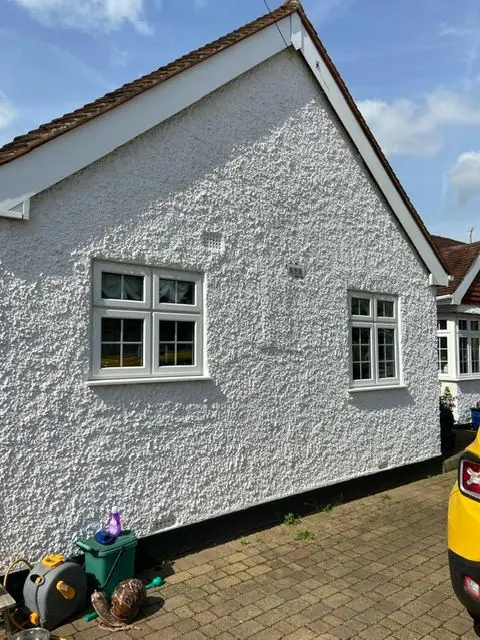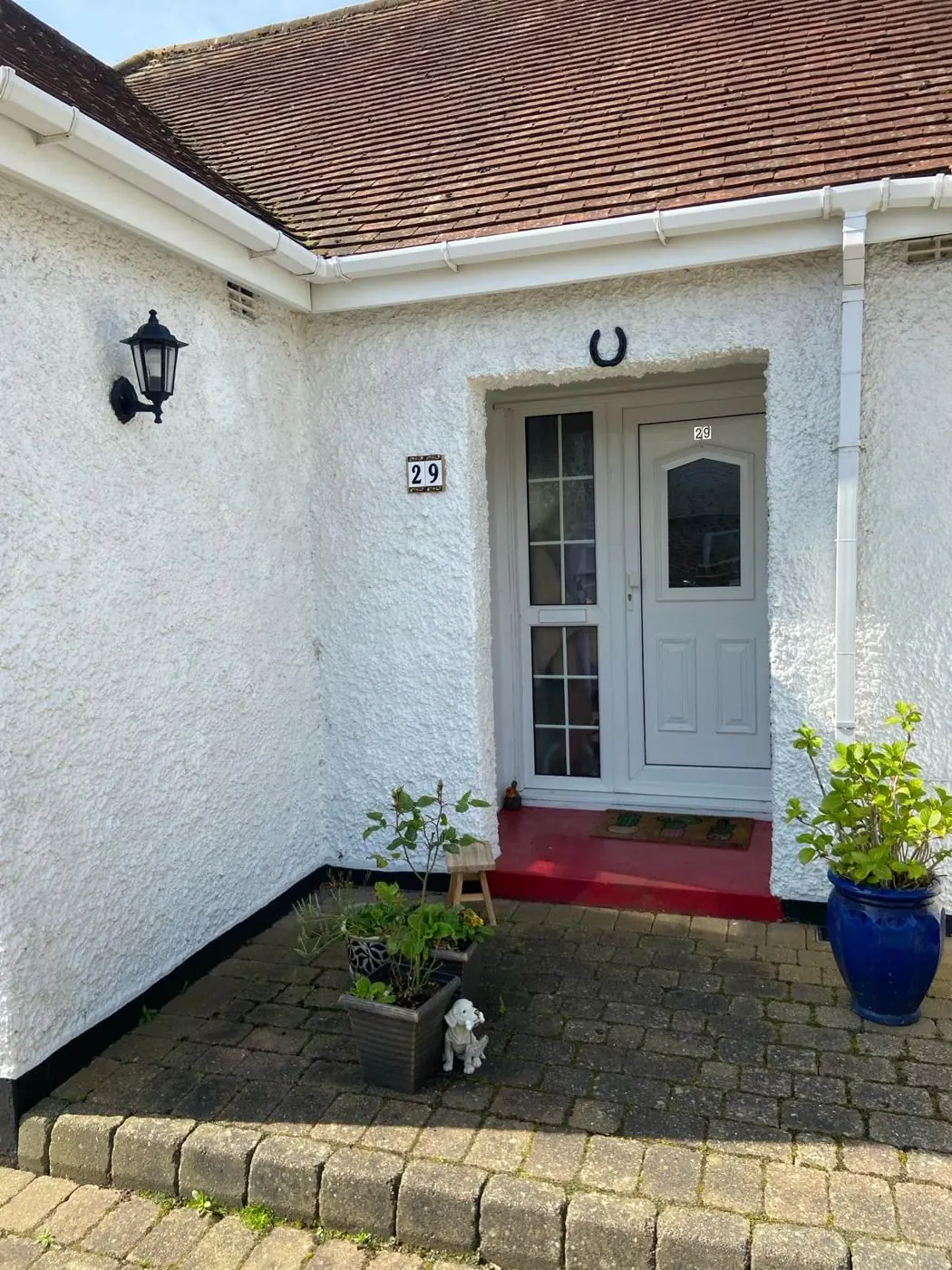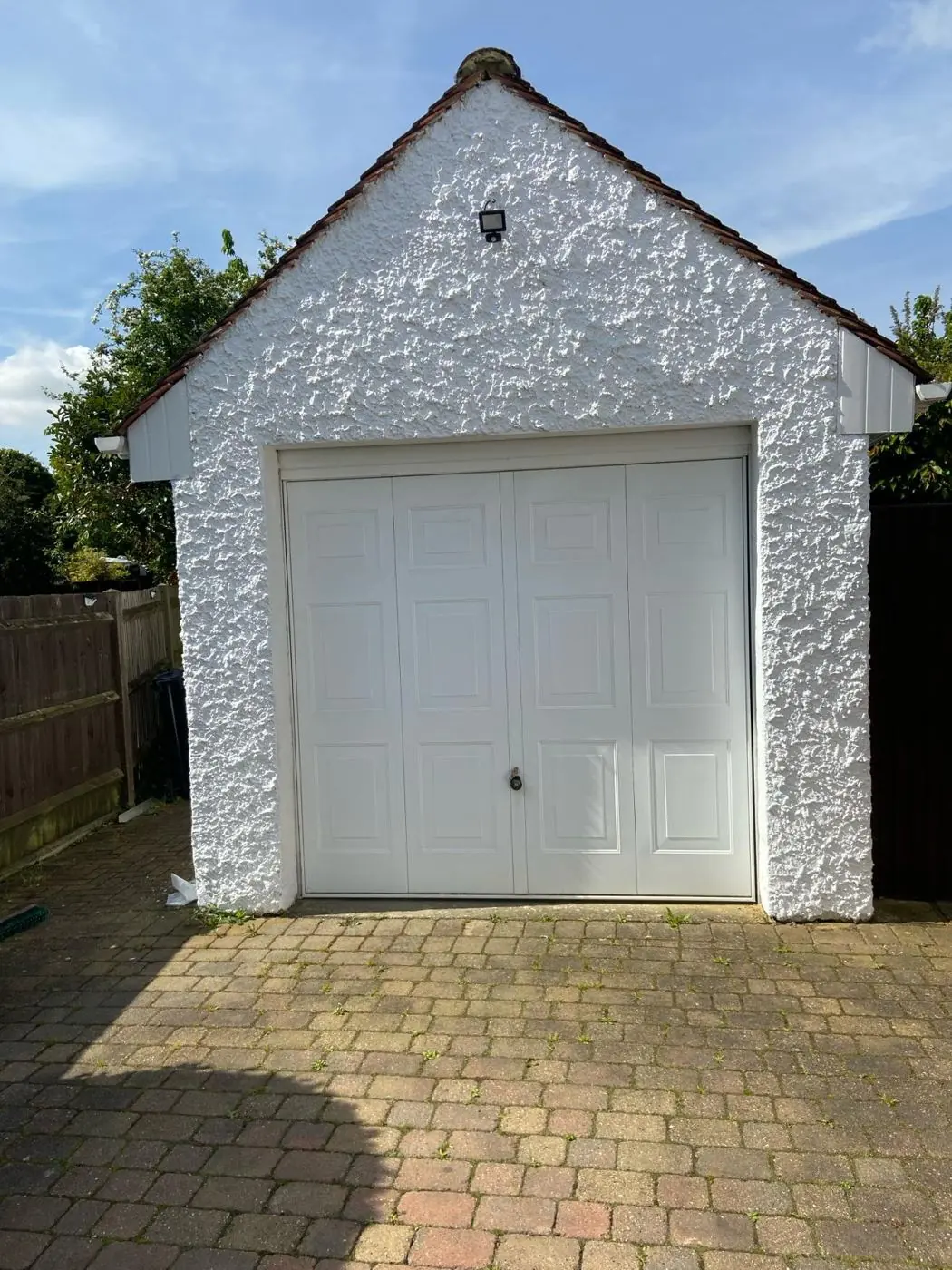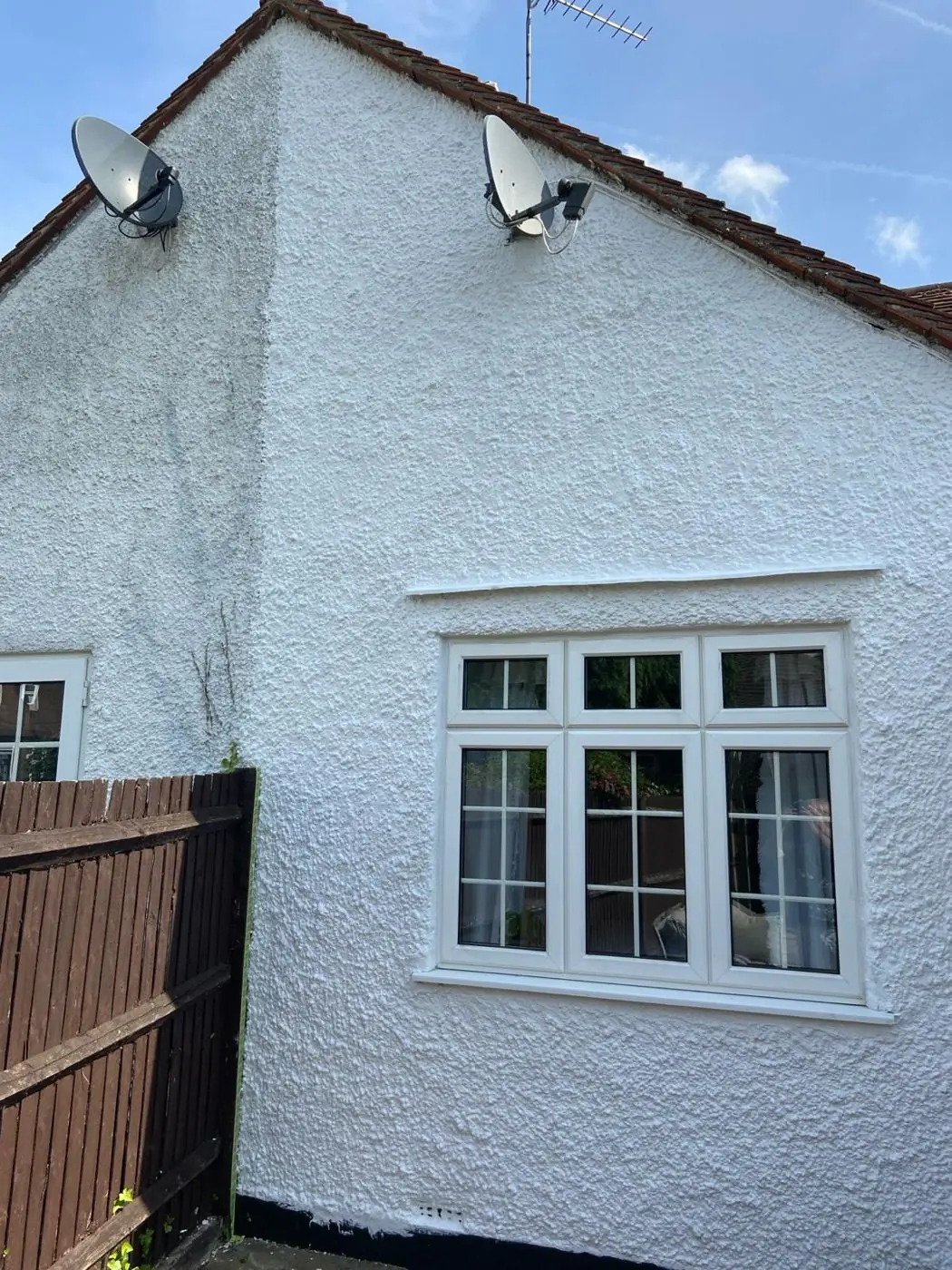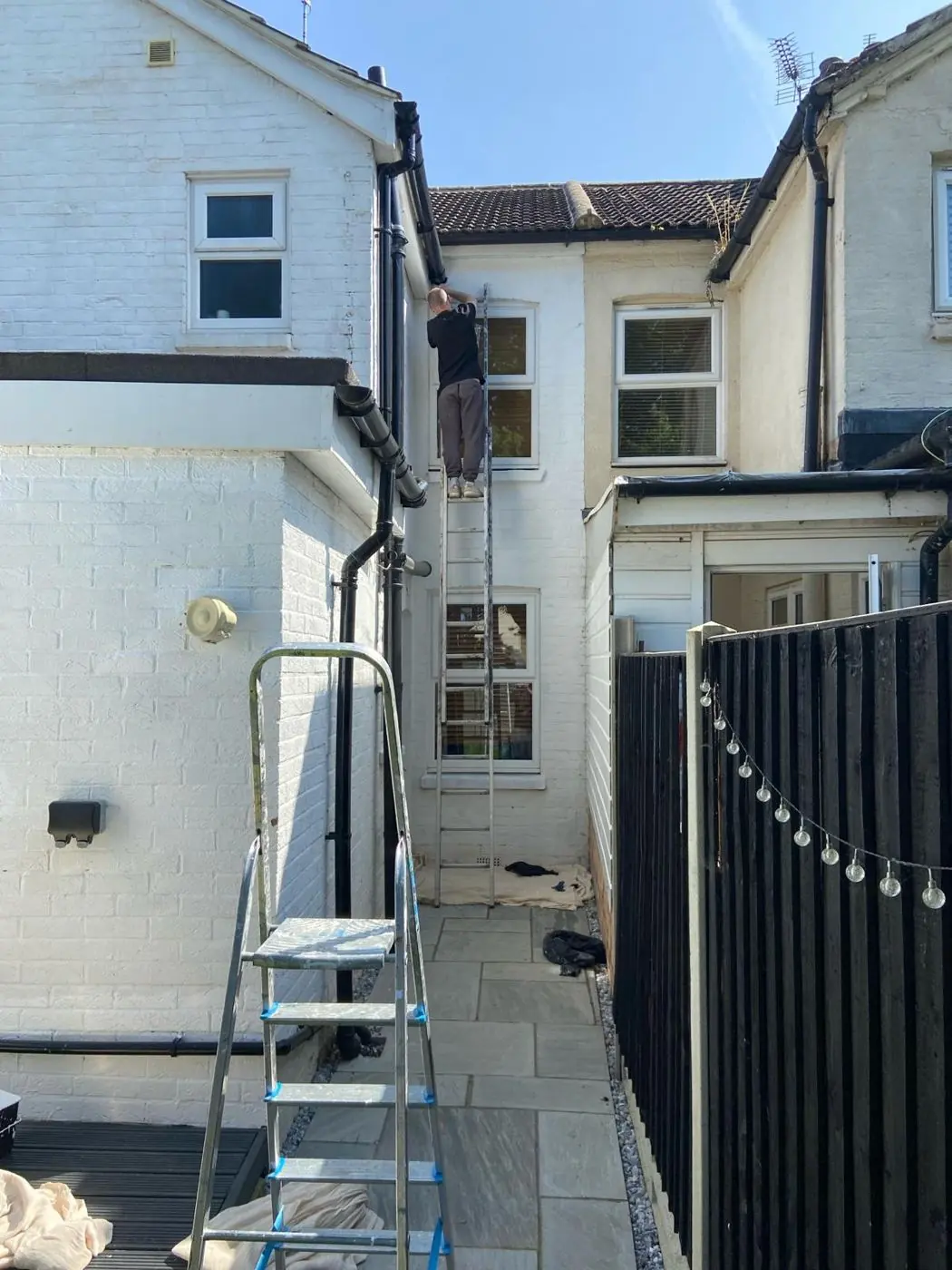
We repaint previously painted stone and rendered walls in Yardley Hastings, about 7.3 miles east of Northampton in NN7. Most of the village's coursed limestone rubble should stay unpainted, so Dean will tell you plainly when a wall is better left alone.
A village built of bare limestone
Yardley Hastings sits on Blisworth Limestone, and the stone dug from it built most of the village: the cottages, farmhouses and estate rows of the old core, plus the rubble boundary walls, some low and some, like those round the Old Rectory, well above head height. Almost all of that stone is unpainted, and it is what gives the conservation area its look.
That shapes this service more than anything else. The 2015 conservation area appraisal lists painting among the small, incremental changes that harm unlisted buildings, and it recommends the council considers Article 4 directions to control it. No Article 4 directions were in place when the appraisal was adopted, but the direction of travel is clear. If you are thinking of painting bare stone to cover patchy pointing or weathering, we will usually advise against it and suggest talking to West Northamptonshire Council first.
Where a masonry coating does belong
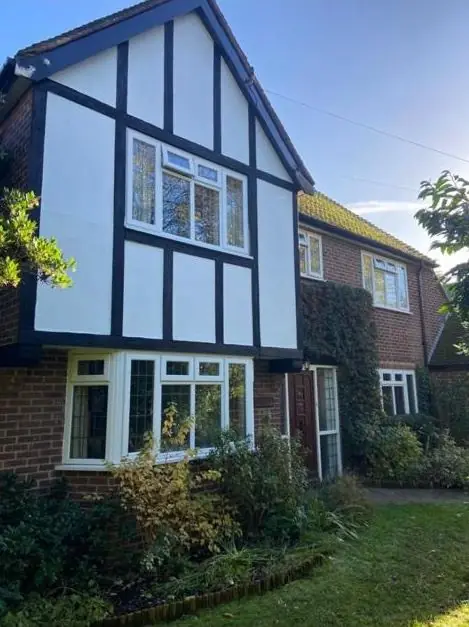
There is still real work here. Some stone walls were painted generations ago, and once paint is on limestone it has to be kept in good order, because flaking film traps water against the stone. Where a later house, infill home or extension has been rendered, that render needs its own system. And brick has its own rules: the Old Rectory’s 1701 red brick front, the 1905 Castle Ashby brick pair at 20 and 22 Little Street and The Old School House are meant to stay as exposed brick.
| Wall you have | What we would normally do |
|---|---|
| Bare coursed limestone rubble | Leave it unpainted and talk to the council before any coating |
| Limestone painted in the past | Remove loose material and repaint with a breathable mineral or limewash-compatible coating |
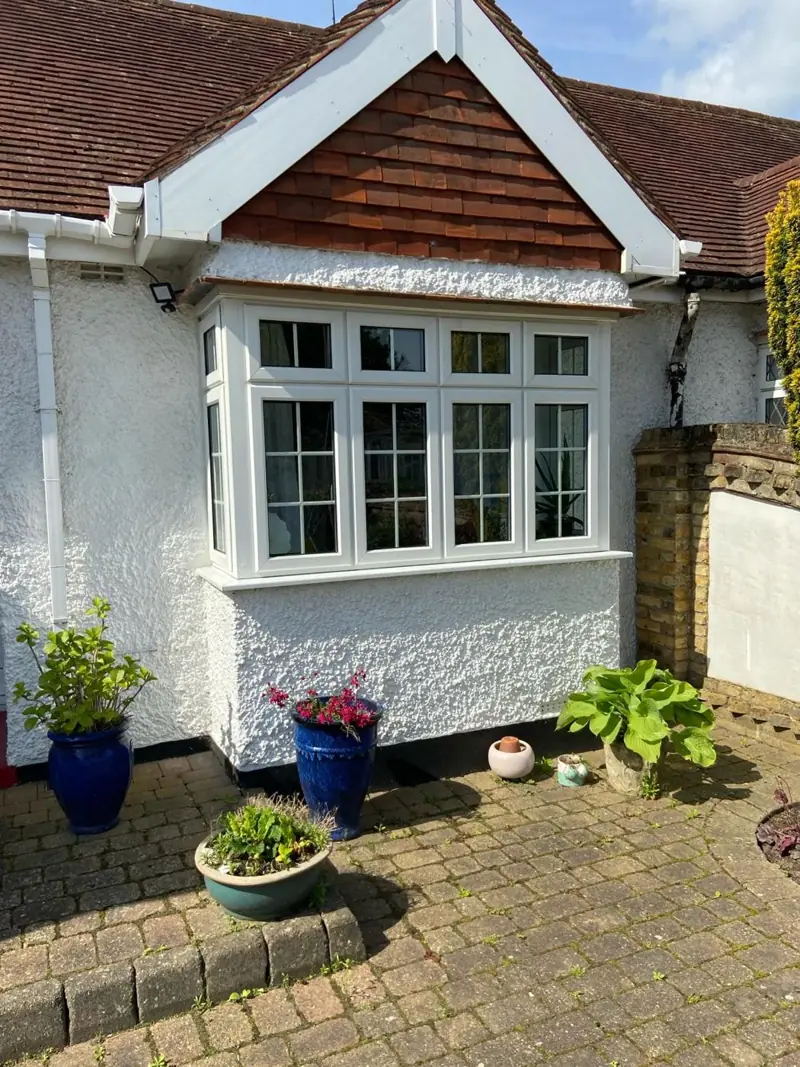
| Render on a later house or extension | Clean, treat algae, repair cracks and apply masonry paint suited to the render |
| Red brick facade on an older building | Keep the brick exposed; paint only the joinery |
| Listed building, any surface | Check listed building consent before changing coating or colour |
Why acrylic masonry paint is wrong on old stone
Solid limestone walls, often with lime mortar, take in moisture and let it out again. A standard acrylic masonry paint forms a tighter skin. On a cottage wall that can hold damp behind the film, and the result is blistering paint and stone that frost can damage. For previously painted stone we use breathable mineral paints or coatings compatible with limewash, after testing what is already on the wall, because an old acrylic layer may need to come off before a mineral paint will bond.
Render on newer homes is a more familiar job, and our main render and masonry painting page and the render and roughcast guide cover crack repair, stabilising chalky surfaces and coverage.
Damp from the brook and the trees
High Street follows the Grendon brook under a canopy of mature trees, and more trees fill the churchyard. Walls in that shade dry out slowly and pick up green growth. Any masonry we coat there is cleaned with a biocide and left to dry properly first, and we book the work for a settled spell rather than the damp end of the year.
Many walls also front straight onto the road with cars parked alongside, so we plan access and sheeting to keep runoff and dust off neighbouring stone. Everything else we paint in the village is listed from our Yardley Hastings overview.
Last updated by Dean, DH Painter & Decorator.