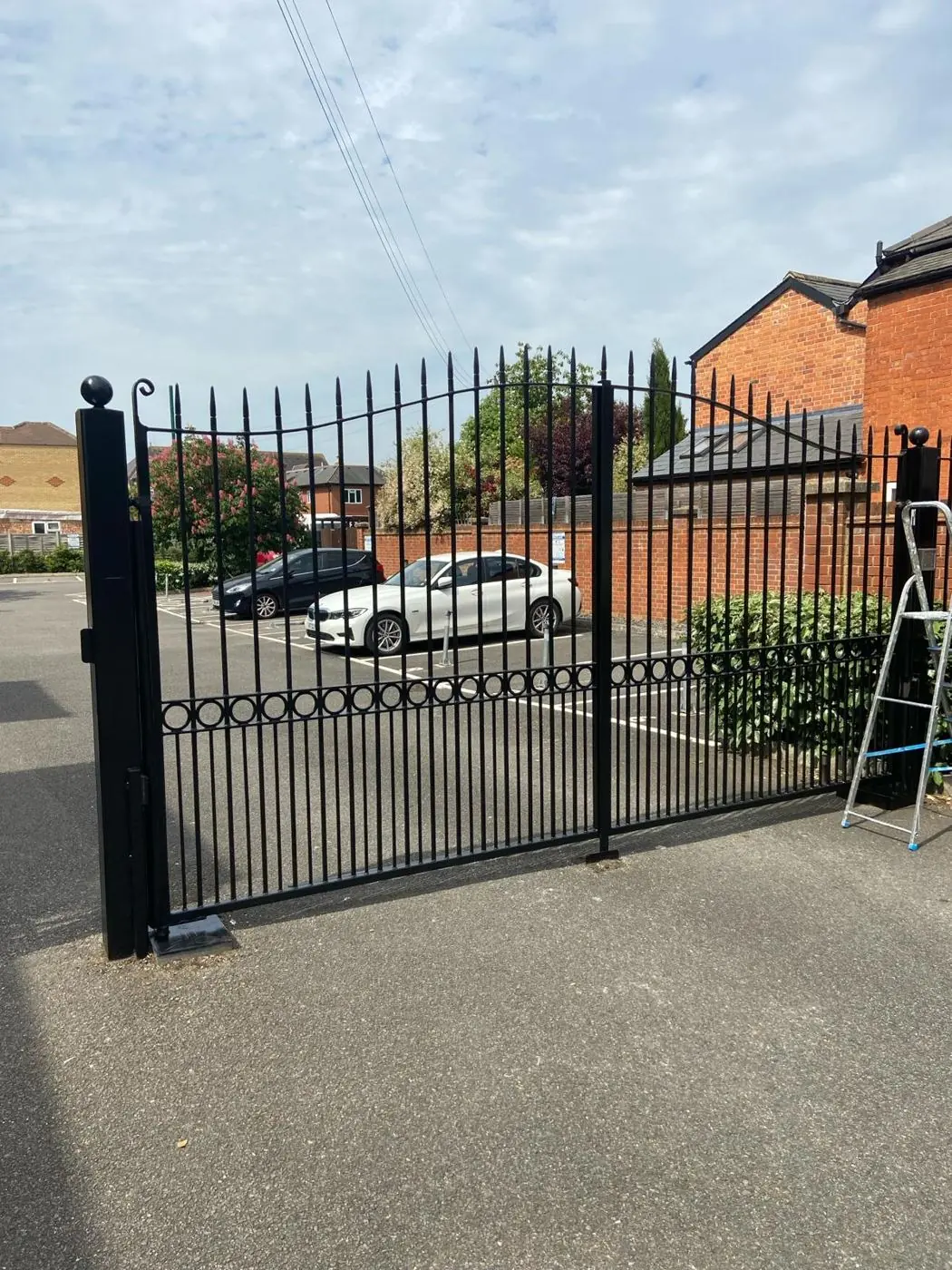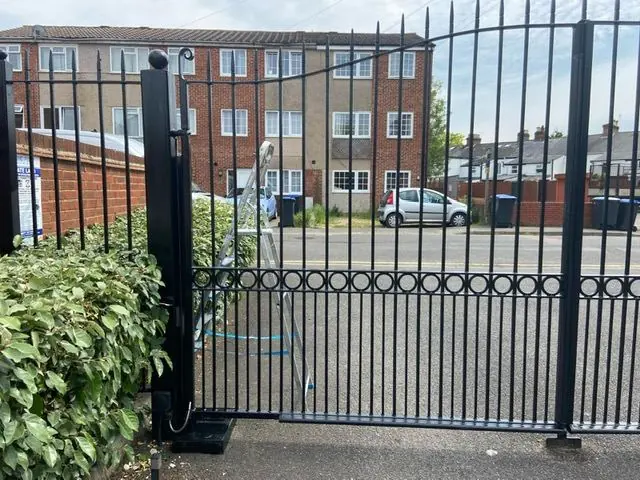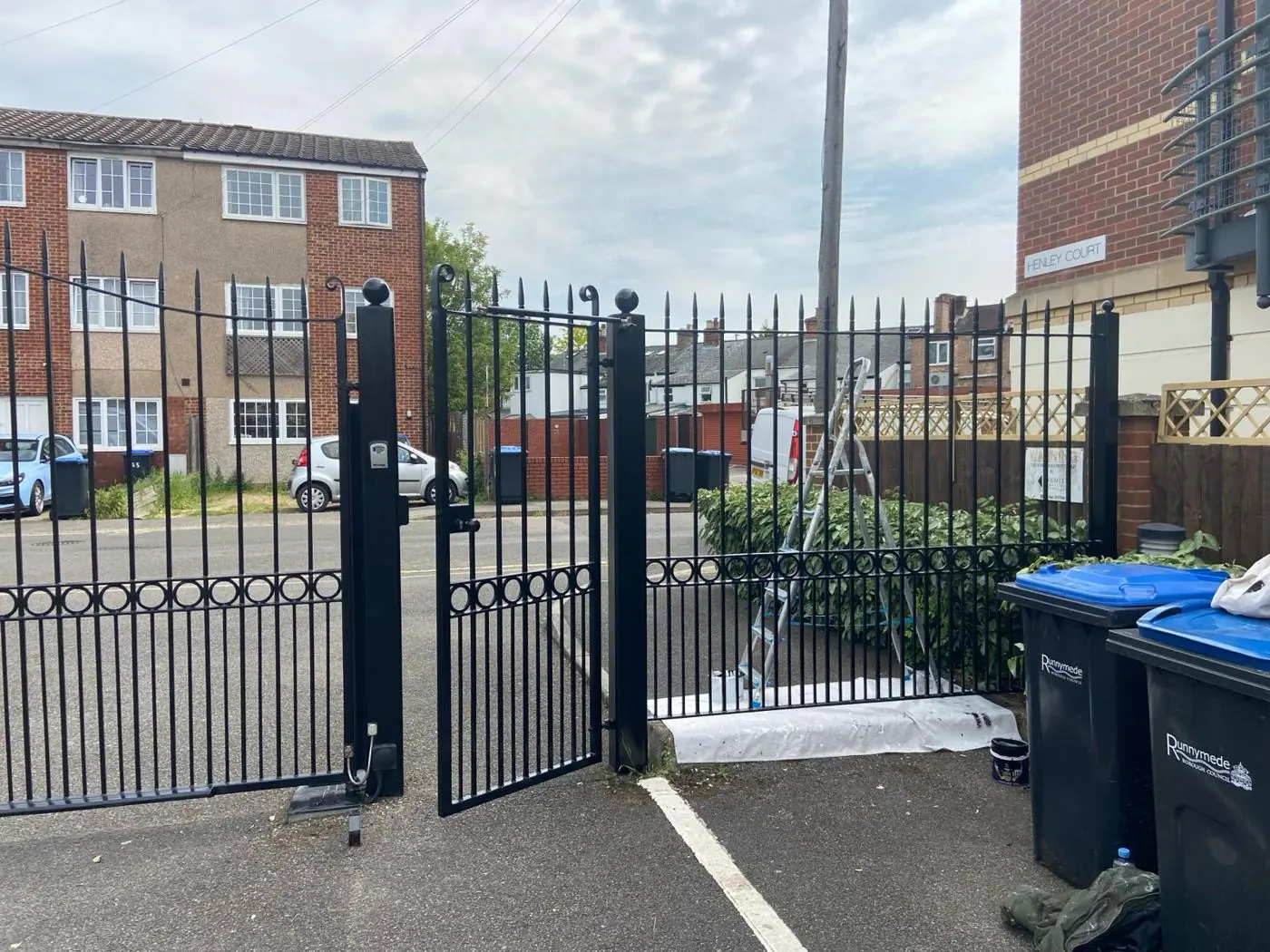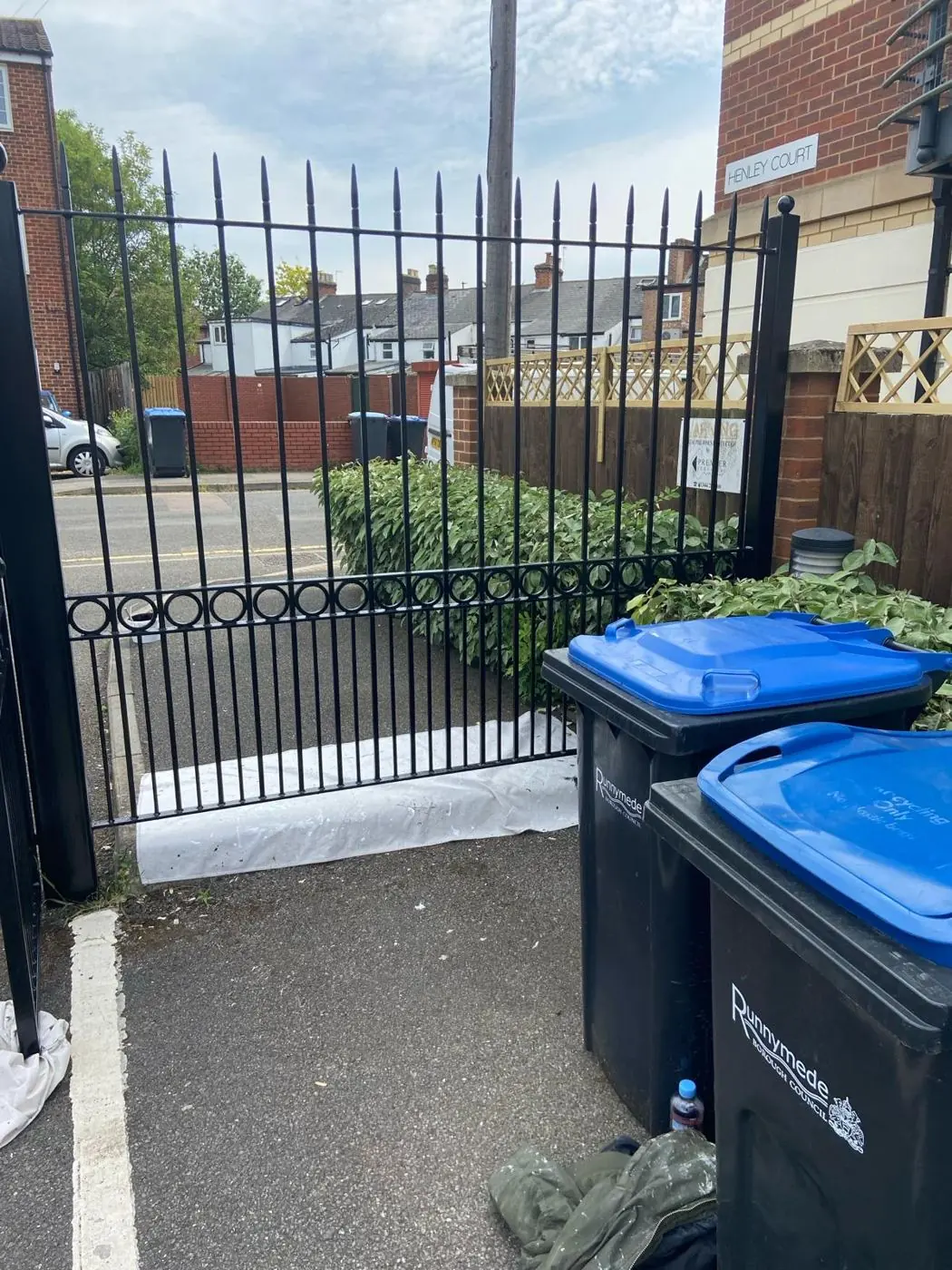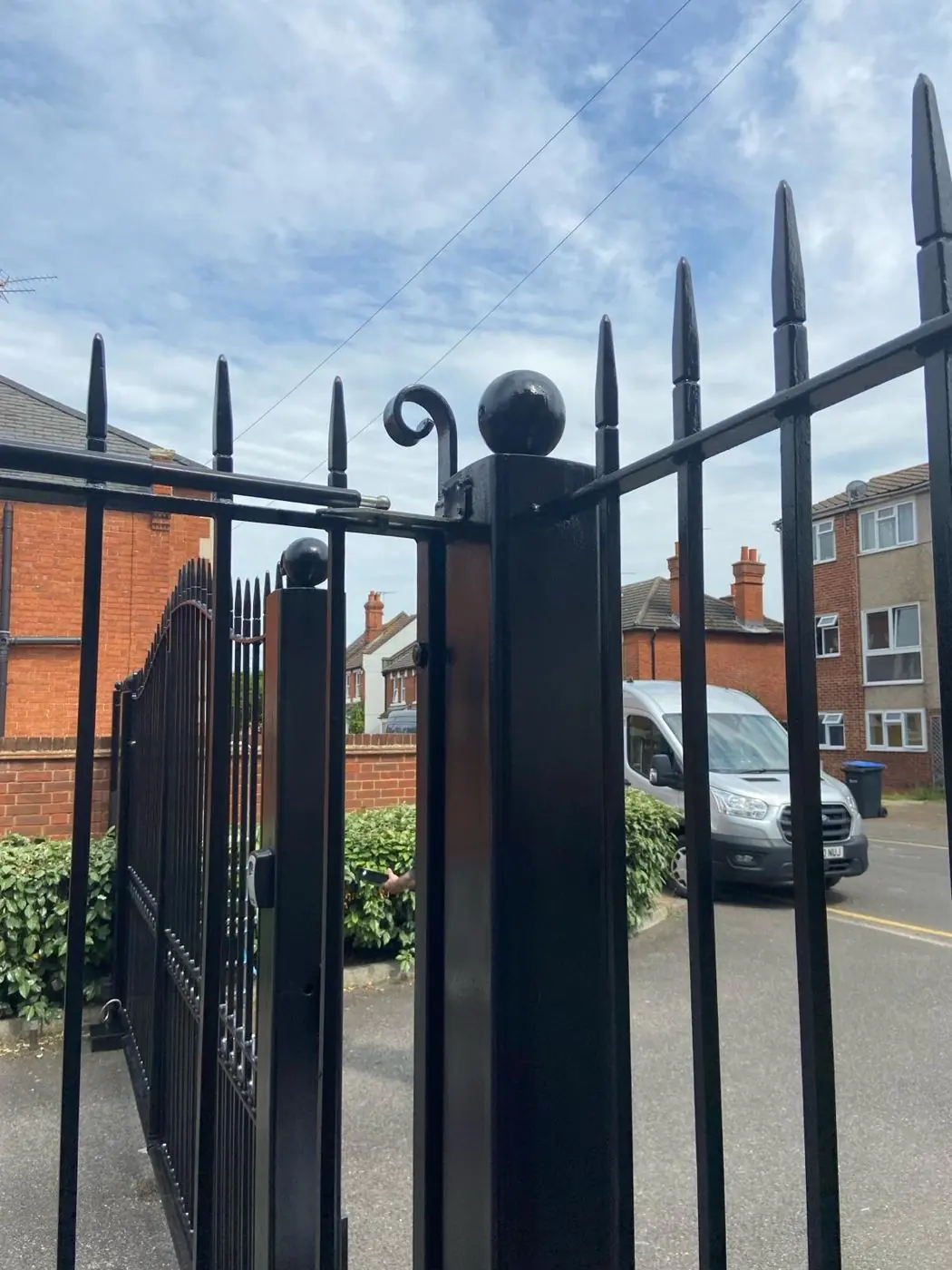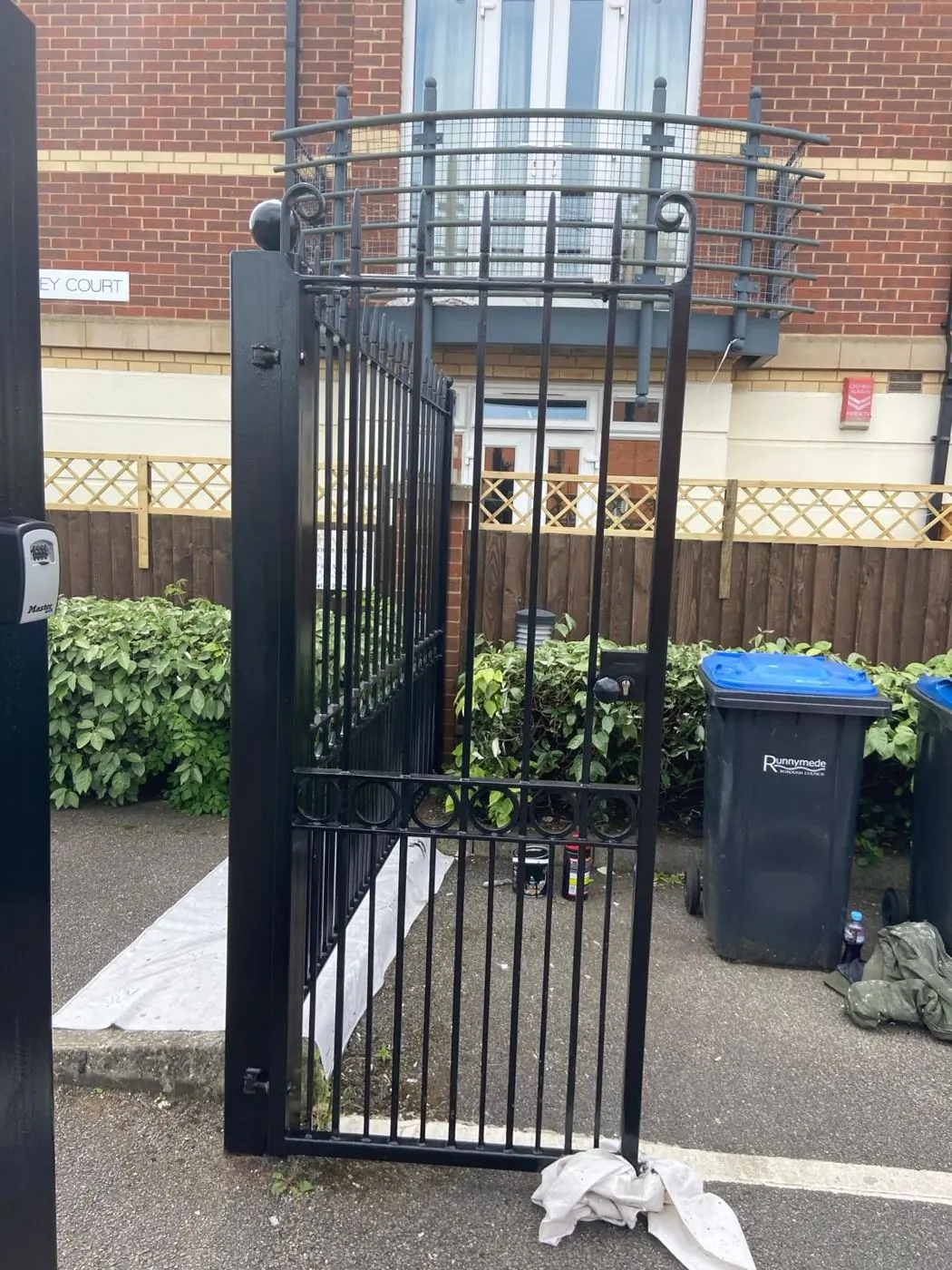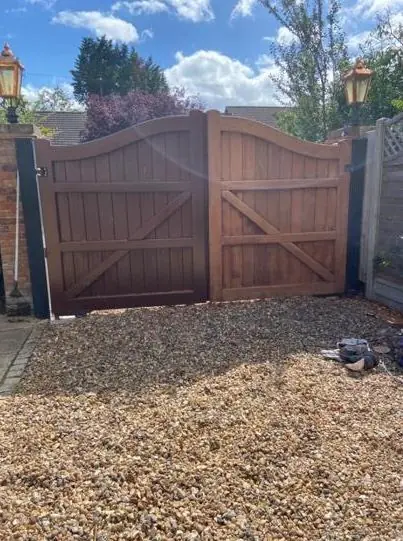
DH Painter & Decorator stains and treats timber fences and gates in Rothersthorpe, NN7, a village about 3.4 miles south-west of Northampton. Dean covers it from our Northampton base. Most of the timber boundaries here are on the modern estates and field-edge plots, as the historic core is largely walled in stone and brick.
Where the timber boundaries are
In the conservation area along Church Street and North Street, most boundaries are stone or brick walls with stone or red and blue brick copings. Those are a mason’s job, repointed in lime mortar under the 2013 management plan, and they are never stained or painted. Timber fencing in Rothersthorpe is mainly found in two other places.
The first is the rural eastern side of the village, where gardens give way to hedges, grass verges and fields. Properties along that edge can have post-and-rail fencing, close-boarded runs or timber gates onto open ground. The second is the 20th-century infill and the small estates off North Street, Banbury Lane and Kislingbury Road, where back gardens have panel or featheredge fencing and side gates much like any newer housing.
Stain belongs on the fence, not the windows
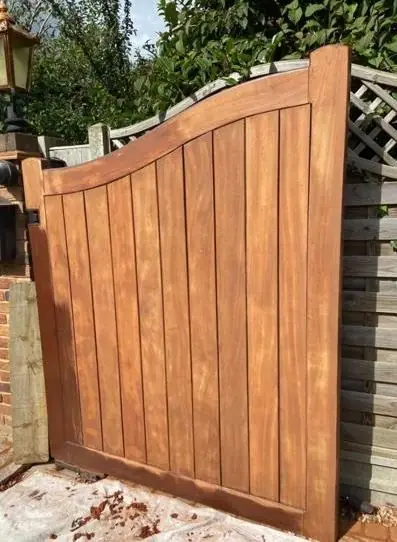
The appraisal calls stained timber windows a non-traditional finish in the village, which can cause confusion. That point is about windows and doors on houses, where white or black paint is the established look. It does not stop you staining a garden fence or a timber gate. A front gate seen from Church Street is still part of the street scene, though, so a quiet colour that sits with the ironstone and red brick is a sensible choice there. Bright orange-toned stains look out of place next to old stone.
Behind the house, or on an estate garden off Kislingbury Road, the choice is freer. We can match an existing shade, go darker to hide weathered boards, or use a clear treatment where the timber is still in good condition.
Open fields, mature trees and how timber ages here
Rothersthorpe sits on raised ground that falls gently away on all sides. Fences on the eastern edge, facing open country, take the full force of wind and rain, and the boards there grey and split faster than fencing sheltered between houses. On those runs we look closely at the bottom rails and the boards nearest the ground, where water sits longest, and we tell you if any posts are too far gone for stain to help.
Trees affect timber in other parts of the village. The chestnuts on Church Street near Manor Farm carry a group Tree Preservation Order, and there are important trees around the churchyard, Danesfield and Castle Farm. Fences and gates under heavy canopy stay damp, collect leaf litter and grow green algae. We clean and treat those surfaces with a fungicidal wash and let them dry thoroughly before any stain goes on. Branches over a fence usually cannot be cut back without notice to the council, so we work around them.
Before we start on your fence
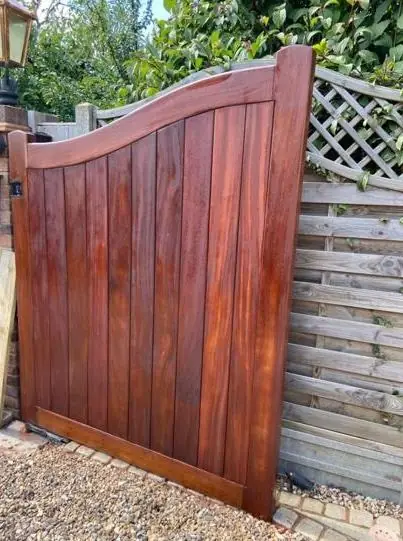
A few things help the job run well:
- Clear plant pots, furniture and climbing plants away from the fence line where you can.
- Let us know if a neighbour shares the fence, so both sides can be agreed.
- Tell us what was used last time, if you know, since oil and water-based stains do not always mix.
- For gates onto a lane or field, mention whether they need to stay usable while the stain dries.
The full process and product choices are on our main fence and gate staining service page. If you are comparing quotes, our guide on how to choose a painter and decorator may help, and the Rothersthorpe area page covers other work in the village.
Last updated by Dean, DH Painter & Decorator.