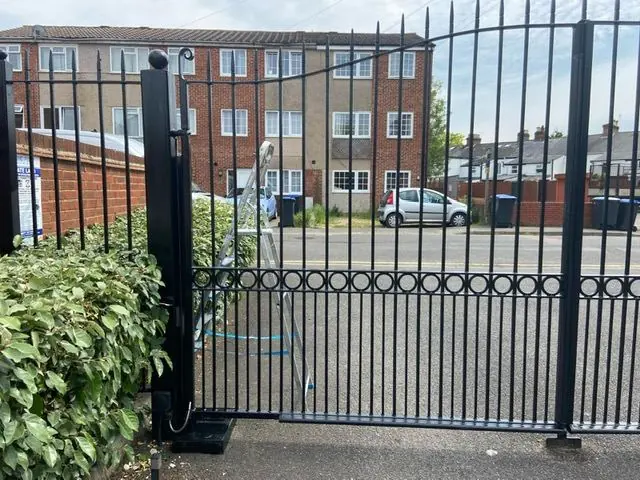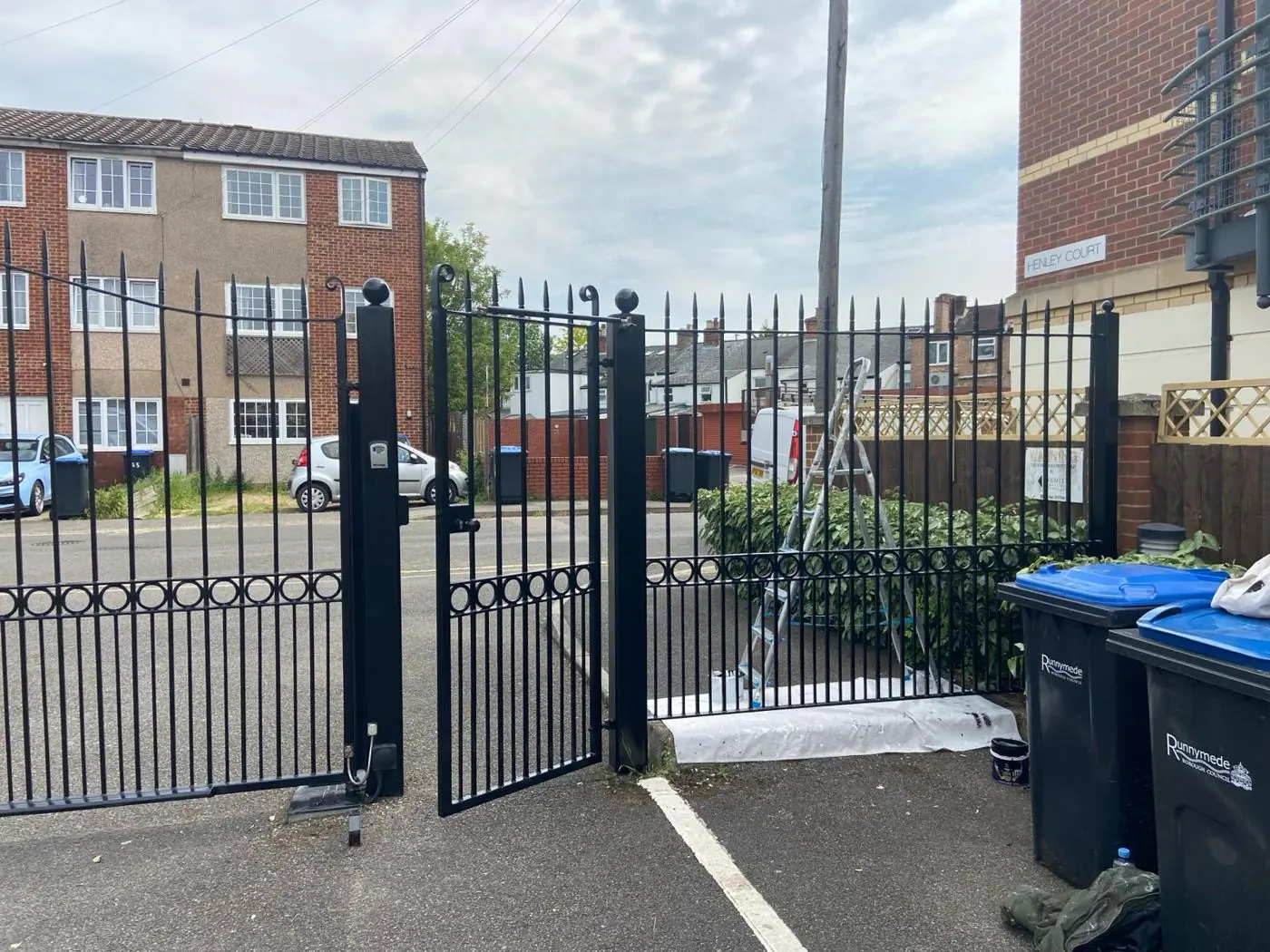
DH Painter & Decorator stains and paints garden fences and wooden gates in Bellinge, about 3.5 miles east of Northampton town centre. The preparation depends on where the garden is on the estate: shaded fences near the parks need a biocide wash, and those facing the A45 need the traffic film cleaned off.
Where your garden sits decides the preparation
Bellinge is a compact estate, but its fences face two quite different conditions. On the northern side it borders Great Billing Park and the Church Field open space, with Little Billing Pocket Park to the west. On the south and east it meets the A45 Nene Valley Way and the Great Billing Interchange. A fence panel in one of those places needs different treatment from a panel a few hundred yards away.
| Garden position | What builds up on the timber | Preparation before staining |
|---|---|---|
| Backing onto the park, Church Field or the pocket park | Green algae and lichen in the shade of trees | Biocide wash, left to work, then brushed off |
| Facing Nene Valley Way or the interchange | Grey traffic film and road dust | Thorough wash and full drying time |
| Inside the courts, away from both | Ordinary weathering and greying | Brush down, check for split boards and loose rails |
Stain soaks into timber, so anything left on the surface either blocks it or gets sealed underneath. Shaded fences also stay damp for longer after rain, which means waiting for the timber to dry, not just the surface.
Getting into a garden in a Radburn court
Most homes on the estate are in courts and squares where the front door faces a footpath and the car parking is shared. The back garden of a mid-terrace house often has no access except through the house, or through a rear gate onto a path. Before a fence job we agree how we will reach the garden. If the route is through the house, dust sheets go down along the hall first. Many terraced halls here are narrow, with the stairs close to the door, so tins and brushes go through carefully.
Fence staining needs fewer materials than most outside jobs, which helps when everything is carried from the court. A typical day’s kit fits in two or three trips, and anything left overnight stays inside your house or shed, not on the footpath.
Boundaries shared along a terrace
With terraced houses making up most of the core estate, many fences divide one garden from the next. We stain your side only, unless your neighbour has agreed to have theirs done as well. A dark stain on your side and bare timber on theirs is fine, but some owners like to agree a colour so the line of gardens looks consistent from upstairs windows.
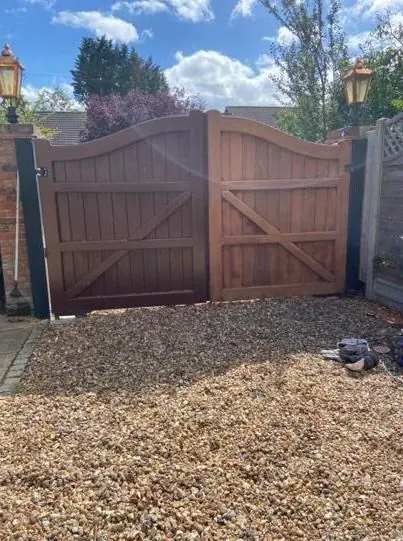
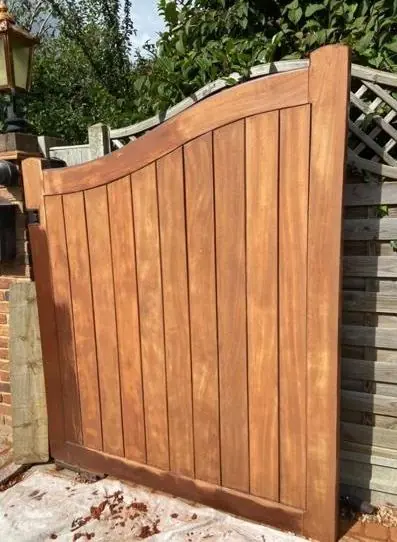
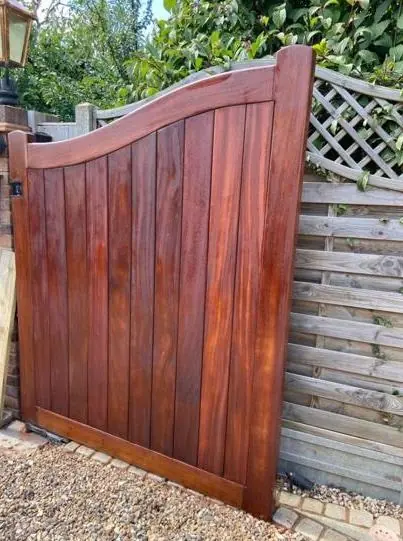
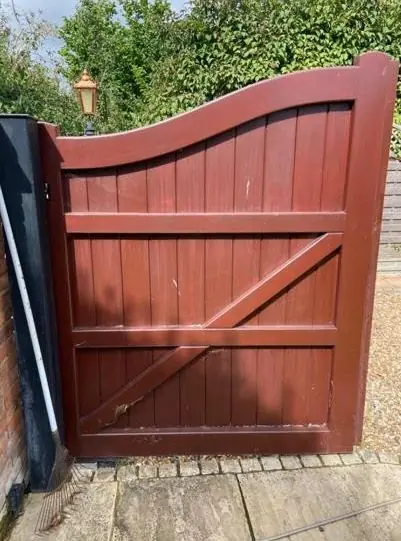
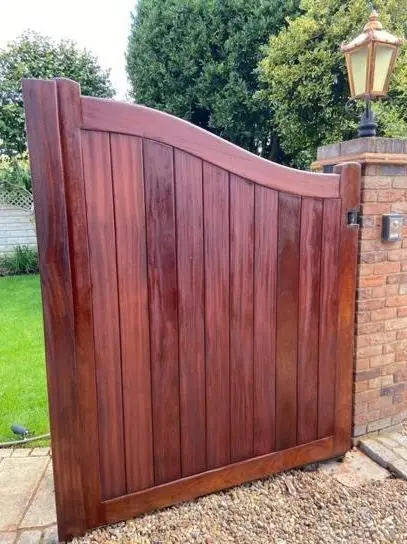
Timber gates on the estate are usually softwood side or garden gates, not large hardwood driveway gates. They take more wear than fence panels because they are opened every day. We check hinges and latches, since a gate that drops and drags on the path will scuff a new finish within weeks.
Rented homes and changes of tenancy
About a fifth of households in the core Census area rent privately, and around a quarter rent socially, mostly from the council. For private landlords, a fence restained between tenancies is a quick outside job that tidies the garden before viewings and that can run alongside indoor redecorating. Council tenants should check who is responsible for boundary fences before booking.
For the full method, including how we choose between stain and fence paint, see our main fence and gate staining page. Our Bellinge area page covers other work on the estate, and the exterior painting season guide explains why fence work is planned for dry spells.
Last updated by Dean, DH Painter & Decorator.