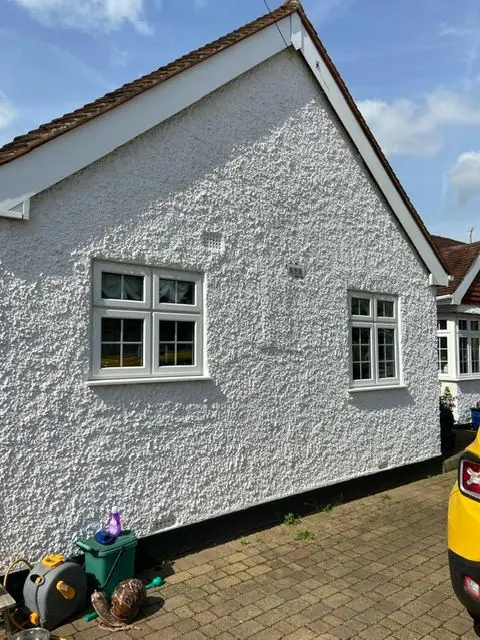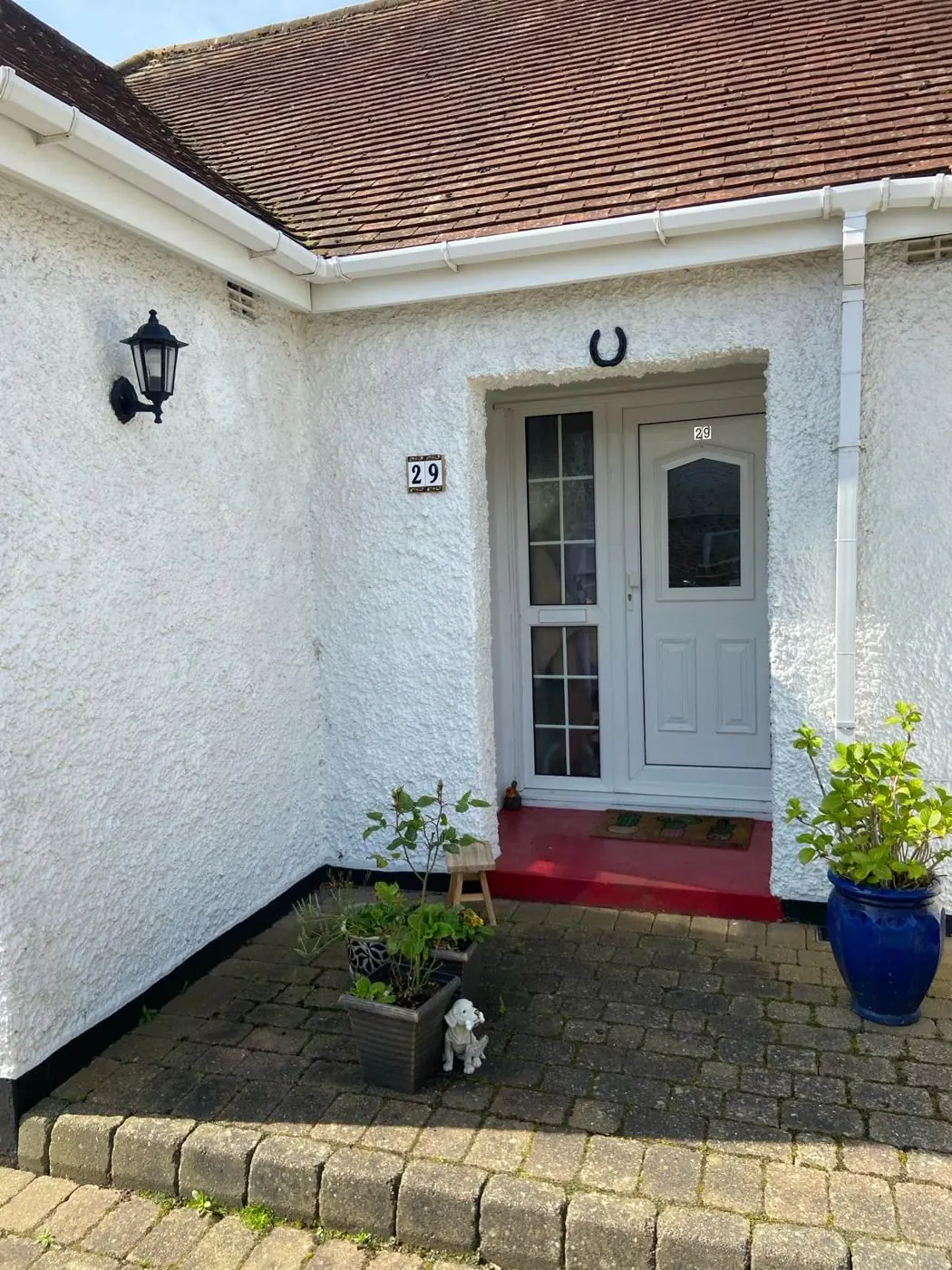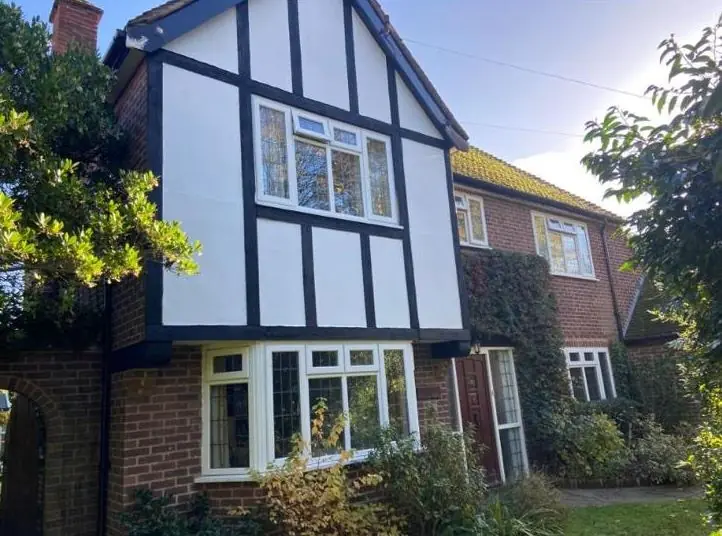
Dean paints render, wall panels and previously painted brick on homes in Bellinge, NN3, roughly 3.5 miles east of central Northampton. Because the estate is modern Development Corporation construction, not old stone, each wall is checked for its existing coating before a masonry paint is chosen.
Masonry on an estate that was never stone
Walk west from Bellinge into old Little Billing and you meet Grade II listed cottages on Church Lane and Orchard Hill, one of them a thatched former stone farmhouse. Those walls need breathable, mineral-based finishes. Bellinge is a different stock altogether. It was put up as a Development Corporation estate in the 1970s and 1980s, mostly as terraced houses in courts and squares, and none of the sources we have read describe old stone walls on the estate.
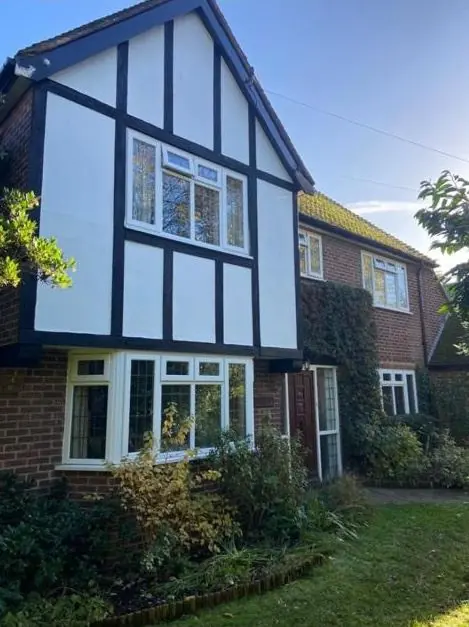
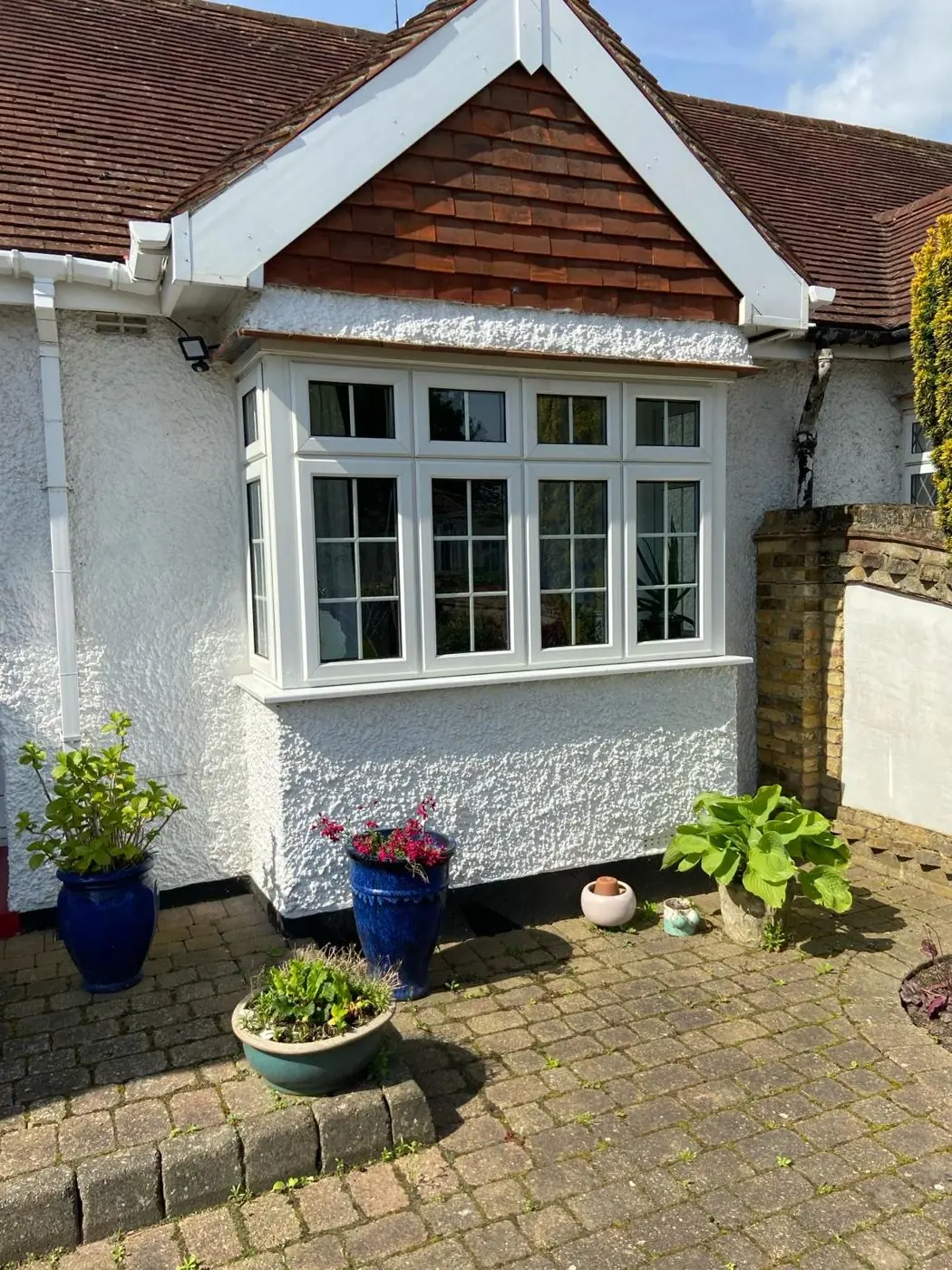
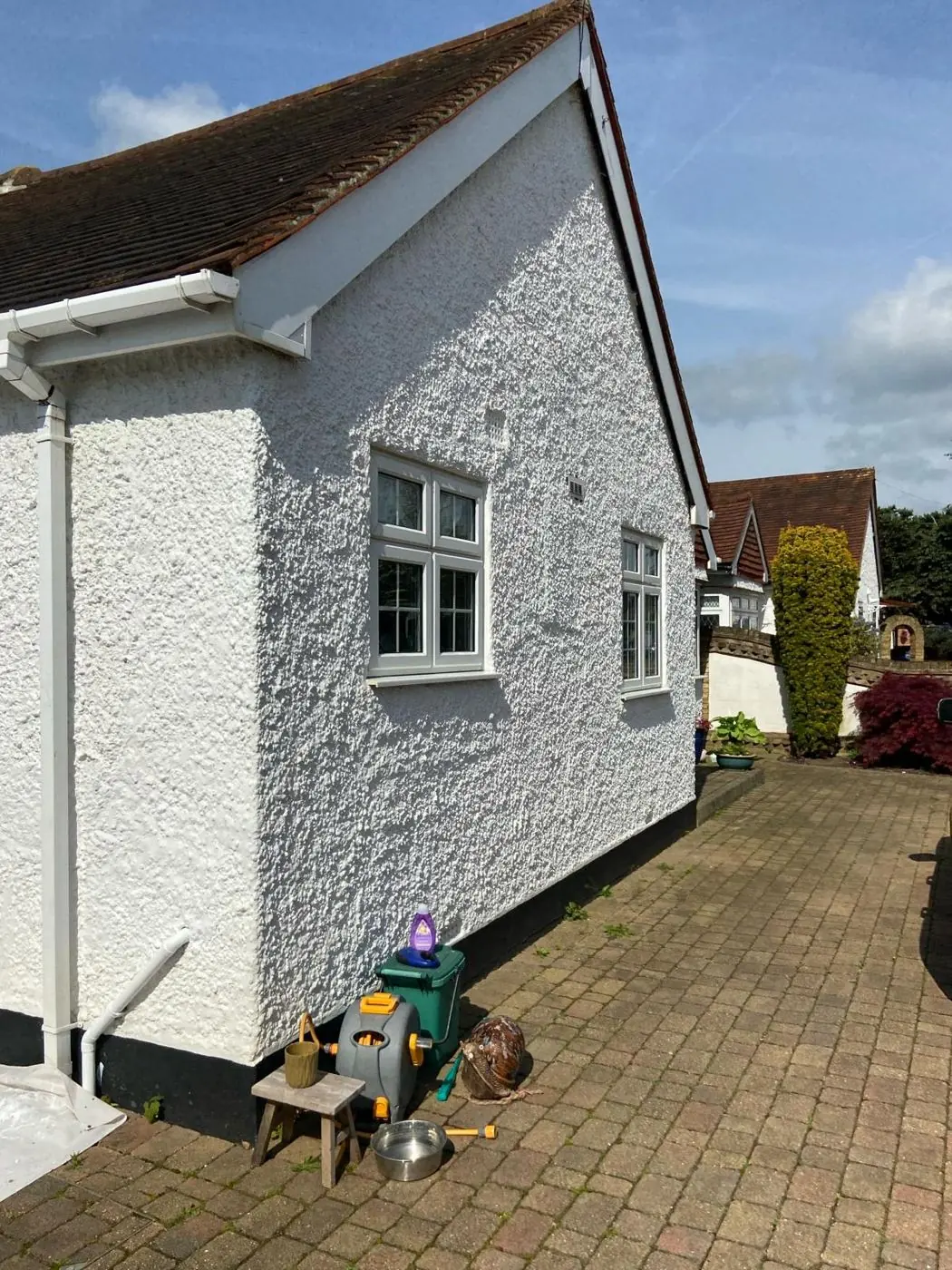
So on this estate, masonry painting usually means one of three things: rendered or clad panels on the elevations, brick that someone has painted in the past, or garden and boundary walls finished to match the house. The building materials on the estate are not recorded in detail, and houses have been altered over 40-odd years, so we do not assume anything about a wall until we have looked at it.
Reading the old coating before choosing a paint
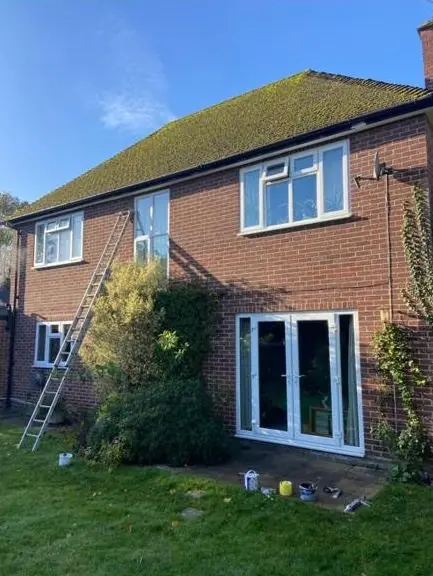
Many walls on the estate have already been painted at least once, and the product used then decides what can go on now. Putting a new coat over a failing or incompatible one is the most common reason masonry paint blisters within a couple of years. Before quoting, Dean checks:
| What we find | What it tells us | Usual approach |
|---|---|---|
| Powder on your hand when you rub the wall | The old coating has chalked | Brush down and apply a stabilising solution before painting |
| Paint lifting in sheets or bubbles | Poor bond or trapped moisture | Scrape back to a firm edge and find the water source |
| Hairline cracks in panels | Normal movement in older render | Rake out, fill with exterior filler and spot-prime |
| Hollow sound when tapped | Render coming away from the wall | Repair by a plasterer first, then paint once cured |
| Sound, clean previous masonry paint | A good base | Wash, make good, two coats of masonry paint |
Bare brick that has never been painted is worth thinking about twice. Once it is painted, it needs repainting for good. We will tell you honestly if we think it is better left alone.
Green on the north side, grime on the south
The estate’s position gives its walls two quite different problems. On the northern side, homes near Great Billing Park, Church Field and Little Billing Pocket Park get shade from trees and open space, and walls that rarely see sun grow algae. Those walls are treated with a biocide and left for the growth to die back before they are brushed down. Painting over live algae just traps it.
Along the southern and eastern edges, the A45 Nene Valley Way and the Great Billing Interchange leave a traffic film on walls facing the road. That is a cleaning job, not a biocide one, and the wall then needs a dry spell before any masonry paint goes on. Our guide to painting render and roughcast covers the drying and weather side in more detail.
Who is responsible for the walls?
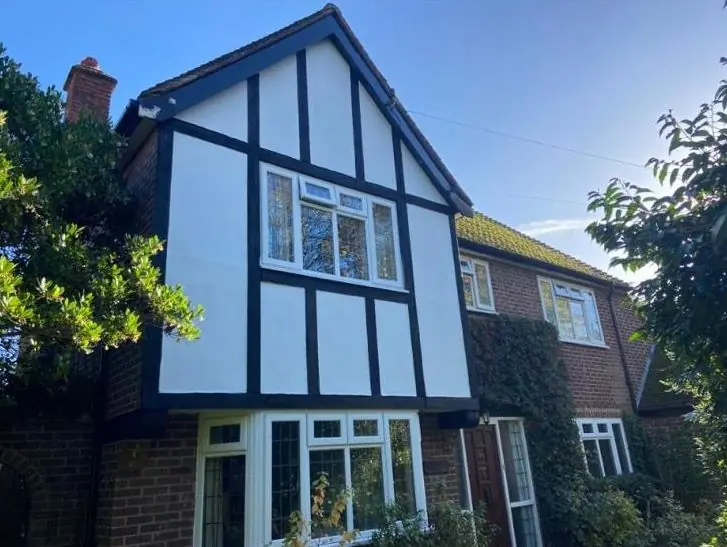
Bellinge has a lot of rented housing. In the 2021 Census, 164 households in the core area were renting socially, 153 of them from the council, and 141 were renting privately. If you rent from the council, external decoration is normally the landlord’s responsibility, so check before arranging work. Owner-occupiers and private landlords can book directly. On a terrace, a painted panel often runs up to the neighbour’s line, so it helps to agree with them where the new colour stops.
The full process, from survey to final coat, is on our main render and masonry painting page. We cover Bellinge from Northampton, and the Bellinge area page covers the estate more widely.
Last updated by Dean, DH Painter & Decorator.