
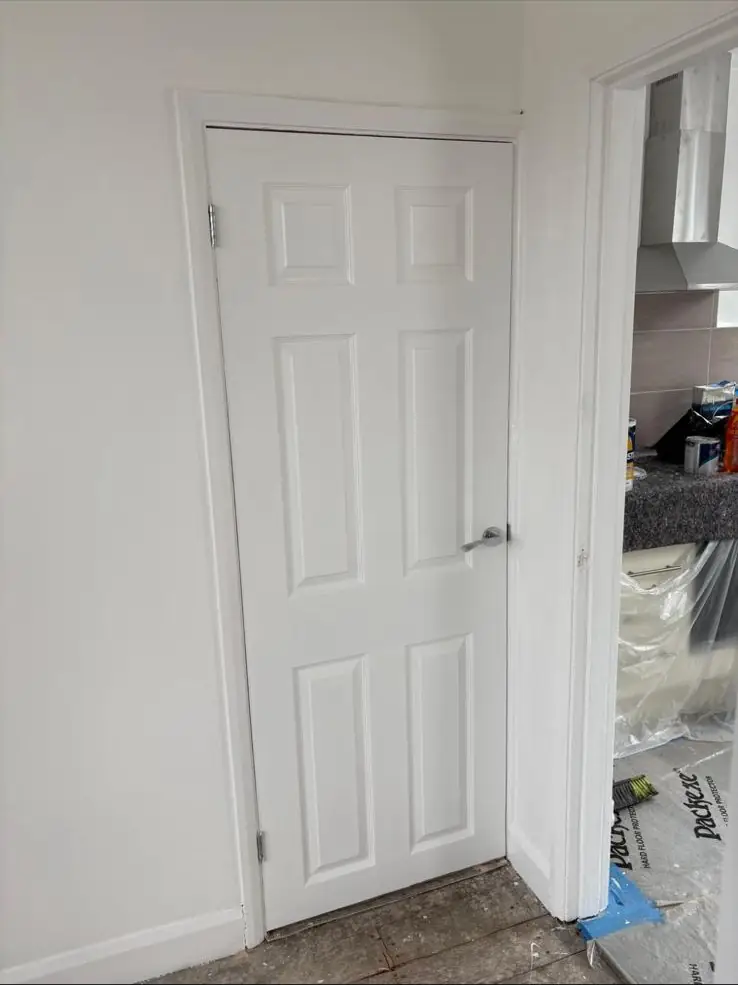
Much of the joinery in Boothville is original to post-war bungalows and 1960s terraces, so woodwork painting starts with the coats already on it. Dean paints internal and external doors, skirtings and frames across the NN3 district.
Sixty years of gloss on post-war joinery
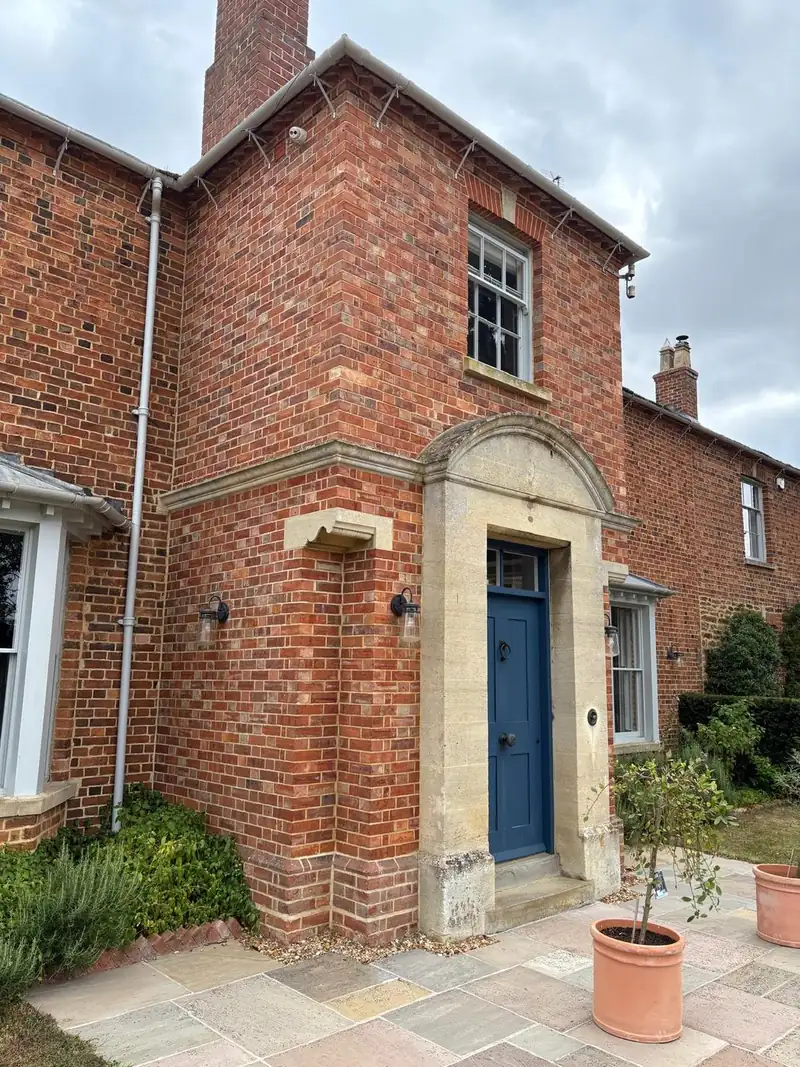
About 430 of the 750 homes in the Census area that includes Bibury Crescent, Lumbertubs Lane and Queenswood Avenue were built between 1945 and 1964, according to the Valuation Office Agency. Where the original doors, frames and skirtings are still in place, they have had sixty or seventy years of repainting. Each owner added a coat or two of gloss over the last, often without sanding, and the result is joinery that is thick at the edges, chipped where the vacuum cleaner hits the skirting, with old runs and sags set hard in the panel mouldings and door hinges painted solid.
Another topcoat does not fix that. On joinery of this age we usually:
- scrape back loose and flaking edges, and cut out set runs with a blade rather than sanding them flat
- wet-abrade the rest to a key; old layers on houses of this age can contain lead, so we do not dry-sand or burn them off
- fill dents and open joints, and caulk the gap between skirting and wall
- prime bare timber, then two finish coats, with hinges and handles masked or removed rather than painted over
Where a door has so much paint on it that it no longer closes, stripping that door back is sometimes the better answer, and we will say so at the quote.
Original doors next to new ones in extended bungalows
Many Boothville bungalows have been extended, some with loft rooms. That leaves a house with two kinds of joinery: original panelled or flush doors with built-up gloss, and new primed doors, MDF skirtings and architraves in the extension. Painted the same colour, they still look different, because new MDF is crisp and smooth while the old timber has softened edges and grain showing through.
To make them sit together, the old joinery has to be brought back to an even surface first, and both have to be finished in the same product and sheen. We usually suggest a water-based satin or eggshell throughout; oil-based gloss yellows over the years, which is why the older doors in many homes now look cream beside new white ones. Where the extension came with fresh plaster, our Boothville new plaster page covers the walls.
Lakeview: one building period, repeated joinery
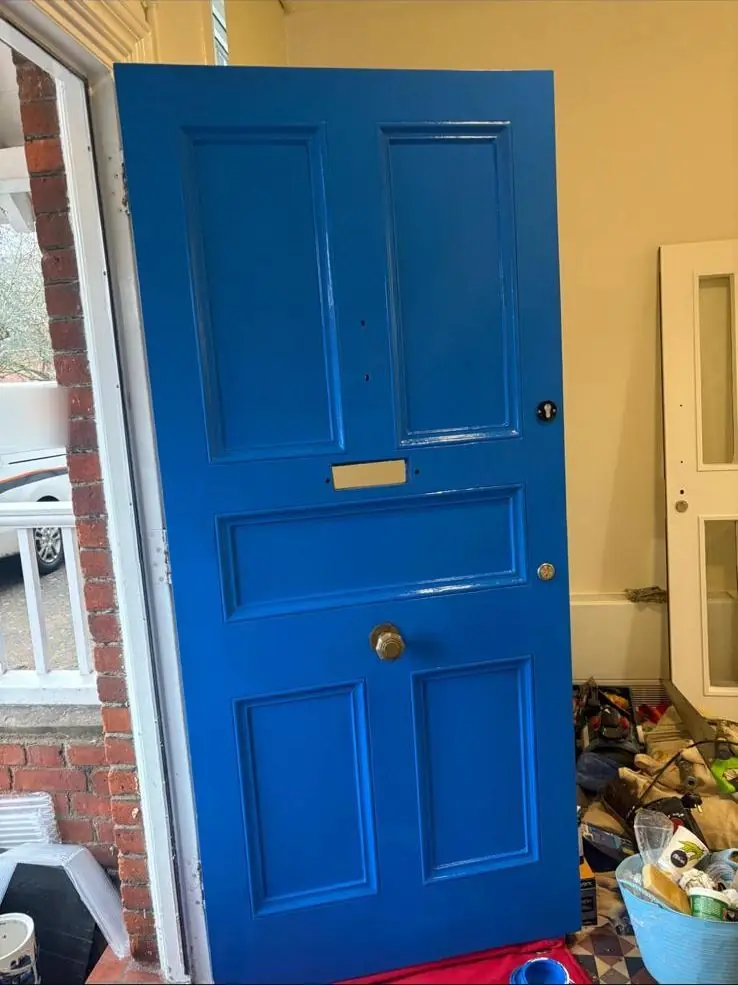
West of Booth Lane North, about 460 of the 780 homes in the Census area covering Chartwell Avenue, Windermere Way, Ambleside Close and Eden Close were built between 1965 and 1972. Homes built together as one estate can share their joinery, such as the same style of door, profile of skirting and architrave, or stair, though we confirm this on site rather than assume it. Where the originals do match, and a few doors have been replaced, it can be worth repainting the originals rather than replacing a few.
| Joinery | What we usually find in Boothville | What it needs |
|---|---|---|
| Original post-war internal doors | Thick gloss, painted hinges, sticking edges | Cut back, wet-abrade, two coats |
| Skirtings and architraves | Chipped edges, gaps at the wall, set runs | Scrape, fill, caulk, prime bare spots |
| Extension doors and MDF | Factory primer only, or a single trade coat | Light sand, two finish coats to match the rest |
| Timber front and garage side doors | Weathered bottom rails and sills | Sand to sound wood, exterior primer, gloss or satin |
| Fact | Detail | Source |
|---|---|---|
| Homes built 1945-64, Bibury Crescent / Lumbertubs Lane area | About 430 of 750 (VOA 2024) | GOV.UK |
| Homes built 1965-72, Chartwell Avenue / Lakeview area | About 460 of 780 (VOA 2024) | GOV.UK |
| Bungalow walls and floors | Cavity brick; suspended timber or solid floors (EPC, 1 Bibury Crescent) | EPC register |
Front doors and garage doors outside
Outside, the timber that remains on most Boothville homes is the front door, a side door and the door or frame of a detached garage, since most windows are already uPVC. Bottom rails and sills weather first. Metal up-and-over garage doors are a different material and are covered on our metal gates and garage doors page for Boothville.
Products and finishes for doors and skirtings are explained on our woodwork, door and skirting painting page. For our other services here, see the Boothville area page.
Last updated .


