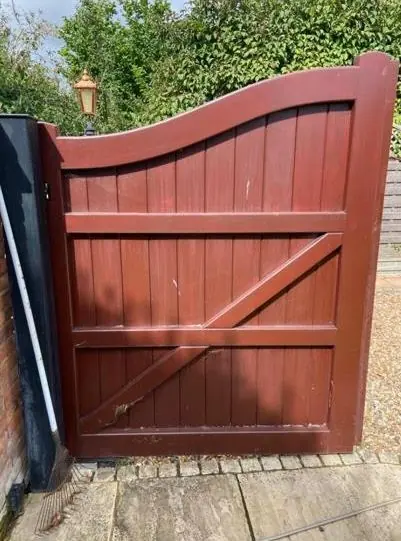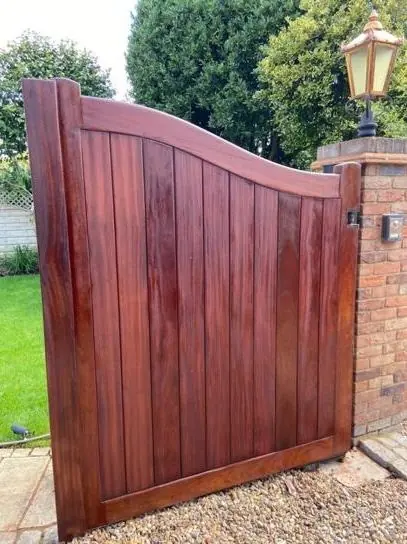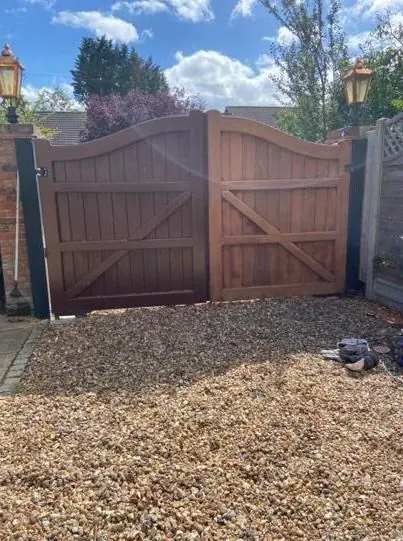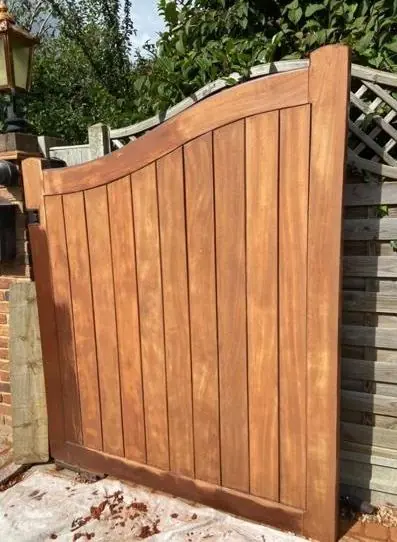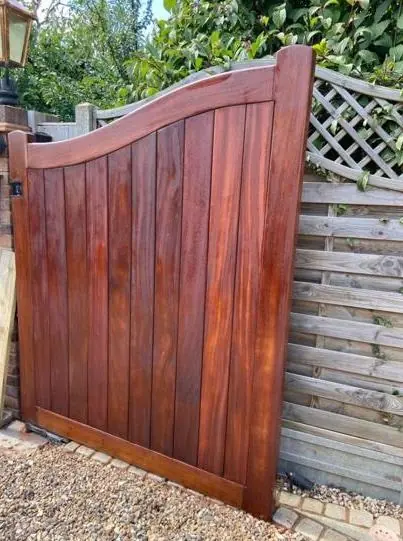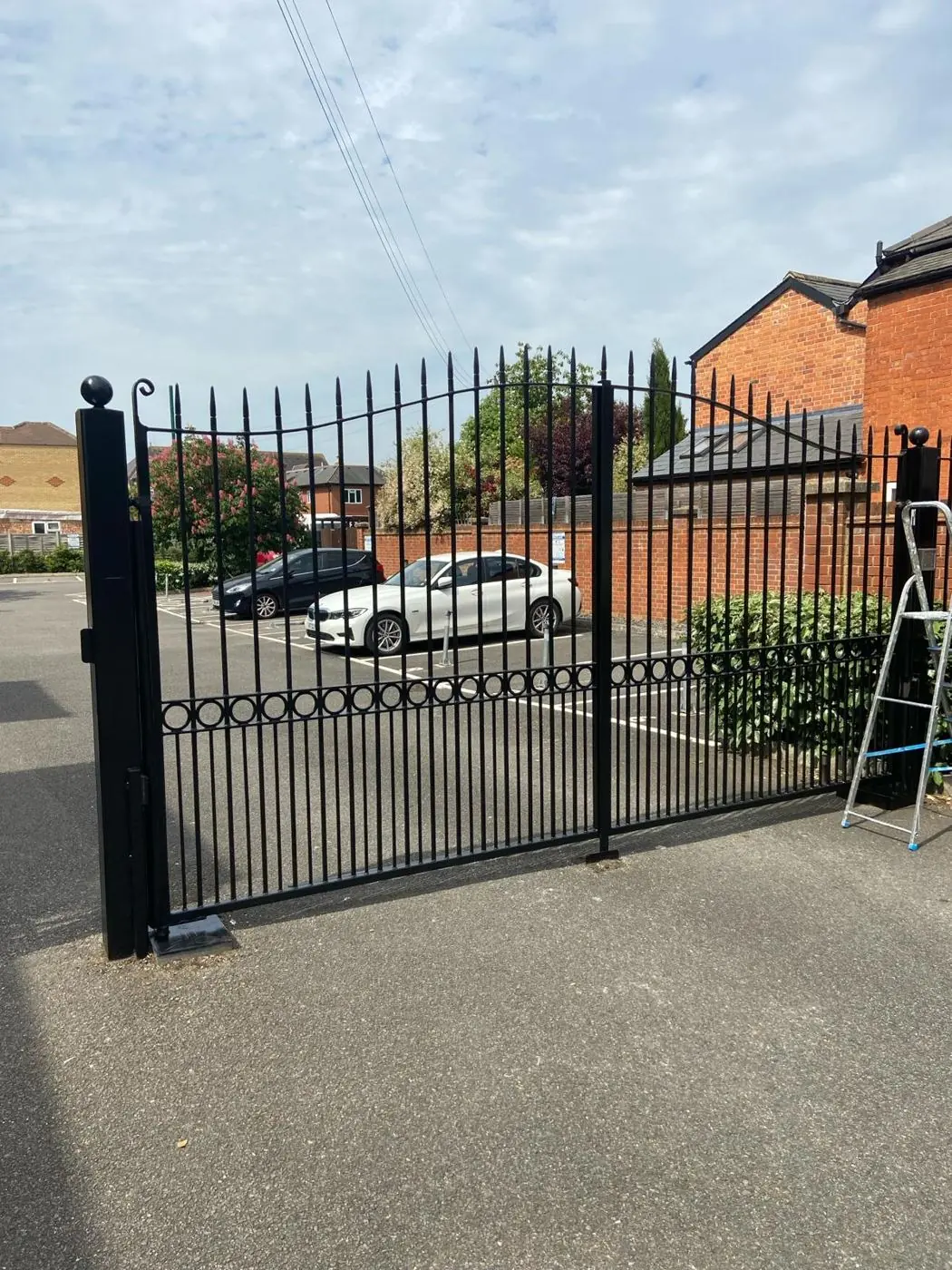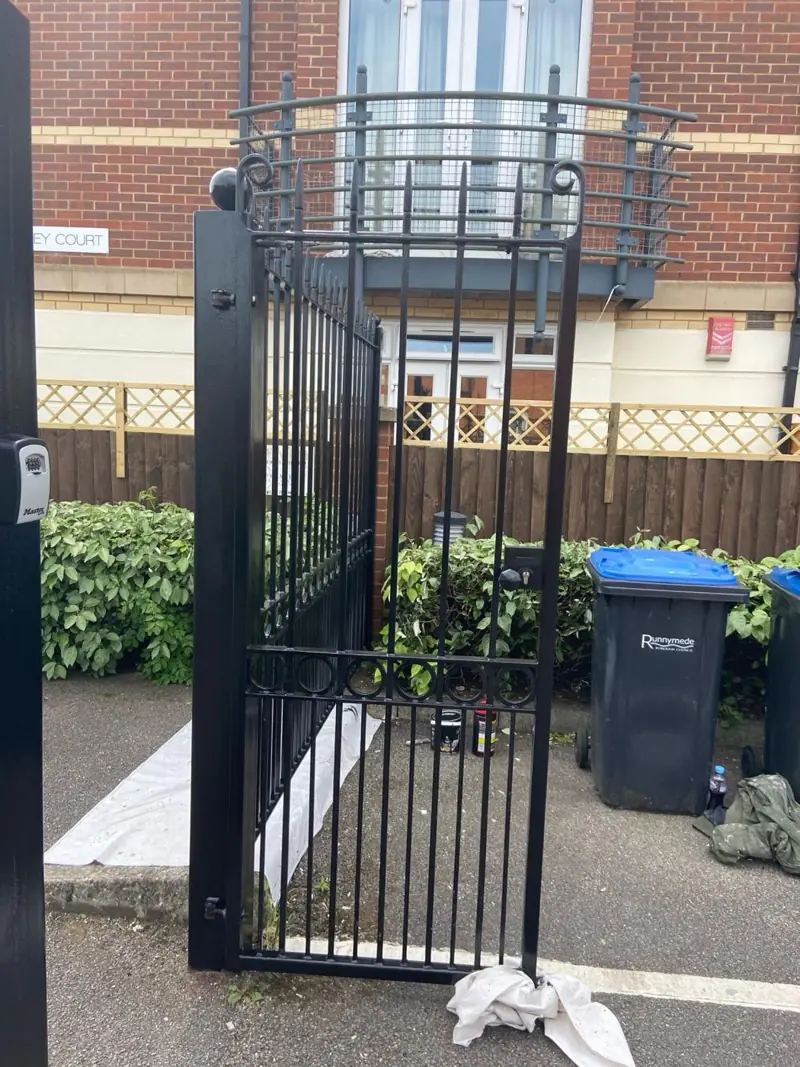
We stain and paint garden fences, side gates and sheds in Boothville, NN3, a short drive (about 3 miles) north-east of Northampton town centre. Rear gardens here are typically enclosed with wood panel fencing and get plenty of sun, so Dean picks finishes for UV resistance and checks which boundaries are yours before starting.
Panel fences in sunny back gardens
Read a few Boothville property listings and the rear garden descriptions repeat: private, sunny, enclosed by wood panel fencing, often with a shed and a timber side gate. Bungalow listings on Bibury Crescent say exactly that, and panel-fenced rear gardens are standard on the semis too. The district sits on raised ground, with Booth Rise recorded on Northampton Sands at about 104 metres, and gardens are open to the sky rather than tucked into a valley. Timber in those conditions greys and dries faster than in a shaded town yard. A cheap water-based fence colour may look fine for one summer and be patchy by the next.
So the product matters more here than the shade. For panels and gates in full sun we use pigmented, microporous stains that let the wood breathe and carry UV protection. Clear or very pale finishes protect least against sun; mid to darker tones last longest.
Side gates, sheds and the front boundary
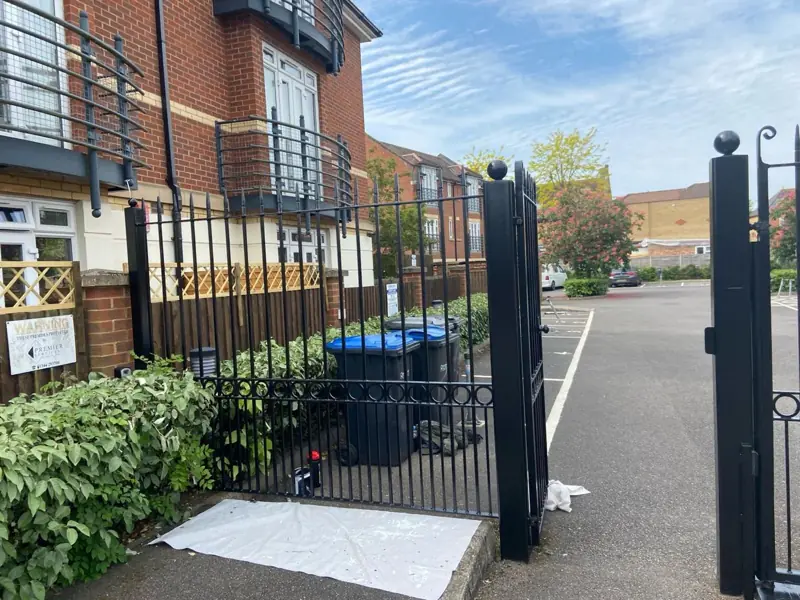
Side gates on Boothville plots take more wear than the panels: they are opened daily, catch rain on the top rail and sit against the house wall where it stays damp. We check the hinges and latch, ease off any old flaking coating, and make sure the bottom edge and top rail are sealed, as that is where water gets in. Sheds can be stained in the same colour on the same visit.
At the front the picture changes. Front gardens are mostly enclosed by brick walling, and that brick should be left alone. Where there is timber at the front, such as a gate between brick piers, mature trees and shrubs often shade it, so it grows algae rather than fading. That gets a biocide wash and time to dry before any stain goes on.
Whose fence is it?
Bungalow and semi plots here share boundaries with neighbours, and on a corner plot one run may sit alongside the pavement. We stain your side of a shared fence only, and sheet the other side to catch drips through the gaps. If you want the neighbour’s face done too, agree the colour with them first. On a corner plot, the street-facing run is on show to everyone, so an even finish there is worth the extra preparation.
Colour is otherwise open. No conservation area covers Boothville, so a freehold owner can pick anything from a silver grey to a near-black. Bear in mind that on these plots the fence is the backdrop to the whole garden and often to a conservatory as well, so a very dark stain makes a small sunny garden feel enclosed and soaks up heat, while a mid brown or green sits back. Larger corner plots with workshops or outbuildings can carry the same colour across every timber surface for a tidier finish.
Leaseholders at Yewtree Court should check whether communal fencing belongs to the freeholder before changing its colour.
Practical points for a Boothville fence job
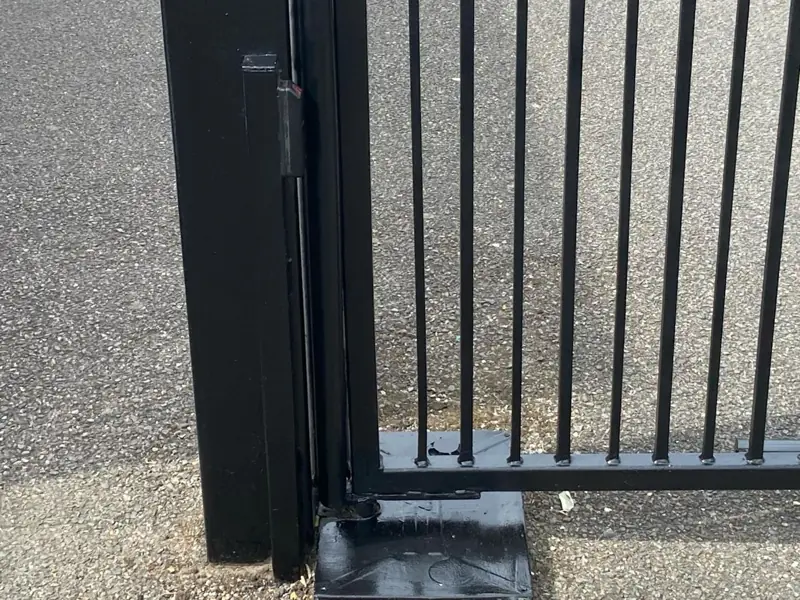
- Most homes have a driveway, so the van and materials can sit off the road.
- Stain needs dry timber and a dry forecast for a day afterwards; late spring to early autumn is the usual window, and our guide to seasons for outside painting goes into this.
- Plants, gravel and patio slabs along the fence line get covered before we start.
For stain types, oils and how often timber needs redoing, see the main fence and gate staining service. Other work we cover nearby is listed on the Boothville area page.
Last updated by Dean, DH Painter & Decorator.