DH Painter & Decorator hand-paints decorative finishes in Briar Hill (NN4), about 1.3 miles south-west of Northampton town centre. Dean adds panelling, limewash-effect walls and colour blocking to the plain rooms of the estate houses, and can advise on traditional finishes for the listed farmhouse.
Adding detail to rooms built without any
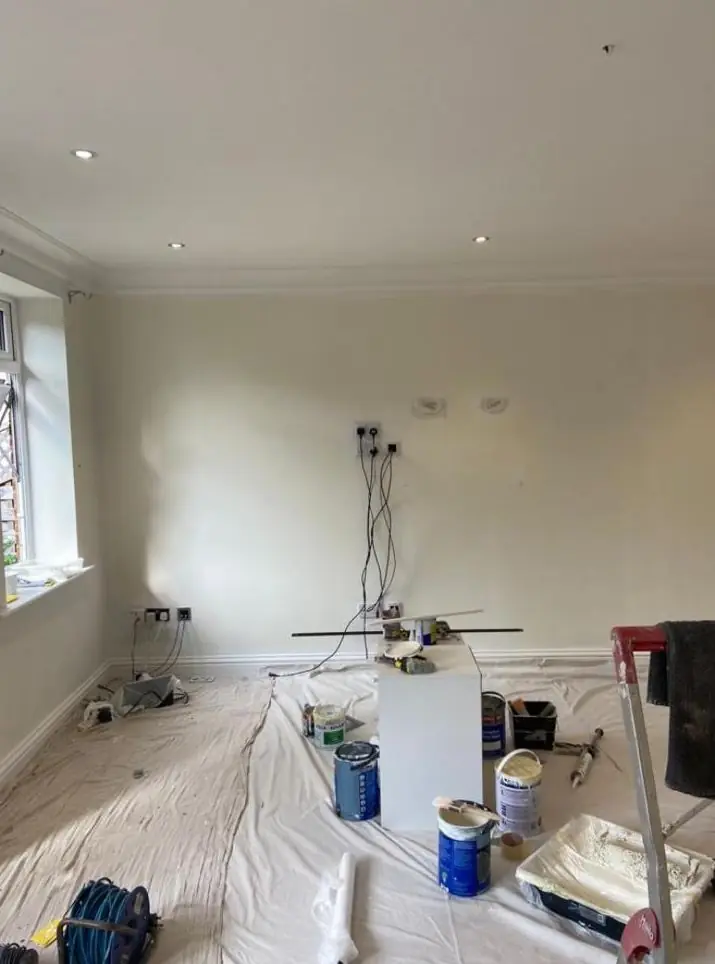
The houses on the Briar Hill estate went up from 1969 through the 1970s, and interiors from that period tend to be plain: flat plastered walls, simple skirtings and little in the way of cornice or dado rail. That is practical, but it leaves a living room or hallway with nothing for the eye to settle on. Decorative paintwork is a way to put some of that detail back without knocking anything about.
Because rooms on the estate are modest, the finish has to be in proportion. A full-height wall of deep panelling can overwhelm a small bedroom, while a half-height version with a lighter colour above keeps the room feeling its size.
Four finishes that work in an estate house
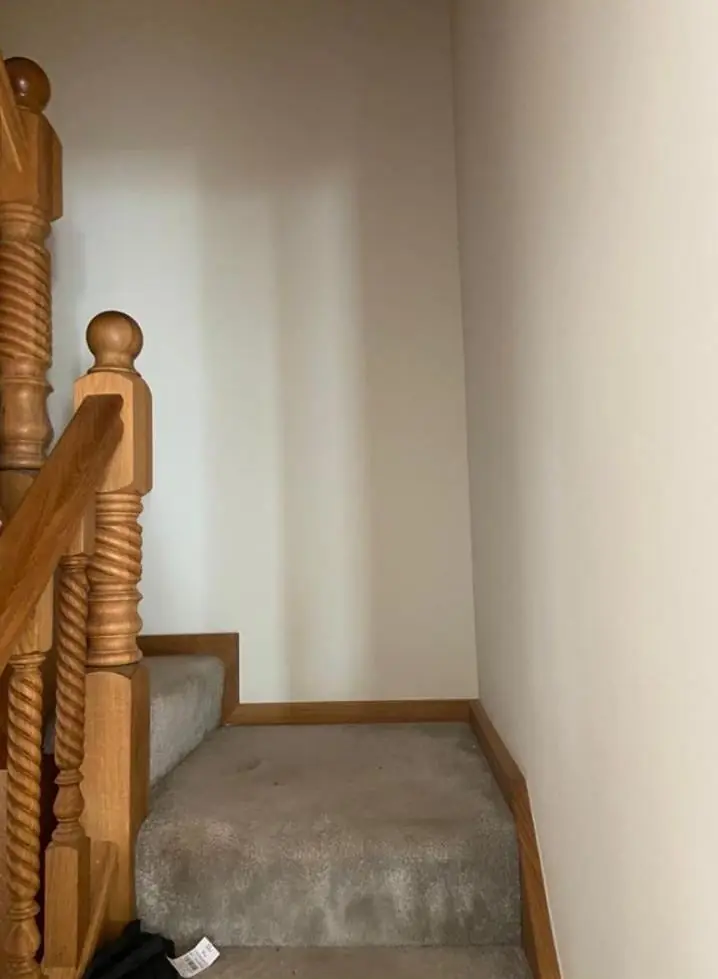
- Painted wall panelling. MDF strips fixed to the wall to make boxes or vertical battens, then filled, caulked and painted in one colour with the wall. It works well behind a bed or up a straight terrace staircase.
- Limewash-effect paint. A soft, cloudy finish brushed on in overlapping strokes. Real limewash needs a mineral surface, so on the estate’s modern plaster we use a limewash-style emulsion that gives the same movement while bonding to what is already there.
- Colour blocking. A painted arch behind a desk or shelf, a two-tone split at dado height, or a band of colour that carries from the hall up the stairs. Crisp edges depend on good masking and a properly sealed first coat.
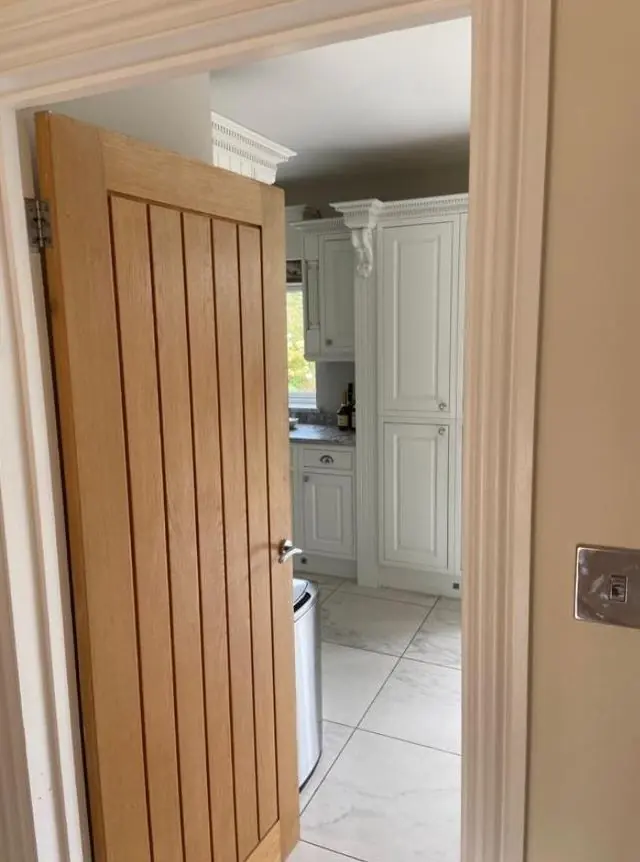
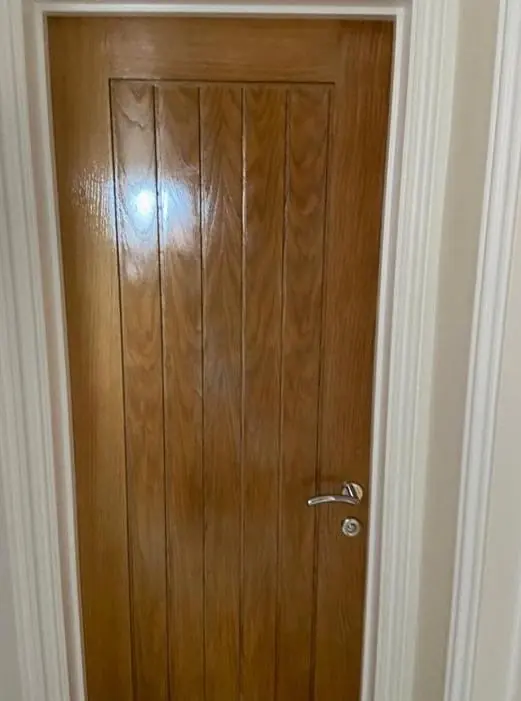
- Picked-out woodwork. Doors, skirtings and architraves painted in a stronger colour than the walls, which suits the plain softwood joinery in most of these houses.
Light, moisture and finish choice
Briar Hill faces north down the Nene Valley, so many rooms rely on soft, indirect light. That suits textured and layered effects: limewash-style walls look their most interesting when light skims across them rather than hitting them full on. It also means darker panelling colours can absorb a lot of the light in a shaded room, so we often suggest a mid-tone rather than a near-black in a north-facing space.
The cooler rooms on the shaded side also dry more slowly, and layered effects need each coat to cure before the next goes on. We allow for that in the programme rather than rushing a glaze onto soft paint. Panelling in a bathroom or north-facing kitchen needs moisture-resistant board and a durable eggshell to cope with condensation.
Briar Hill House and traditional work
The early 19th-century former farmhouse, Briar Hill House, is a different case. It is Grade II listed, built of squared stone rubble with sash windows and a six-panel door with fanlight in a fluted Doric pilaster surround. Traditional finishes would suit it, but any work that alters historic features may need listed building consent, and stone should only ever be coated with something breathable. Before touching original joinery or walls there, the owner should speak to the council’s conservation officer, and we will work to whatever is agreed.
Renters and shared homes
If you rent from a private landlord or from Northampton Partnership Homes at Southwood Hill or Blackberry Lane, panelling and paint effects are a change to the property and need permission first. Painted panelling can be removed later, but it leaves fixing holes to fill.
Our main decorative finishes page covers the wider range of effects we paint. For everything else we do locally, see the Briar Hill area page.
Last updated by Dean, DH Painter & Decorator.