Dean hangs wallpaper and lining paper in the NN6 village of Earls Barton, 6.4 miles from Northampton to the east. Old lias cottages around The Square and West Street usually need lining before any patterned paper, while the later brick houses beyond the core are ready for papering after normal preparation.
Why paper behaves differently in the old core
A pattern only looks right when it runs true from ceiling to skirting. In the lias limestone cottages around The Square, West Street, Park Street and Sunnyside, that is the hard part. These are 17th and 18th century solid-walled buildings, and centuries of settlement, patching and lime plaster leave walls that bow, lean and meet ceilings at angles no square would recognise. Hang a bold geometric straight onto a wall like that and the pattern drifts as it climbs.
So in the old core Dean starts with the walls rather than the roll. He finds the true vertical, works out where the drift will be least noticeable, often a corner behind a door or the edge of a chimney breast, and plans the drops from there. Small-scale and random patterns suit these rooms far better than large repeats, and we will say so at the quote rather than after the paper is up.
Lining first, then the paper you chose
On uneven lime-plastered walls, lining paper does most of the work. A cross-lined base, hung horizontally so its joints never sit under the joints of the finish paper, evens out small hollows, hides hairline cracking and gives the paste a consistent surface to grip. It is far cheaper than replastering, and on a listed wall it avoids disturbing historic plaster at all.
Paper choice matters on solid walls too. Heavy vinyls form a moisture barrier, and the stone cottages here sit on the spring line of the Nene valley side, where lower walls can hold damp. Trap that behind vinyl and you get lifting seams and mould behind the paper. Traditional pulp or breathable non-woven papers are the safer choice, and if a wall is visibly damp we will tell you to sort the cause before any paper goes on.
| Where in the village | Typical walls | What we usually recommend |
|---|---|---|
| Old core: West Street, The Square, High Street, London End | Solid lias, lime plaster, uneven | Cross-lining, breathable papers, small or random patterns |
| Rear extensions on the listed houses | Brick, newer plaster | Sealed plaster, then any paper type |
| Later housing across the rest of the village | Cavity or brick with modern plaster | Normal preparation, feature walls, full rooms |
Feature walls in the later houses
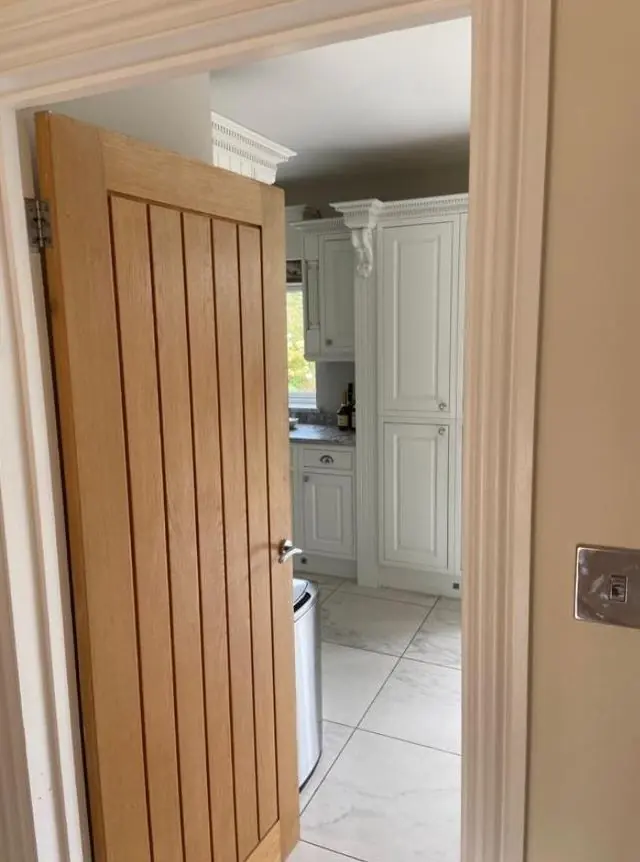
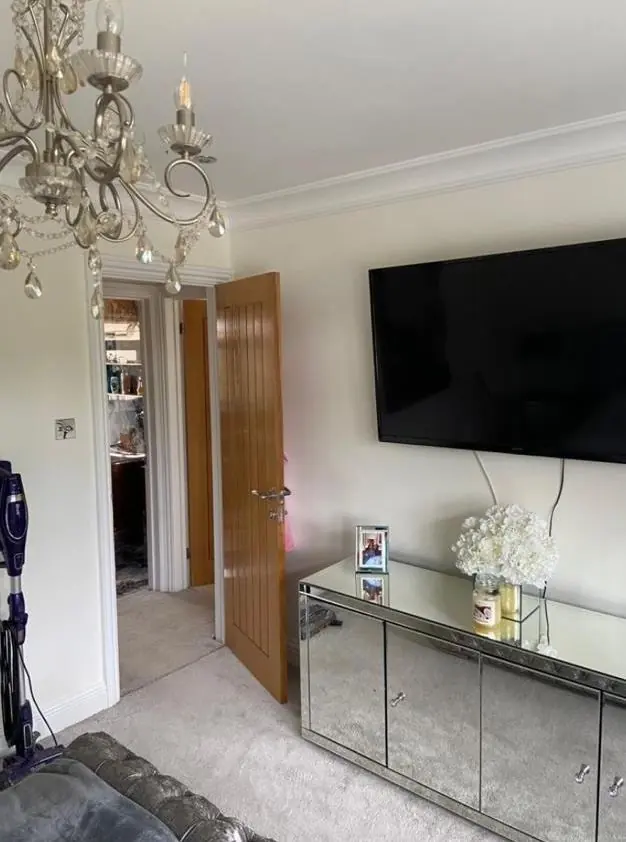
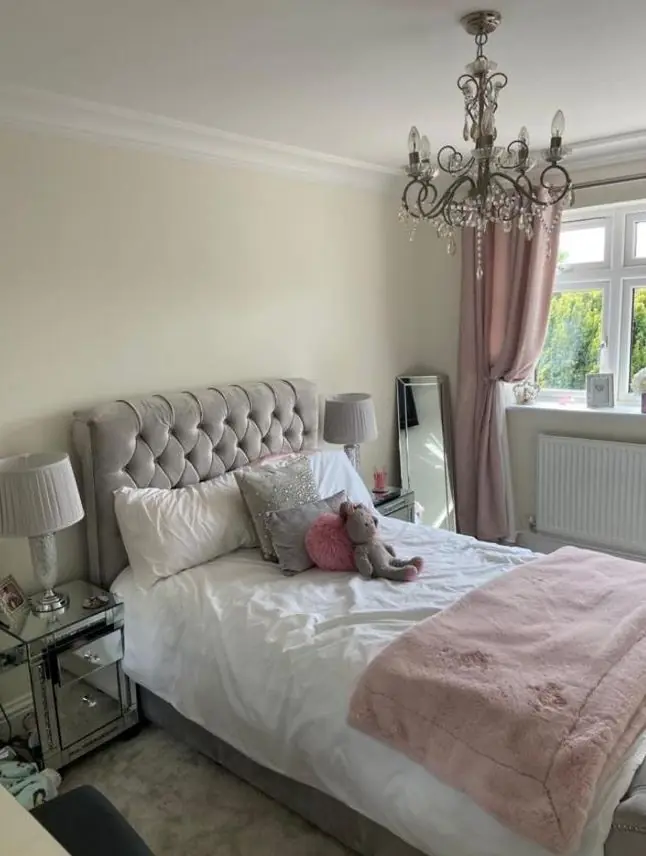
Most people in Earls Barton live outside the conservation area, in later brick houses built as the village grew from just over 2,000 people in 1850 to 5,387 by 2011. Here the walls are usually plastered and reasonably true, so wallpapering is about the design: a chimney breast in a bold print, the wall behind a bed, or a full room in a textured non-woven paper. Stripping the previous owner’s paper is often the longest part, especially where it has been painted over, and our wallpaper hanging service page covers how we strip and prepare before hanging.
Listed rooms and stairwells
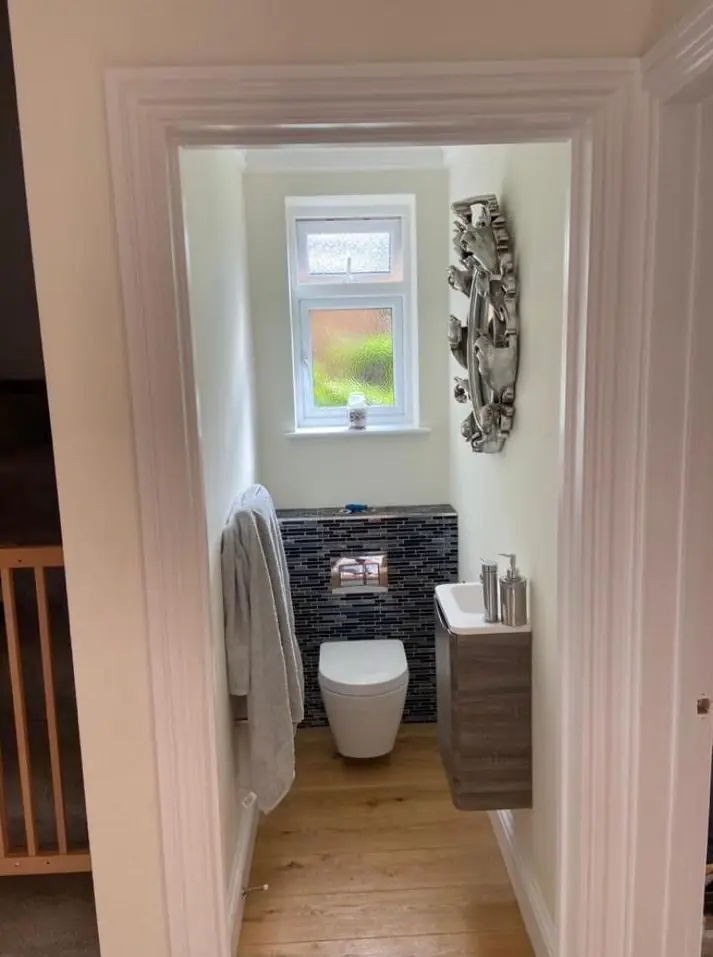
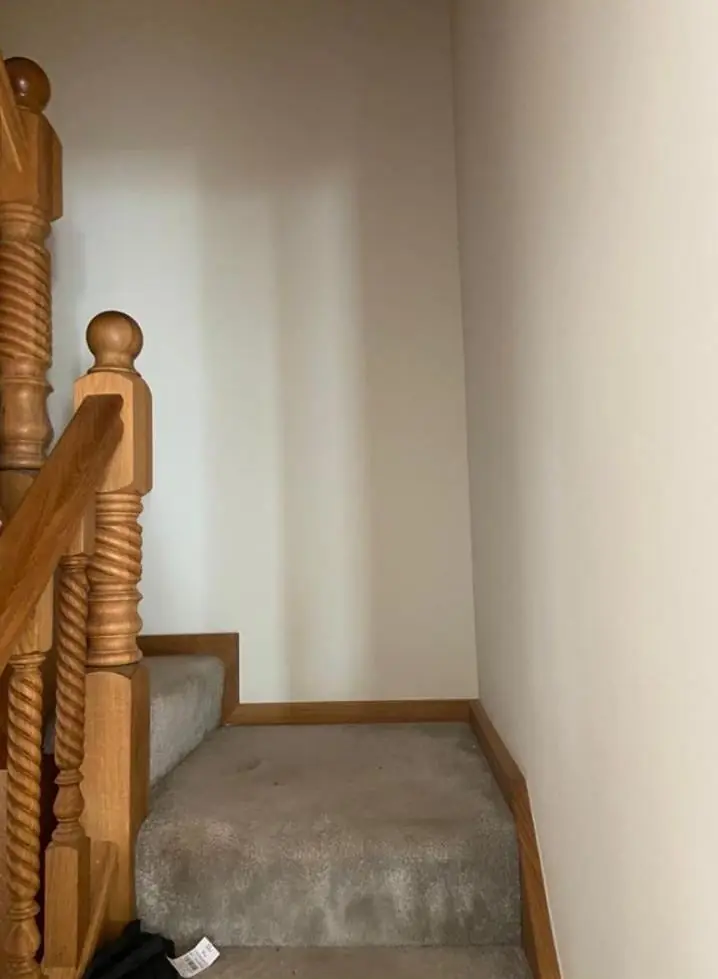
Several houses in the core are listed, and on those ask North Northamptonshire Council before removing anything that could be an early wall finish. Taking down modern paper is rarely a concern; stripping back to something older can be. In the cottages, stairs are often narrow and steep, so papering a stairwell needs a platform that fits the space without resting on the treads, and Dean measures for that on the first visit.
More about decorating in the village is on our Earls Barton page, and our cost guide explains what drives the price of a papering job. Every quote is free and in writing.
Last updated by Dean, DH Painter & Decorator.