Painter & decorator covering Northampton and surrounding areas

Doors, Skirtings & Woodwork in Earls Barton

Hand-painted doors, casements, skirtings and frames in Earls Barton, from timber under old wooden lintels to the standard joinery of later village homes.

  • Over 30 years experience
  • Free quotes & advice
  • Fully insured & trained
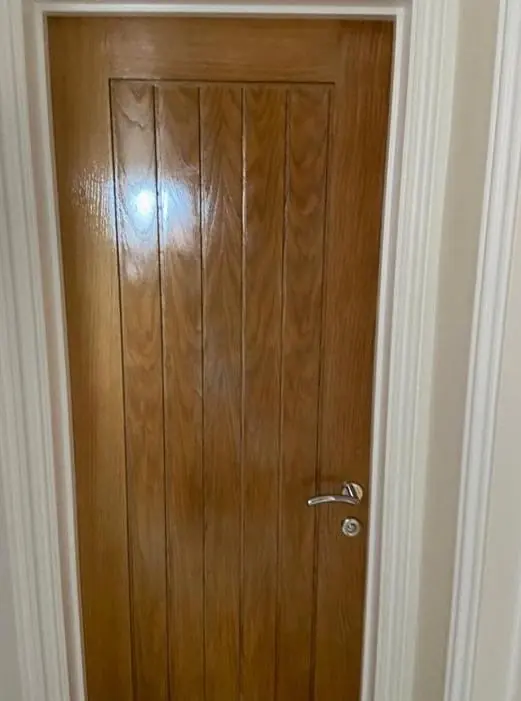
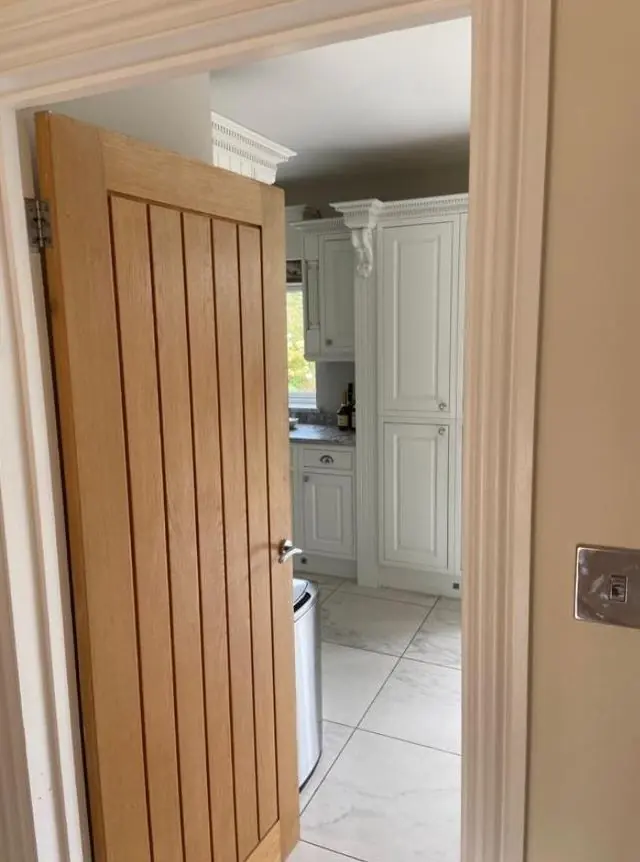
Close-up of an oak door with a lacquered finish beside white gloss architrave

Dean paints internal and external woodwork in Earls Barton (NN6), a 6.4-mile drive east of Northampton. That covers doors, skirtings, architraves, frames and casement windows, with breathable microporous systems on the timber of the 18th century lias cottages and conventional finishes in the later houses.

Casements and lintels in the old core

Walk along West Street, past The Square and up High Street and the joinery tells you the age of each house before the stone does. The 17th and 18th century cottages and former inns have casement windows set under wooden lintels, a few with leaded lights, and front doors sitting straight onto the footway. That timber has spent two or three centuries moving with the seasons inside a soft limestone wall. It is rarely square, often patched, and in places held together by a century of paint.

On these houses Dean starts by finding out what is already on the wood. Thick, brittle layers of old oil gloss crack along the grain and lift at the joints, and a fresh coat on top only adds weight to a failing film. Where the old paint is sound we key it and build on it. Where it has let go we take it back to firm timber, check the putty and the bottom rails for soft spots, and prime bare wood before anything else goes on.

Why microporous paint, and why by hand
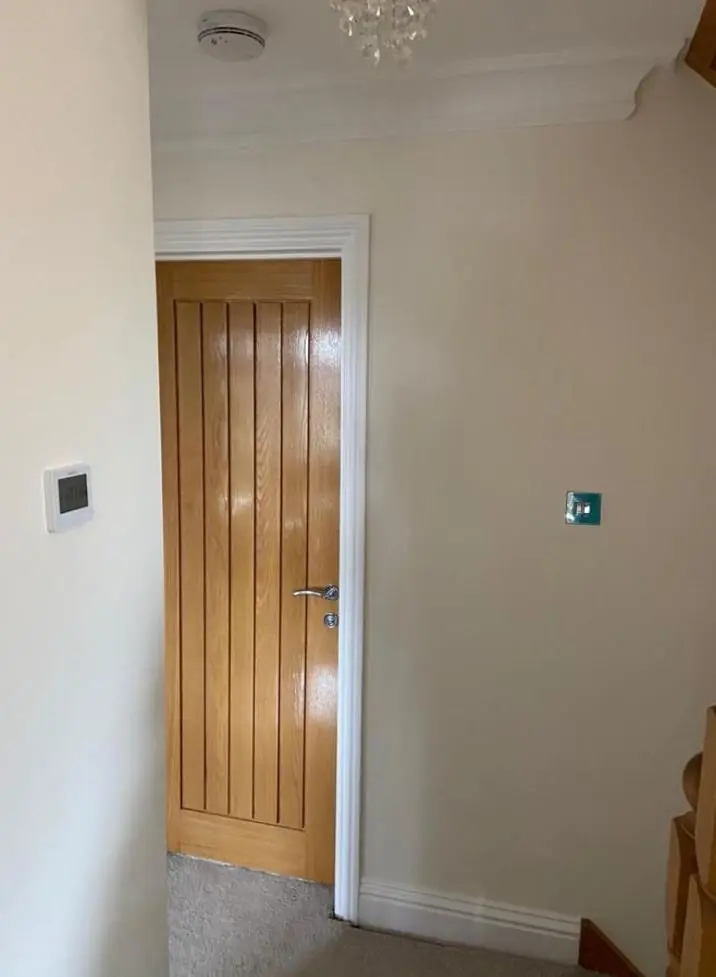
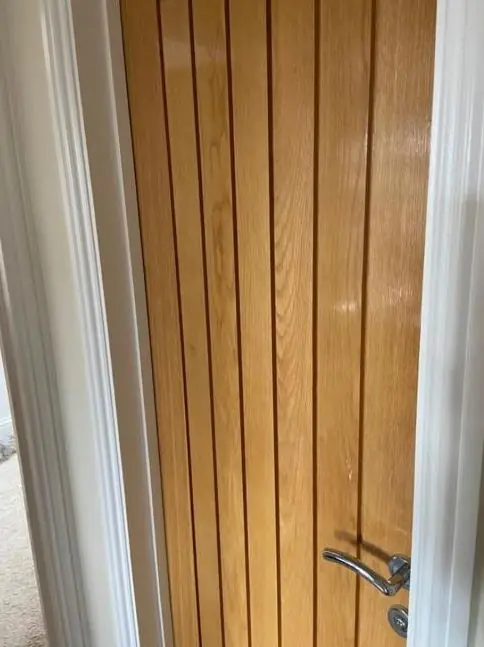
Landing wall painted warm cream around an oak door with white gloss architrave

A wooden lintel bedded in lias, or a casement in a wall that sits on the Nene valley spring line, has moisture reaching it from behind as well as from the weather. A hard, sealed gloss traps that moisture in the timber, and the result is blistering and rot under paint that still looks intact from the street. Microporous paints flex with the wood and let it dry out, so that is the system we use on this joinery.

Everything on these frames is cut in with a brush. Leaded lights, narrow glazing bars and old putty lines leave no room for spraying, and masking tape can pull loose putty straight out. Brushing also lets us follow the slightly irregular lines of hand-made joinery rather than fighting them. On a listed cottage, keep to the existing joinery colour until the council has seen any proposed change; a straight repaint rarely raises questions.

Skirtings that meet uneven stone walls

Inside the old houses, skirtings and architraves are fitted against solid walls that bow and lean. The gap between board and plaster opens and closes through the year, so a single bead of hard decorator’s caulk will often split by the next winter. We fill these gaps with a flexible filler suited to the movement, and on very uneven runs we judge with you whether a neat shadow line looks better than a gap filled flush.

The other common job is where a later brick extension at the back of a listed house meets the stone front. New softwood skirtings and doors in the extension sit beside old, much-painted joinery in the original rooms. We match sheen and colour across the two so the change from old to new is hard to spot, but we prepare and prime each according to what it is.

Joinery in the later brick houses
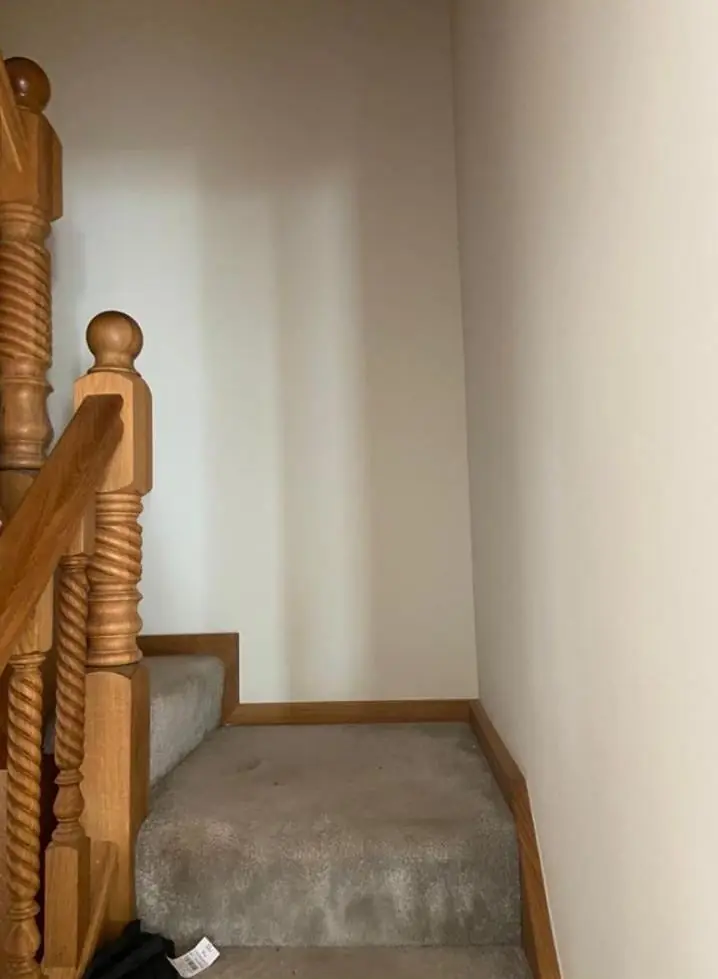
Staircase with oak barley-twist spindles and newel post, walls painted soft cream

Away from the historic core, where most of Earls Barton’s 5,000-plus residents live, the houses are later and brick-built. Here the woodwork is conventional: machined skirtings, flush or panelled internal doors, softwood or hardwood frames. Jobs are usually about wear rather than history. Scuffed skirtings along a busy hallway, yellowed oil gloss on doors, sticky handle areas and doors that rub after one coat too many.

For these we normally recommend a water-based satin or eggshell that stays white and dries quickly, and we take edges back so doors still close cleanly. The step-by-step preparation is on our main doors, skirtings and woodwork page, and our cost guide explains what affects the price of woodwork-only jobs. Other services in the village are listed on our Earls Barton area page.

Last updated by Dean, DH Painter & Decorator.
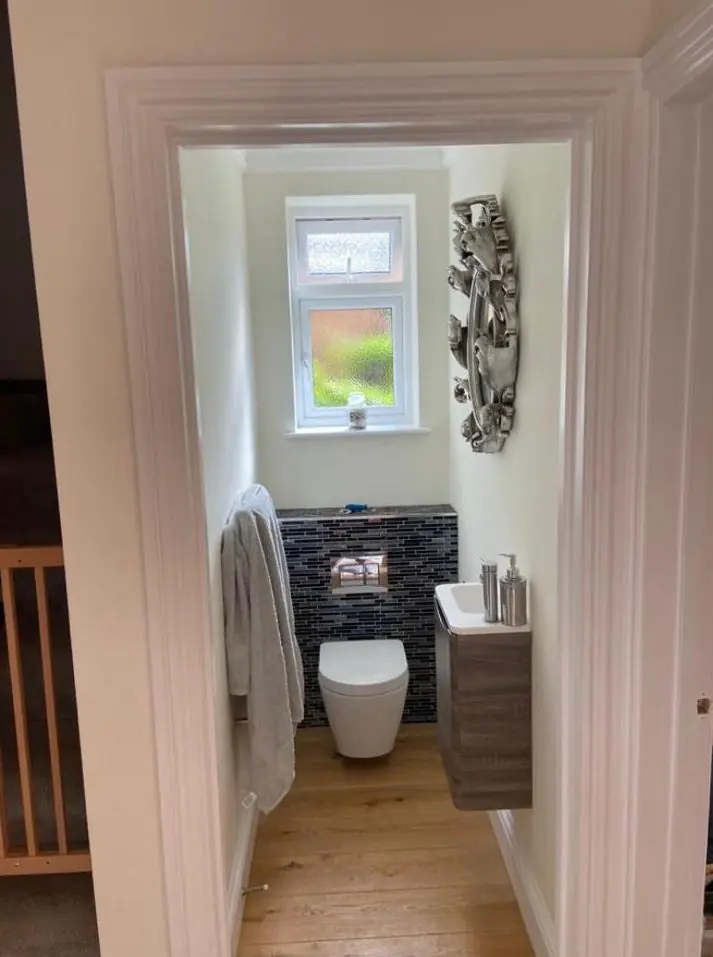
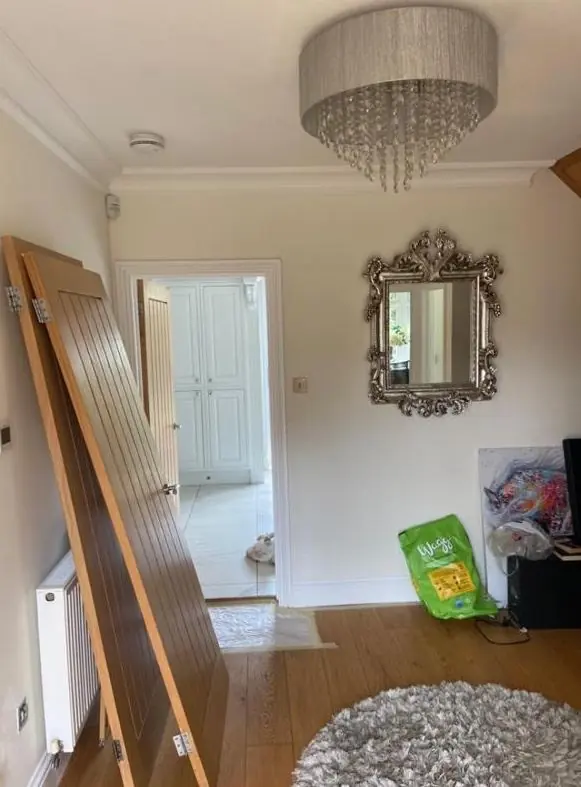
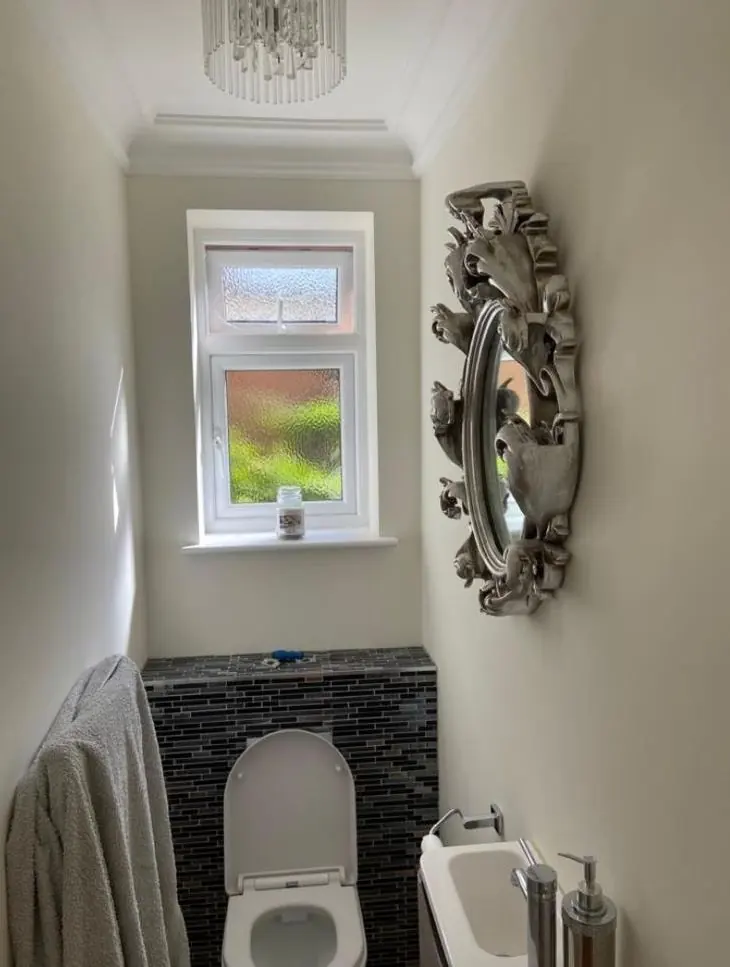
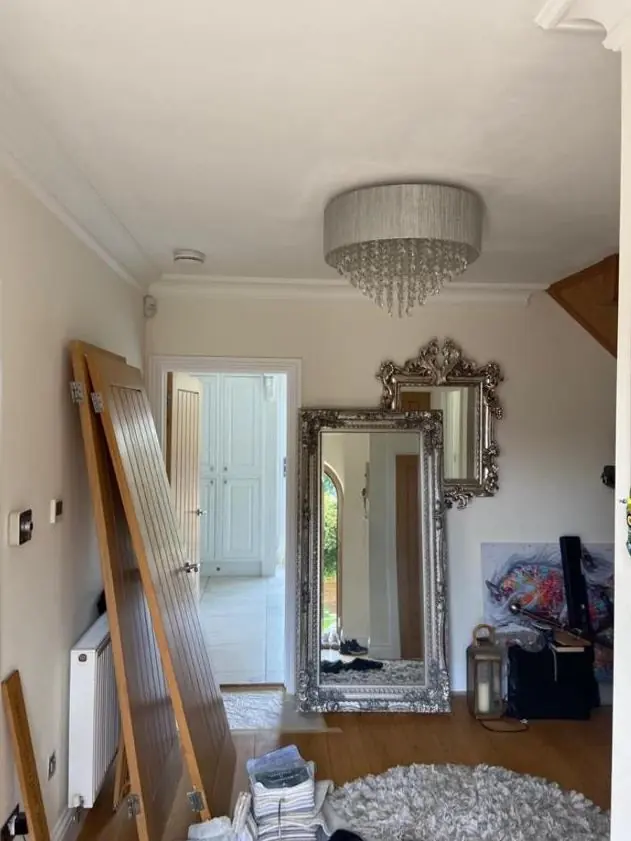
Cloakroom WC seen through a white-painted architrave, cream walls and gloss woodwork finished Hallway with crystal chandelier and cream walls, new oak doors waiting to be hung Cloakroom with cream walls, white coving and window frame painted, ornate mirror hung Hallway with chandelier and ornate mirrors, cream walls painted and oak doors propped ready Oak cottage-style door varnished to a high-gloss sheen within a white painted frame Oak door opening onto a kitchen, with off-white walls and freshly glossed frame

Doors, skirtings & woodwork in Earls Barton: your questions answered

Can't see your question? Call us on 07539 779 036 and we'll happily talk it through.

What paint should go on the casement windows of an old lias cottage in Earls Barton?

A microporous paint is the usual choice. These casements sit under wooden lintels in solid limestone walls on a spring-line site, so damp can reach the timber from inside the wall. Microporous paint lets that moisture escape and flexes as the wood moves, where a hard gloss would trap it and lead to rot hidden beneath sound-looking paint.

Can I change my front door colour on a listed house on West Street or The Square?

Repainting in the existing colour is normally fine. Changing the colour on a listed building can count as a change to its character and may need consent, so put the question to North Northamptonshire Council's planning officers first. Dean can repaint like-for-like straight away and leave any change of colour until you have their answer.

Why does the caulk keep cracking along my skirting in an old Earls Barton house?

Solid stone walls are rarely flat, and the gap behind the skirting opens and closes with the seasons. Ordinary decorator's caulk is too stiff for that movement on old walls. We use a more flexible filler and, where the wall is badly out, discuss leaving a tidy shadow line instead of forcing a flush finish.

Will you just paint the doors and skirtings in my newer Earls Barton home?

Yes. A woodwork-only job is common in the later brick houses: doors, frames, skirtings and architraves refreshed without touching the walls. We usually suggest a water-based satin or eggshell that stays white, and we ease door edges so they still close properly once the new coats are on.

What customers say about Dean

Most of our work comes from recommendations and returning customers. These are real reviews from customers after the job was finished, in their own words.

More customer reviews

After completing my gates I was then assured Dean was more than competent to repaint the inside of my property from top to bottom. It’s a large 4 bedroom house and was done to a very high standard. Once again I would highly recommend him.

Customer review Gates, then a full four-bedroom interior

I contacted Dean to get the outside of the house painted; the house is all roughcast render. He has done a fantastic job; the house is looking brand new. The same he did for our garage, painted our bedrooms x2, did extra jobs for us like skirtings and door frames, and painted even our gates. I could not recommend him enough; he is attentive, smiling, always on time, and nothing too much; I am so happy with what Dean has done; he went above and beyond. I have recommended him to all my friends and family.

Read full review
Customer review Roughcast render, garage, bedrooms and gates

Dean did a great job for a good price i'd be very happy to recommend him always on time polite and friendly.

Customer review Painting and decorating

Start your project

Get a free painting and decorating quote

Tell us a little about the job and we'll arrange a visit to look at it properly. Quotes and advice are always free, with no obligation.

What happens next

  1. We get back to you to arrange a convenient time to visit.
  2. Free visit. We look at the job and talk through colours, finishes and any repairs.
  3. Written quote. A clear price covering preparation, materials and the finish we agreed.

Request a free quote

Please enter your name.

Please check your email address.

Please enter a valid phone number.

Prefer to talk? Call 07539 779 036.

Call 07539 779 036Call nowFree quote