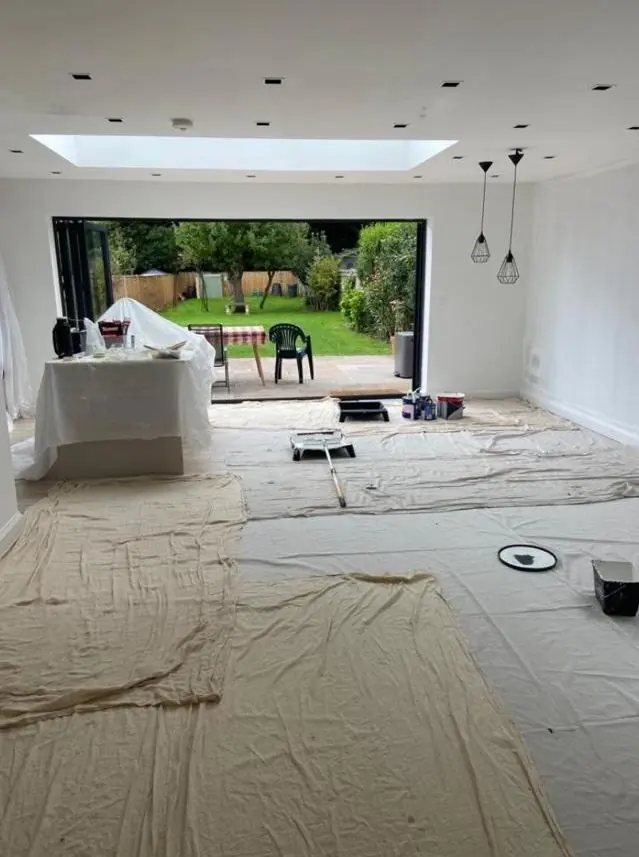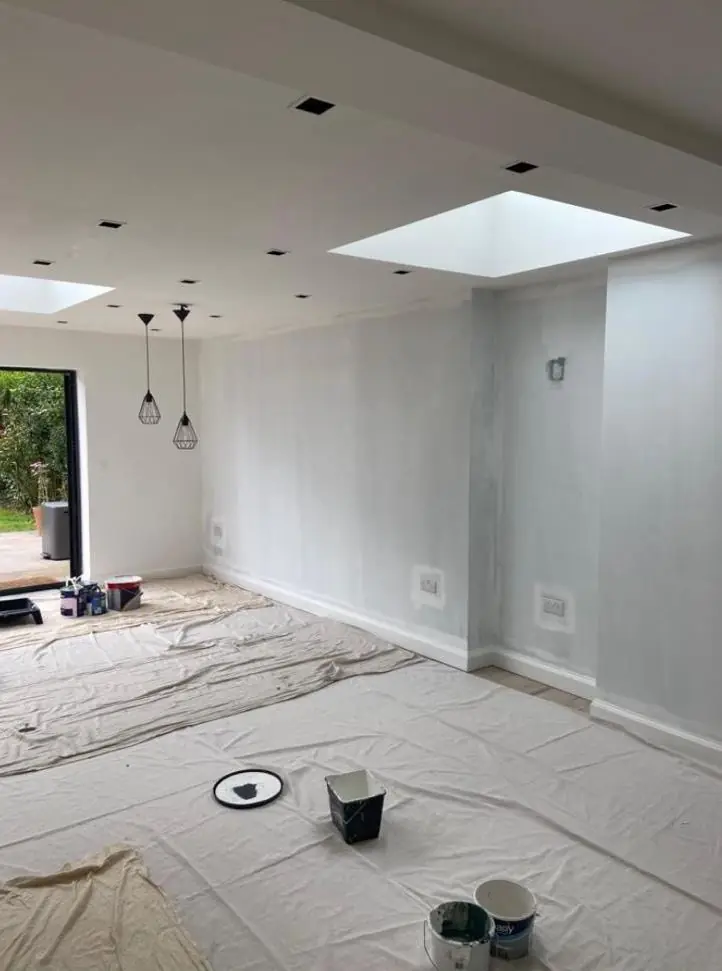
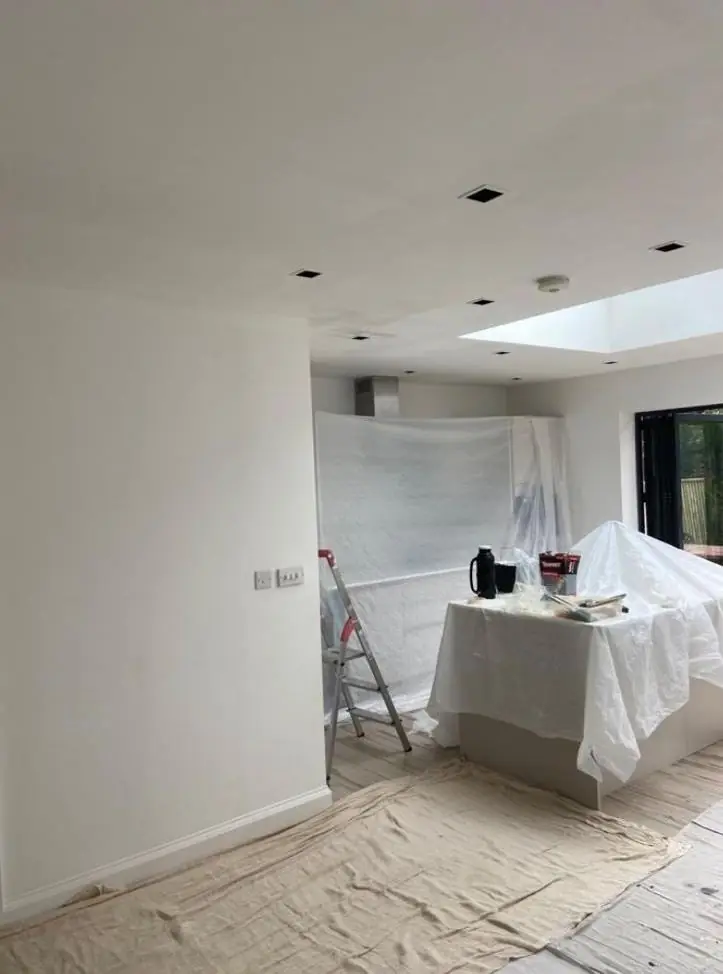
Dean carries out commercial painting in Gayton, the NN7 village on the ridge south-west of Northampton. Its working buildings include the Eykyn Arms, a garage, Gayton Marina, a care home, the primary school, the village hall, stables, kennels and farms, and each job is phased around the people who use it.
No shops, plenty of working buildings
Gayton has no shop, so commercial painting here has nothing to do with a high street. The village’s businesses are a mix: the Eykyn Arms pub, a garage, Gayton Marina on the Grand Union Canal with its narrowboat storage, repair and hire, a stables and riding school, boarding kennels, a care home, working farms, Gayton Church of England Primary School and the village hall. Each has its own users, hours and surfaces, and the painting plan starts from those rather than from a standard commercial schedule. We reach Gayton by van from Northampton, under five miles away.
Fitting the work around the people inside
| Premises | What shapes the timing |
|---|---|
| Primary school (around 57 to 60 pupils) | Classrooms and halls usually painted in the school holidays, with low-odour paints and rooms fully dry before children return |
| Care home | Residents stay in, so work is phased room by room with low-odour, quick-drying products and clear routes kept open |
| Pub | Bar and dining areas worked around opening hours, often in sections so trading carries on |
| Village hall | Booked around the hall’s lettings so booked groups aren’t displaced |
| Marina and garage | Workshops and offices phased so repairs and boat hire carry on |
We agree a schedule with whoever manages the building before anything starts. Phasing is planned within normal working hours, which is why an early conversation helps, especially for school holidays that book up.
Canal-side and farm buildings
The marina sits where the Northampton Arm leaves the Grand Union main line at Gayton Junction, and buildings beside water contend with damp air, condensation inside workshops and algae on outside timber. Paint lasts longer on those surfaces when it goes onto a properly washed, treated and dried substrate, and when the system suits the conditions: moisture-tolerant primers on timber, anti-mould finishes in damp interiors and metal primers on steel doors and framing. The boats themselves are a specialist trade, so our part at a canal-side site is the buildings, doors, fencing and fixed structures rather than hulls or cabins.
Stables, kennels and farm buildings raise a different issue. Surfaces that animals touch or chew need suitable non-toxic coatings, and block walls in wash-down areas need finishes that cope with frequent cleaning. The ridge-top setting also exposes walls facing north-west and north-east to the weather, so outside work on those elevations is better planned for the drier months.
Old rural buildings, new business use
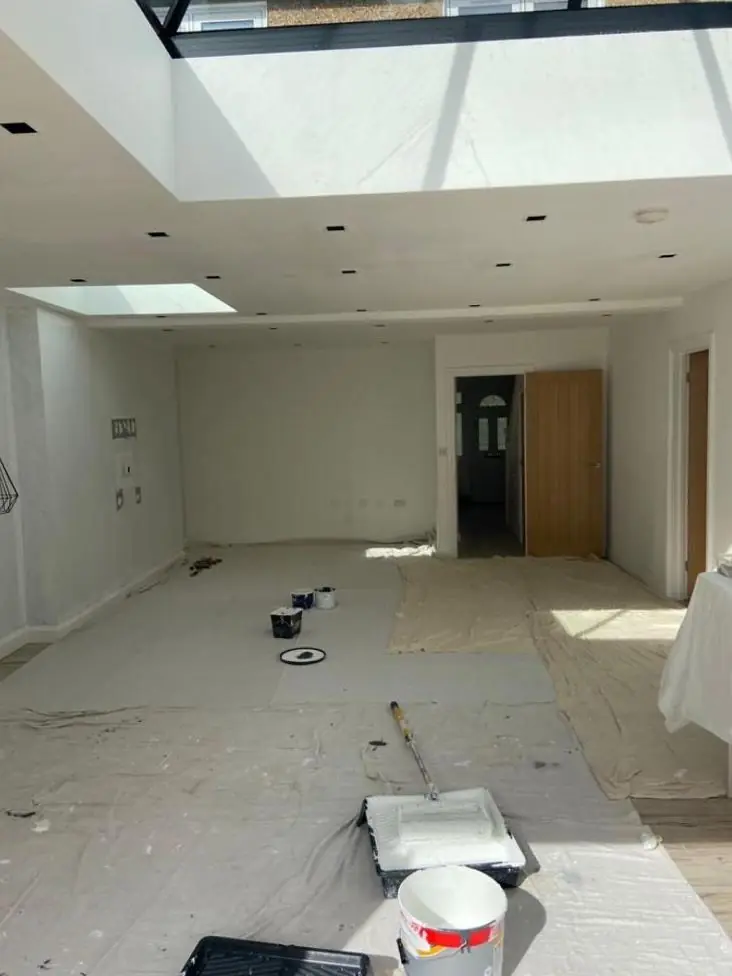
Gayton’s neighbourhood plan supports re-using rural buildings for business and records hopes for a farm shop, a café and a new village hall. The plan also notes that many residents are self-employed or run micro businesses from home. A converted barn or store used as an office or workshop typically needs new plaster mist-coated, old timber cleaned and sealed, and hard-wearing finishes where work actually happens. If the building is in the conservation area, outside colours should suit the historic core, and any listed structure may need the council’s consent before its finish is changed.
Getting a quote
Our main commercial painting page explains how we plan and phase work on business premises. For background on the village, see the Gayton area page. If you are comparing contractors for a school, hall committee or care provider, our guide to choosing a painter and decorator lists the questions worth asking about insurance, paperwork and references. Ring Dean on 07539 779 036 to arrange a site visit and free quote.
Last updated by Dean, DH Painter & Decorator.