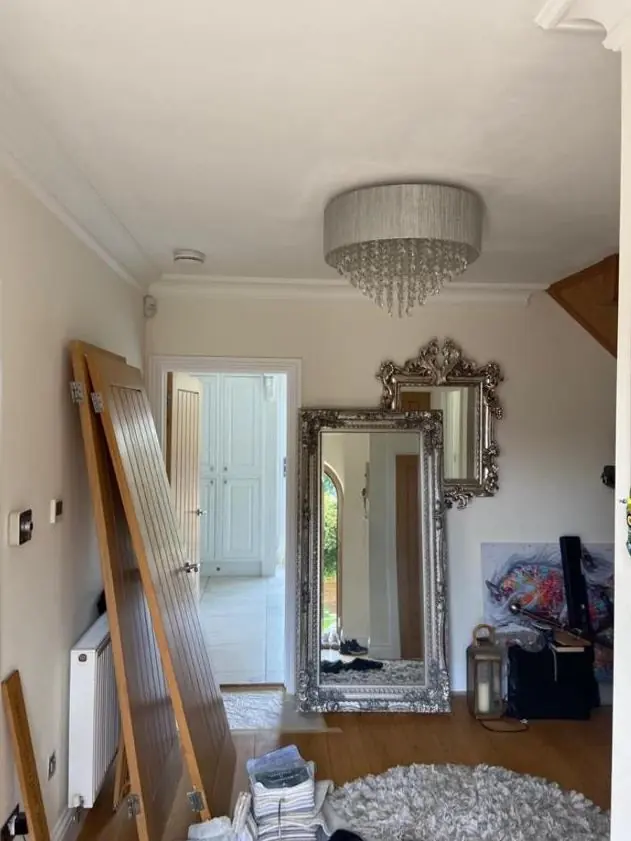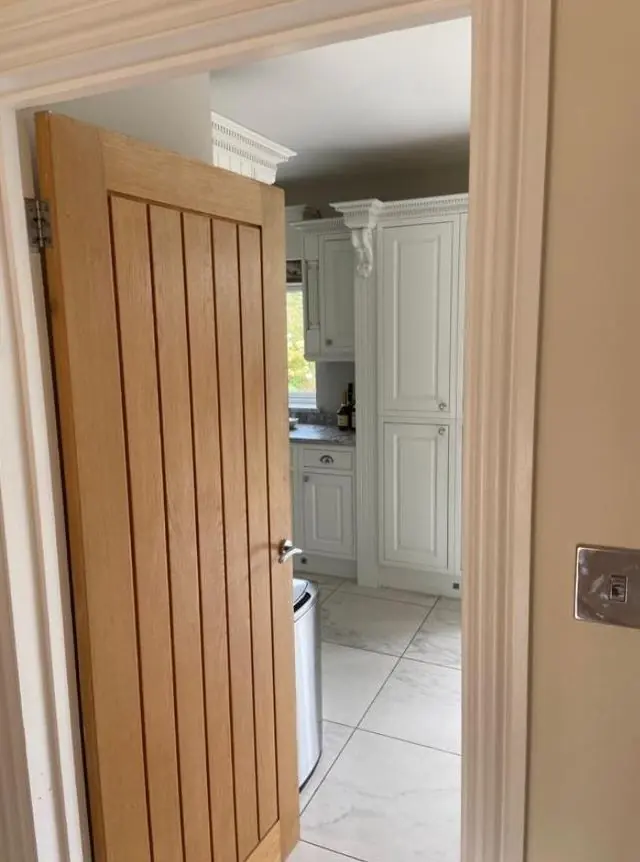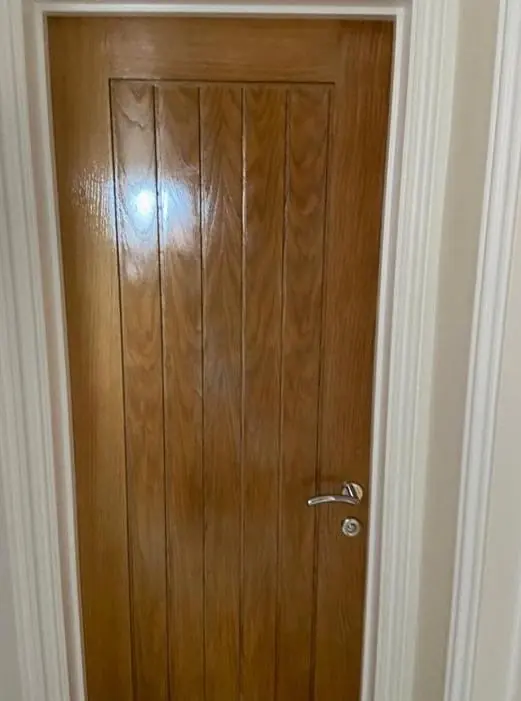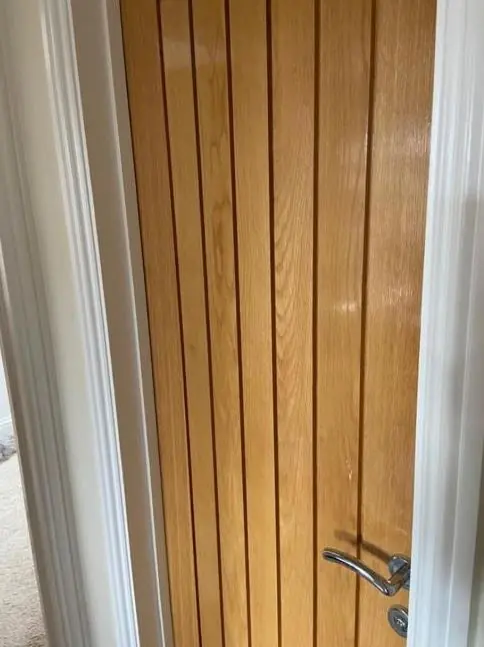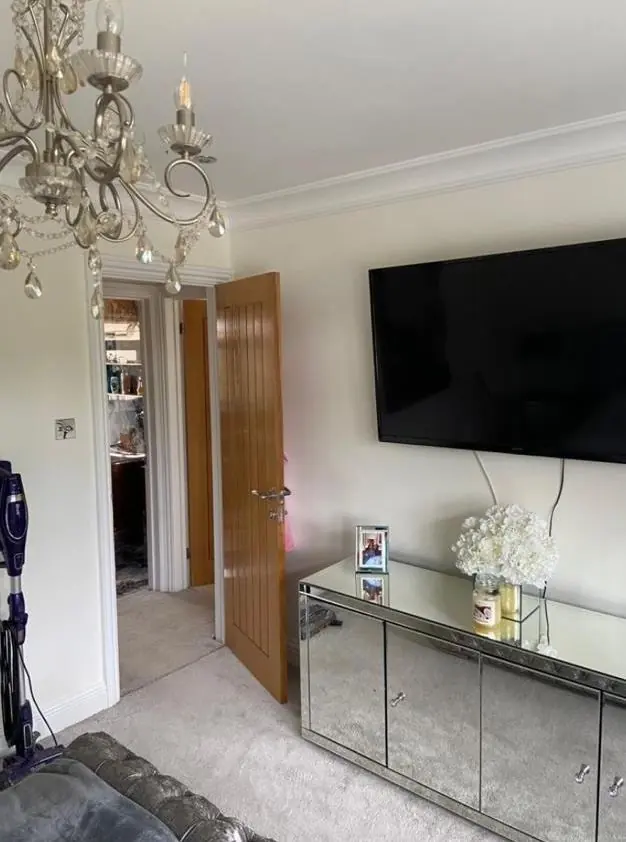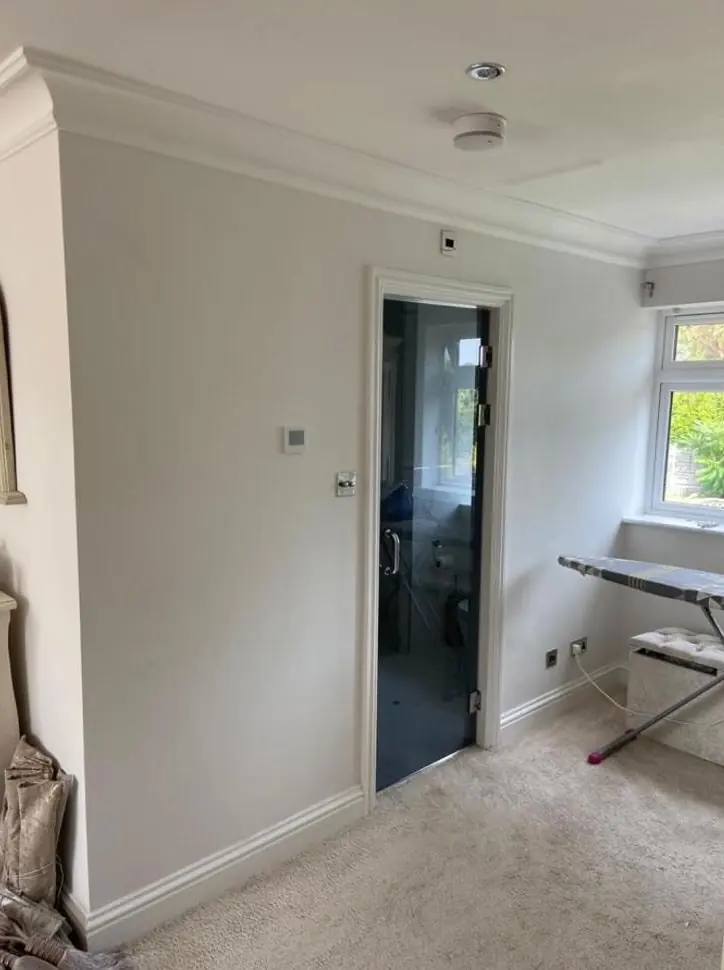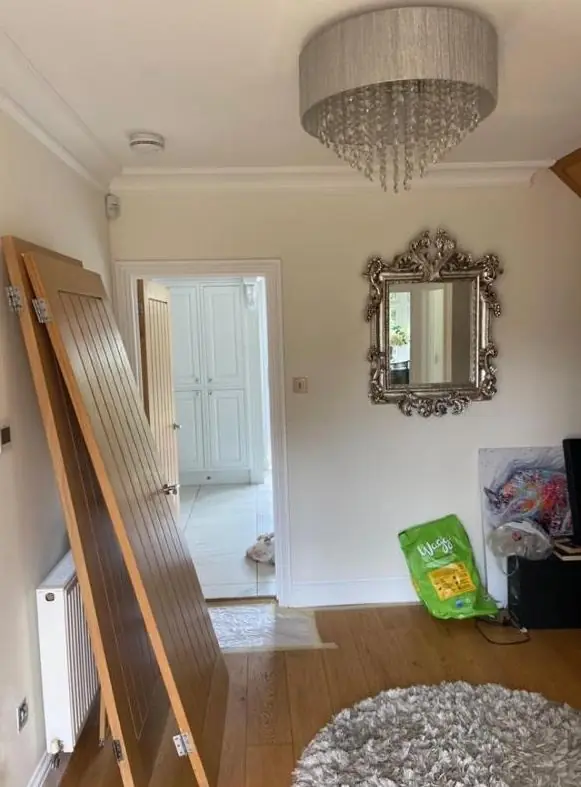
DH Painter & Decorator applies decorative and traditional finishes in Gayton, NN7, from our Northampton base. In the village's older stone farmhouses that mostly means limewash, flat distemper-style paints and sympathetic work on panelling and joinery; in newer homes it can mean feature walls and paint effects.
Finishes that belong to the older houses
Before modern emulsion, the walls and ceilings of houses like Gayton’s 17th- and 18th-century farmhouses were finished with limewash or distemper. Both give a soft, chalky surface that changes slightly with the light, and both let a solid stone wall breathe. In a room with lime plaster over limestone rubble, going back to one of these finishes is both a decorative choice and a practical one.
Limewash is built up in several thin coats and dries noticeably lighter than it goes on. It can be tinted with earth pigments, which suit the ochres and browns of ironstone. It suits rough or uneven plaster and stone well, but it rubs a little and is not washable, so it fits a sitting room or bedroom better than a busy hallway. Modern flat, distemper-style paints give a similar look with more durability. They are often the compromise in rooms that see more wear.
Panelling, pilasters and period joinery
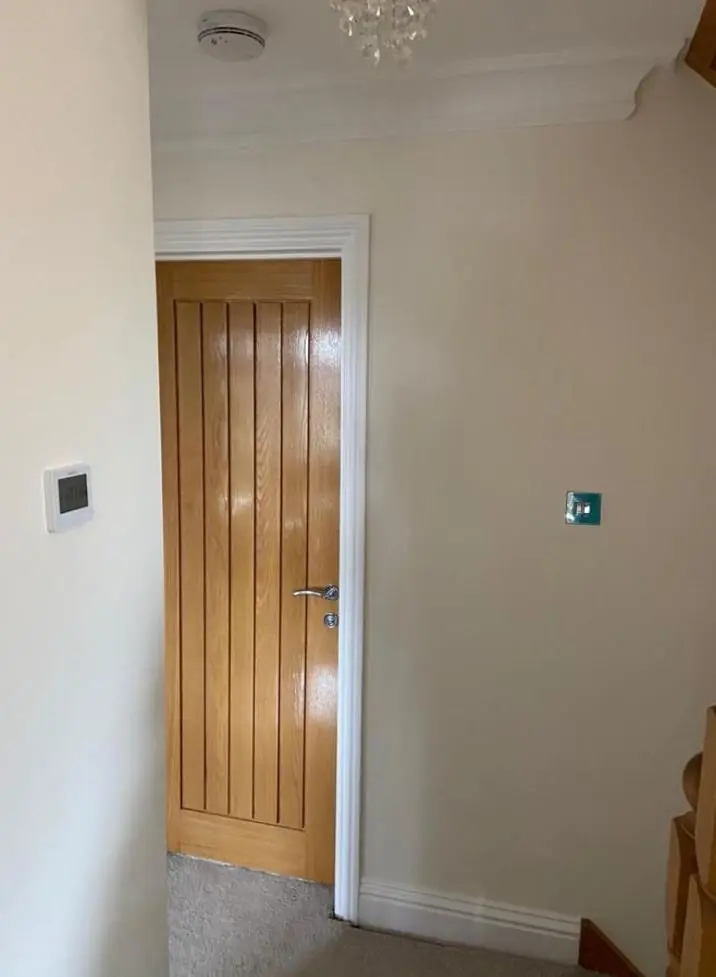
The listing descriptions for Gayton’s Grade II houses record front doors framed by timber pilasters under dentilled pediments at Home Farmhouse and Evergreen Farmhouse. Inside, older houses have panelled rooms, moulded beams and period staircases. Joinery like that often carries many layers of old paint that soften the mouldings. Decorative work here is usually a matter of restraint:
- Removing only loose and failing paint, so crisp detail comes back without stripping to bare wood
- Picking out mouldings or panels in a second, close tone rather than a strong contrast
- Choosing a traditional oil-based or linseed paint where the existing finish calls for it
- Recording any graining or earlier decorative scheme found under later coats before going over it
Where period woodwork shows signs of an old grained finish, a graining-sympathetic treatment can bring it back to the original intent. Whether that is appropriate depends on the house and its listing.
Consent comes before the brush
Gayton Manor carries a Grade I listing, the highest grade, with The Weir, Evergreen Farmhouse, Home Farmhouse and Beech House at Grade II. Decorative work on a listed interior is the area most likely to need consent from the council under the listing. That applies especially to stripping historic finishes, painting previously unpainted panelling or stone, or switching to a finish of a different kind. Even a change that moves a room closer to its original finish, such as limewash in place of modern emulsion, should be put to the council first. Outside, the conservation area adds its own expectation that the historic core keeps its character.
Stone fireplaces and beams
Stone fireplaces and moulded spine beams are features of Gayton’s older interiors, and the decorative decision is often to leave them alone. Bare stone is not painted. Previously painted stone can be refreshed in a breathable mineral paint, but removing paint from soft limestone has to be done gently, because aggressive stripping damages the surface. Beams with old dark stain or paint are sometimes cleaned back, but that is specialist work. We would tell you if it needs someone else.
New homes: a different kind of decorative work
Gayton’s recent infill houses and the consented barn conversion have no historic finishes to respect, which opens up modern options. These include a strong feature wall, a two-tone split at dado height, colour-drenched snug rooms, or paint effects built up in glazes. In a barn conversion, exposed timber framing can be left natural and set off with flat colour on the plaster between.
The range of effects and how they are applied is described on our main decorative finishes page, and choosing tones for old stone houses is covered under colour advice. Other services in the village are listed on the Gayton area page.
Last updated by Dean, DH Painter & Decorator.