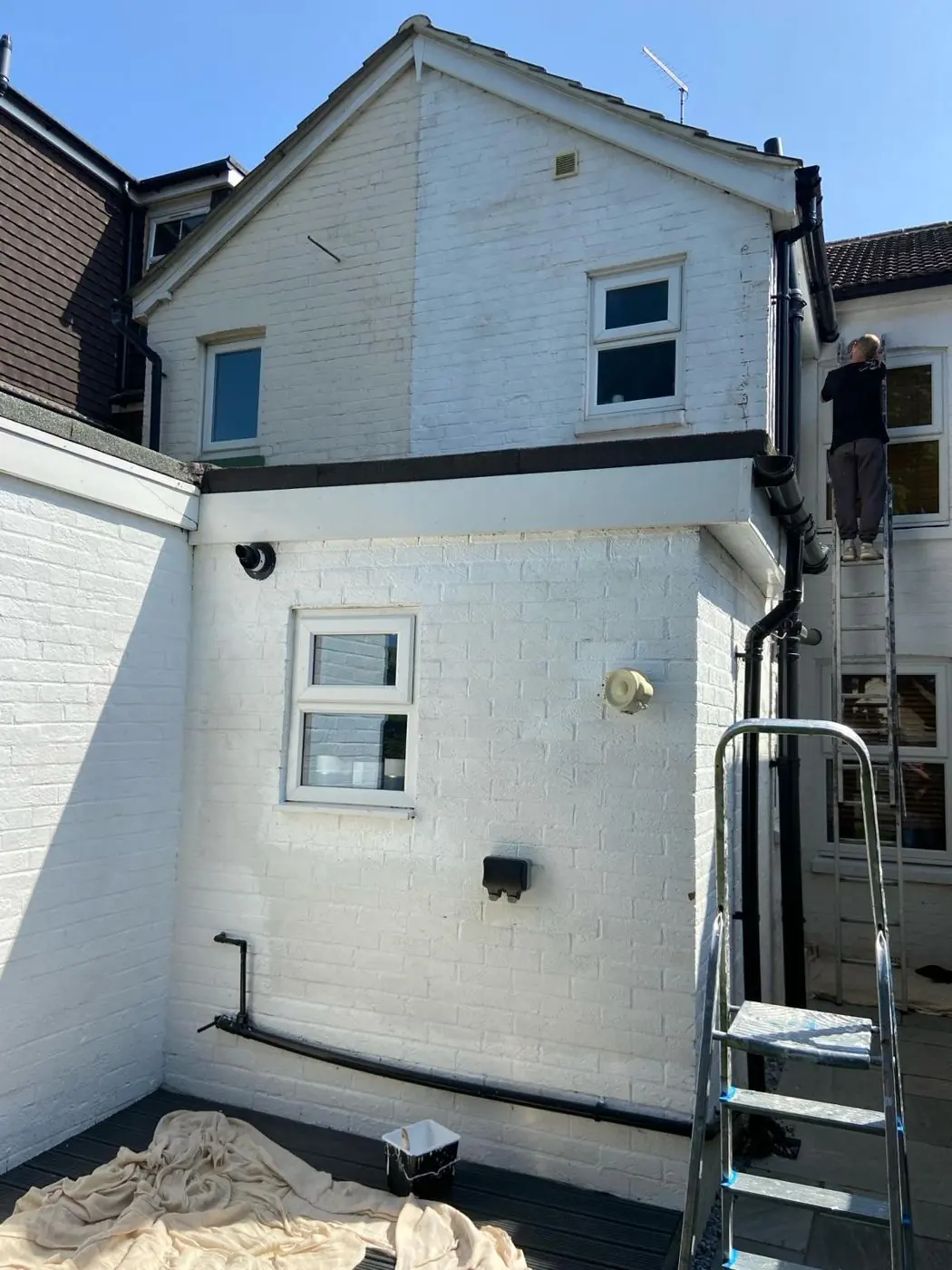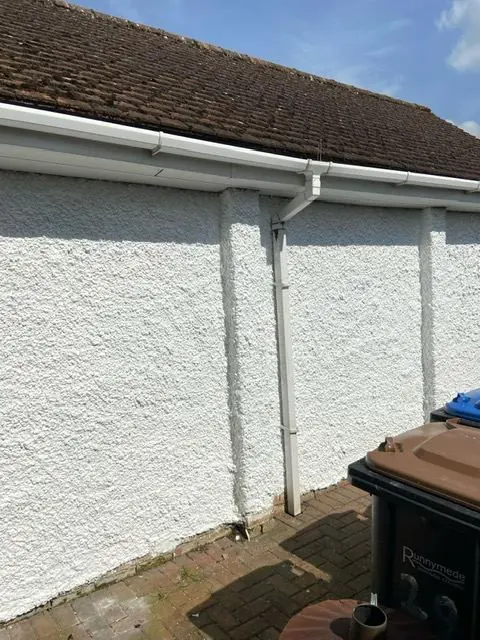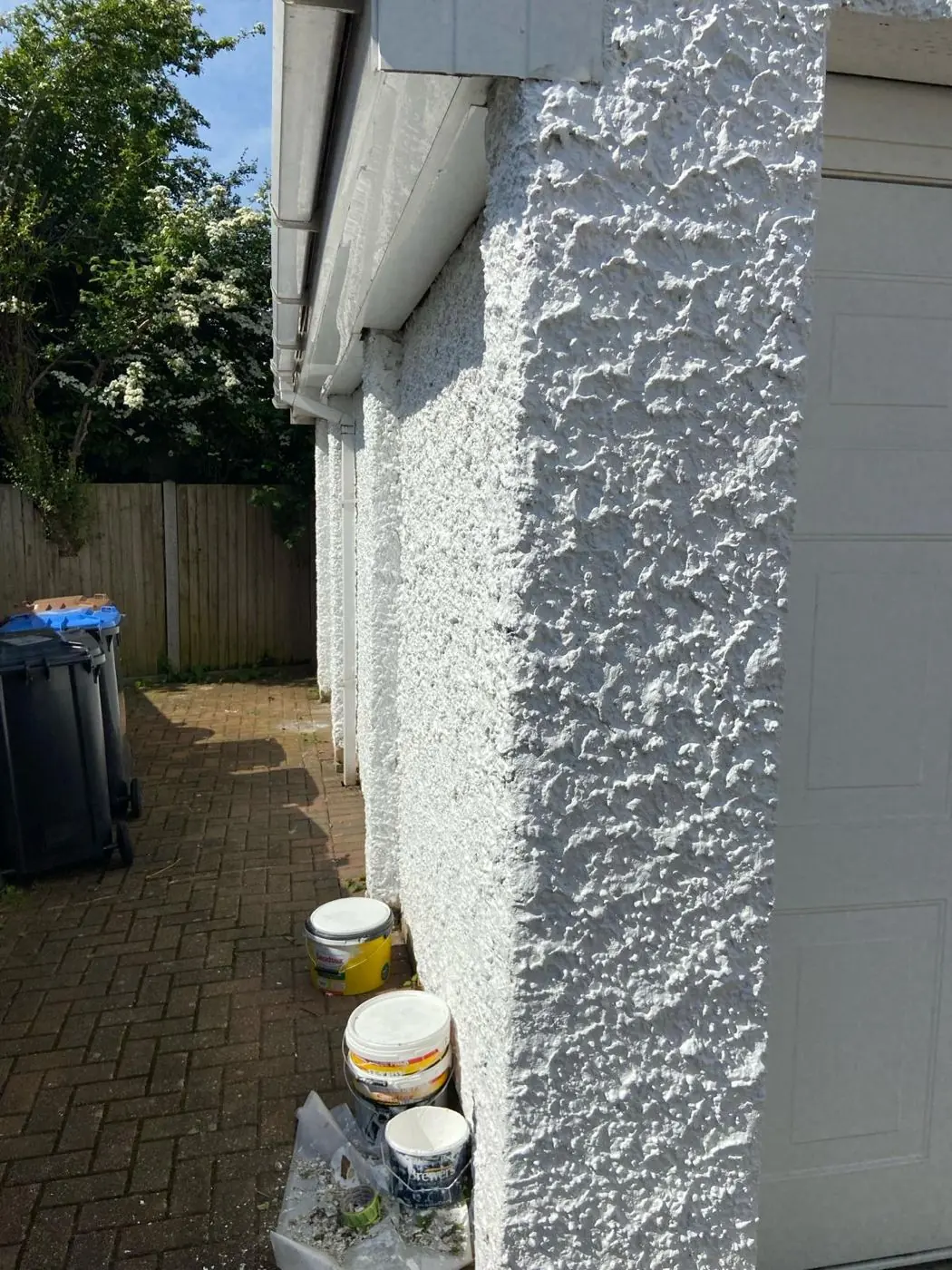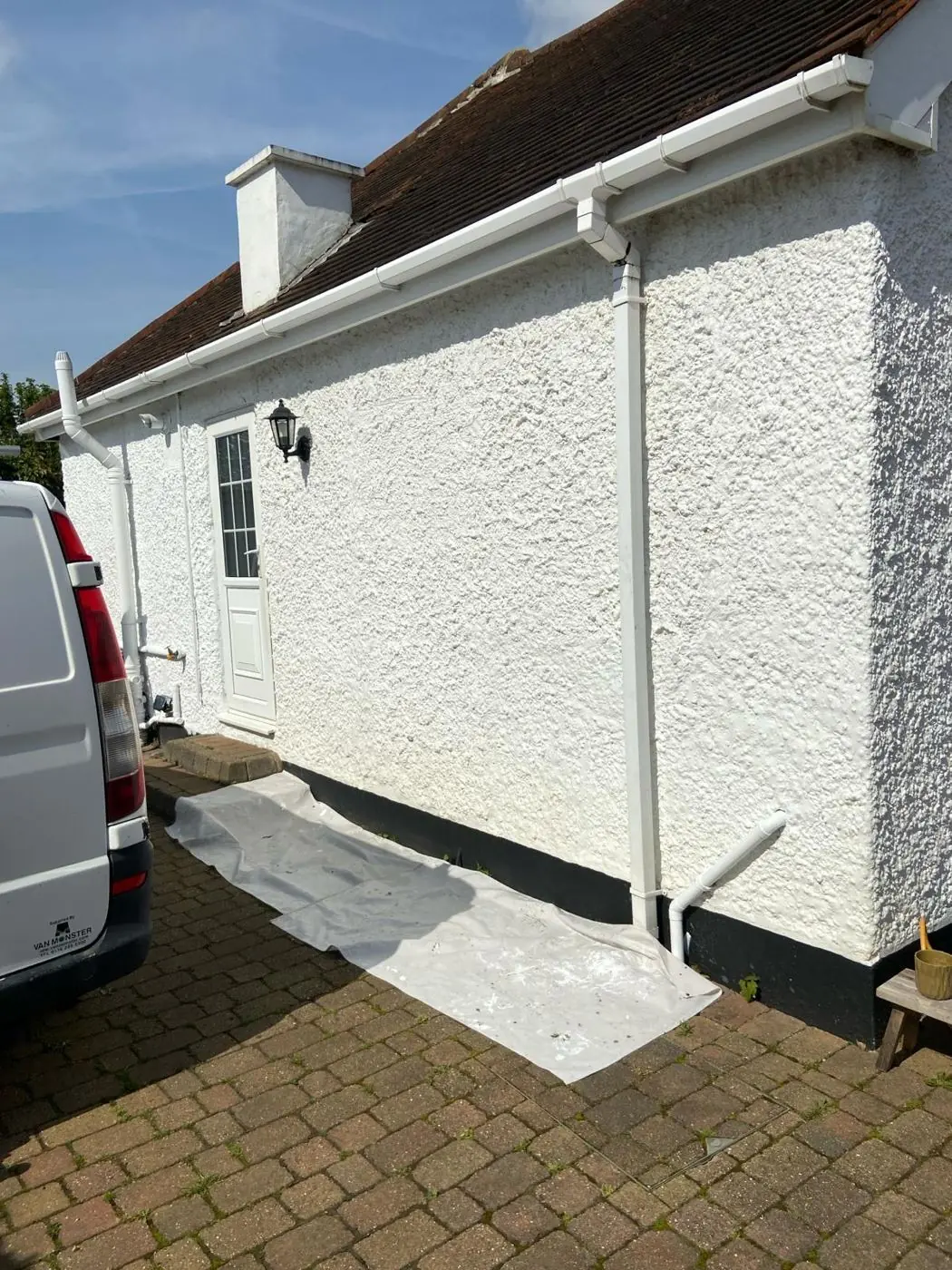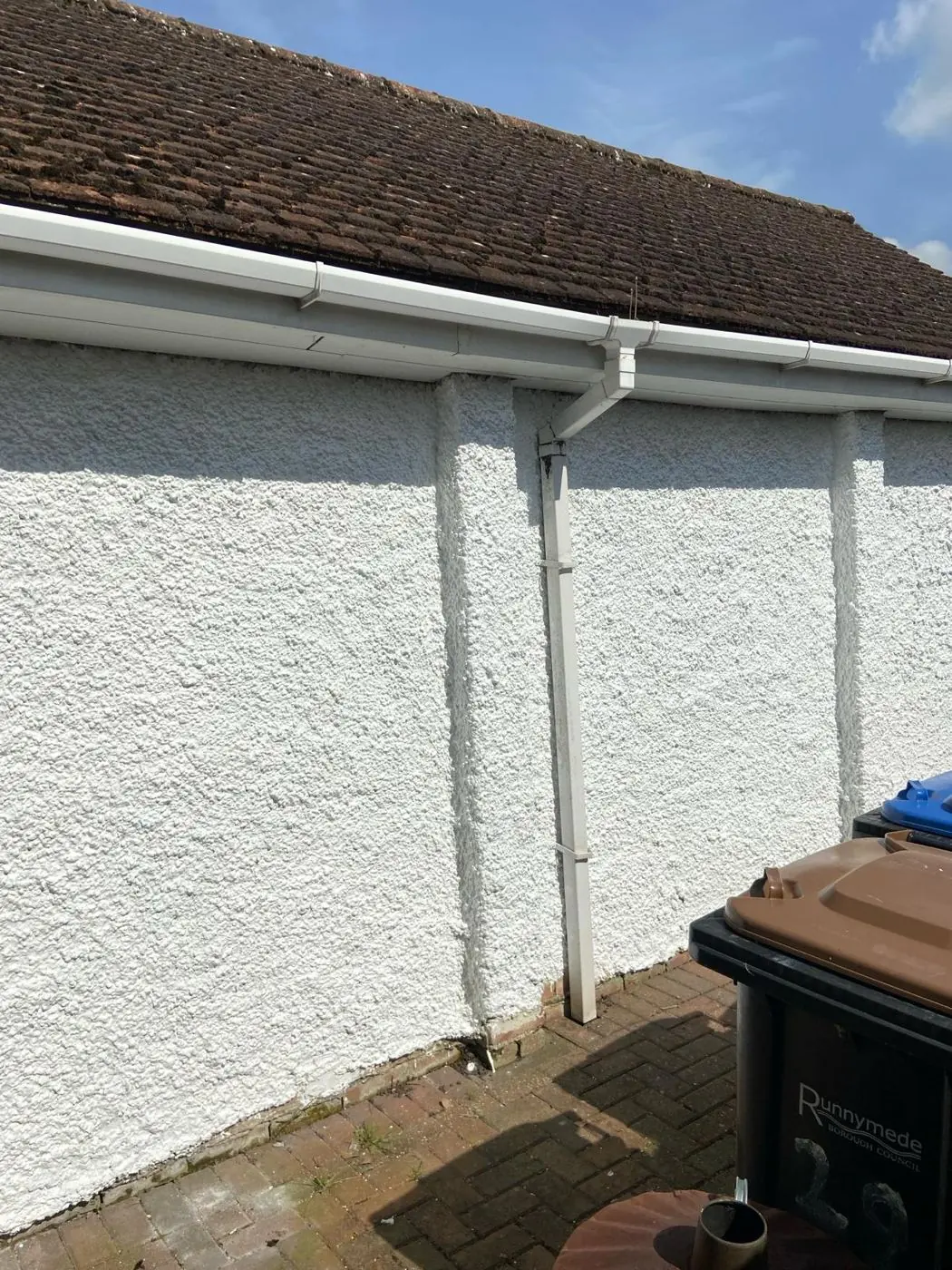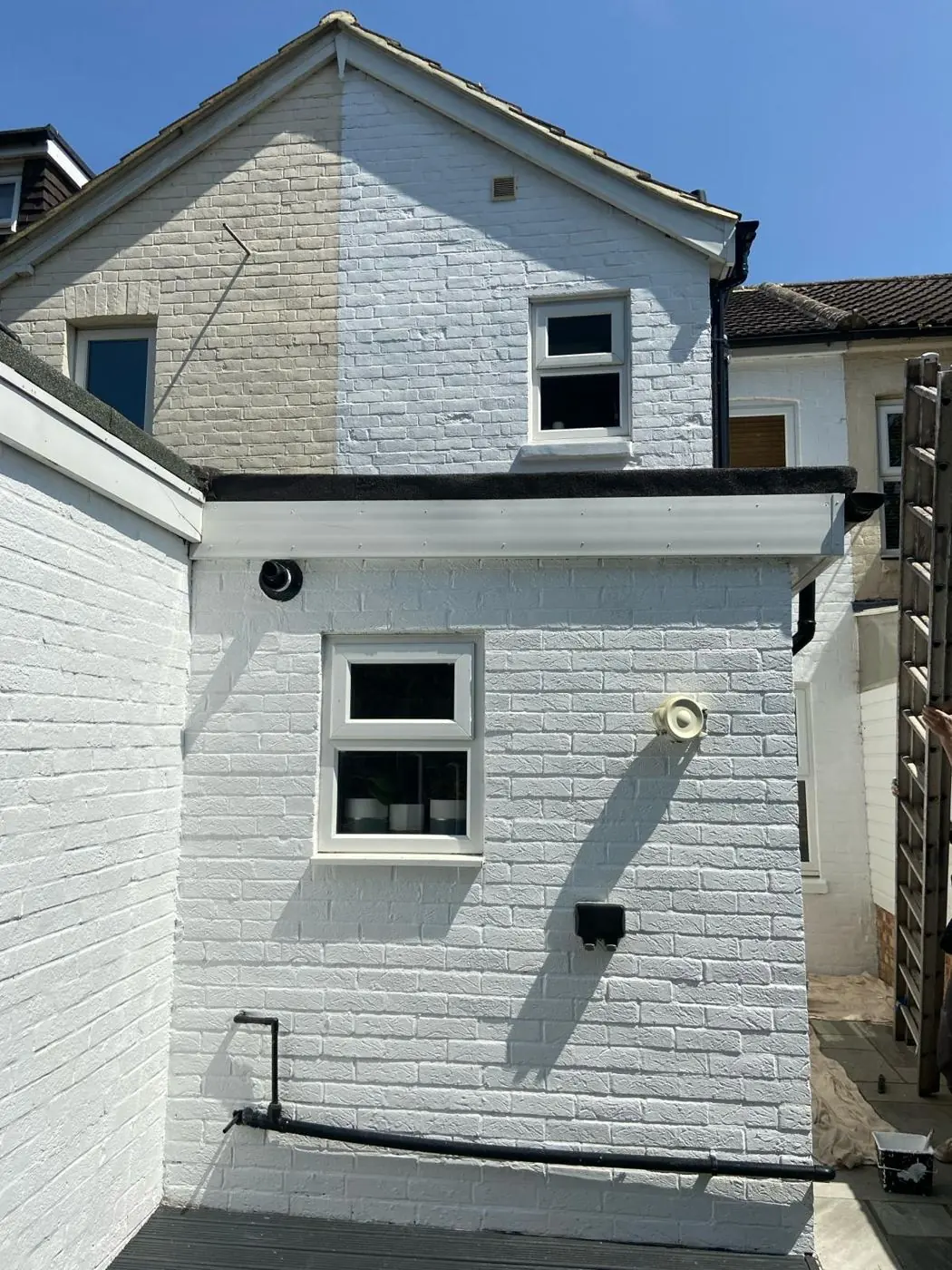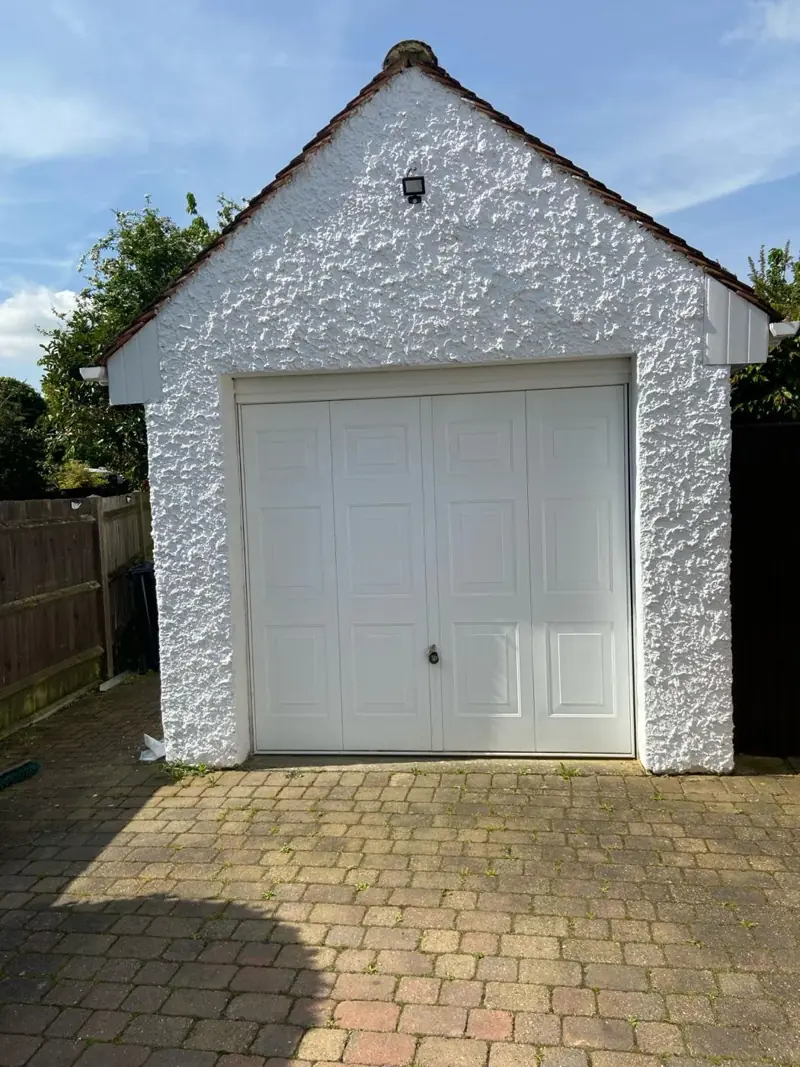
Dean covers render and masonry painting in Hackleton, about 4.7 miles south-east of Northampton on the B526. Often the honest advice on the village's lime-mortared stone cottages is to leave the stone unpainted. On rendered or previously painted walls elsewhere in the village, we prepare and coat them with a breathable masonry system.
Why the answer on Main Road is often no
The historic core of Hackleton is built of pale buff limestone laid to courses in lime mortar, with ironstone used for banding, quoins, window heads and gable copings. Walls like these were built to take in damp and let it out again. Sealing their face with a plastic acrylic masonry paint can trap that moisture behind the film, and then it comes out as blistering paint, crumbling mortar or damp patches inside. That is why, on most of the stone frontages around Pine Trees Farmhouse and the White Hart, our advice is to leave the stone as it is and put the effort into the joinery.
If a stone wall has already been painted, we do not just add another coat of the same. First we find out what is on it. Where it is a modern masonry paint that is failing, the options are careful removal, or recoating with a breathable mineral or lime-compatible product. A blanket coat of something that seals the wall is not one of them.
Ironstone bands and dressings
The darker ironstone is one of the things that makes these buildings what they are. Hackleton House has ironstone dressings, the White Hart is laid in bands of limestone and ironstone, Pine Trees Farmhouse is coursed ironstone banded with limestone, and Yew Tree Cottage has ironstone heads and sills. If any masonry work goes on near them, those features are masked and cut in around by hand, and never painted over. Any paint already sitting on ironstone needs looking at case by case before anyone decides to remove it, because harsh cleaning can damage the stone.
Brick around Chapel Lane
The Victorian buildings around Chapel Lane, towards the village hall, including the Vicarage, the School House and the Manse, are red brick with stone bands and lintels, and the Jetty Cottages of about 1720 use an early, irregular brick. Bare brick of this kind is normally left as it is. What tends to need paint is the stone lintels and sills where they were painted in the past, plus plinths and garden walls that already carry a coating.
| Wall in Hackleton | Usual approach |
|---|---|
| Coursed limestone in lime mortar, Main Road | Leave bare; if already painted, breathable mineral or lime-compatible finish only |
| Ironstone quoins, heads, bands | Mask and cut around; never coat |
| Victorian red brick, Chapel Lane area | Leave bare; paint previously painted lintels, sills and plinths |
| Rendered or painted walls on later estates | Clean, repair, stabilise, then breathable masonry paint |
Render on the post-1939 estates
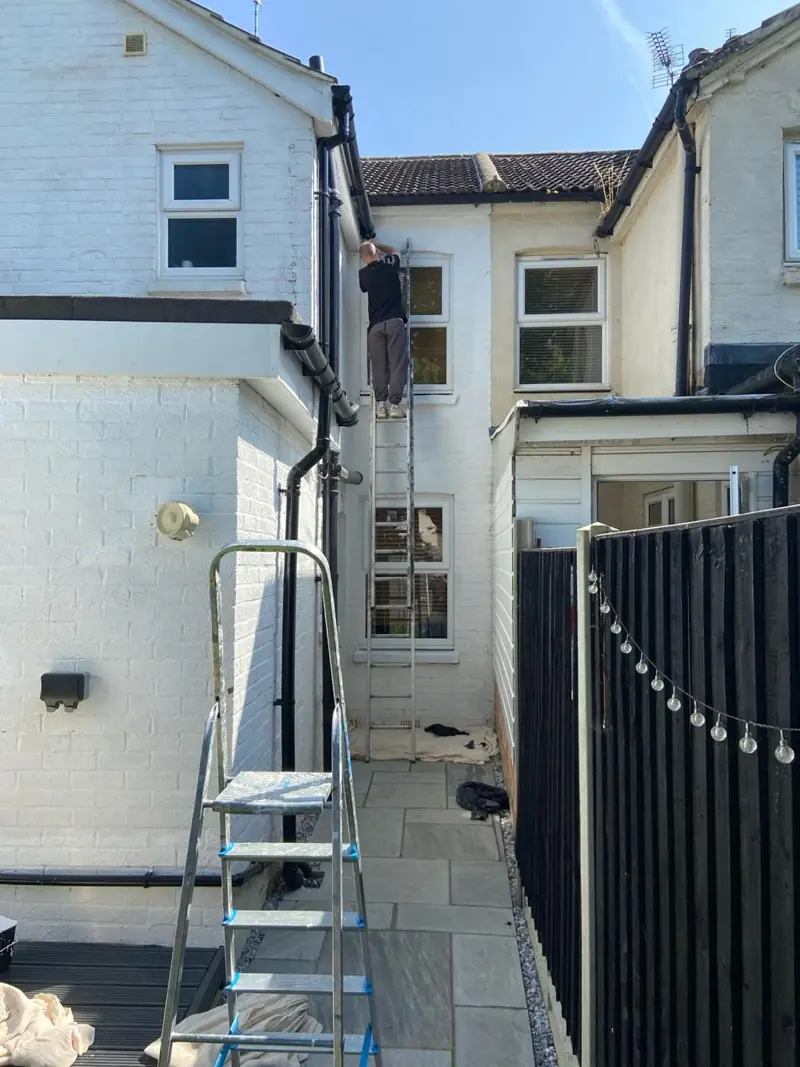
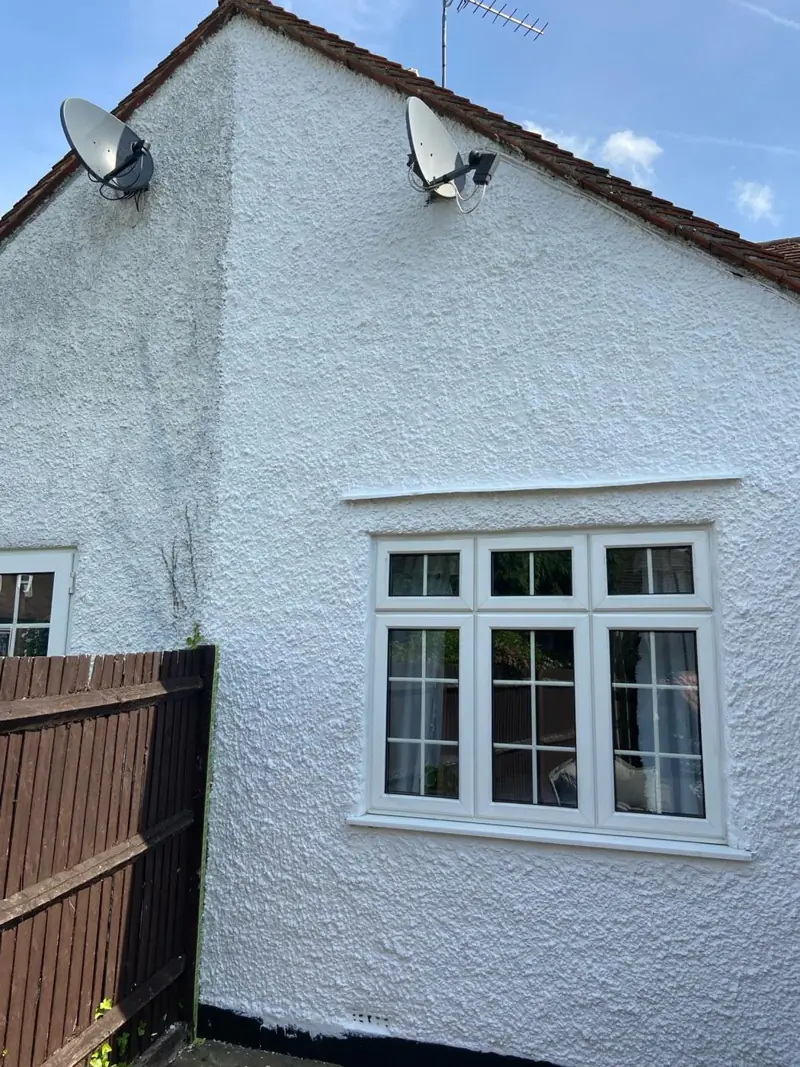
The sources we use for Hackleton do not record what the cul-de-sac estates behind Main Road are built of, and most will be brick. Where a house or extension there has been rendered or has had its masonry painted, it is a normal render job: wash off green growth, rake out and fill cracks, stabilise any chalky surface, then two coats of masonry paint. Gable ends that face the open farmland around the village take the weather hardest, so we check them closely for cracks and loose patches.
Wet ground matters too. The village sits on clay and marl, and its brooks are flood-prone, so we look for damp at the base of walls before coating them and leave the bottom course clear where a coating would hold water. Our guide to painting render and roughcast covers the preparation in detail, and the method we use across the area is on the render and masonry painting service page. For other work in the village, see the Hackleton overview.
Last updated by Dean, DH Painter & Decorator.