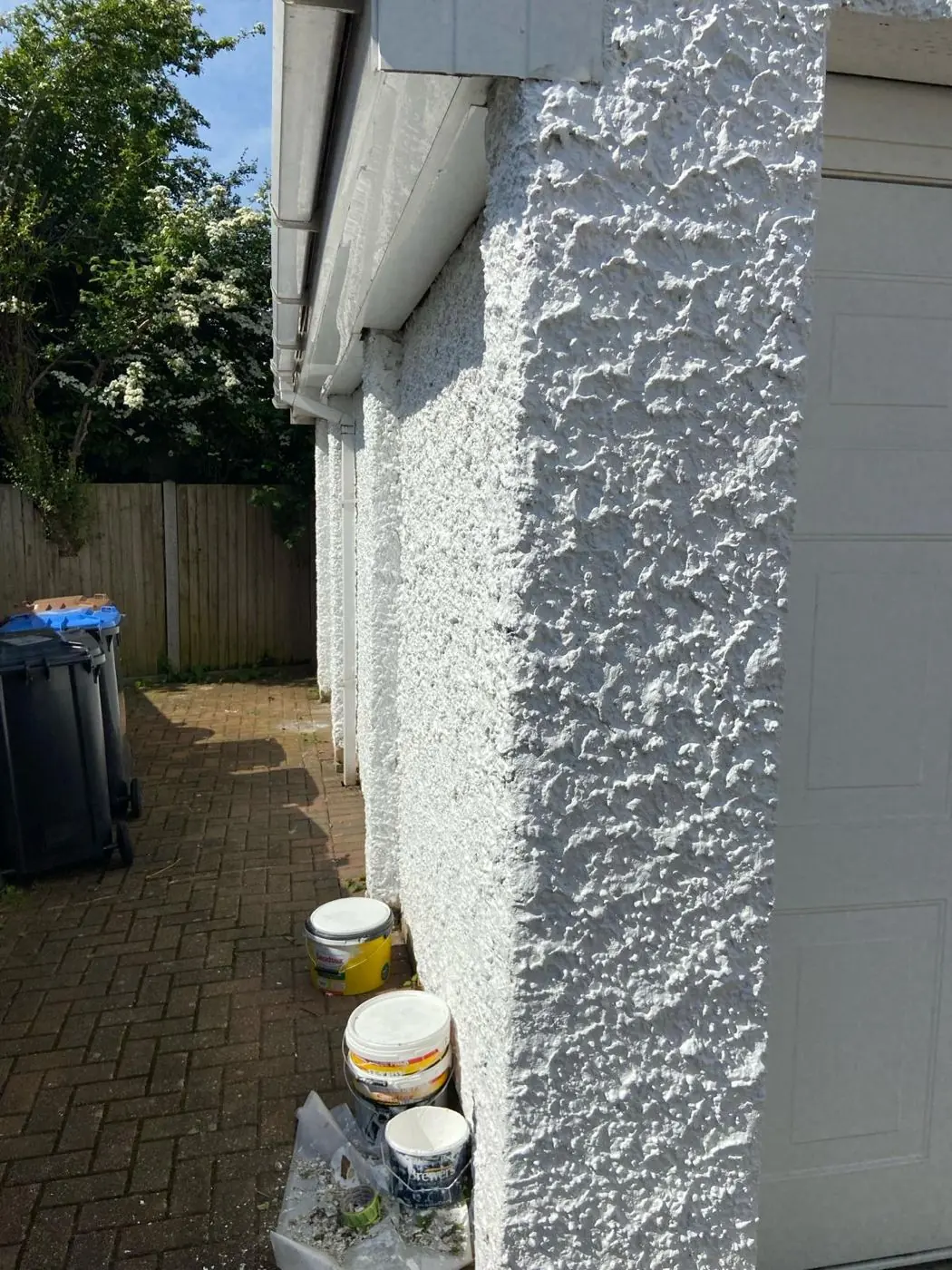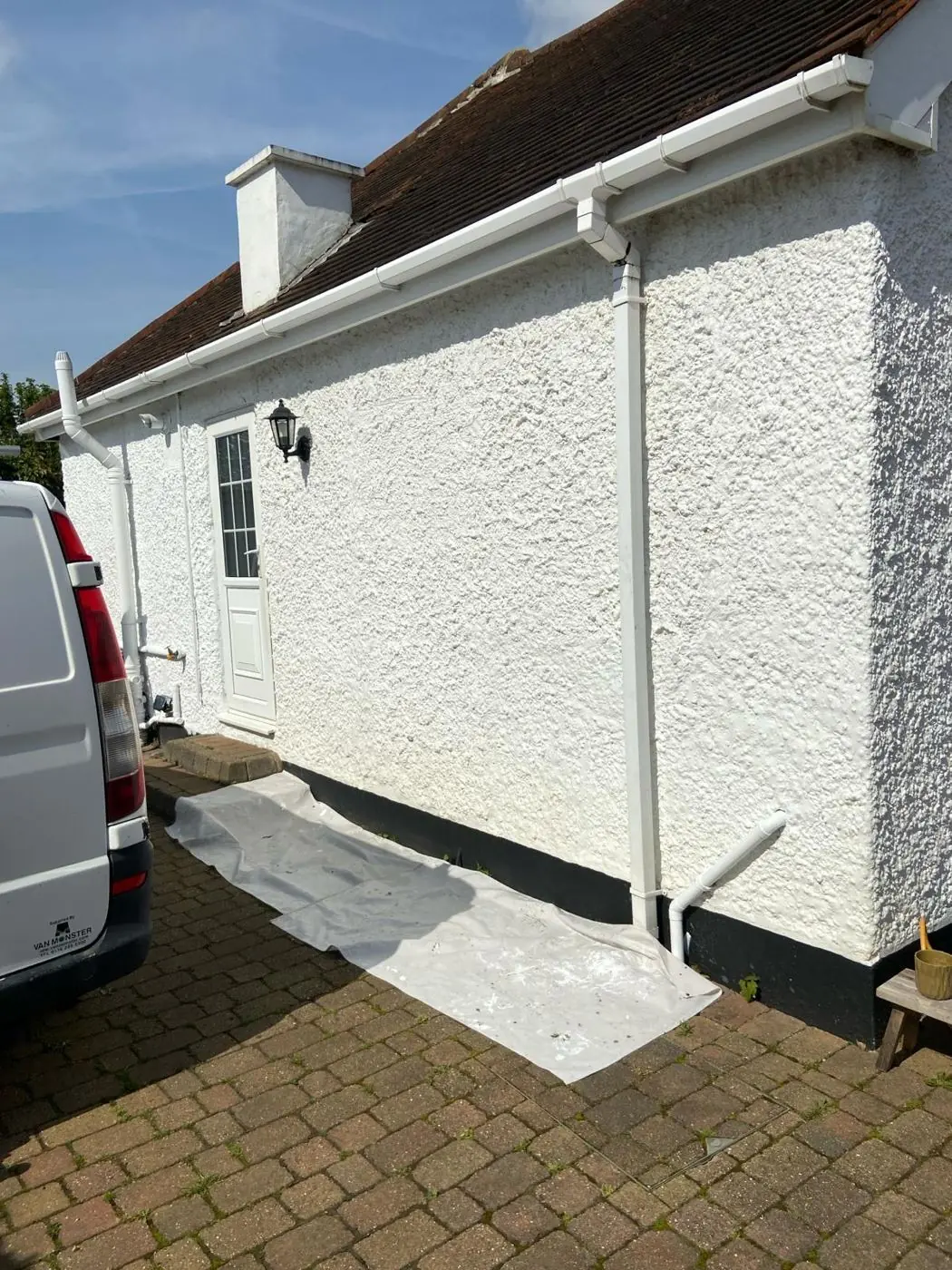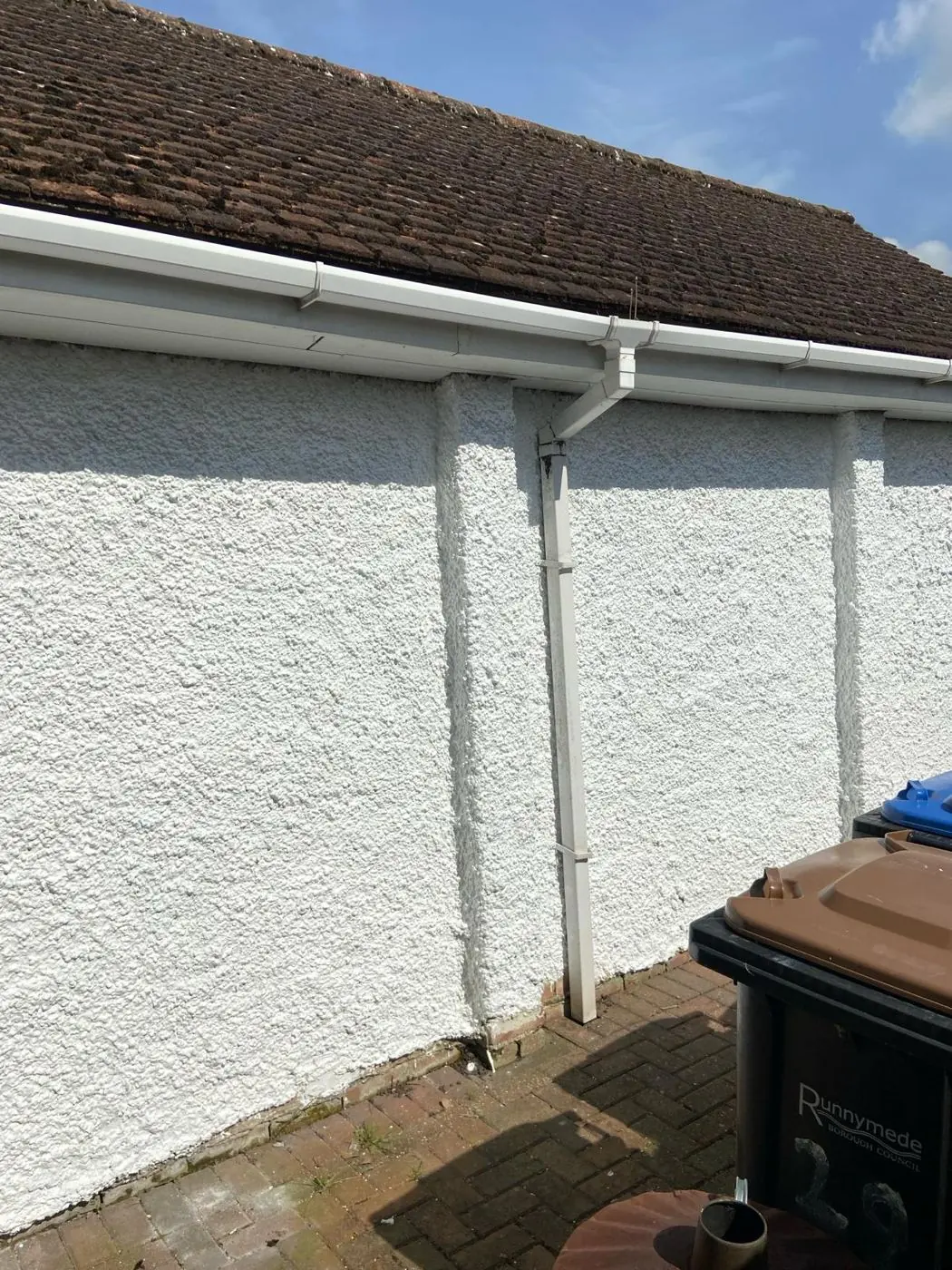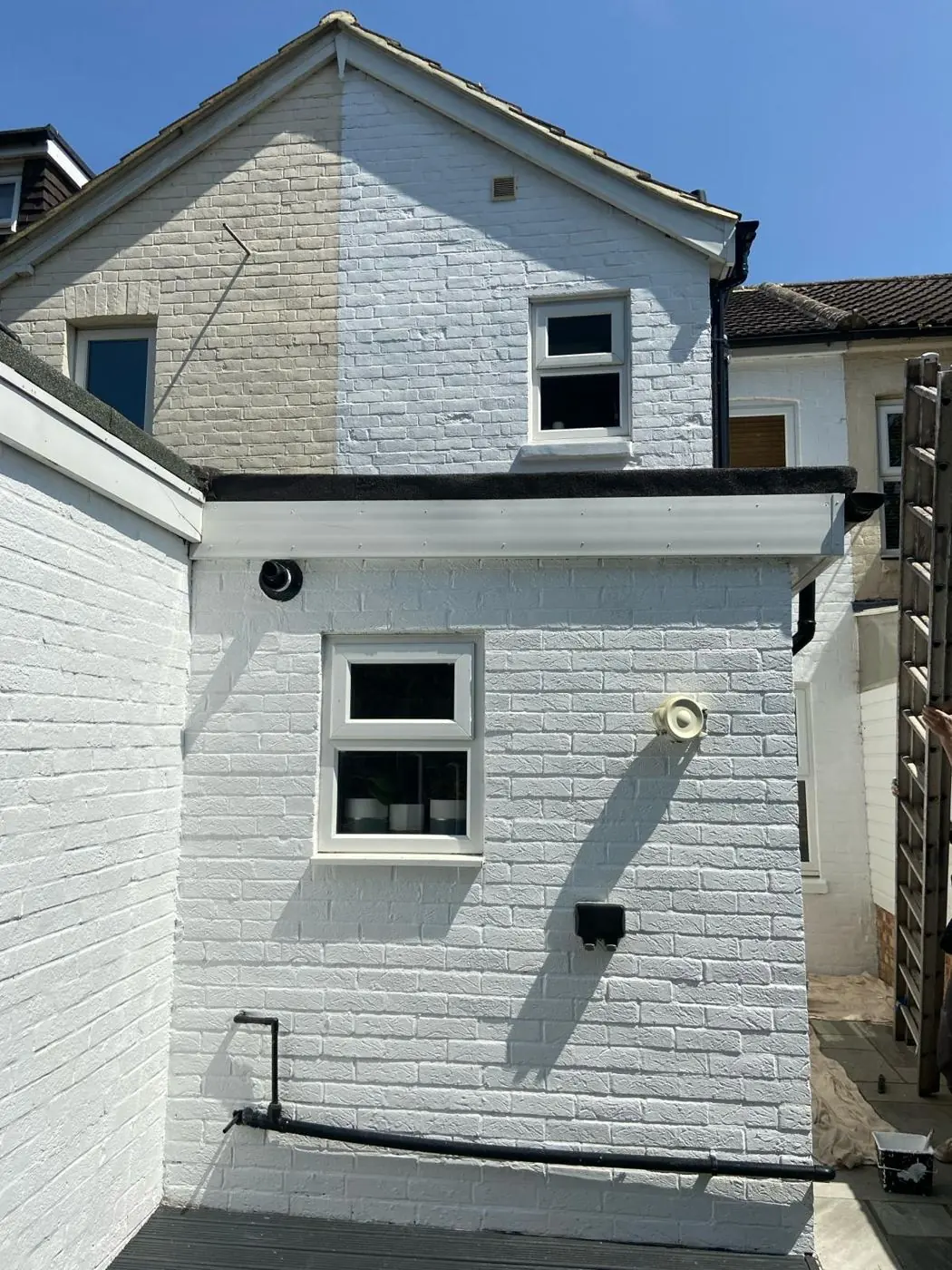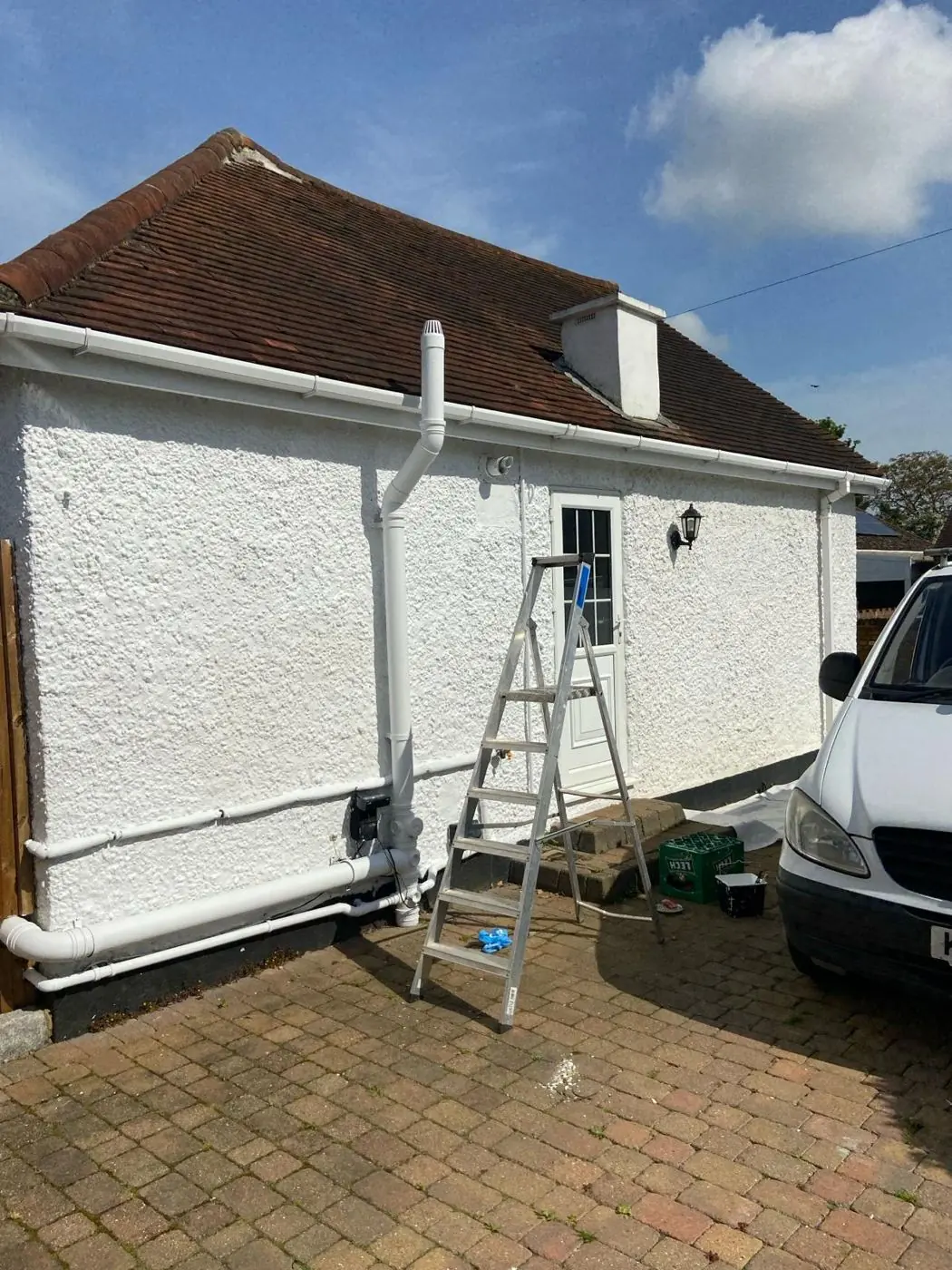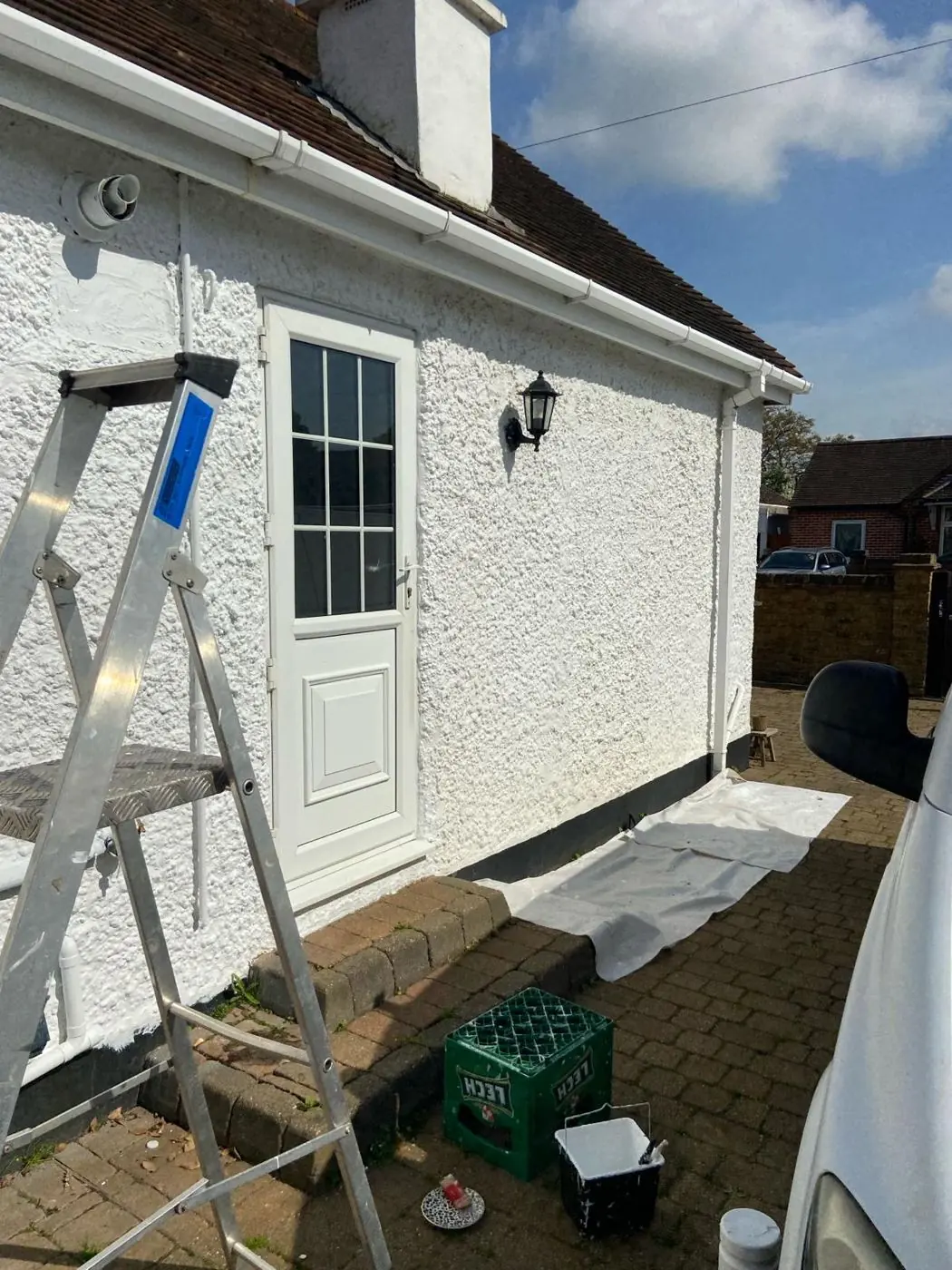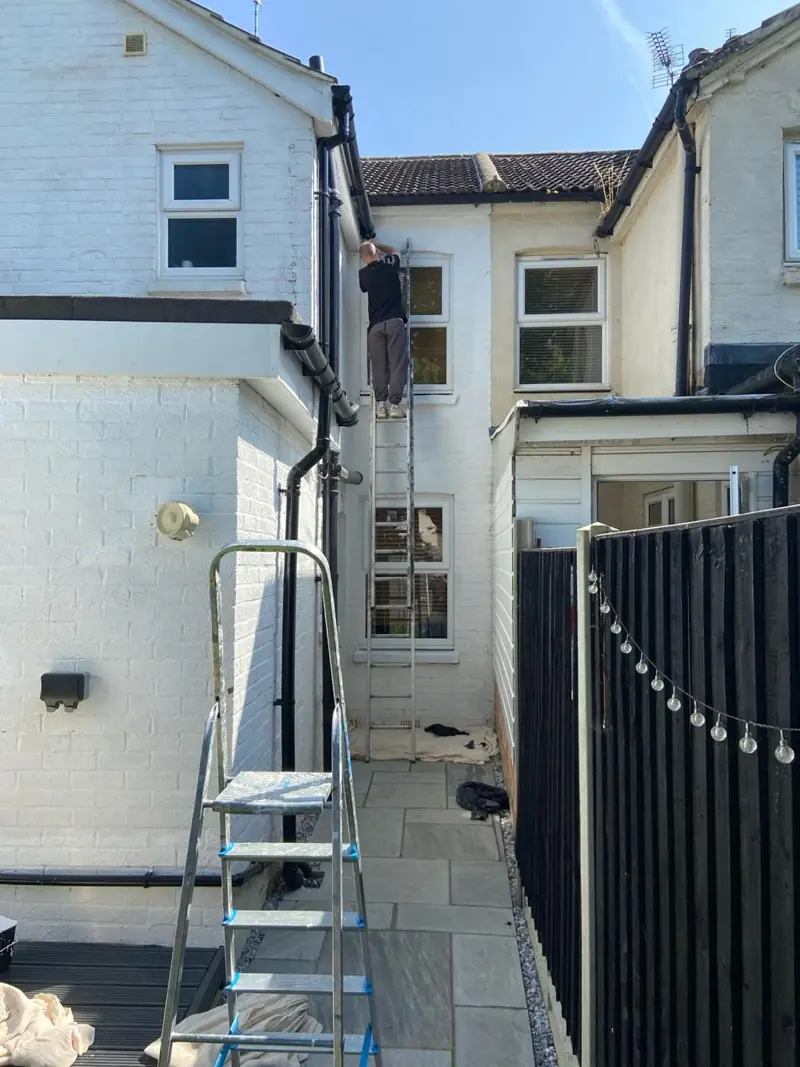
We paint fascias, soffits and bargeboards in Headlands, NN3, about 2.2 miles north-east of central Northampton. Dean works on the low eaves of the semi-detached bungalows and the higher rooflines and bay tops of the 1930s semis.
Bungalow eaves on Bush Hill and Fullingdale Road
Bungalows are a real part of the Headlands housing mix. Street-level data records 23 semi-detached bungalows among the classified homes on Bush Hill and 12 on Fullingdale Road. For eaves work that is good news. On a bungalow the fascia, soffit and gutter line sit low enough to reach from a ladder with a stand-off, so there is no scaffold to hire, no tower to build, and the whole run can usually be prepared and painted in a short visit when the weather holds.
Low eaves also mean you can see the condition from the ground. Things we look for when we come to quote:
- paint split along the grain of the fascia, which lets water into the board
- soffit boards staining or sagging near the gutter outlets
- black mould on north-facing soffits that rarely see sun
- soft wood at the corners where fascia meets bargeboard
Anything soft needs a carpenter before it needs a painter, and we will tell you plainly if that is the case.
The small roofs over the bays
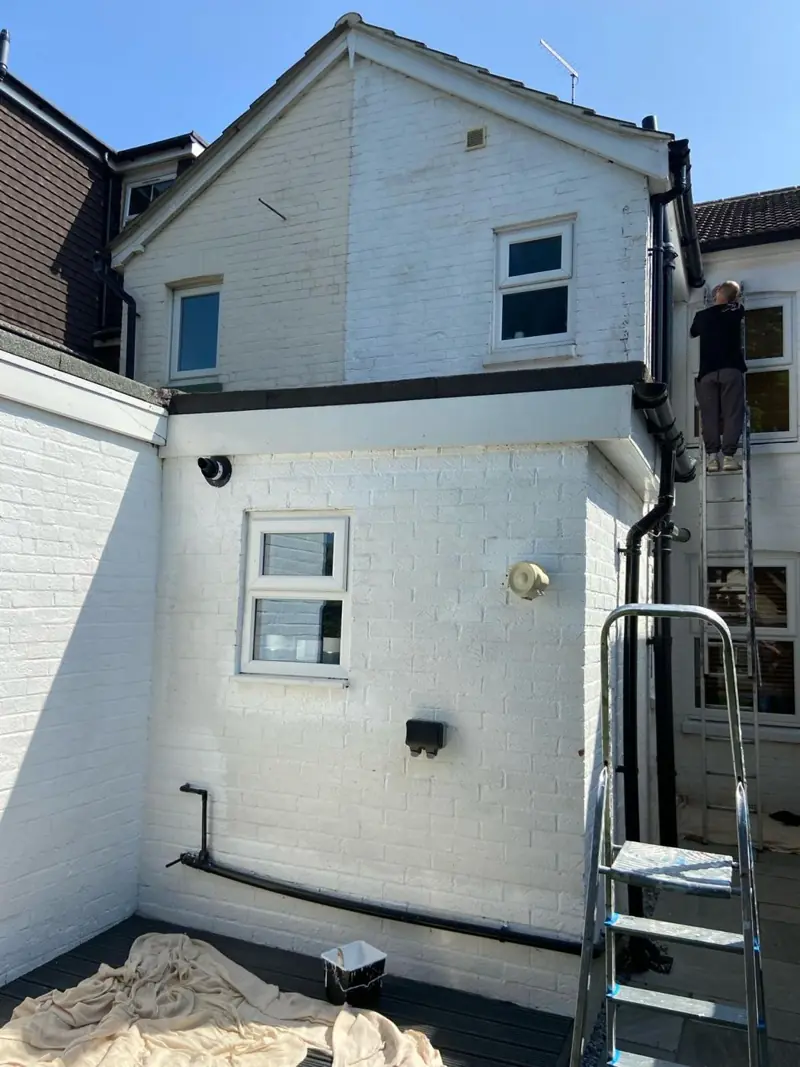
On the two-storey semis that line the spine road and most of the grid, the eaves are only half the story. Many fronts have a bay on each floor, and the bay on the upper floor is topped by a short, narrow fascia and a small pitched or flat roof. These boards are close to the window head, catch water running off the main roof, and are easy to forget because they are not part of the main eaves line. They are often where the rot starts on a 1930s front. We treat the bay tops as part of any fascia job on these houses, reached by ladder or a small tower from the drive.
The main eaves and the bargeboards on the gable or hipped end are higher, but the side paths and block-paved drives that most Headlands semis have give a firm, level base for a tower, so even the back and side eaves can usually be done without scaffolding.
Timber, plastic, or both
Plenty of Headlands owners have already replaced windows with uPVC, and some replaced the fascias at the same time. It is common to find plastic fascias at the front and original timber soffits or bargeboards behind, or the reverse on a house where only the rear was done. Timber gets sanded, spot-primed on bare patches and given exterior gloss or satin. uPVC fascias that have yellowed or that you want in a new colour need a specialist coating instead, and we price the two separately so you can see what each part costs. The cost guide explains what tends to push a quote up or down.
How a visit runs
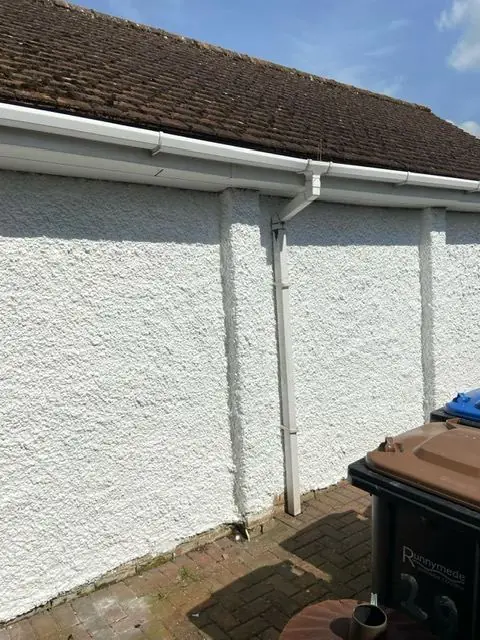
On a bungalow we usually set up at one corner and work round. On a semi we start with the upper bay top and highest eaves while the ladder is at full height, then come down to the lower boards. Gutters stay in place; we clean and paint around brackets rather than removing them. If your neighbour shares the roof line and the boundary between the halves, we keep to your side of the party line and protect their path. Where homes sit near Booth Lane South, we avoid setting up during school arrival and finish times.
Products, primers and the full prep sequence are on the main fascia and soffit painting page. For everything else on these roads, see our Headlands page.
Last updated by Dean, DH Painter & Decorator.