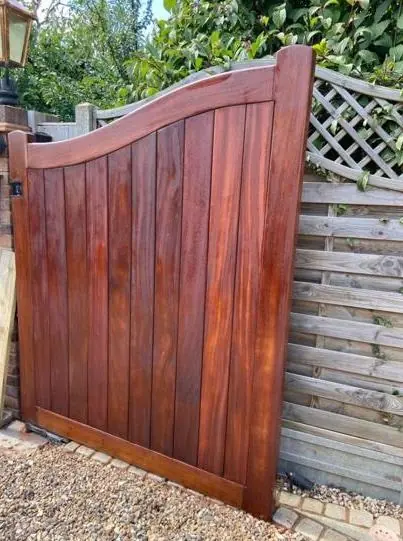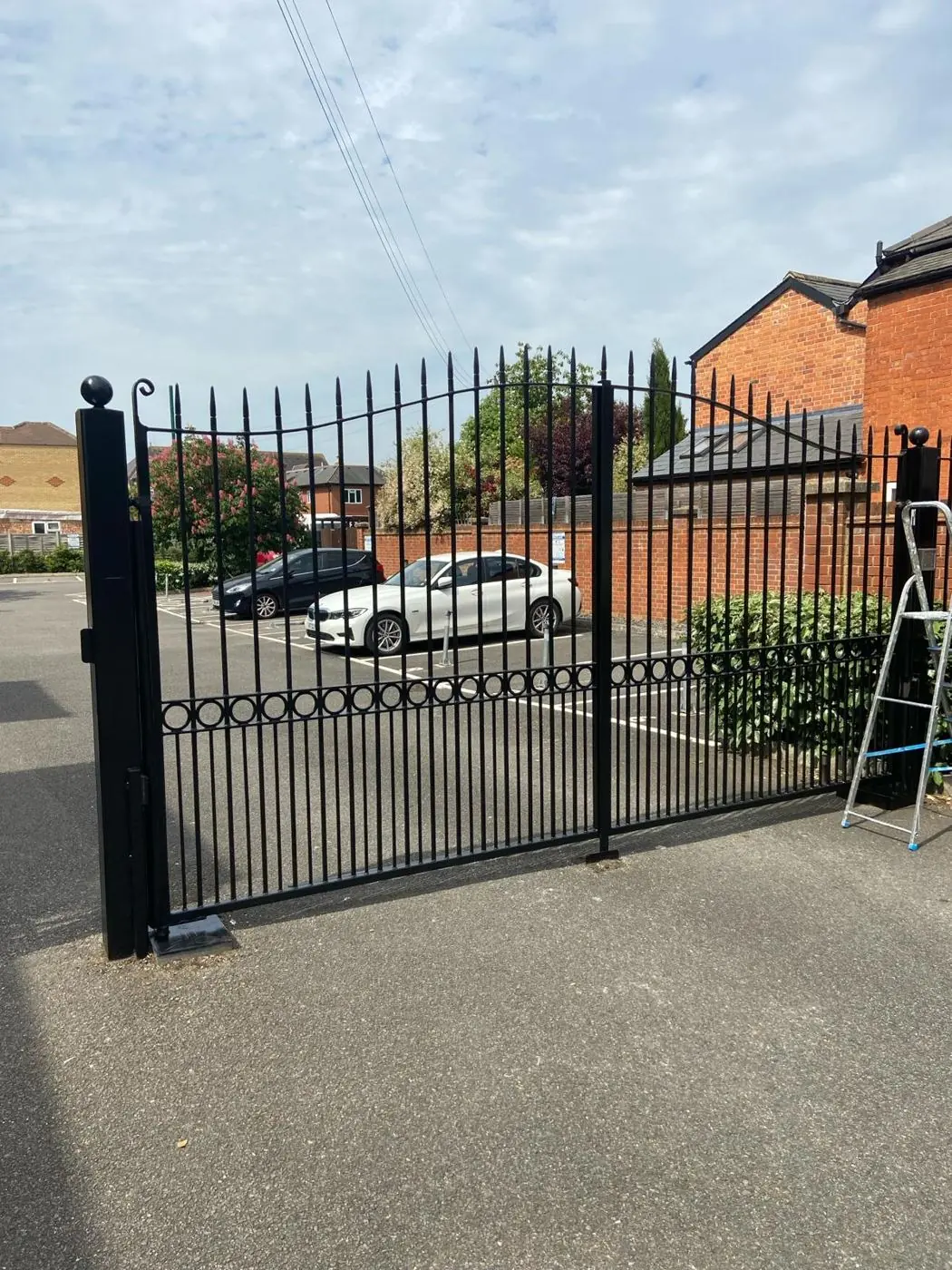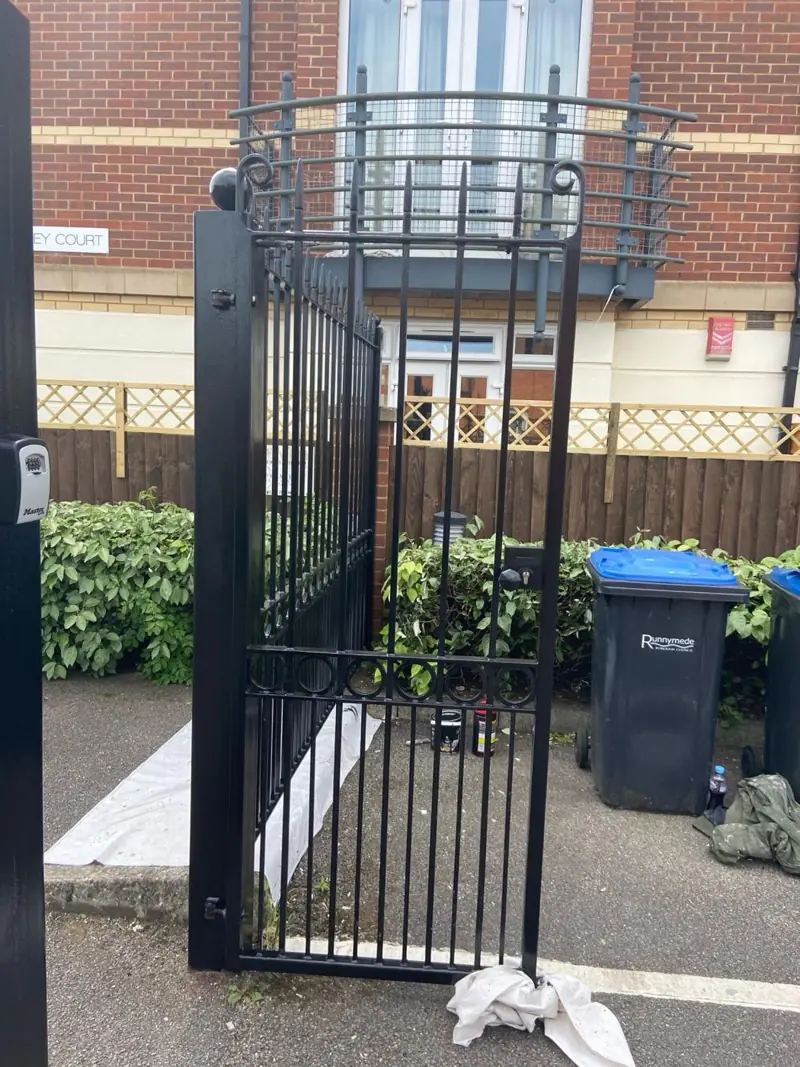
We paint metal gates, railings and canopies in Headlands, NN3, about 2.2 miles north-east of Northampton town centre. Dean handles the small amount of domestic metalwork on the interwar semis and quotes for perimeter fencing on larger sites around Booth Lane.
Small pieces of metal on an estate of brick and timber
Headlands is not a railings suburb in the way the Victorian streets of Abington and Kingsley are. The interwar semis here are fronted by low walls, driveways and timber, and the sources we rely on record no ornate ironwork balconies or Victorian cast-iron railings in the district. What metal there is tends to be one of a few items:
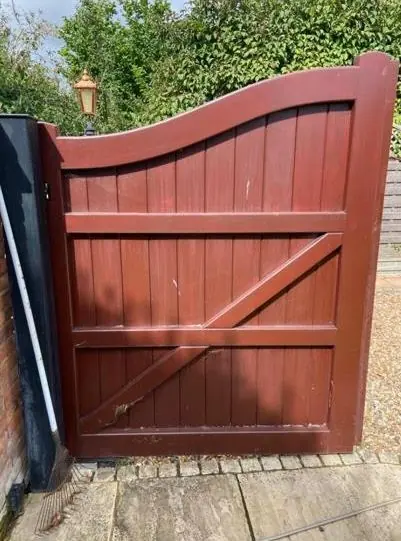
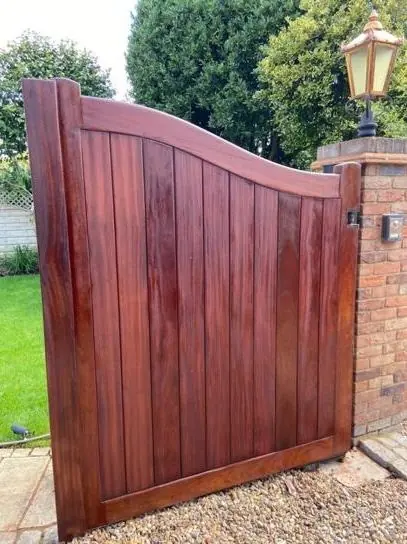
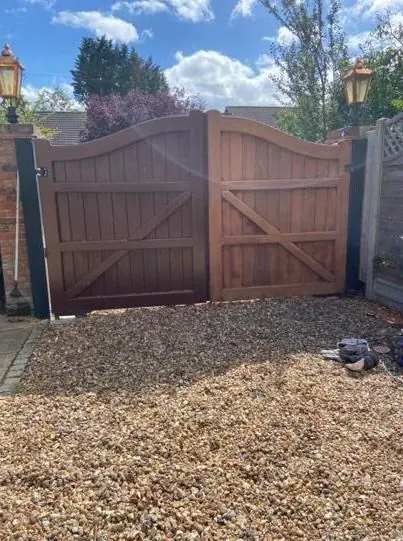
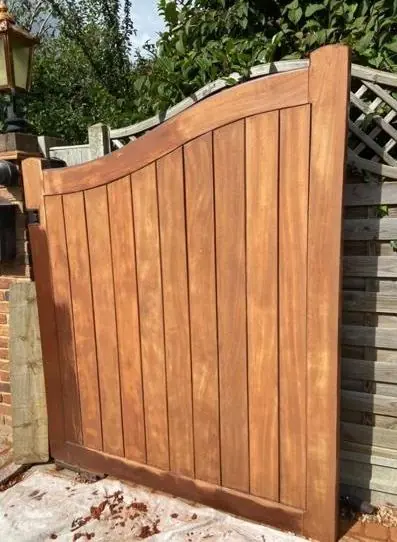
- a single front gate set in the low wall, often a later fabricated steel gate
- a metal side gate between the house and the boundary, replacing the original timber one
- a short length of railing along a front wall or beside a step
- a metal porch canopy or its brackets over the front door
These are small jobs, and that changes how we approach them. A single gate does not justify a separate visit for each coat on its own, so we often fit metalwork in alongside other exterior work on the same house, or plan the coats so the drying time overlaps with preparation on another part of the job.
What we find on 1930s-estate metalwork
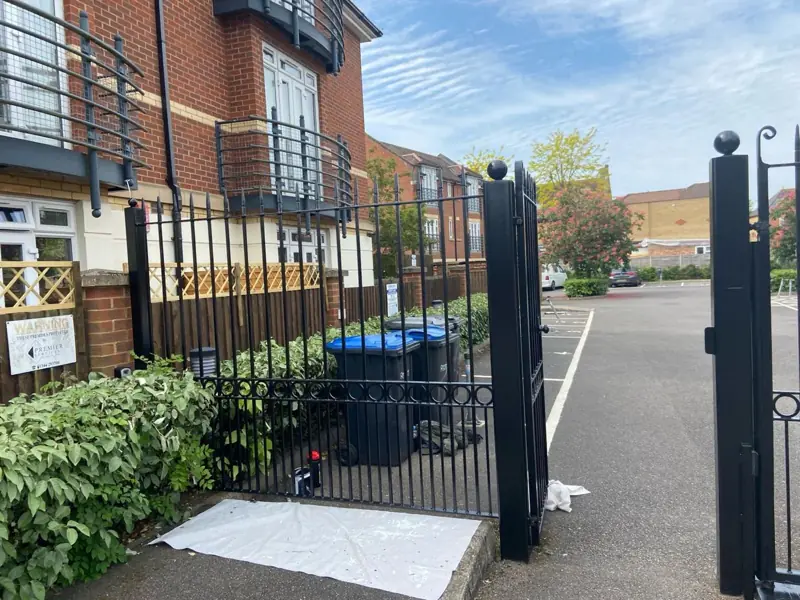
A later fabricated gate on a 1930s front is far more likely to be mild steel than old wrought or cast iron, and mild steel rusts quickly once the paint film is broken. The usual pattern is rust starting at the welds, along the bottom rail where it sits low to the ground, and around hinge pins where the gate is opened every day. Galvanised gates, a later replacement on some fronts, often peel because ordinary gloss was put straight onto the zinc; they need the old paint removed and a primer made for galvanised surfaces. Porch canopies collect water on top, so the upper face is usually worse than the part you can see from the path. We identify the metal first and treat each accordingly. Hinges and latches get freed and greased after painting, not before, so the new coat is not contaminated, and we leave gates propped open until the paint has hardened enough to close against the post. The details of rust conversion, primers and topcoats are on our main metal gate and railing painting page.
Perimeter fencing near Booth Lane
The largest areas of metal in Headlands are not on houses. Weston Favell Academy on Booth Lane South, Northampton College’s Booth Lane campus and Headlands Primary School on Bushland Road all sit within or beside the district, and schools of this kind are typically enclosed by steel perimeter fencing and gates. Long runs like that weather at the base and around fixings, and repainting them is a matter of planning as much as painting. Work on a school boundary has to fit term dates and site rules, and Booth Lane South is busy at the start and end of the school and college day, so we would plan setup and working hours with the site manager to avoid those periods. Larger premises like these fall under our commercial painting service, which deals with method statements, site inductions and phased working.
Colour and the street
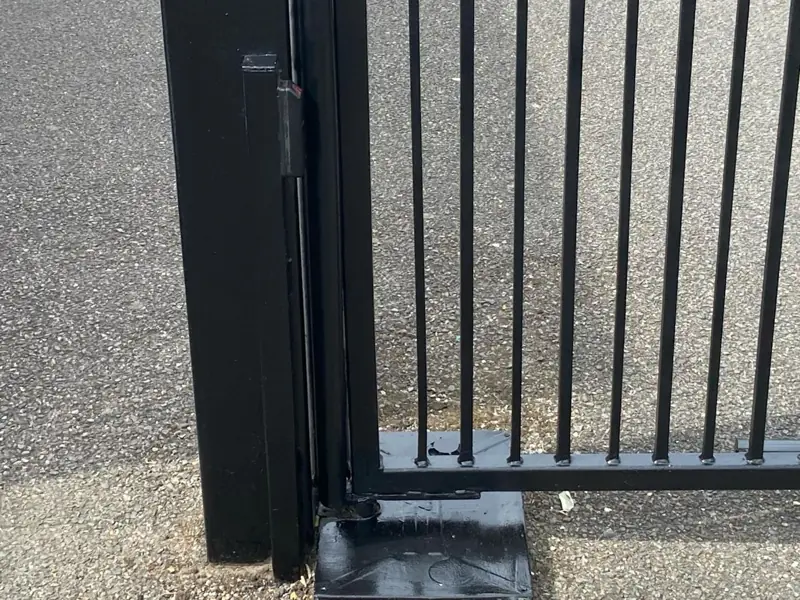
There is no conservation area in Headlands, so a gate or railing can be any colour. Black suits brick and hides marks, but a colour matched to the front door is an easy way to tie a semi together. If the house next door shares a gatepost or a run of railing, agreeing the colour first avoids a two-tone boundary. Bays, eaves and fences on the same houses are discussed on the Headlands page.
Last updated by Dean, DH Painter & Decorator.