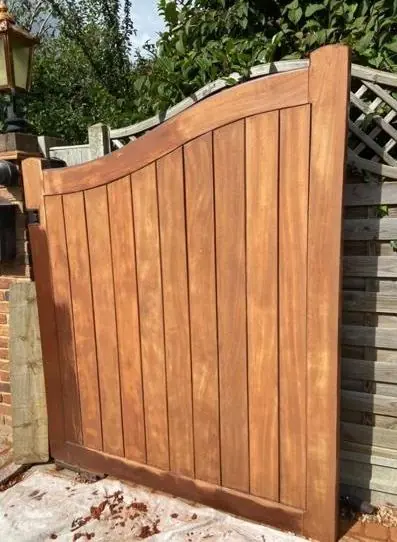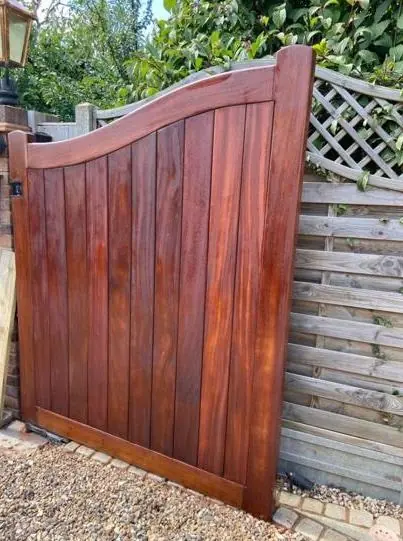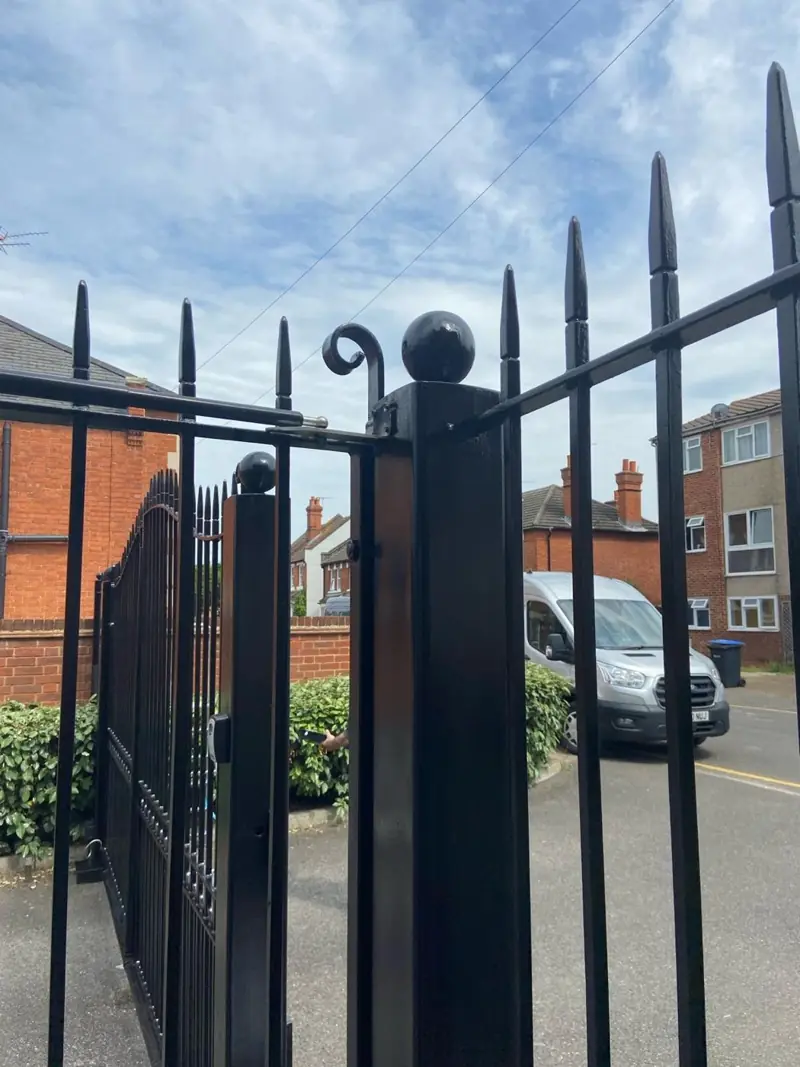
We repaint metal gates, railings and other exterior ironwork in Spinney Hill, NN3, from the bus-route frontages of Kettering Road to the listed Manfield estate. Dean identifies the metal and the extent of rust on site before giving a free quote.
Roadside metalwork on Kettering Road
Front gates and railings on houses facing Kettering Road share their space with a bus corridor running towards Kettering, Moulton Park and Blackthorn. The result is a layer of traffic film over the paint, often mixed with grit that holds moisture against the metal. That film has to come off first. We degrease and rinse, let the metal dry, then deal with the rust underneath. Painting over grime is one of the commonest reasons a gate starts rusting again within a year or two.
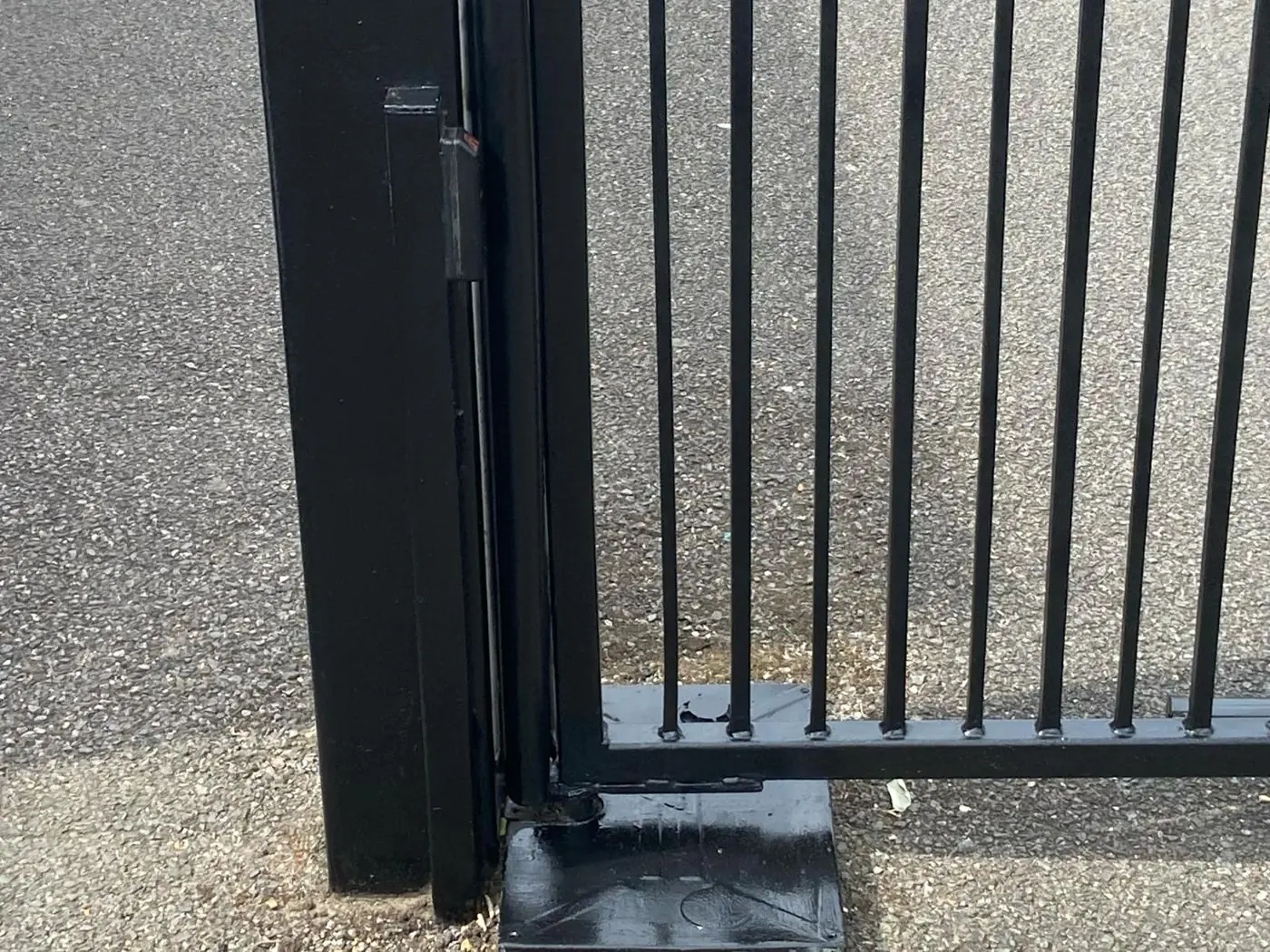
Once clean, every bare or rusty patch is taken back to sound metal by wire brush and abrasive. A rust-inhibiting primer goes on the same day so fresh steel is not left exposed overnight, then the undercoat and a durable top coat follow. Hinges, latches and the bottoms of uprights, where water collects, get the most attention. Where a gate post is set into a low front wall, rust at the base can expand and crack the masonry around it, so we look at the joint between metal and wall and point out any damage that needs a builder before we paint.
Leaded casements and railings on the listed Manfield estate
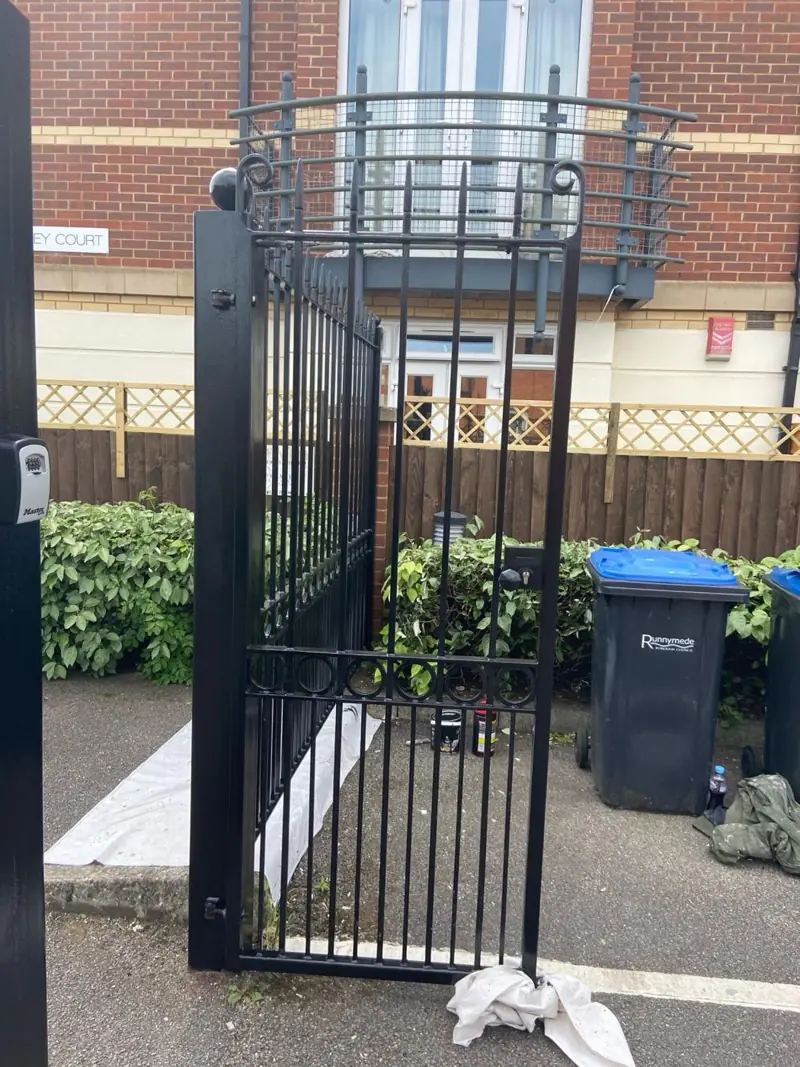
The Manfield buildings off Kettering Road are a different case from the roadside gates. The 1901 entrance lodge, Grade II listed, has metal-frame leaded casements, and the wider estate has railings that need careful rust treatment. Listed buildings call for a different mindset from a modern gate.
- Listed building consent comes first, before work changes any original feature.
- Rust is treated by hand, and sound original metal is kept rather than replaced.
- Leaded panes are protected, and paint is cut in by brush around the leads.
- Colours follow the existing scheme unless consent says otherwise.
Where the stonework around a railing base is ironstone or Rutland stone, it stays unpainted. Rust staining on the stone is pointed out rather than painted over.
Gates on the semis: what we usually find
On the 1930s-1950s semis along Spinney Hill Road, metalwork tends to be front driveway gates, pedestrian gates and short runs of railing on low front walls. Some are older mild steel with layers of paint; some are galvanised, which needs a primer made for zinc before ordinary paint will stick. Telling them apart matters, so Dean checks before quoting. Many driveways now stand open without gates, so a job may be just a single pedestrian gate and its posts, which is fine. Gloss or satin top coats both work on these gates; black remains the common choice, but with no conservation area over the semis, any colour that suits the front door is open to you.
| Where | What drives the work |
|---|---|
| Kettering Road frontages | Traffic film and grit, washed off first |
| Spinney Hill Road semis | Gate type and metal, checked on site |
| Manfield estate (Grade II) | Consent, hand rust treatment, leaded glazing |
Timing a roadside job
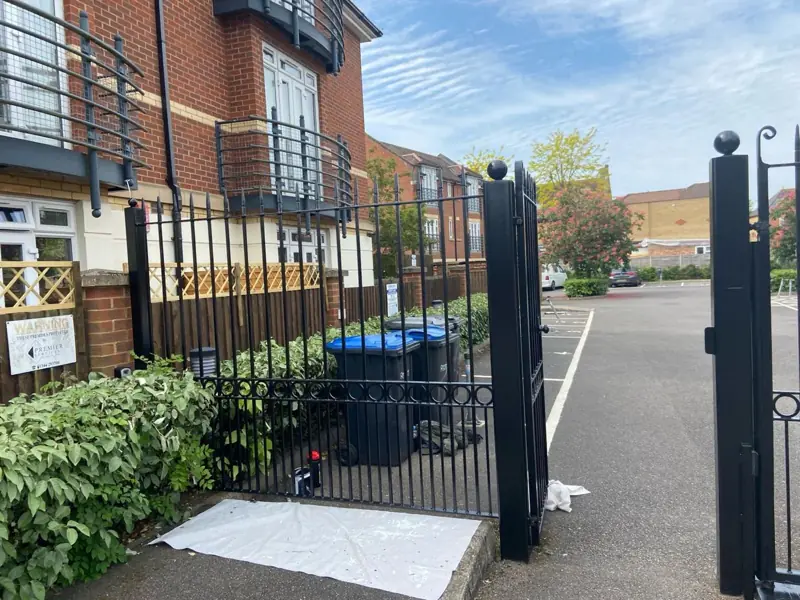
A gate on Spinney Hill Road opposite Northampton School for Girls is tackled away from drop-off and pick-up, when the pavement is full. Wet paint signs go up and the gate is propped so it does not swing shut onto a fresh coat.
More detail on metals, primers and rust treatment is on our metal gate and railing painting page. For the rest of what we cover locally, see the Spinney Hill area page.
Last updated by Dean, DH Painter & Decorator.