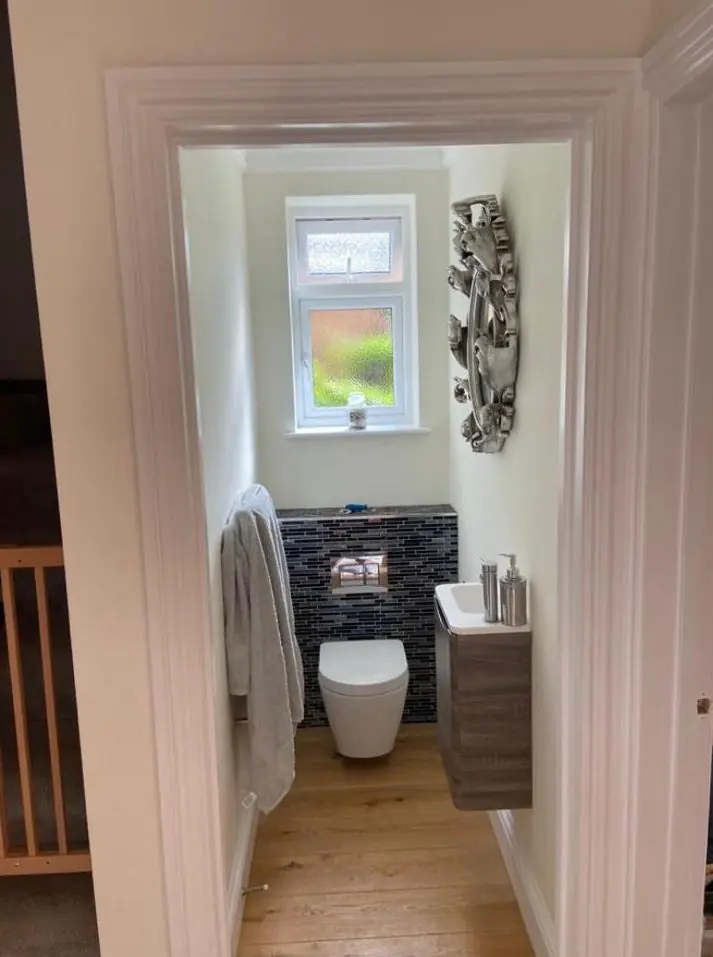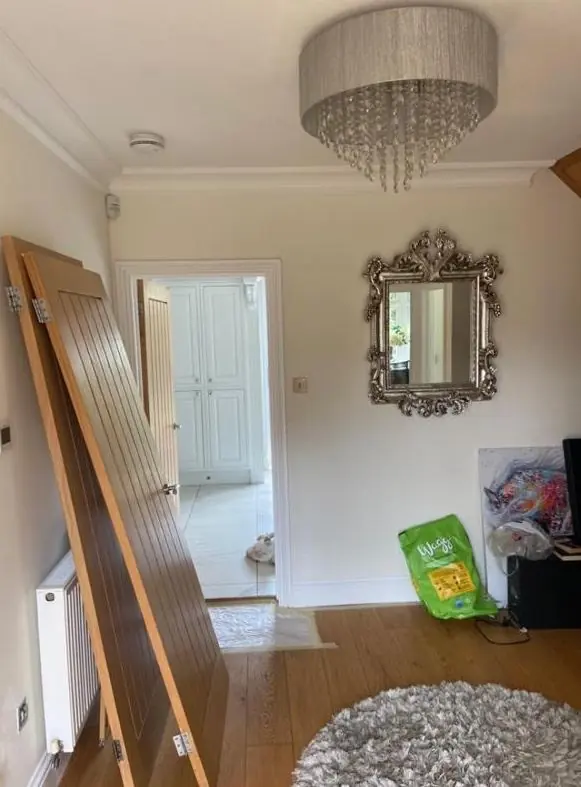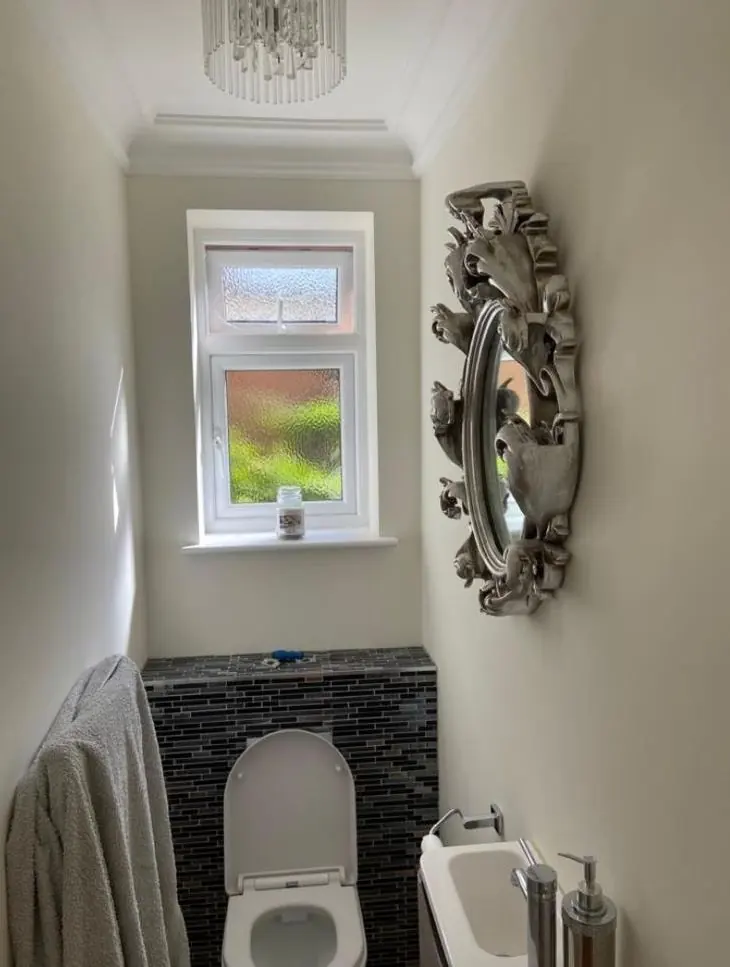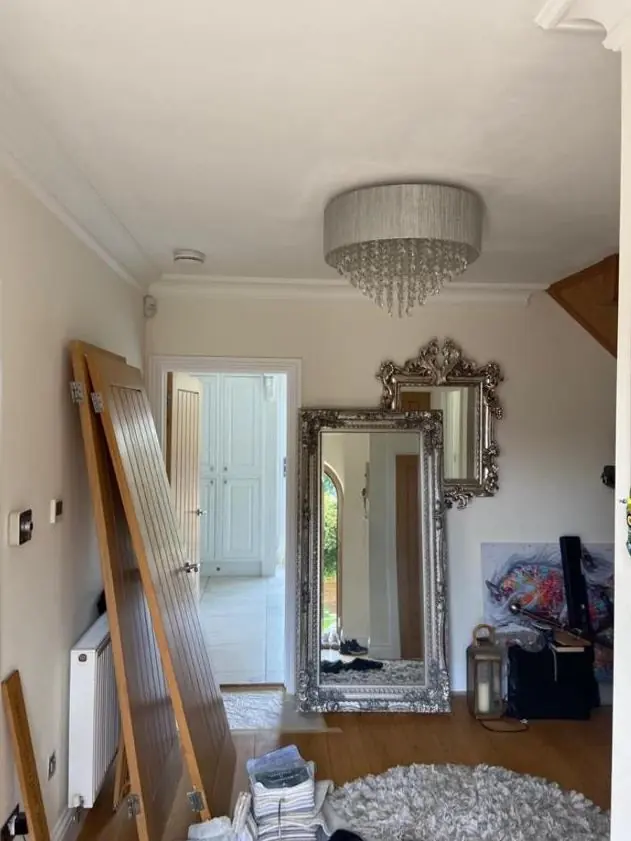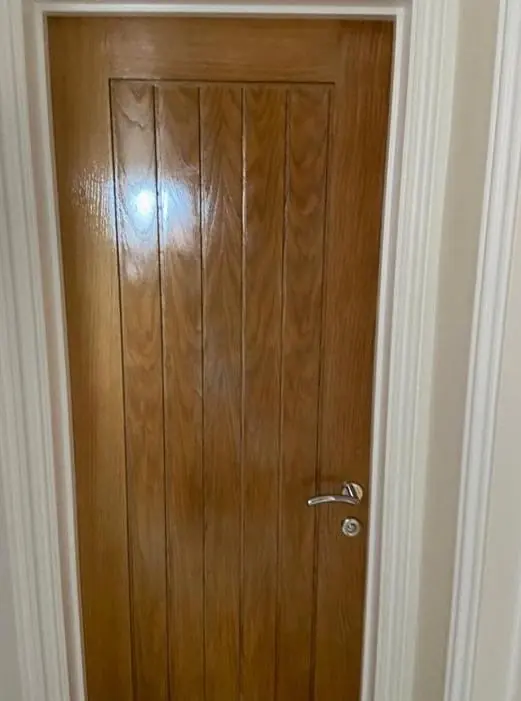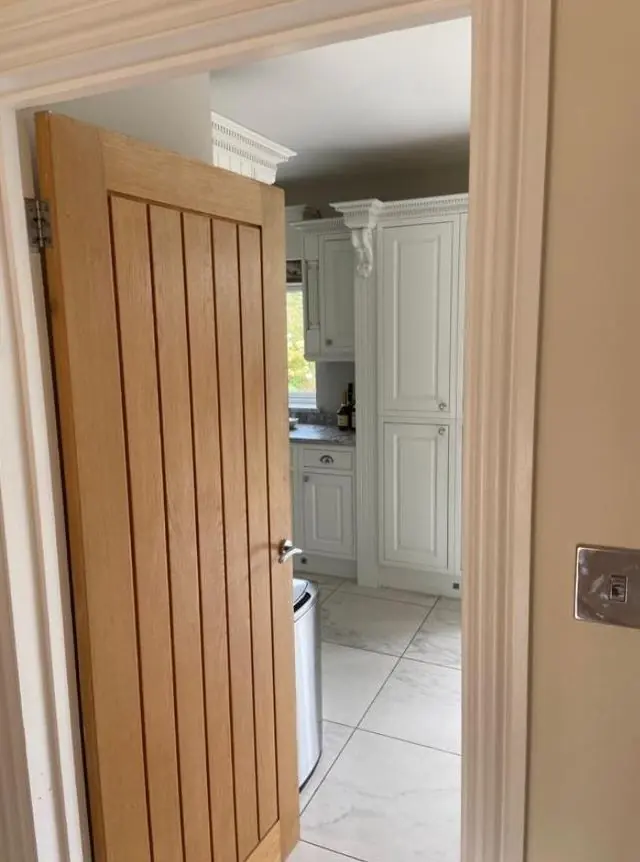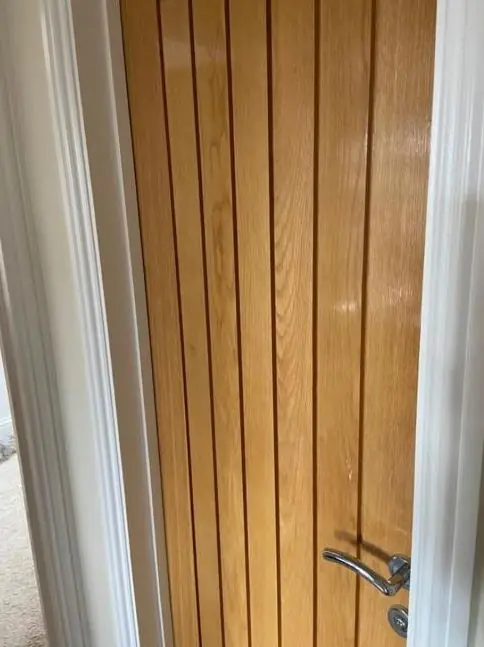
DH Painter & Decorator paints doors, skirtings, architraves and timber windows in Long Buckby, about 9 miles north-west of Northampton town centre. Dean prepares and repaints original joinery in the conservation area in line with its 2021 appraisal, and handles everyday woodwork in the village's newer houses too.
Four-panel doors, plank doors and the 2021 appraisal
The Long Buckby Conservation Area Appraisal and Management Plan, adopted in March 2021, is unusually direct about joinery. It wants traditional timber windows and four-panel or plank doors kept and repaired, and says uPVC is generally not appropriate for windows or doors across Market Place, High Street, King Street, Church Street, West Street, Nuns Lane, Harbidges Lane, Brington Road and parts of East Street and Station Road. For the owner of an 18th-century ironstone cottage, the practical result is that the door you have is the door you keep, and a good repaint is the main way to look after it.
That favours slow, careful work: scraping failed paint back to a sound edge, cutting out soft timber at the foot of a door and filling or splicing it, re-puttying casements where old putty has cracked away, and building the coating back up in thin coats rather than one heavy one. The general method is set out on our main woodwork and door painting page; this page is about what changes in this village.
Colour on the street line
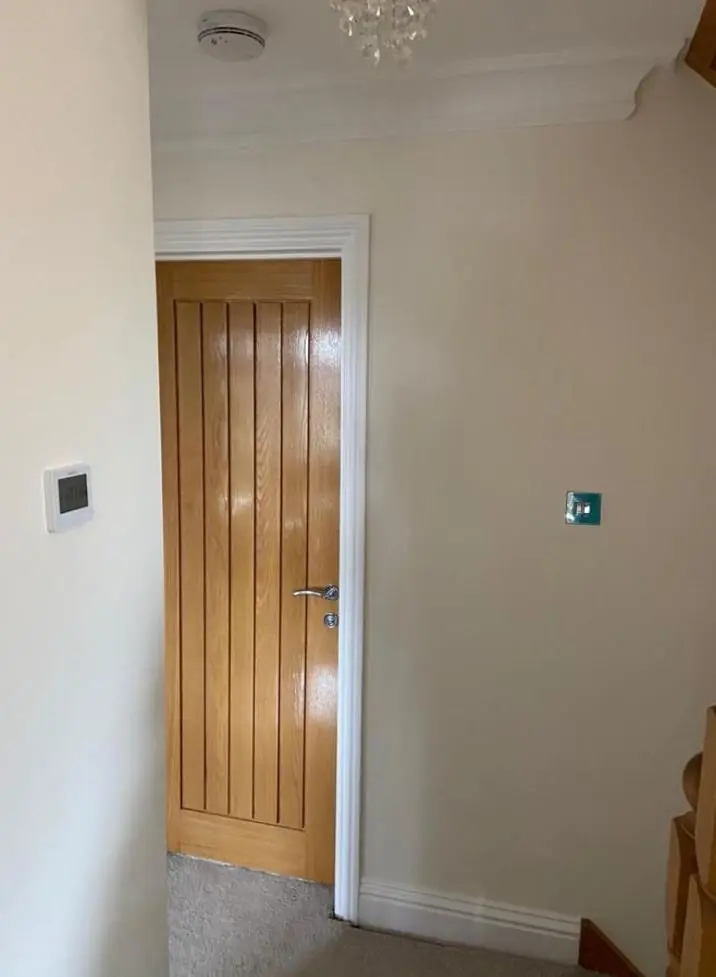
The appraisal records that window frames in the conservation area are traditionally painted white, and that black frames also occur. Where frames are painted, it asks for white or a sensitive colour based on the originals, so a fashionable dark grey on cottage casements runs against that guidance. Front doors allow more freedom, but in a terrace where every building sits forward on the street line, a door is read alongside its neighbours, and it is worth looking at the surviving colours along the row before choosing.
The parish has 37 listed buildings, among them 10 West Street with its leaded casements, 2 Nuns Lane and the Old King’s Head. A change of external colour or finish on a listed building needs listed building consent, so we ask about listing when we quote and repaint like for like unless consent is in place.
Workshop doors and weather-side joinery
Behind many houses sit small brick or stone workshops from the boot-and-shoe era, with large windows, a chimney and a plank door. The mid-19th-century hand-sewn shoemakers’ workshops behind Nos. 45-53 East Street are listed in their own right. This is utilitarian timber that looks right in a plain, matching paint; a modern wood stain or a glossy fashion colour sits awkwardly on it. The industrial-style casements on these buildings often have open joints and exposed end grain, so the bottom rails get extra filling and priming.
The village stands on a ridge, with the ground falling away to the north, south and west. Doors and casements on south- and west-facing elevations take the brunt of the weather and usually fail first, at the bottom rail and the lower glazing bars. Under mature trees, such as those along Harbidges Lane or around the churchyard, shaded joinery stays damp for longer and grows algae, which has to be cleaned off and treated before any paint goes on.
Inside: skirtings, architraves and older paint
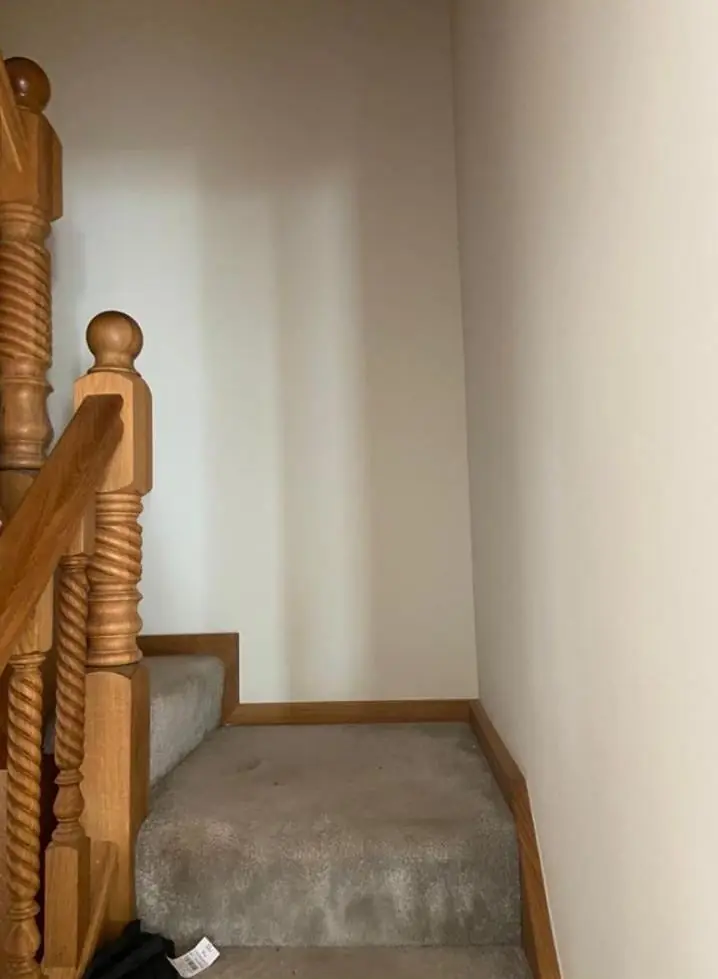
Indoors, cottage skirtings tend to be shallow and fitted to walls that are far from straight, and gaps open as lime plaster moves. We fill and caulk where it helps the line without trying to make a 250-year-old room look new. Old paint stacks on doors and skirtings in pre-1960s houses may contain lead, so we test before sanding and switch to wet abrading where needed.
In the estate houses around Salem and off East Street, such as Lime Avenue, Orchard Rise and Stenhouse Close, the work is more often scuffed satinwood, yellowed oil gloss and dents in moulded skirting. A water-based satin or eggshell holds its colour better than oil gloss here.
Working on a pavement-front door
Many front doors in the historic core open straight onto the pavement or road, and lanes such as Nuns Lane and Church Street are narrow. A freshly painted door there is within arm’s reach of everyone walking past, so we plan exterior door work for a dry spell, sign the door while it hardens and agree with you whether it can be left ajar or must be closed overnight. Van parking on Market Place or on-street needs thought too. We cover Long Buckby from Northampton, and the Long Buckby area page sets out the other work we do in the village.
Last updated by Dean, DH Painter & Decorator.