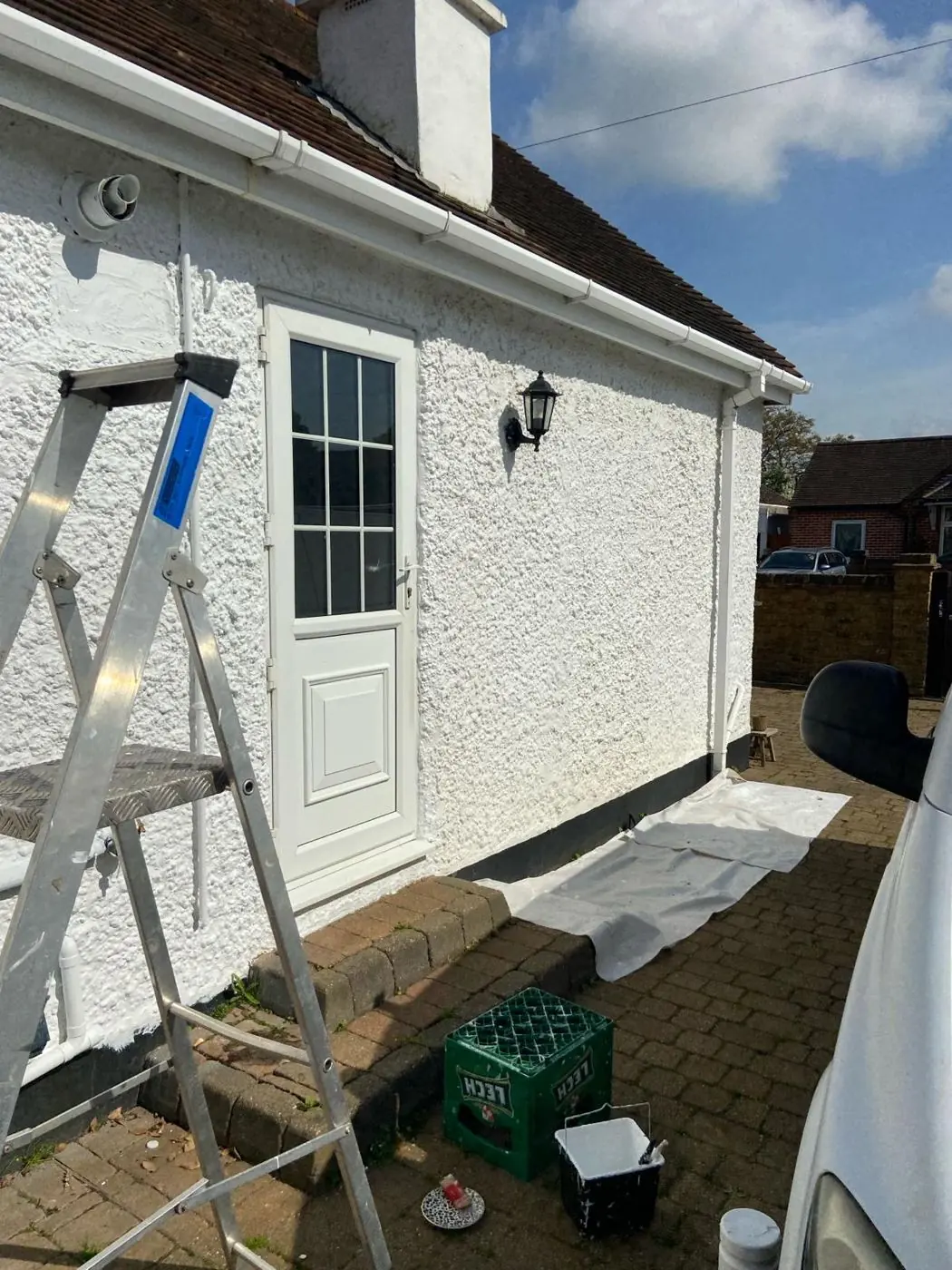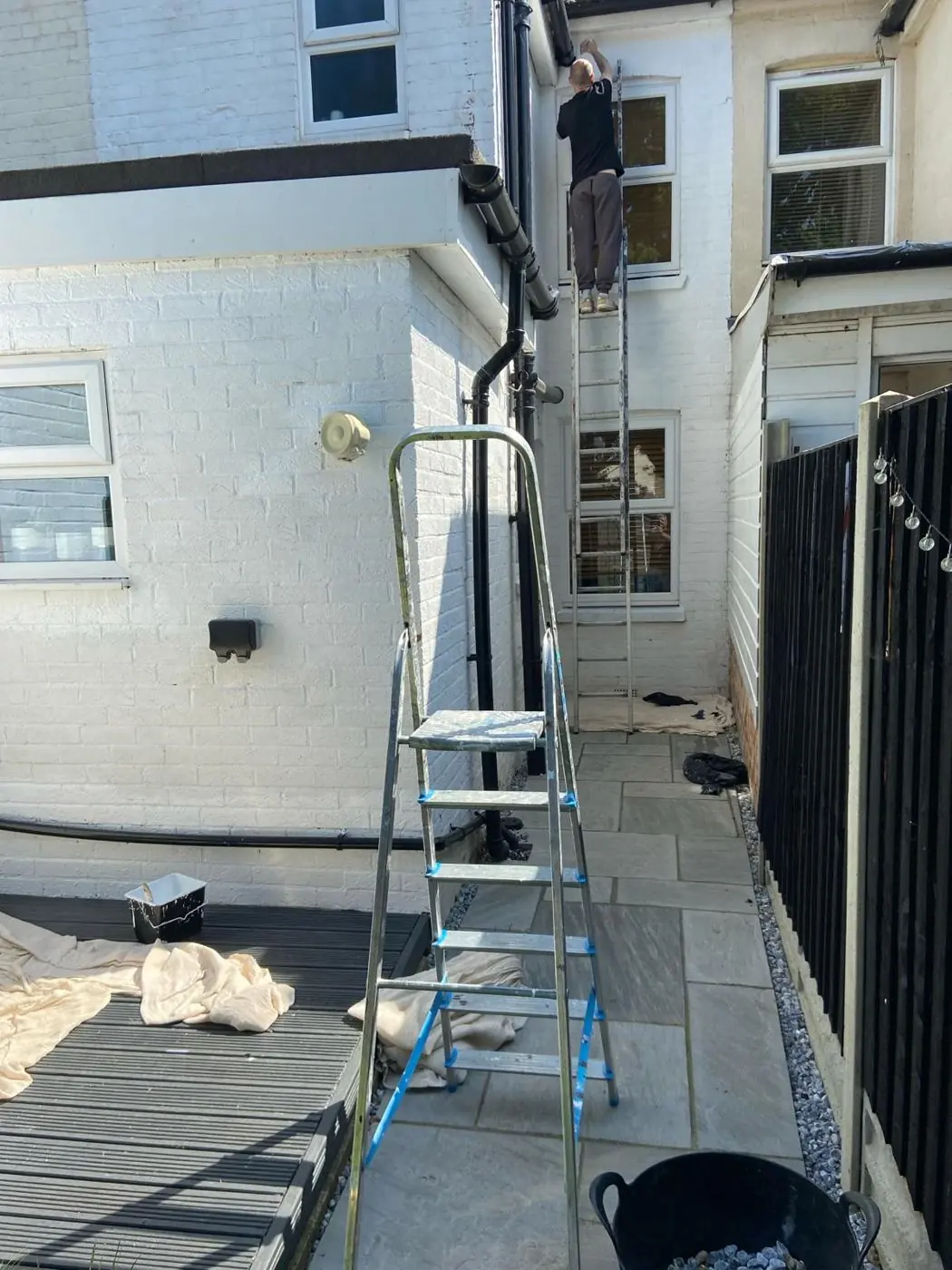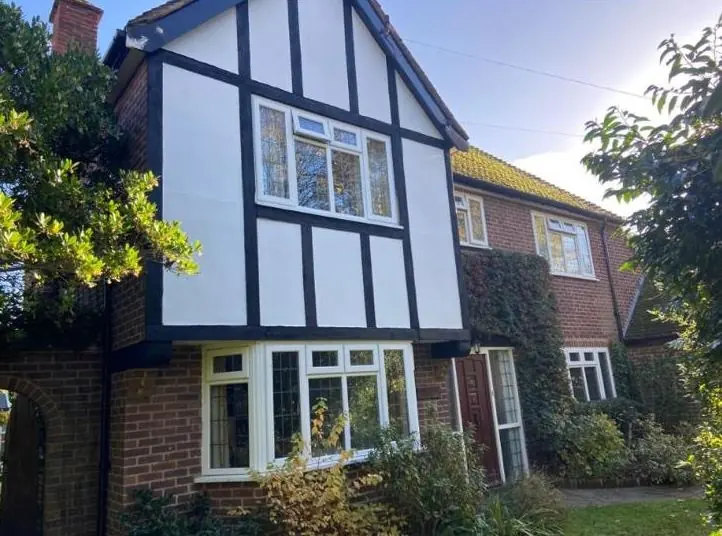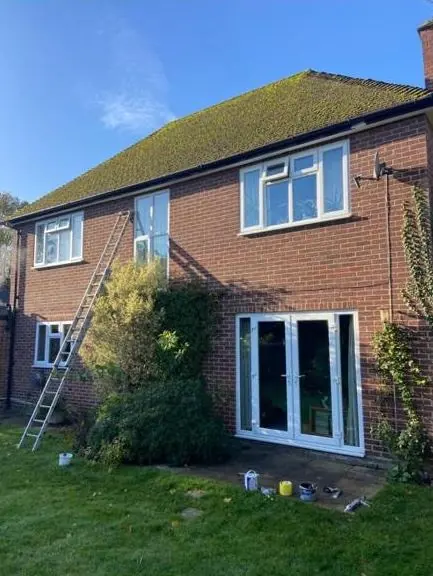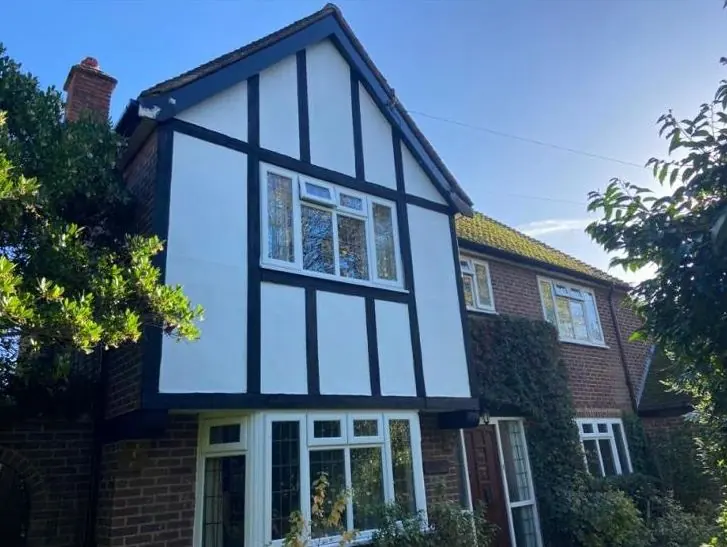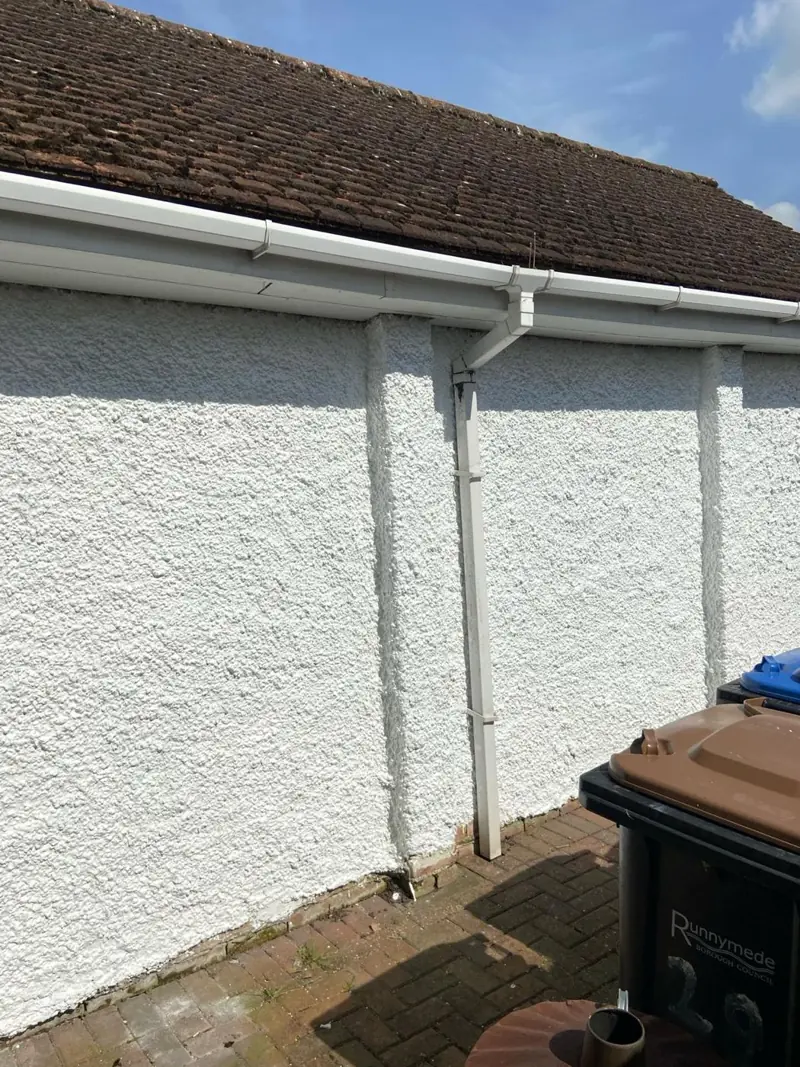
Dean repaints render and painted stonework in Milton Malsor, about 3.2 miles south-west of Northampton. Most walls in the conservation area are bare ironstone that should not be painted at all, so the work focuses on surfaces that already carry paint, using breathable mineral or lime-compatible coatings.
Less render than you would expect, and all of it sensitive
Most of Milton Malsor is built from coursed ironstone rubble, often with limestone, and the bulk of it was never rendered or painted. That makes the painted walls that do exist important. Milton Malsor Manor House on Malsor Lane is rendered ironstone with painted stone window and door surrounds, and The Compass on Green Street is painted coursed rubble. Both are listed. The later infill houses may have render too, but the sources do not record their materials, so Dean looks at each wall on the visit rather than assuming.
If your walls are bare stone, the honest answer is usually to leave them bare. Repointing in lime, where needed, is a job for a mason. Our Milton Malsor area page covers the rest of what the village’s houses need.
Finding out what is on the wall first
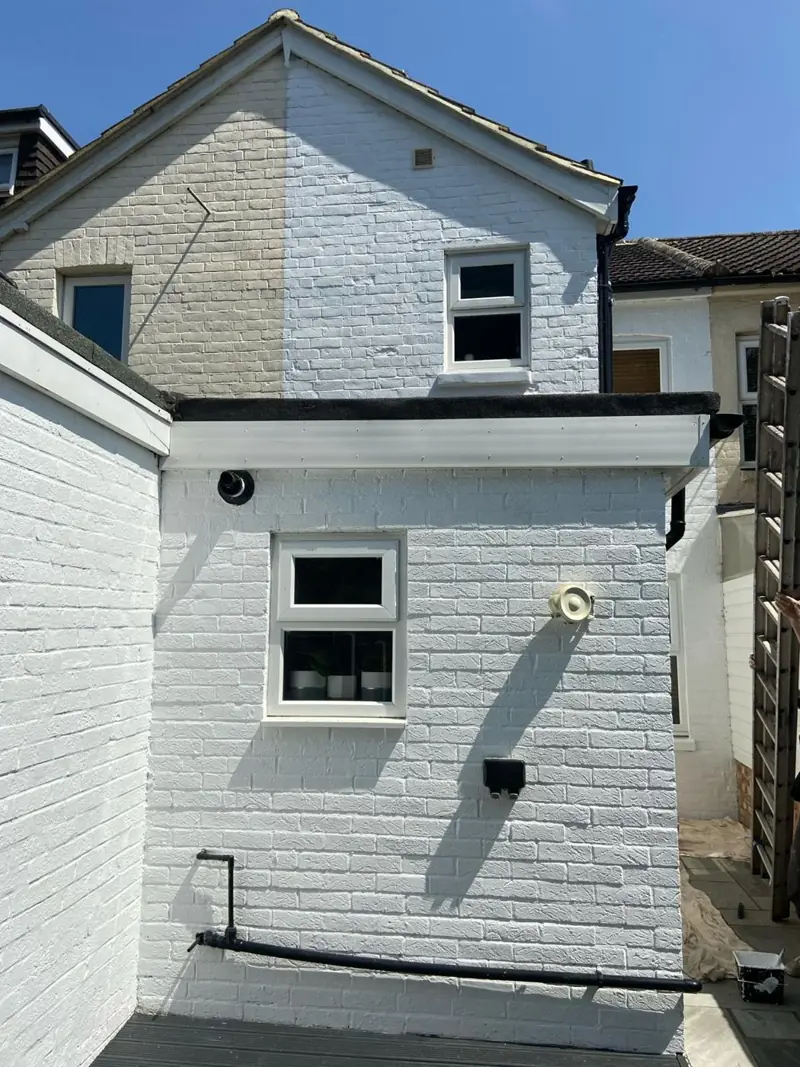
A painted stone wall in a 17th or 18th-century village might carry limewash, a mineral silicate paint, a modern acrylic, or several of these on top of each other. Each one behaves differently, and putting the wrong product over it causes trouble:
| Existing coating | What tends to go wrong | What suits it |
|---|---|---|
| Limewash | Acrylic over it peels off in sheets as the limewash powders underneath | Fresh limewash or a lime-compatible breathable paint |
| Mineral (silicate) paint | Usually sound; problems come from blocked surfaces or salts | A matching mineral system after cleaning |
| Modern acrylic masonry paint | Traps damp in old stone, then blisters and flakes | Often needs taking back before a breathable coat goes on |
Dean tests the surface by rubbing, wetting and scraping in an inconspicuous spot before quoting. On a listed building, stripping an old coating or changing the finish can need listed building consent from West Northamptonshire Council, so that conversation happens before any price is agreed. Where tests are unclear, a small trial patch left for a few weeks shows how the new coat behaves.
Why acrylic masonry paint stays off old ironstone
Old solid walls take on water and let it out again through their faces. Lime render and lime mortar are part of that system. A plastic-type acrylic film stops the outward drying, so water collects behind it, salts build up and in frost the face of the stone or render can break away. Breathable mineral and lime-compatible paints let the wall keep drying. They are less forgiving to apply, and they need a clean, open surface, but they suit stone of this age. The general method for rendered walls, including crack repair and algae treatment, is on our main render and masonry painting page, and the painting render and roughcast guide explains the products in more depth.
Painted surrounds, plinths and garden walls on sandy ground
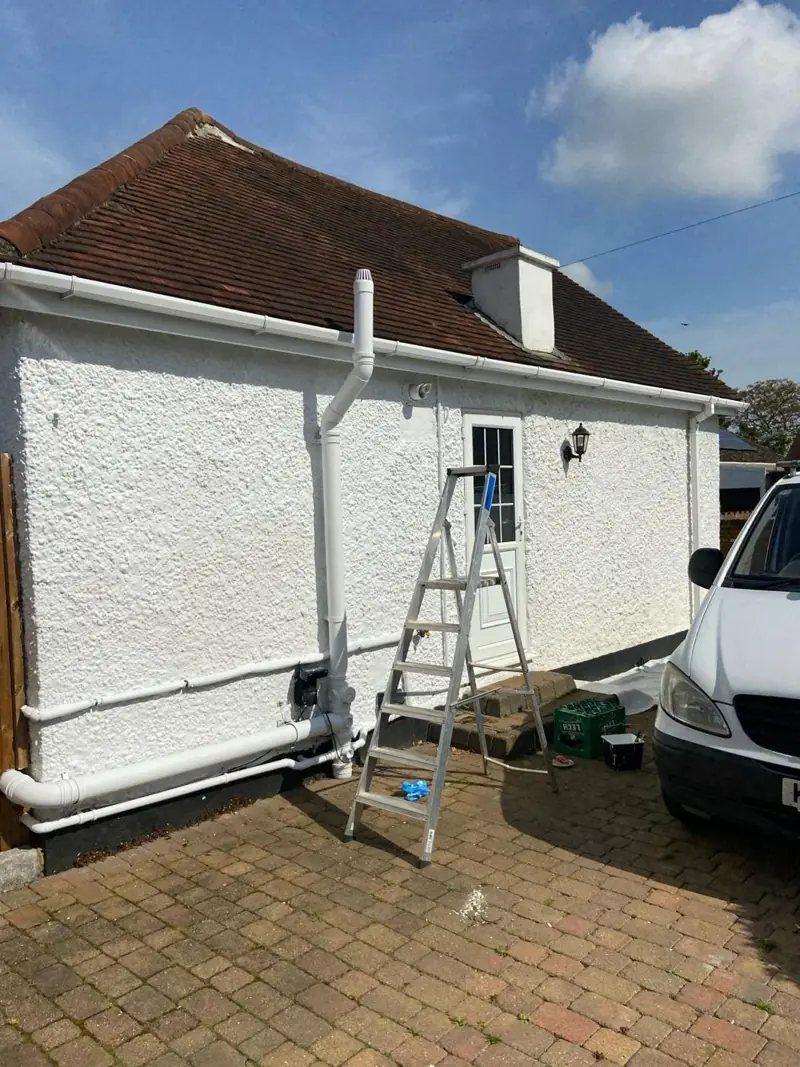
The painted stone surrounds at the manor are dressings, not flat walls, so they are prepared by hand and cut in neatly against the render.
Lower down, conditions get harder. The village sits on sandy ground from an ancient riverbed, and a stream runs through The Dip field; it flooded in 1998. Plinths and low garden walls near damp ground take up moisture from below, which is exactly where a non-breathable coat fails first. On those areas Dean will check how wet the masonry is before booking, and may advise waiting for a drier month rather than painting over damp.
Last updated by Dean, DH Painter & Decorator.