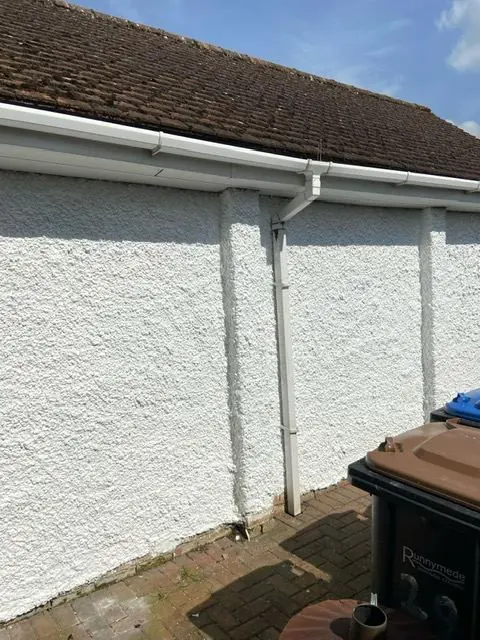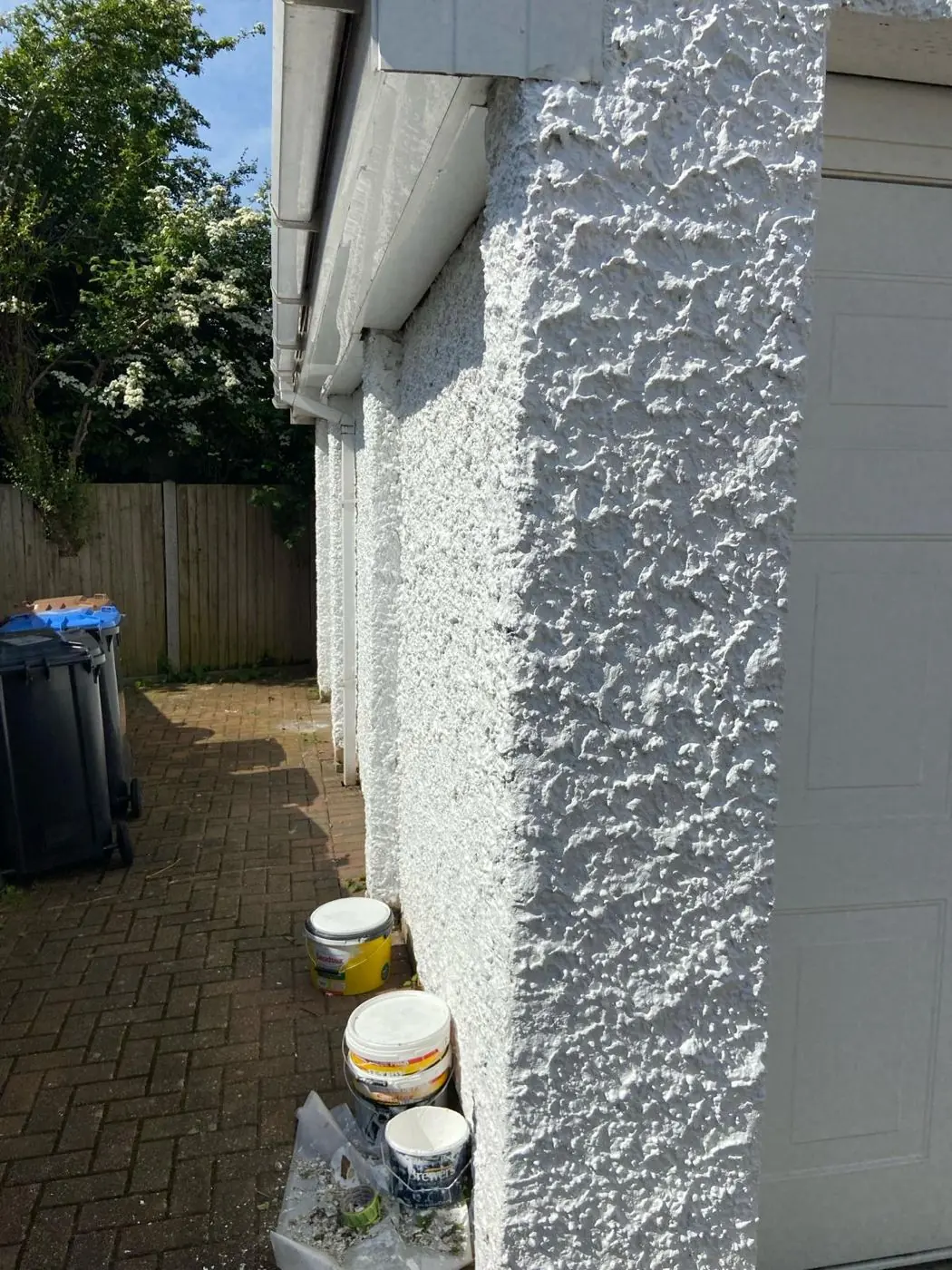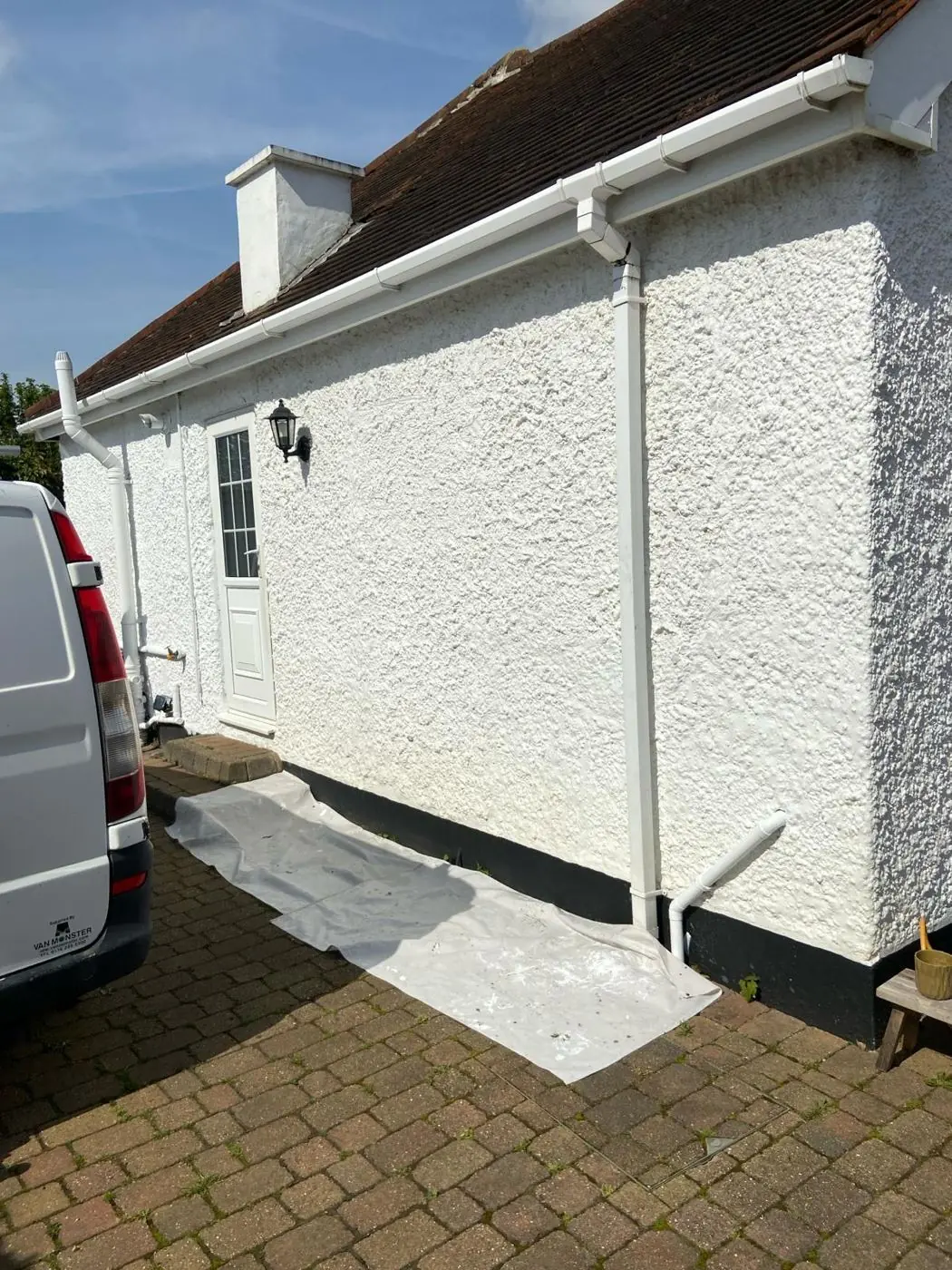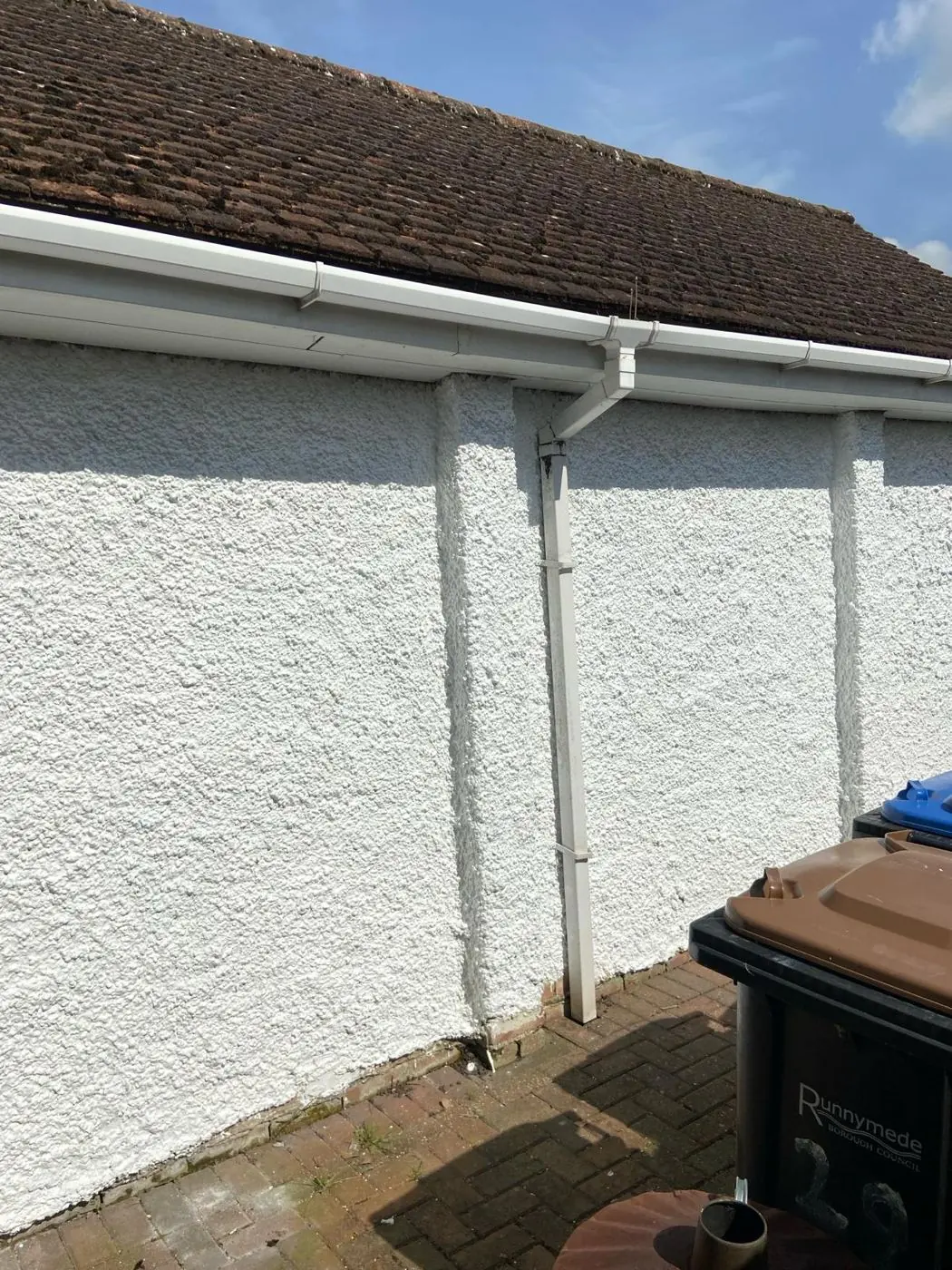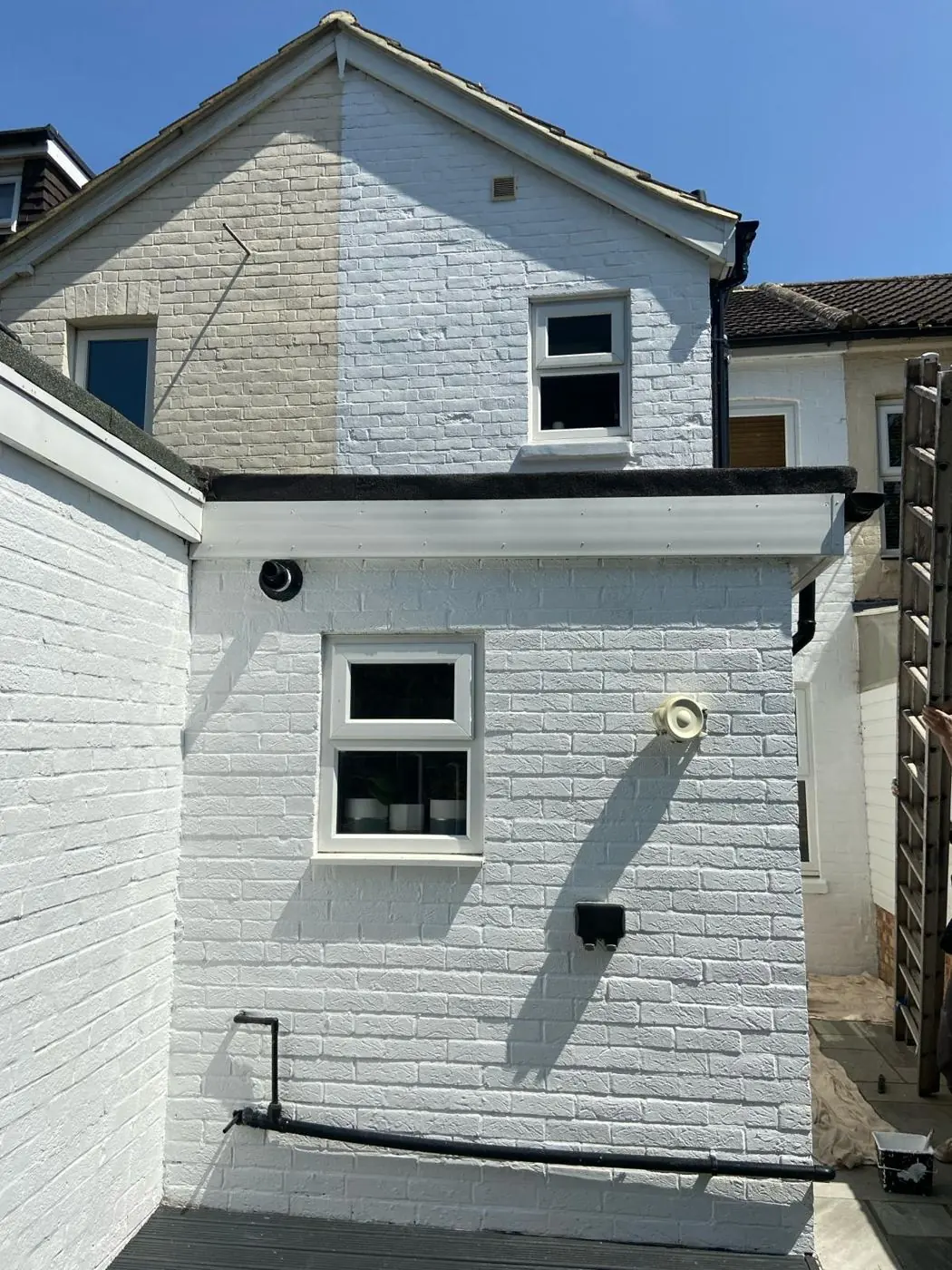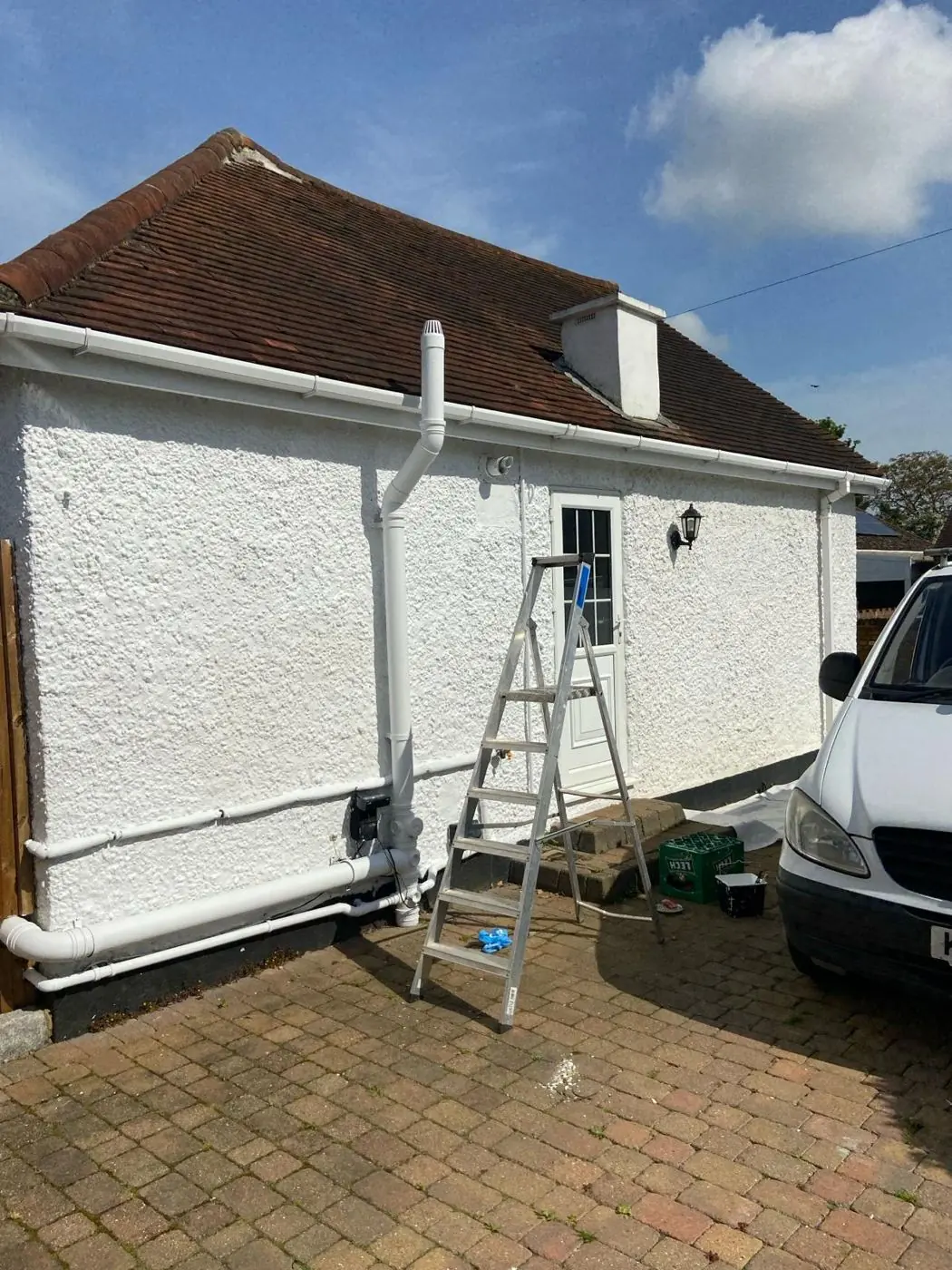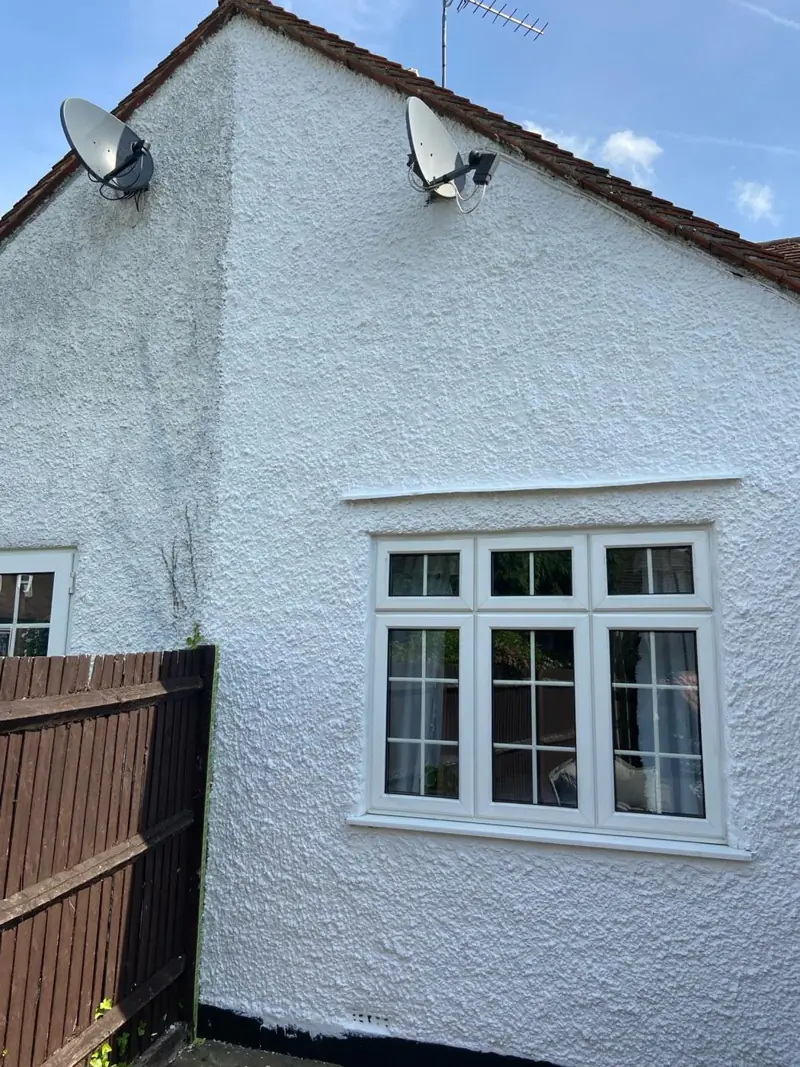
DH Painter & Decorator covers Milton Malsor from our Northampton base, about 3.2 miles south-west of the town centre in the NN7 and NN4 postcode areas. Most of the village is a conservation area of listed ironstone and limestone houses, so Dean plans the paint system around old stone, lime plaster and timber joinery, alongside the more modern infill homes.
A conservation village between the M1 and the main line
Milton Malsor is a small rural village and civil parish south-west of Northampton, in West Northamptonshire. At the 2011 census it had 761 residents in 311 dwellings. It is boxed in by the M1, the A43, the A508 and the Northampton Loop of the West Coast Main Line, and the village is reached along Towcester Road or from M1 Junction 15, about 2 miles east by road. Dean comes out from our base to see each house before quoting.
The village has grown slowly. It is recorded in the Domesday Book, its open fields were enclosed in 1779, and today new building is restricted to infill within the village boundary. That gives Milton Malsor an unusual mix for a decorator: a core of listed stone houses with newer homes set between them, but almost no large modern estates.
Its history shows in the buildings. James Harrington, author of The Commonwealth of Oceana, lived at Milton Malsor Manor, which received a blue plaque in 2008. The war memorial on the village green, a Weldon stone cross unveiled in 1920, is listed, as are several chest tombs in the churchyard. Traces of 18th-century strip farming survive on The Leys field off Rectory Lane. From Milton Malsor we also cover the neighbouring villages and estates, including Collingtree, Blisworth, Rothersthorpe, Gayton, East Hunsbury and West Hunsbury.
Ironstone, limestone, thatch and pantile
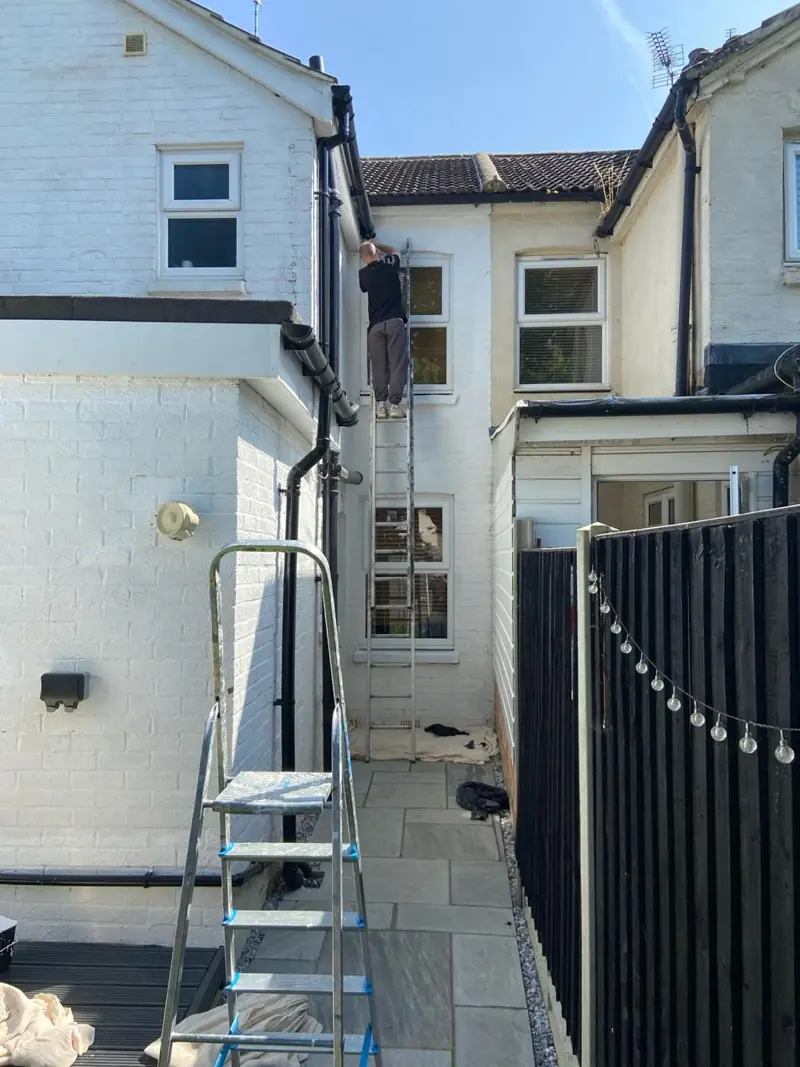
The Milton Malsor Conservation Area was designated on 31 July 1991 and amended on 15 January 2015. It covers about 15.5 hectares and takes in High Street, Green Street, Collingtree Road, Rectory Lane and Malsor Lane. Within it are 34 to 35 listed buildings. The Grade II* Church of the Holy Cross is the most important, and the rest are Grade II.
The houses fall into a few broad groups:
| Period | Typical houses | What gets painted |
|---|---|---|
| Late 16th-17th century | Milton Malsor Manor House, Thatch End on High Street | Render and stone surrounds on the Manor House, timber lintels, leaded casements |
| Late 17th-18th century | Thatched cottages on High Street, Green Street and Collingtree Road, The Forge, The Compass, Milton House | Sliding sashes, casements, plank and six-panel doors, porches, a Doric doorcase |
| Early 19th century | The Grange, The Old Rectory, the 1827 Baptist Chapel | 12- and 16-pane sashes, six-panel doors, a pedimented surround, a fanlight |
| 20th century onwards | Infill houses, extensions, 26 sheltered flats and bungalows | Modern plaster, standard joinery, fresh extensions |
Most walls are bare coursed ironstone rubble, sometimes mixed with limestone. That stone should not be coated with acrylic masonry paint, which traps moisture in soft stone and causes it to spall. Where a house is already painted or rendered, as the Manor House and The Compass are, the coating has to be identified before anything goes over it. Lime and mineral paints let the wall dry, and our render and masonry painting page explains the options. On a listed house, a change of colour or finish, or stripping paint, may need listed building consent from West Northamptonshire Council, so we raise it before quoting.
Joinery, ironwork and working around thatch
On most houses here, the exterior work is timber. The listed cottages have horizontal sliding sashes, multi-pane sashes, leaded casements, plank doors with hoods and six-panel doors. Each glazing bar needs cutting in by hand, and old timber needs splits filled and bare wood primed before any topcoat. Our exterior painting page covers the general process.
Thatch changes how the work is done. Thatch End, 49 and 51 High Street, Corner Cottage and 2 Collingtree Road all have thatched roofs, with low eaves and, at 2 Collingtree Road, an eyebrow dormer. Ladders cannot lean against thatch, so access has to be planned from the ground or with free-standing equipment. Hot-air stripping is not used near a thatched roof because of the fire risk.
The village also has historic metalwork. The late 17th or early 18th-century wrought-iron gates to Milton Malsor Manor House are listed, and other village homes have metal gates of their own. Iron like that needs wire-brushing back to sound metal and a rust-inhibiting primer, not just another coat of gloss. See our metal gate and railing painting page.
Inside old cottages and newer homes
Inside the older houses you find lime plaster, beams, low ceilings and walls that follow the stone. Breathable emulsions suit those walls better than vinyl finishes, and wallpaper usually needs lining paper first. Narrow, uneven staircases and small rooms make access slower, and we allow for that in the quote. The newer infill homes are simpler, but extensions bring new plaster that needs a mist coat, often right next to an old stone wall that needs a different paint. The service pages linked from this page cover each kind of job in more detail.
Ground, water and road grime
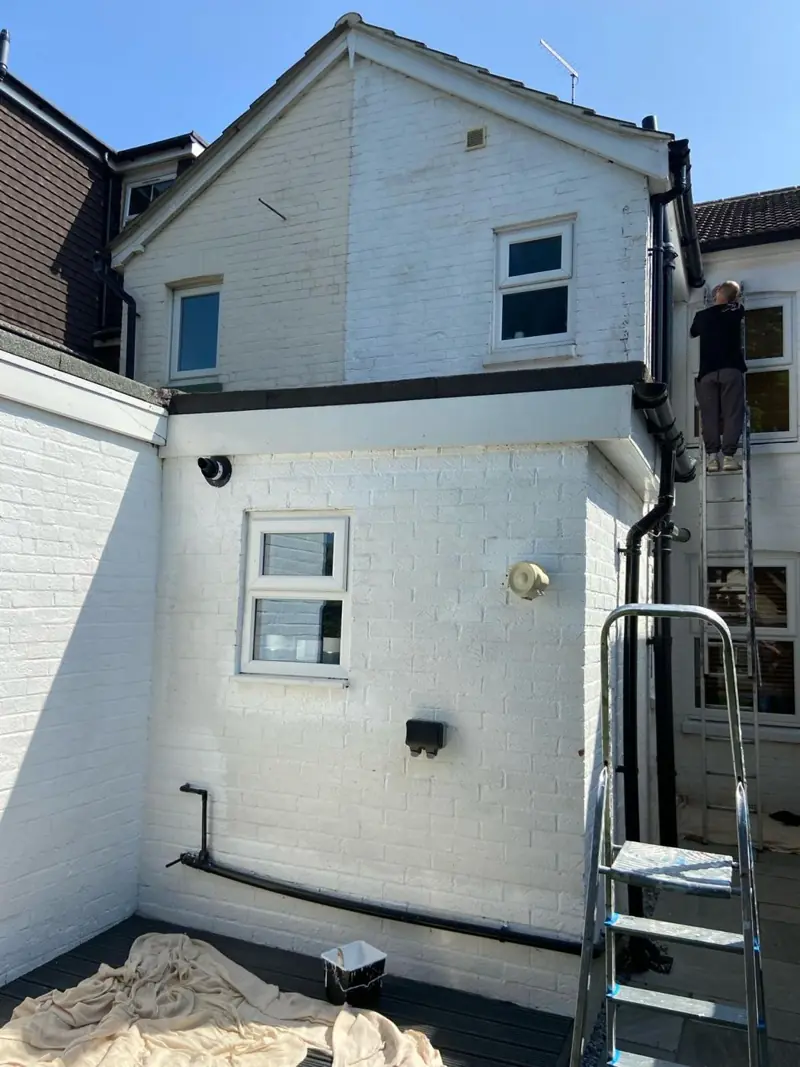
Milton Malsor’s soil is mainly sandy, because the area was once an ancient riverbed. Old sand and clay quarries nearby are now industrial estates and playing fields. A stream runs north-west through the village and The Dip field towards the River Nene at Upton, and it flooded in 1998, causing minor damage. Ground-floor walls and garden timber on damp ground need sound preparation and breathable coatings. Rural plots near the M1, the A43 and the railway pick up traffic film and grime, so exterior jobs here start with a proper wash down.
Shops, pubs and business units
Commercial work in the village is small in scale. There is one shop, the former post office on High Street, and The Greyhound pub and restaurant on Towcester Road. The former Hope Brewery is now offices, Holly House on Green Street is a residential care home, and there are units on the Gayton Road and Maple Court industrial estates. Our commercial painting page covers how we plan work around opening hours and residents.
Getting a quote in Milton Malsor
We are fully insured, and every quote is free and written after Dean has seen the job. He will tell you which paints suit your house, whether any consent might be needed, and how long the work will take. For a sense of budget, read our cost guide. Call 07539 779 036 to arrange a visit.
Last updated by Dean, DH Painter & Decorator.